

Ear Defenders & Ear Plugs

Pay in 3 interest-free payments on purchases from £20-£3000 with  . Learn more.

 Loading...
End of content
Error - No more pages to load
About Ear Defenders & Ear Plugs
Protecting your hearing on site or in the workshop is not just good practice—it's a legal requirement in many working environments. Ear defenders and ear plugs form an essential part of personal protective equipment (PPE) for anyone exposed to hazardous noise levels from power tools, machinery, or industrial equipment. Whether you're operating angle grinders, circular saws, pneumatic tools, or working in loud manufacturing environments, proper hearing protection can prevent irreversible damage and comply with HSE regulations.
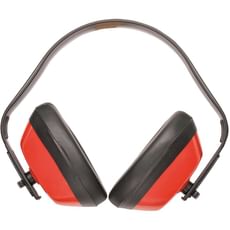
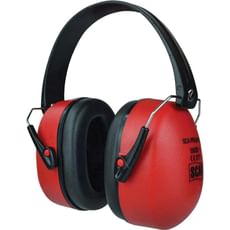
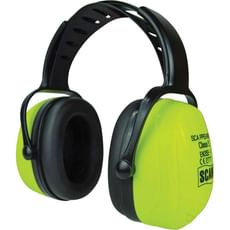
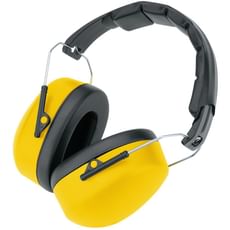
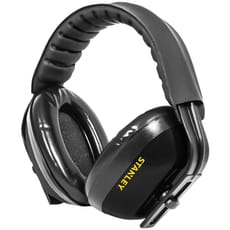
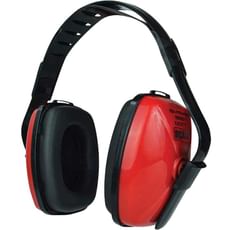
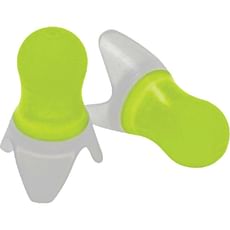
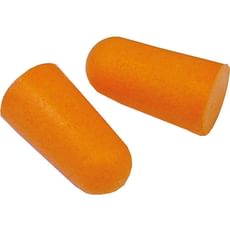
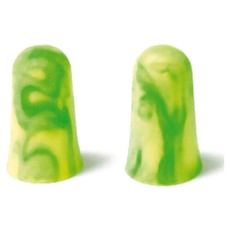
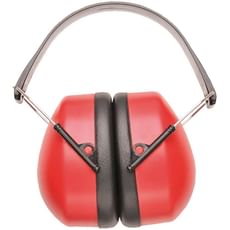
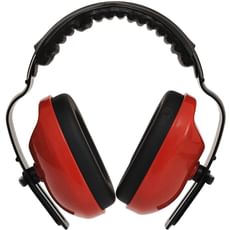
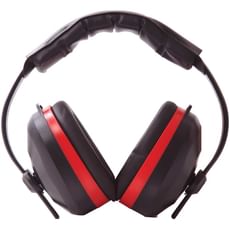
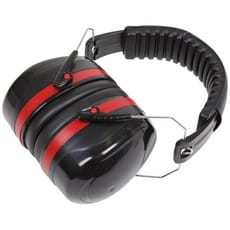
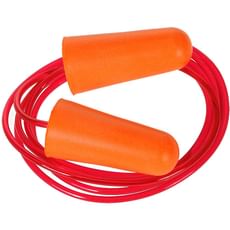
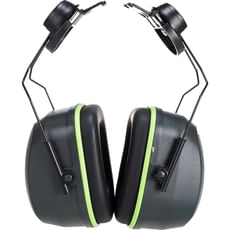
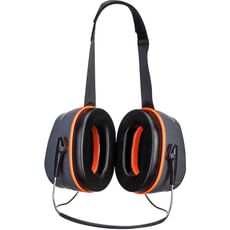
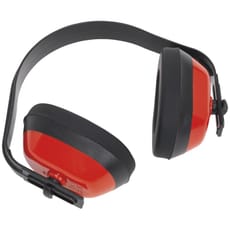
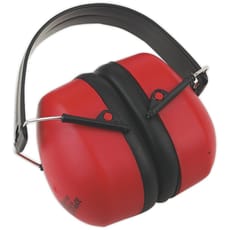
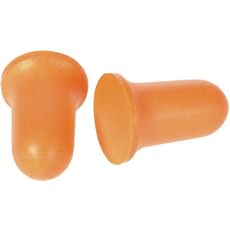
This category encompasses two main types of hearing protection: ear defenders (also known as ear muffs) and disposable or reusable ear plugs. Ear defenders provide convenient over-ear protection with adjustable headbands and cushioned seals, making them ideal for regular workshop use or site work where you need to remove and replace protection frequently. Ear plugs, on the other hand, insert directly into the ear canal and typically offer higher noise reduction ratings, making them suitable for extremely loud environments or extended wear where maximum protection is required.
Understanding the noise levels you're exposed to and selecting appropriate protection is crucial. HSE guidelines state that employers must provide hearing protection when noise levels reach 80dB, and exposure must never exceed 87dB even with protection in place. Most quality ear defenders and ear plugs available from Tooled-Up.com clearly display their Single Number Rating (SNR) or specific attenuation values, helping you choose the right level of protection for your working environment.
Jargon Buster
- SNR (Single Number Rating): A single figure representing the overall noise reduction provided by hearing protection, measured in decibels (dB). A higher SNR indicates greater noise attenuation.
- NRR (Noise Reduction Rating): An alternative measurement system primarily used in North America, indicating the level of noise reduction in decibels. In the UK, SNR is more commonly referenced.
- Attenuation: The reduction in sound level achieved by wearing hearing protection. Different frequencies may be attenuated by different amounts, which is why H, M, and L values are sometimes provided.
- H, M, L Values: These represent attenuation at High, Medium, and Low frequencies respectively, giving a more detailed picture of protection across the sound spectrum than SNR alone.
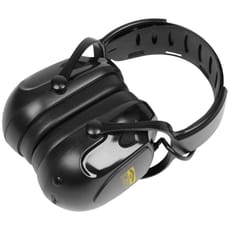
- Passive vs. Electronic Protection: Passive protection simply blocks sound mechanically, while electronic ear defenders use active noise cancellation or allow communication whilst still protecting against harmful noise levels.
- Hygiene Factor: Particularly relevant for reusable ear plugs, this refers to the need for regular cleaning and proper storage to prevent ear infections and maintain effectiveness.
Who Uses Ear Defenders & Ear Plugs?
Hearing protection is essential across numerous trades and industries:
- Construction Workers and Site Managers: Using jackhammers, concrete breakers, and heavy machinery that generate sustained high noise levels
- Carpenters and Joiners: Operating circular saws, routers, planers, and other woodworking machinery in workshops or on site
- Metalworkers and Fabricators: Using angle grinders, cut-off saws, welding equipment, and metal presses
- Groundworkers and Landscapers: Operating petrol strimmers, chainsaws, lawn mowers, and leaf blowers
- Mechanics and Auto Engineers: Working in noisy garage environments with pneumatic tools and diagnostic equipment
- Factory and Warehouse Operatives: Exposed to continuous industrial machinery noise throughout shifts
- Electricians and Plumbers: Using power tools for drilling, cutting, and chasing out walls in confined spaces where noise reverberates
- DIY Enthusiasts and Home Improvers: Anyone using power tools regularly for home renovation and garden maintenance
- Shooting Sports Participants: Requiring high-level protection from firearm discharge at ranges and clay pigeon shoots
How to Choose the Right Ear Defenders & Ear Plugs
Assess Your Noise Exposure: Determine the decibel levels you're regularly exposed to. Light garden work might only require SNR 20-25dB, whilst heavy construction or metalwork may need SNR 30-35dB or higher. Many power tool manufacturers, including DeWalt, Makita, and Milwaukee, specify the noise output of their equipment in product specifications.
Consider Duration of Use: For all-day wear, comfort becomes paramount. Ear defenders with padded headbands and replaceable cushions prevent pressure headaches, whilst premium foam ear plugs offer better comfort for extended periods than basic disposable options.
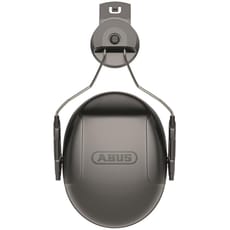
Compatibility with Other PPE: If you wear safety glasses, hard hats, or face shields, ensure your hearing protection works alongside them. Some ear defenders are specifically designed with slim-line cups or helmet-mounting systems. Alternatively, ear plugs eliminate compatibility issues entirely.
Environment and Portability: Ear defenders are bulkier but more convenient for tasks where you need to remove and replace protection frequently. Ear plugs are compact and pocket-friendly, ideal for mobile workers moving between different sites or tasks, though they require clean hands and proper insertion technique.
Hygiene and Maintenance: Consider whether disposable or reusable options suit your working pattern. Disposable foam ear plugs are hygienic for occasional use, whilst reusable corded or banded plugs with washable tips are more economical for regular users. Ear defender cushions should be replaceable to maintain both hygiene and acoustic performance.
Special Requirements: Electronic ear defenders allow radio communication or smartphone connectivity whilst still protecting hearing. Some feature automatic sound limiting that permits normal conversation whilst blocking harmful noise spikes—invaluable for site supervisors or workshop instructors.
Popular Accessories
- Replacement Cushions and Foam Inserts: Maintain the acoustic seal and hygiene of ear defenders with periodic cushion replacement
- Storage Cases and Pouches: Keep ear plugs clean and ear defenders protected when not in use
- Hygiene Covers: Disposable covers for ear defender cushions when equipment is shared between multiple users
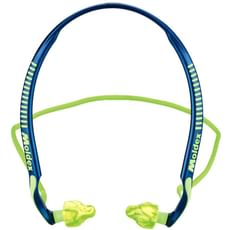
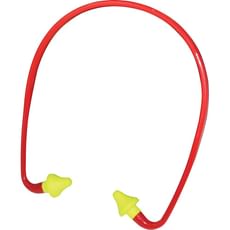
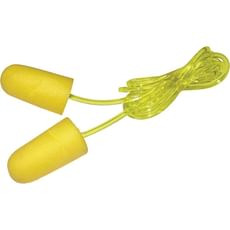
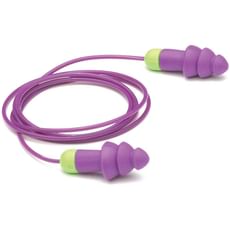
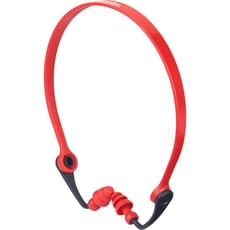
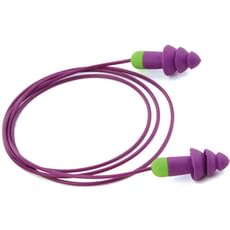
- Corded and Banded Ear Plugs: Prevent loss of individual plugs and allow convenient wearing around the neck between uses
- Noise Level Meters: Accurately measure workplace noise exposure to ensure appropriate protection is specified
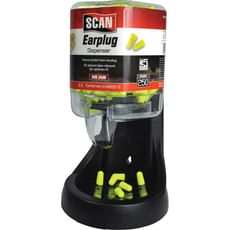
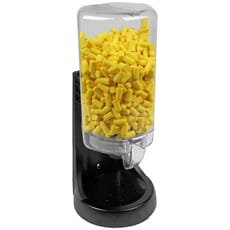
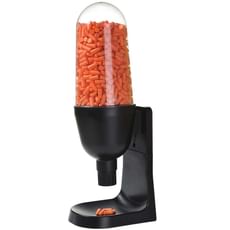
- PPE Dispensers: Wall-mounted stations for workshops or site facilities to ensure hearing protection is readily accessible
- Helmet-Mounting Kits: Adapt standard ear defenders for integration with hard hats and safety helmets
Safety Information
Hearing damage is permanent and cumulative—once lost, hearing cannot be restored. The HSE requires employers to conduct noise risk assessments and provide appropriate hearing protection when noise levels reach or exceed 80dB over an 8-hour working day. At 85dB, employers must take active steps to reduce noise exposure, and hearing protection becomes mandatory. Exposure must never exceed 87dB, even accounting for the protection provided by PPE.
Proper fit is critical for effectiveness. Poorly fitted ear defenders with gaps in the seal or incorrectly inserted ear plugs can reduce protection by 50% or more. Always follow manufacturer fitting instructions, and ensure ear plugs are inserted deeply enough into the ear canal with clean hands. Replace foam ear plugs after each use, and replace ear defender cushions when they become hard, cracked, or no longer create a good seal.
Be aware that hearing protection should never be "over-specified" to the point where it creates additional hazards. Blocking too much sound can prevent you from hearing warning shouts, reversing vehicles, or machinery malfunctions. Select protection appropriate to your noise exposure level rather than simply choosing the highest SNR available. Consult product specifications and, where necessary, seek advice from safety professionals to ensure compliance with The Control of Noise at Work Regulations 2005.
Frequently Asked Questions
What's the difference between SNR ratings on ear defenders and ear plugs?
SNR (Single Number Rating) indicates the overall noise reduction in decibels. A product with SNR 30 reduces noise exposure by approximately 30dB. Generally, well-fitted ear plugs can achieve higher SNR ratings (30-37dB) than ear defenders (25-33dB), though comfort, convenience, and correct fitting significantly affect real-world performance. For most workshop and site applications, SNR 25-30dB provides adequate protection.
Can I wear ear defenders with safety glasses and a hard hat?
Yes, though careful selection is required. Some ear defenders feature slim-profile cups specifically designed to work with safety glasses without breaking the acoustic seal. Helmet-mounted ear defenders attach directly to hard hats, eliminating compatibility issues. Alternatively, ear plugs work seamlessly with all other PPE without compromise.
How often should I replace disposable ear plugs?
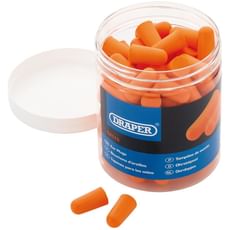
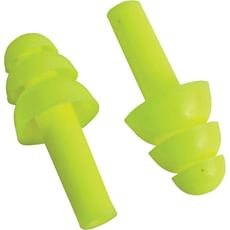
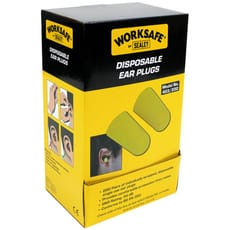
Disposable foam ear plugs are designed for single-use only and should be discarded after each wearing. Once removed, they accumulate dirt and lose their expansion properties, compromising both hygiene and protection. Reusable ear plugs with silicone or rubber flanges can be washed and reused but should be replaced when they become discoloured, lose flexibility, or no longer create a comfortable seal.
Are electronic ear defenders worth the extra cost?
For professionals working in team environments or requiring situational awareness, electronic ear defenders offer significant advantages. They amplify speech and ambient sounds to safe levels whilst automatically blocking harmful noise spikes, allowing normal conversation without removing protection. This is particularly valuable for site supervisors, workshop instructors, or shooting sports where communication and awareness are essential alongside hearing protection.
Do I still need hearing protection if I'm only using power tools occasionally?
Yes. Hearing damage is cumulative, and even short exposures to high noise levels contribute to long-term hearing loss. A single session with an angle grinder, circular saw, or impact driver can produce noise levels exceeding 100dB. The selection at Tooled-Up includes affordable options for both professional tradespeople and DIY enthusiasts—the modest investment in ear defenders or a pack of ear plugs is insignificant compared to the irreversible cost of hearing damage.