
Earth Clamps

Pay in 3 interest-free payments on purchases from £20-£3000 with  . Learn more.
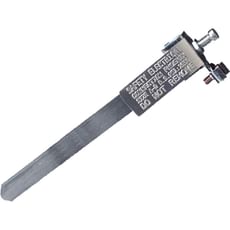
About Earth Clamps
Earth clamps are fundamental safety devices used primarily in welding applications to establish a secure electrical connection between the workpiece and the welding machine's earth return circuit. These robust connectors clip firmly onto metal surfaces, creating a low-resistance pathway that allows electrical current to complete its circuit safely. Whether you're undertaking MIG welding, arc welding, or TIG work, a reliable earth clamp ensures both operator safety and optimal welding performance. The clamp's primary function is to prevent dangerous voltage build-up on the workpiece whilst providing the stable electrical return path essential for consistent weld quality.
Tooled-Up.com stocks earth clamps in various amperage ratings and configurations to suit different welding applications. Most feature copper or brass contact surfaces for superior conductivity, combined with spring-loaded jaw mechanisms that maintain consistent pressure against the workpiece. Professional-grade models are built to withstand the harsh conditions of workshop and site environments, with heat-resistant materials and durable construction that delivers reliable performance even during extended welding sessions. Common amperage ratings range from 200A for light fabrication work through to 600A for industrial applications, ensuring compliance with BS EN 60974 welding equipment standards.
For professional welders, fabricators, and DIY enthusiasts working with metal projects, selecting the appropriate earth clamp is as important as choosing the welding machine itself. A poorly connected or undersized earth clamp creates resistance in the circuit, leading to inconsistent welds, excessive heat generation, and potential safety hazards. Quality earth clamps from reputable manufacturers provide the secure, low-resistance connection that forms the foundation of safe welding practice, whether you're working in a well-equipped workshop or on a busy construction site.
Jargon Buster
- Amperage Rating
- The maximum electrical current (measured in amps) that an earth clamp can safely handle without overheating or failing. Common ratings include 200A, 300A, 400A, and 600A, with higher ratings essential for heavy-duty industrial welding applications.
- Contact Surface
- The conductive area of the clamp that makes direct physical contact with the workpiece. Typically manufactured from copper or brass for maximum electrical conductivity and minimal resistance, ensuring efficient current flow.
- Earth Return Path
- The complete electrical circuit running from the welding power source, through the workpiece, back through the earth clamp and cable to the machine. A secure connection ensures a low-resistance path essential for safe welding operation.
- Spring Tension
- The force applied by the clamp's internal spring mechanism to maintain consistent contact pressure against the workpiece throughout the welding process, preventing intermittent connections that compromise weld quality and safety.
- Duty Cycle
- The percentage of a 10-minute period that welding equipment can operate at a specified amperage without overheating. Earth clamps must be rated to match or exceed your welder's duty cycle requirements for safe continuous operation.
- BS EN 60974
- The British and European standard governing arc welding equipment safety requirements, including specifications for earth clamps, cable connections, and other welding accessories used in professional and DIY applications.
Who Uses Earth Clamps?
Earth clamps are essential equipment for a diverse range of professionals and trades working with welding and metalworking applications:
- Welders and Fabricators - Professional welders rely on earth clamps daily for MIG, TIG, and arc welding operations in both workshop environments and on-site fabrication projects
- Automotive Technicians - Motor mechanics and body shop specialists use earth clamps when carrying out welding repairs, panel replacement, chassis work, and exhaust fabrication
- Maintenance Engineers - Factory and industrial maintenance teams require earth clamps for equipment repairs, structural welding work, and emergency fabrication tasks
- Construction Workers - Site operatives and steel erectors depend on earth clamps when welding structural elements, reinforcement bars, and temporary site structures
- Agricultural Engineers - Farm mechanics and agricultural contractors use earth clamps for repairing machinery, gates, trailers, and various farming equipment
- Plant Operators - Heavy equipment operators and plant fitters need earth clamps when maintaining and repairing construction machinery, diggers, and site vehicles
- DIY Enthusiasts - Home metalworkers and hobbyist fabricators require quality earth clamps for garden projects, home repairs, artistic metalwork, and restoration projects
- Metal Artists and Sculptors - Creative professionals working with metal fabrication and sculpture depend on reliable earth clamps for artistic welding projects
How to Choose the Right Earth Clamps
Match Amperage to Your Welder: The most critical factor is selecting an earth clamp with an amperage rating that meets or exceeds your welding machine's maximum output. For hobby welders up to 160A, a 200A clamp suffices, whilst machines in the 200-250A range require 300A or 400A clamps. Industrial welders above 300A demand 500A or 600A rated clamps. Always size up rather than down to ensure safety margins during high-amperage work.
Construction Quality Matters: Look for earth clamps with solid copper or brass contact surfaces rather than plated steel alternatives, as these materials provide superior electrical conductivity and longer service life. Heavy-duty spring mechanisms ensure consistent contact pressure even after thousands of attachment cycles. Durable handles with heat-resistant grips protect operators during extended welding sessions, whilst robust body construction withstands the inevitable knocks and drops of site work.
Cable Connection Type: Earth clamps feature various cable attachment methods including screw terminals, twist-lock connections, or crimp-style fittings. Ensure compatibility with your existing earth cable terminals, typically 16mm² to 50mm² for professional applications. Screw terminals provide the most secure long-term connection, whilst quick-release designs save time when frequently changing setups between different workpieces.
Jaw Opening and Design: Consider the maximum jaw opening required for your typical workpieces. Standard clamps open to approximately 25-40mm, suitable for most plate and structural steel work. Spring-loaded designs offer quick attachment and removal for high-volume production work, whilst screw-adjusted clamps provide additional security for critical applications or overhead welding positions where vibration might dislodge a standard spring clamp.
Working Environment: Workshop-based welders can use standard earth clamps, but site work demands more robust models with protective boots or covers that prevent damage from drops, moisture, and rough handling. For high-volume professional use, consider clamps with replaceable contact surfaces that extend the product's working life and reduce long-term costs.
Popular Accessories
- Welding Cables - Heavy-duty earth cables in various lengths and conductor sizes (16mm² to 70mm²) to connect your clamp to the welding machine's earth terminal
- Cable Connectors - Twist-lock, crimp, or bolted terminals for secure attachment of earth cables to clamps and welding equipment power sources
- Magnetic Welding Squares - Positioning aids that also serve as additional earthing points when working with ferrous metal workpieces
- Earth Cable Reels - Organised storage solutions that prevent cable damage, tangling, and trip hazards in busy workshop environments
- Replacement Contact Tips - Spare copper or brass contact surfaces to restore worn earth clamps to optimal electrical performance
- Cable Protectors - Rubber or fabric sleeves that shield earth cables from weld splatter, abrasion, and UV damage during outdoor site work
- Wire Brushes - Essential for cleaning contact areas on workpieces to ensure low-resistance connections free from rust, paint, and scale
- Welding PPE - Essential safety equipment including welding gloves, leather aprons, and auto-darkening helmets from brands like DeWalt and Portwest
Safety Information
Proper use of earth clamps is absolutely critical for electrical safety during all welding operations. Always ensure your earth clamp is securely attached to clean, bare metal surfaces free from paint, rust, mill scale, or contaminants that increase electrical resistance. Poor connections create excessive heat buildup, potential arc faults, and unreliable circuit completion that compromises both work quality and operator safety. Use a wire brush or angle grinder to prepare clean contact areas before attaching the clamp.
Before commencing any welding work, thoroughly inspect your earth clamp for signs of damage including worn contact surfaces, weakened springs, cracked housings, or damaged cable connections. Never use defective equipment, as this violates HSE regulations and puts operators at serious risk of electric shock or burns. Replace earth clamps showing significant wear immediately, and ensure all cable connections are tight and mechanically secure. Loose connections generate heat and present fire risks.
Position earth clamps as close as practicable to the actual welding area to minimise resistance in the earth return path and reduce voltage drop. Avoid clamping to surfaces that will be cut, ground, or moved during work, as loss of earth connection whilst welding creates serious safety hazards. When working on construction sites, establish proper earthing procedures that comply with BS 7430 Code of Practice for protective earthing and consult the HSE guidance on electrical safety in welding operations.
Never allow earth clamps or cables to come into contact with electrode holders, welding torches, or live electrical components. Ensure adequate cable sizing for your amperage requirements - undersized earth cables overheat and present significant fire risks in workshop environments. The selection available at Tooled-Up includes clamps that meet BS EN 60974 standards, ensuring compliance with workplace safety regulations. Implement regular inspection schedules for all earthing equipment as part of your routine maintenance programme, and replace any components showing deterioration before they compromise safety.
Frequently Asked Questions
What size earth clamp do I need for my welder?
Select an earth clamp rated at least equal to your welder's maximum output current. For machines up to 160A, a 200A clamp is adequate; for 200-250A welders, choose 300A or 400A clamps; and for industrial machines above 300A, opt for 500A or 600A rated clamps. Always size up rather than down to ensure safety margins and prevent overheating during extended welding sessions at high amperage settings.
Why does my earth clamp get hot during welding?
Heat buildup typically indicates poor contact between the clamp and workpiece, often caused by paint, rust, or mill scale preventing good metal-to-metal connection. Clean the contact area thoroughly with a wire brush or grinder before clamping. Alternatively, the clamp may be undersized for your welder's output, or internal contacts may be worn and require replacement. Excessive heat also occurs when earth cables are too long or undersized for the amperage being used.
Can I use any earth clamp with my welding machine?
Whilst most earth clamps are compatible with standard welding equipment operating on 240v supply, ensure the amperage rating matches or exceeds your machine's capacity and that the cable connection type fits your earth lead terminals. Professional machines often require heavy-duty clamps with higher ratings, whilst hobby welders function adequately with standard 200A clamps. Always verify BS EN 60974 compliance for safety and regulatory requirements in UK workshop environments.
How often should I replace my earth clamp?
Replace earth clamps when contact surfaces become heavily pitted or worn, when spring tension weakens significantly, or if the clamp body shows cracks or damage. Professional users in high-volume fabrication environments may need replacement annually, whilst occasional DIY users might achieve several years of service. Regular inspection is essential - if the clamp struggles to maintain secure contact or shows visible deterioration, replacement ensures continued safety and welding performance.
What's the difference between a welding earth clamp and an electrical earth clamp?
Welding earth clamps are specifically designed for high-current applications with robust construction, larger contact surfaces, and ratings typically from 200A to 600A. They're built to withstand weld splatter, mechanical abuse, and repeated attachment/removal cycles in demanding workshop and site conditions. Electrical earth clamps for testing or temporary earthing systems may have different designs optimised for lower currents and longer-term static connections rather than the harsh conditions of daily welding work.