

Edge Clamps

Pay in 3 interest-free payments on purchases from £20-£3000 with  . Learn more.
 Loading...
End of content
Error - No more pages to load
About Edge Clamps
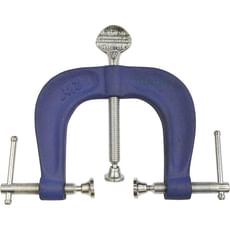
Edge clamps are specialised clamping tools designed to apply precise, perpendicular pressure along the edge of workpieces, making them indispensable for woodworking, joinery, and furniture making. These ingenious devices solve a challenge that frustrates many woodworkers: how to securely attach edging strips, lipping, or banding to the perimeter of panels, worktops, and table tops. Unlike standard clamps that apply pressure across surfaces, edge clamps grip the face of a panel whilst simultaneously pressing edging material against the edge, ensuring consistent glue bonds and professional-quality results that would be nearly impossible to achieve with conventional clamping methods alone.
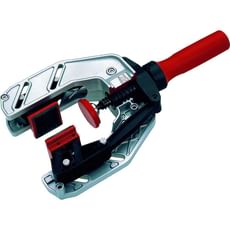
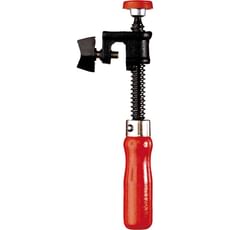
The edge clamps available at Tooled-Up.com fall into two main categories: standalone edge clamps and edge clamp attachments. Standalone units like the Bessey EKT55 one-handed edge clamp are complete, ready-to-use tools ideal for professionals who regularly apply edge banding as part of their daily workflow. These dedicated clamps typically feature quick-release mechanisms, ergonomic handles, and robust construction designed for repeated use. Edge clamp attachments, such as the Bessey KT5-1CP single spindle edge clamp, convert existing F-clamps or G-clamps into versatile edge clamping tools, offering an economical solution for those who already own standard clamps and only need edge clamping capability occasionally.
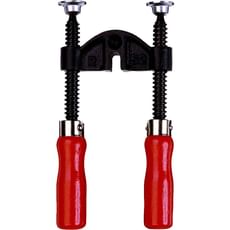
Modern edge clamps incorporate features that enhance usability and precision: adjustable jaws accommodate varying material thicknesses from thin veneers to substantial hardwood lipping, twin-spindle designs distribute pressure evenly, and one-handed operation models allow solo workers to position workpieces whilst applying clamping pressure. Whether you're a cabinet maker fitting oak edging to plywood carcasses, a kitchen fitter installing worktop end caps, or a DIY enthusiast restoring vintage furniture, edge clamps deliver the consistent pressure distribution essential for strong, gap-free joints.
Jargon Buster
- Edge Banding/Lipping: Thin strips of material—typically solid wood, veneer, PVC, or melamine—applied to the exposed edges of sheet materials like plywood, MDF, or chipboard. Edge banding conceals the substrate core, protects edges from damage, and provides a professional finished appearance.
- F-Clamp: A bar clamp shaped like the letter 'F', featuring a fixed jaw at one end and a sliding jaw that adjusts along a flat steel bar. Many edge clamp attachments, including those from Bessey, are designed to mount onto standard F-clamps, converting them into edge clamping tools.
- Throat Depth: The distance from the clamping face to the back of the clamp frame, determining how far from an edge you can position the clamp. Greater throat depth allows work on larger panels and provides better access when clamping items away from panel edges.
- Spindle: The threaded rod or screw mechanism that adjusts jaw position and applies clamping force. Single spindle designs use one adjustment point, whilst twin spindle edge clamps feature two independent adjustment screws for more even pressure distribution across varying material thicknesses.
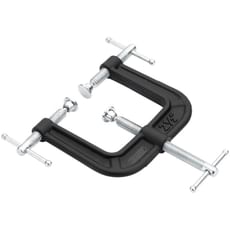
- Three-Way Clamp: A versatile clamp design that applies pressure in multiple directions simultaneously. Tools like the Draper 3 Way G Clamp can function as standard clamps, edge clamps, and spreaders, making them particularly useful for workshops with limited storage space or budget constraints.
- Clamping Pressure: The amount of force applied by a clamp to hold materials together during gluing or assembly. Edge clamps must deliver even, consistent pressure along the entire edge length to ensure proper adhesive bonding without gaps or misalignment.
Who Uses Edge Clamps?
Edge clamps are essential tools for a diverse range of professionals and enthusiasts working with sheet materials and edge treatments:
- Cabinet Makers and Joiners: Regularly apply solid wood lipping to plywood and MDF cabinet carcasses, drawer fronts, and furniture components to achieve high-quality finishes
- Kitchen Fitters: Install worktop end caps, upstands, breakfast bars, and decorative edging strips on laminate and solid surface worktops
- Furniture Makers and Restorers: Apply edge banding to tables, desks, shelving units, and cabinets, and repair damaged edges on antique and vintage furniture pieces
- Shopfitters: Install edge protection, decorative trim, and finishing details on retail displays, fixtures, and commercial joinery installations
- Carpenters and Site Joiners: Complete trim work, architraves, and finishing details on construction sites requiring clean, professional edges
- DIY Enthusiasts and Home Woodworkers: Tackle furniture restoration projects, custom shelving, worktop installation, and bespoke woodworking requiring professional-quality edge treatments
- Set Builders and Props Makers: Create and repair theatrical set pieces, film props, and exhibition stands requiring finished edges on budget-conscious timescales
- Boat Builders: Apply edge treatments to marine plywood bulkheads, cabin components, and interior joinery where water resistance and durability are paramount
How to Choose the Right Edge Clamps
Frequency of Use: If edge clamping is an occasional requirement, attachments like the Bessey KT5-1CP that convert existing F-clamps represent excellent value and save storage space. For professionals applying edging daily, dedicated standalone units like the Bessey EKT55 one-handed edge clamp offer superior convenience, faster setup times, and enhanced productivity that quickly justifies the investment.
Material Thickness Capacity: Verify the clamp accommodates your typical workpiece dimensions. Most edge clamps handle standard sheet materials from 12mm to 40mm thickness, but if you regularly work with thicker hardwood lipping or specialist materials, check maximum capacity specifications carefully before purchasing.
Throat Depth Requirements: Consider how far from panel edges you need to work. Kitchen worktop installations often require substantial throat depth to reach across standard 600mm depths, whilst smaller cabinet work benefits from compact, manoeuvrable tools that don't add unnecessary bulk.
One-Handed Operation: Solo workers benefit enormously from one-handed edge clamps that allow positioning workpieces with one hand whilst applying clamping pressure with the other. The Bessey EKT55 exemplifies this design philosophy, featuring rapid one-handed operation ideal for site work and small workshops.
Spindle Configuration: Single spindle designs like the Bessey KT5-1CP offer simplicity and economy, whilst twin spindle models distribute pressure more evenly across varying material thicknesses, reducing the risk of crushing soft materials or creating uneven glue lines on complex assemblies.
Brand Quality and Reputation: Established manufacturers including Bessey, Draper, and Faithfull deliver reliable clamping pressure, smooth adjustment mechanisms, and durability that withstands professional use. Premium brands typically feature superior materials, precision machining, and longer working life, though mid-range options often provide excellent value for occasional users.
Quantity Planning: Edge clamping typically requires multiple clamps spaced at 150-200mm intervals for PVA adhesive applications. Calculate your typical project requirements—a standard 2.4-metre worktop might need 12-15 clamps—and consider whether several mid-range clamps provide better value than fewer premium units.
Compatibility Considerations: If purchasing attachments, verify compatibility with your existing F-clamps or G-clamps. Different manufacturers use varying rail dimensions and jaw designs, so check specifications carefully to avoid disappointment.
Popular Accessories
Complement your edge clamping setup with these essential accessories available from Tooled-Up:
- F-Clamps and G-Clamps: Quality base clamps from Bessey, Irwin, or Stanley if using edge clamp attachments rather than standalone units
- Clamp Pads and Softening Caps: Protect finished surfaces from jaw marks, prevent metal-to-wood contact, and distribute pressure more evenly across delicate veneers
- Wood Adhesives: PVA wood glue for interior applications, polyurethane adhesives for moisture-resistant bonds, and contact adhesive for instant-grab edge banding applications
- Edge Trimming Tools: Flush trim routers, laminate trimmers, edge banding trimmers, cabinet scrapers, and block planes for finishing applied edging flush with panel surfaces
- Measuring and Marking Tools: Tape measures from Stanley or Bahco, marking gauges, combination squares, and marking knives for accurate edge positioning and alignment
- Workbenches and Trestles: Stable work surfaces essential for effective clamping—consider folding trestles for site work or robust workshop benches for permanent installations
- Clamp Storage Solutions: Wall-mounted clamp racks, mobile clamp carts, or workshop storage systems from Stanley, DeWalt, or Makita to keep your expanding clamp collection organised and readily accessible
- Sanding Equipment: Belt sanders, random orbital sanders, and sanding blocks for final surface preparation after edge application
Safety Information
Whilst edge clamps are relatively safe tools, observe these precautions to prevent injury and damage:
Pinch Point Awareness: Keep fingers and hands clear of moving jaws when tightening clamps. The clamping surfaces can trap skin, gloves, or clothing unexpectedly. Always maintain awareness of jaw positions during adjustment and never place hands between clamping surfaces whilst applying pressure.
Workpiece Stability: Ensure workpieces are adequately supported and stable before applying clamping pressure. Unsupported panels can shift, twist, or fall when pressure is applied, potentially causing injury or damaging finished surfaces. Use sawhorses, benches, or trestles to create stable working platforms.
Appropriate Clamping Force: Over-tightening damages delicate materials, crushes wood fibres, causes excessive glue squeeze-out, and can even crack thin veneers. Apply firm, consistent pressure sufficient for good adhesive contact without excessive force. If you notice material distortion or crushing, reduce pressure immediately.
Regular Maintenance Inspections: Examine threads, jaws, adjustment mechanisms, and moving parts regularly for wear, damage, or accumulated debris. Worn components can slip unexpectedly, potentially causing workpieces to shift during critical gluing operations. Clean threads periodically and apply light machine oil to prevent rust and ensure smooth operation.
Proper Storage Practices: Store clamps in dry workshop environments to prevent rust formation on metal components. Back off adjustment screws when not in use to reduce stress on threads, springs, and locking mechanisms, extending tool life and maintaining consistent clamping performance.
Eye Protection: Wear safety glasses when trimming or sanding edge banding after clamping, as flying wood particles and dust present eye injury risks during finishing operations.
Frequently Asked Questions
Can I use standard clamps instead of dedicated edge clamps?
Whilst improvisation is possible, achieving consistent perpendicular pressure along edges with standard clamps is extremely difficult and often produces poor results. Edge clamps apply force at the precise angle required for edge banding applications, which conventional clamps cannot replicate effectively. The modest investment in proper edge clamps or attachments saves considerable time, reduces frustration, and delivers professional-quality results that justify the cost within just a few projects.
What's the difference between edge clamp attachments and complete standalone edge clamps?
Edge clamp attachments like the Bessey KT5-1CP convert existing F-clamps into edge clamping tools, offering economical solutions ideal for occasional use whilst saving valuable workshop storage space. Standalone edge clamps like the Bessey EKT55 are complete, ready-to-use units that don't require additional equipment, typically featuring faster setup, more convenient adjustment mechanisms, and enhanced ergonomics suited to frequent professional use, though representing larger initial investments.
How many edge clamps do I need for typical projects?
Required quantities depend on edge length and adhesive type. Space clamps every 150-200mm along edges when using PVA wood glue to ensure consistent pressure throughout the open time. Contact adhesives allow wider spacing—approximately 300mm intervals—as they bond on contact. For a standard 600mm kitchen worktop end cap, you'll typically need 3-4 clamps for optimal results. Professional cabinet makers working on large projects often maintain collections of 20-30 clamps to handle multiple assemblies simultaneously.
Will edge clamps work on curved edges or shaped panels?
Standard edge clamps are engineered for straight edges and cannot accommodate curves effectively. Curved edge work requires alternative methods including vacuum bag pressing, specialized curved cauls (shaped clamping blocks), or creative solutions using standard clamps with custom-made formers. Some three-way clamps offer limited flexibility for very gentle curves, but truly curved work demands different approaches altogether.
How do I prevent glue stains and clamp marks when edge clamping?
Use clamp pads, cork strips, or softwood offcuts between clamp jaws and workpiece surfaces to prevent direct metal-to-wood contact and associated marking. Apply masking tape along panel faces adjacent to glue lines before applying adhesive to catch squeeze-out. Keep damp cloths readily available to wipe excess glue immediately—dried adhesive is significantly harder to remove and interferes with staining and finishing. For particularly precious work, use waxed paper between clamps and workpieces to prevent adhesive bonding to protective materials.
Can I use edge clamps with contact adhesive or only PVA glue?
Edge clamps work effectively with various adhesives including PVA wood glue, polyurethane adhesives, contact adhesives, and epoxy resins. However, contact adhesive requires modified technique: apply adhesive to both surfaces, allow appropriate flash-off time according to manufacturer instructions, then use edge clamps to ensure firm initial contact across the entire edge length. Fewer clamps are typically required with contact adhesive compared to PVA applications, as bonding occurs immediately upon contact rather than requiring extended clamping during cure times.