

Electric Heaters

Pay in 3 interest-free payments on purchases from £20-£3000 with  . Learn more.




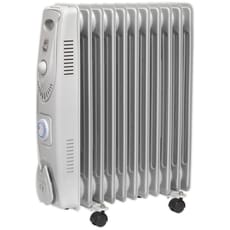
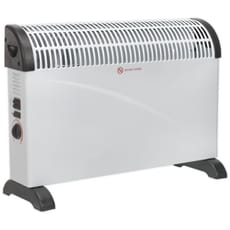
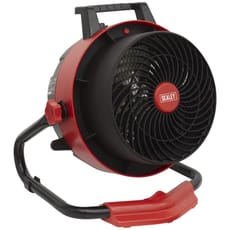
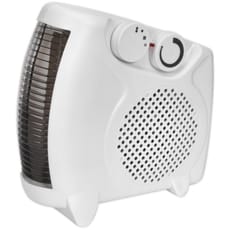
 Loading...
End of content
Error - No more pages to load
About Electric Heaters
Electric heaters deliver reliable, versatile warmth for workshops, construction sites, warehouses, offices, and domestic spaces across the UK. Operating from standard 240v mains supply, electric heating solutions eliminate the need for fuel storage, ventilation systems, or complex installation, making them ideal for both temporary site work and permanent heating applications. From compact fan heaters delivering instant heat to oil-filled radiators providing sustained background warmth, electric heaters cater to every professional and DIY requirement.
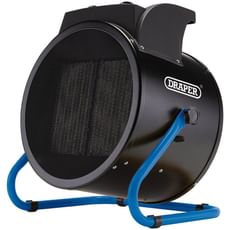
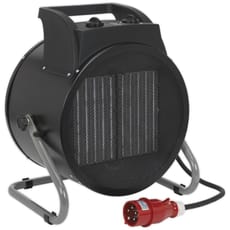
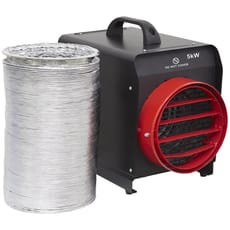
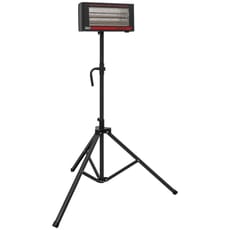
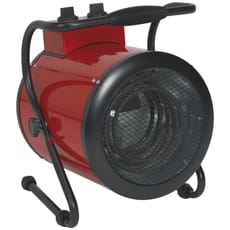
The range at Tooled-Up.com encompasses multiple heating technologies to suit different environments and applications. Cabinet heaters provide robust workshop heating, whilst ceramic heaters offer energy-efficient performance with rapid warm-up times. Convector heaters deliver silent operation for noise-sensitive environments, and infrared heaters provide targeted spot heating that warms people and objects directly rather than wasting energy heating air. Electric space heaters offer portable solutions for moving between job sites, whilst tube heaters prevent condensation and frost damage in garages, greenhouses, and storage facilities. Models range from compact 500W units for small spaces to powerful 3kW industrial heaters capable of warming large commercial premises.
Modern electric heaters incorporate sophisticated controls and safety features including adjustable thermostats, multiple heat settings, overheat protection, and tip-over switches. These features ensure economical operation whilst meeting stringent UK safety standards including BS EN 60335 for household electrical appliances and HSE workplace heating requirements. For tradespeople working in properties without central heating, during renovations, or requiring supplementary warmth during winter months, electric heaters provide dependable, controllable heating without the complications associated with gas or paraffin alternatives.
Jargon Buster
- Wattage (W/kW): The power consumption and heat output of the heater. As a general rule, you need approximately 100W per square metre for well-insulated spaces or 150W for poorly insulated areas. A 2kW heater typically suits rooms up to 20 square metres, whilst 3kW models handle larger workshops and commercial spaces.
- Thermostatic Control: An automatic temperature regulation system that cycles the heater on and off to maintain your desired temperature setting. Thermostatic controls significantly reduce energy consumption and running costs compared to manually controlled units, making them essential for economical heating.
- IP Rating (Ingress Protection): A two-digit code indicating protection levels against solid objects and liquids. IP24-rated heaters resist water splashes, making them suitable for bathrooms and damp workshop environments. Higher IP ratings provide greater protection for harsh industrial conditions where standard heaters would be unsafe.
- Convection Heating: A heating method where air is warmed as it passes over the heating element, then rises naturally or is circulated by a fan to distribute warmth throughout the space. Convection heaters excel at heating entire rooms evenly and maintaining consistent ambient temperatures.
- Radiant/Infrared Heating: Technology that emits infrared rays to warm objects, surfaces, and people directly rather than heating the surrounding air. Particularly efficient in draughty workshops, outdoor areas, or high-ceilinged spaces where convection heat would be lost, infrared heaters deliver instant warmth exactly where needed.
- Thermal Cut-out: An essential safety feature that automatically disconnects electrical power if the heater exceeds safe operating temperatures. This prevents fire hazards, protects the heating element from damage, and ensures compliance with UK electrical safety regulations.
Who Uses Electric Heaters?
Electric heaters serve a diverse range of trades, professions, and applications:
- Builders and Construction Workers: Warming site offices, drying plaster and concrete, maintaining comfortable working conditions in properties without heating systems, and accelerating construction schedules during cold weather
- Decorators and Plasterers: Accelerating drying times for paint, plaster, wallpaper paste, and other materials whilst maintaining optimal application temperatures for professional finishes
- Electricians and Plumbers: Providing temporary heat when central heating systems are disconnected during installation work, repairs, or system upgrades
- Mechanics and Vehicle Technicians: Keeping workshops and garages at comfortable working temperatures, preventing condensation on tools and equipment, and improving working conditions during winter months
- Warehouse and Logistics Staff: Maintaining ambient temperatures in storage facilities, loading bays, distribution centres, and temperature-sensitive storage areas
- Groundsmen and Horticulturalists: Protecting plants from frost in greenhouses, preventing frozen pipes in garden buildings, and maintaining optimal growing conditions
- Property Maintenance Professionals: Providing flexible heating solutions for vacant properties, temporary accommodation, rental units, and emergency heating situations
- DIY Enthusiasts and Homeowners: Supplementing domestic heating, warming workshops, sheds, conservatories, home offices, and addressing cold spots in period properties
How to Choose the Right Electric Heaters
Calculate Heat Requirements: Measure your space dimensions and multiply length by width to determine square metres. Multiply this figure by 100W for well-insulated spaces or 150W for poorly insulated areas with high ceilings or significant draughts. A typical 5m x 4m workshop (20 square metres) requires a 2-3kW heater for comfortable working temperatures.
Select the Appropriate Heating Technology: Fan heaters provide rapid heating and excellent portability for moving between job sites. Convector heaters offer silent operation for offices and noise-sensitive environments. Oil-filled radiators deliver sustained warmth with gentle heat retention ideal for continuous operation. Infrared heaters suit draughty warehouses, outdoor areas, and spot heating applications where warming people directly proves more efficient than heating air. Ceramic heaters provide energy-efficient performance with quick warm-up times.
Consider Portability Requirements: Lightweight fan heaters and oil-filled radiators with castors offer maximum flexibility for contractors working across multiple sites. Cabinet heaters and wall-mounted convector heaters suit permanent installations where consistent heating is required. Compact models fit easily in van storage, whilst larger industrial heaters provide powerful heating for fixed workshop locations.
Evaluate Running Costs and Efficiency: Heaters with adjustable thermostats, multiple heat settings, and timer functions consume less electricity than basic models running continuously at full power. Ceramic heaters and oil-filled radiators with thermostatic controls optimise energy usage by cycling on and off to maintain desired temperatures, significantly reducing running costs over extended periods.
Assess Environmental Conditions: Draughty warehouses and semi-outdoor applications benefit from infrared heaters that warm people and objects rather than wasting energy heating air that escapes. Enclosed workshops suit convector or fan heaters that circulate warm air effectively. Damp environments, bathrooms, and wet workshops require IP-rated models with splash protection to comply with UK electrical safety regulations and prevent electrical hazards.
Verify Electrical Supply Capacity: Most UK domestic sockets provide 13A at 240v, supporting heaters up to approximately 3kW maximum. Verify your circuit capacity before connecting high-wattage heaters, and never overload sockets with multiple heating appliances. Industrial premises with three-phase supplies can support multiple high-wattage heaters simultaneously. Always use appropriately rated extension cables and ensure connections meet BS 7671 wiring regulations.
Prioritise Safety Features: Look for overheat protection, tip-over switches that automatically disconnect power if knocked over, cool-touch casings preventing accidental burns, and thermal cut-outs. These features are essential in busy workshops where heaters might be obstructed or accidentally contacted. HSE guidance recommends these safety features for workplace heating equipment to minimise fire risks and electrical hazards.
Popular Accessories
- Extension Leads and Cable Reels: Heavy-duty 13A-rated cables and thermal-protected cable reels for positioning heaters away from fixed sockets whilst maintaining safe electrical connections compliant with site regulations
- Timer Plugs and Smart Sockets: Programmable controls that automatically switch heaters on before arrival and off after departure, reducing energy waste and ensuring warm working environments without continuous operation
- Thermometers and Hygrometers: Monitoring equipment to measure temperature and humidity levels accurately, ensuring optimal working conditions and preventing condensation damage in workshops and storage areas
- Heater Guards and Protective Cages: Metal safety barriers preventing accidental contact with hot surfaces in busy workshops, public spaces, or environments where children might be present
- Wall Mounting Brackets: Secure fixtures for permanent installation of compatible convector and panel heaters, keeping floor space clear, preventing trip hazards, and improving heat distribution
- Insulation Materials: Draught excluders, thermal curtains, insulating tape, and foam strips to improve heat retention, reduce energy consumption, and lower running costs by minimising heat loss
- Portable Appliance Testing (PAT) Equipment: Testing devices for maintaining electrical safety compliance on portable heaters used in commercial and workplace environments
Safety Information
Electric heaters must be operated safely to prevent fire hazards, burns, and electrical accidents. Always position heaters on stable, level, non-combustible surfaces at least one metre away from flammable materials including timber, fabrics, paper, aerosols, and combustible liquids. Never drape clothing, towels, or materials over heaters to dry, as this creates significant fire risk and can trigger thermal cut-outs or cause overheating.
Inspect power cables regularly for damage, fraying, or exposed conductors. Never operate heaters with damaged cables, cracked plugs, or loose connections. Plug heaters directly into wall sockets rather than using multi-socket adapters or extension blocks, which can overload and overheat. If extension leads are necessary, use heavy-duty 13A-rated cables fully unwound from reels to prevent heat build-up.
Maintain adequate clearances around heaters to ensure proper air circulation and prevent overheating. Do not obstruct air intakes or outlets with furniture, materials, or equipment. On construction sites and commercial premises, heaters must comply with HSE workplace temperature regulations, Electricity at Work Regulations 1989, and site-specific safety requirements. Conduct PAT testing annually on portable heaters used in workplace environments.
For bathroom and wet environment use, only use heaters with appropriate IP24 or higher ratings, and install them according to UK wiring regulations (BS 7671). Maintain correct zones and distances from water sources, and never touch heaters with wet hands. Consider fixed installation by a qualified electrician for permanent bathroom heating solutions. Always switch off and unplug heaters when unattended overnight or when leaving premises unoccupied.
Never use electric heaters in areas where flammable gases, vapours, or explosive atmospheres may be present unless specifically rated for hazardous locations. Ensure adequate ventilation even when using electric heaters, particularly in enclosed spaces. Store heaters safely during summer months, protecting them from moisture and physical damage to maintain electrical safety and performance.
Frequently Asked Questions
What size electric heater do I need for my workshop or garage?
Calculate your floor area in square metres by multiplying length by width, then multiply by 100W for well-insulated spaces or 150W for poorly insulated areas. A typical single garage (15-20 square metres) requires a 2-2.5kW heater for comfortable working temperatures. For spaces with high ceilings above 3 metres, increase capacity by 30-50% to compensate for heat rising. Multiple smaller heaters positioned strategically often provide better heat distribution than a single large unit, reducing cold spots and improving comfort.
Are electric heaters expensive to run compared to gas or diesel heaters?
Electric heating costs approximately 34p per kWh based on current UK domestic energy prices, whilst bottled gas costs around 10-15p per kWh. However, electric heaters are 100% efficient at point of use, require no fuel storage or transportation, need minimal maintenance, and can be controlled precisely with thermostats to reduce waste. For occasional use, small spaces, or situations where fuel storage is impractical, electric heaters often prove more economical overall when considering total ownership costs and convenience.
Can I safely leave an electric heater running overnight or unattended?
Only heaters specifically designed for continuous unattended operation with comprehensive safety features should run overnight. Oil-filled radiators with thermostatic controls, overheat protection, and thermal cut-outs are generally suitable for extended operation. Fan heaters and portable models should be switched off when unattended. Always follow manufacturer guidance, never leave heaters operating in locked unoccupied buildings, and ensure smoke detectors are fitted and functional wherever heaters operate unattended.
Which type of electric heater provides the fastest heating for cold workshops?
Fan heaters deliver the fastest room heating, circulating warm air rapidly throughout spaces and providing noticeable warmth within 2-3 minutes. Infrared heaters provide instant radiant warmth, heating people and objects directly in their path immediately upon switching on, making them ideal for spot heating specific work areas. Convector heaters and oil-filled radiators take 15-30 minutes to reach full operating temperature but provide more sustained, even warmth that continues radiating after switching off, making them better for continuous all-day heating.
Do electric heaters require professional installation or can I plug them in myself?
Portable plug-in electric heaters require no installation—simply plug into a standard 13A UK socket and operate according to manufacturer instructions. However, verify your socket circuit can safely supply the heater's power requirements without overloading. Fixed wall-mounted heaters and high-wattage industrial units exceeding 3kW may require dedicated electrical circuits installed by a qualified electrician, particularly if hardwiring is necessary or if the combined electrical load exceeds existing circuit capacity. For permanent bathroom installations, always consult a qualified electrician to ensure compliance with BS 7671 wiring regulations.