

Electric Heaters

Pay in 3 interest-free payments on purchases from £20-£3000 with  . Learn more.
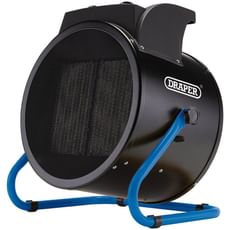
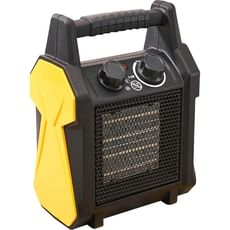
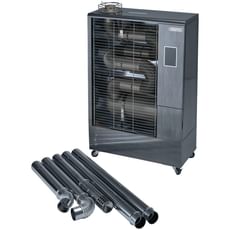
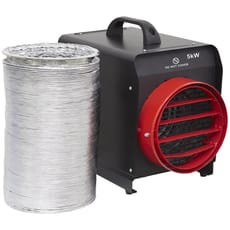




 Loading...
End of content
Error - No more pages to load
About Electric Heaters
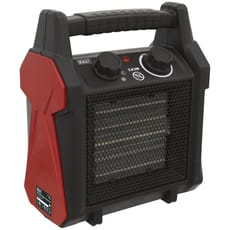
Electric heaters are essential heating solutions for workshops, garages, warehouses, construction sites, and domestic spaces where a reliable and portable heat source is needed. Unlike gas or diesel alternatives, electric heaters offer clean, fume-free operation, making them ideal for enclosed spaces where ventilation may be limited. From compact 2kW fan heaters perfect for small workshops to powerful 9kW industrial units capable of heating large commercial premises, electric heaters provide instant warmth at the flick of a switch.
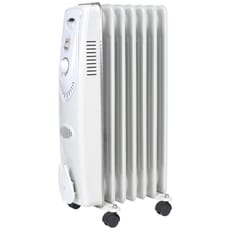
The comprehensive selection available from Tooled-Up.com includes convector heaters, ceramic fan heaters, PTC (Positive Temperature Coefficient) heaters, infrared cabinet heaters, and heavy-duty industrial space heaters from trusted manufacturers including Sealey, Draper, and Faithfull. Whether you're a tradesperson needing to maintain comfortable working conditions on site, a garage owner looking to heat your workspace during winter months, or a facilities manager responsible for warehouse heating, you'll find electric heaters suited to every application and budget.
Modern electric heaters come equipped with safety features such as overheat protection, tip-over switches, and adjustable thermostats for energy-efficient operation. With outputs ranging from compact 2kW models right up to powerful 9kW industrial units, and options including infrared technology for targeted heating and PTC ceramic elements for fast, efficient warmth, there's an electric heating solution to match every requirement and workspace size.
Jargon Buster
- PTC (Positive Temperature Coefficient): Self-regulating ceramic heating elements that automatically adjust their power consumption as they reach operating temperature, providing efficient, safe heating with built-in overheat protection.
- kW Rating: Kilowatt rating indicates the heater's power output and heating capacity. Generally, you need approximately 100W per square metre for well-insulated spaces, or 150W per square metre for poorly insulated areas.
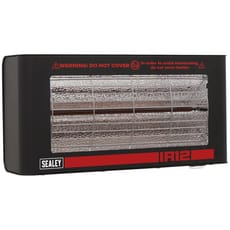
- Infrared Heating: Heating technology that warms objects and people directly rather than heating the air, making it more efficient in draughty environments and providing instant warmth where directed.
- Convector Heater: A heater that works by warming air which then rises and circulates around the room through natural convection currents, providing gentle, even heating throughout a space.
- IP Rating: Ingress Protection rating indicating the heater's resistance to dust and moisture. Essential for site work or damp environments where higher IP ratings (IP24 or above) are necessary.
- Thermostat Control: Automatic temperature regulation system that cycles the heater on and off to maintain your desired temperature, improving energy efficiency and preventing overheating.
Who Uses Electric Heaters?
- Construction Workers: Heating site cabins, drying out plaster and cement, maintaining workable conditions in unfinished buildings
- Motor Mechanics: Keeping workshops and garages comfortable during winter months for both staff and customers
- Warehouse Managers: Heating loading bays, storage areas, and packing facilities to maintain comfortable working conditions
- Joiners and Carpenters: Warming workshops where wood conditioning and adhesive curing require controlled temperatures
- Decorators and Plasterers: Speeding up drying times and maintaining optimal working temperatures for paint and plaster application
- Groundskeepers and Gardeners: Heating greenhouses, potting sheds, and outdoor working areas during cold weather
- Event Managers: Providing supplementary heating for marquees, temporary structures, and outdoor events
- Facilities Managers: Supplementing central heating in large commercial premises or heating specific work zones
- DIY Enthusiasts: Heating home workshops, sheds, and garages for comfortable hobby and project work
How to Choose the Right Electric Heaters
Calculate Your Heating Requirements: Measure your space and calculate the required wattage. As a rule of thumb, you'll need approximately 100W per square metre for insulated spaces or 150W per square metre for poorly insulated areas. A 2kW heater suits spaces up to 20m², whilst larger workshops may require 5kW or even 9kW models.
Consider Your Power Supply: Check your available electrical supply. Standard 13A plugs on 240v supply can handle up to 3kW. Higher-powered industrial heaters require 16A or 32A connections and appropriate wiring installed by a qualified electrician. Ensure your site's electrical capacity can handle your chosen heater's demands.
Select the Right Heating Technology: Fan heaters provide rapid heat circulation ideal for quick warm-ups. PTC ceramic heaters offer energy-efficient, self-regulating warmth. Infrared heaters excel in draughty environments by heating people and objects directly. Convector heaters provide gentle, even background heating. Match the technology to your specific application and environment.
Portability vs Permanent Installation: Lightweight fan heaters with carry handles suit mobile tradespeople moving between sites. Heavy-duty industrial models with floor stands work well for semi-permanent workshop installations. Wall-mounted infrared heaters maximise floor space in compact workshops whilst patio heaters provide outdoor heating solutions.
Safety Features: Look for overheat protection, tip-over switches, and thermal cut-outs, particularly important on busy sites. IP-rated models offer protection against dust and moisture ingress essential for construction sites. Models with cool-touch casings prevent accidental burns in high-traffic areas.
Running Costs: Consider energy efficiency features like adjustable thermostats and timers that reduce running costs by preventing unnecessary operation. PTC technology and thermostatic control help manage electricity consumption whilst maintaining comfortable temperatures throughout the working day.
Popular Accessories
- Extension Cables and Cable Reels: Heavy-duty 16A extension leads rated for high-power heating equipment, essential for site flexibility
- Thermostats and Timers: Plug-in thermostatic controls and programmable timers for automated, energy-efficient heating schedules
- Wall Mounting Brackets: Secure mounting hardware for permanent or semi-permanent installation of compatible heater models
- Protective Heater Guards: Safety grilles and protective caging for high-traffic areas to prevent accidental contact
- RCD Protection Devices: Residual current devices providing essential electrical safety protection, particularly important on construction sites
- Distribution Boards: Temporary power distribution units for connecting multiple heating units safely on larger sites
Safety Information
Electrical Safety: Always ensure your electric heater is connected to a properly earthed 240v supply with appropriate circuit protection. Use an RCD (Residual Current Device) for additional protection, particularly on construction sites or outdoor applications. Never exceed the rated capacity of your electrical circuits – consult a qualified electrician if upgrading supply is necessary.
Clearance and Ventilation: Maintain adequate clearance around heaters as specified in manufacturer instructions, typically 500mm minimum from combustible materials. Never cover heaters or obstruct air intake and outlet vents. Whilst electric heaters produce no fumes, ensure adequate ventilation in occupied spaces to prevent stuffiness and maintain air quality.
Safe Placement: Position heaters on stable, level surfaces away from walkways where they might be tripped over. Keep cables tidy and secured to prevent trailing hazards. Never position heaters where they might come into contact with water unless specifically rated for such use with appropriate IP ratings.
Regular Inspection: Regularly inspect heaters and power cables for damage, particularly on busy work sites. Check that safety features like tip-over switches and overheat protection are functioning correctly. Clean dust and debris from heaters regularly following manufacturer guidance, ensuring units are disconnected from power first.
HSE Compliance: Follow Health and Safety Executive guidelines for workplace heating, particularly regarding temporary electrical installations on construction sites. Ensure all equipment is PAT tested regularly and operated in accordance with site risk assessments and method statements.
Frequently Asked Questions
What size electric heater do I need for my workshop or garage?
Calculate your space in square metres and multiply by 100W for well-insulated spaces or 150W for poorly insulated areas. For example, a 5m x 4m garage (20m²) with good insulation needs approximately 2kW, whilst a draughty workshop of the same size might require 3kW. Consider ceiling height too – spaces over 3m high need additional capacity. It's generally better to slightly oversize than undersize for comfortable working conditions.
Can I run an electric heater from a standard 13A plug socket?
Standard UK 13A sockets on a 240v supply can safely handle heaters up to 3kW (3000W). Many compact and medium-sized electric heaters fall within this range and come with standard 13A plugs. Industrial heaters rated at 5kW, 9kW or higher require dedicated 16A or 32A connections with appropriate cabling installed by a qualified electrician. Always check the heater's power rating and your electrical supply capacity.
Are electric heaters expensive to run compared to other heating options?
Electric heaters convert nearly 100% of electricity into heat, making them highly efficient at point of use. Running costs depend on your electricity rate (typically 25-35p per kWh) and usage patterns. A 2kW heater costs approximately 50-70p per hour to run at full power. Using thermostatic controls and only heating when needed reduces costs significantly. Whilst electricity costs more than gas per kWh, electric heaters require no installation, servicing, or ventilation, making them cost-effective for intermittent or supplementary heating.
What's the difference between infrared and fan heaters?
Fan heaters warm the air and circulate it around the space, providing general ambient heating that's effective in enclosed areas but less efficient in draughty environments. Infrared heaters emit radiant heat that warms objects and people directly, similar to sunlight, making them ideal for spot heating, outdoor areas, or draughty workshops. Infrared provides instant warmth where directed, whilst fan heaters take longer to warm a space but provide more even temperature distribution throughout.
Do I need any special safety features for site work?
For construction sites and demanding environments, look for heaters with IP ratings (IP24 or higher) providing dust and moisture protection, robust construction to withstand site conditions, tip-over switches that cut power if knocked, and overheat protection. Browse the selection at Tooled-Up.com to find models with carrying handles and impact-resistant casings that suit mobile site work better than domestic-style heaters. Always use RCD protection, particularly with temporary electrical installations.