

Electricians Knives

Pay in 3 interest-free payments on purchases from £20-£3000 with  . Learn more.
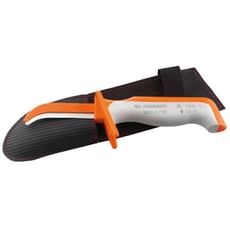
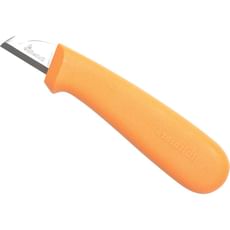
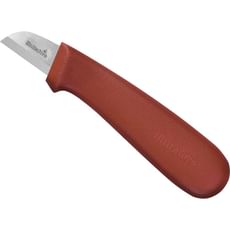
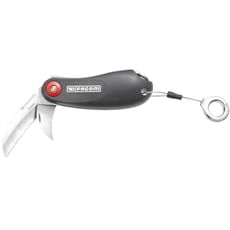

 Loading...
End of content
Error - No more pages to load
About Electricians Knives
Electricians knives are precision cutting tools engineered specifically for the demanding requirements of electrical installation and maintenance work. Unlike general-purpose utility knives, these specialised tools feature carefully designed blade profiles, ergonomic handles, and safety features that enable electricians to strip cable insulation, score sheathing, trim conductors, and prepare wiring with accuracy and control. Whether you're a qualified sparky working on domestic rewires, an industrial maintenance electrician, or a self-employed contractor tackling commercial installations, a quality electricians knife is an indispensable component of your professional toolkit.
The selection at Tooled-Up.com encompasses models from respected manufacturers including Knipex, Milwaukee, Facom, Draper, and Hultafors, each offering distinct characteristics suited to different applications. Available configurations range from compact folding pocket knives ideal for everyday carry to VDE-insulated cable knives rated for working near live circuits. Blade options include single straight edges for general cutting, hawkbill designs for controlled pulling cuts, twin-blade configurations combining multiple profiles, and specialist cable stripping patterns. Many professional electricians maintain several knife types to address the diverse cutting challenges encountered on site, from delicate data cable preparation to heavy-duty armoured cable work.
Professional-grade electricians knives are constructed to endure the rigours of daily commercial use, featuring hardened steel blades that retain sharp edges through repeated cutting cycles, comfortable grips that minimise hand fatigue during extended use, and robust construction capable of withstanding demanding environments across construction sites, industrial facilities, and domestic properties. Investing in purpose-built electricians knives rather than makeshift alternatives significantly improves work efficiency whilst reducing risks of conductor damage, personal injury, and the frustration associated with using inappropriate tools for specialised electrical tasks.
Jargon Buster
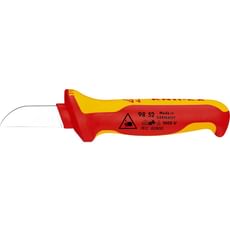
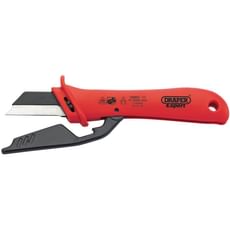
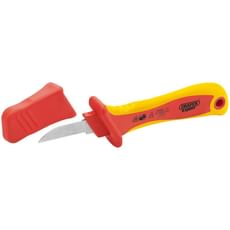
- VDE Insulated: Tools tested and certified to German VDE standards for electrical safety, typically rated to 1000V AC or 1500V DC. VDE-insulated knife handles provide essential protection when working on or near live 240v circuits, meeting stringent dielectric strength requirements and HSE best practice guidelines.
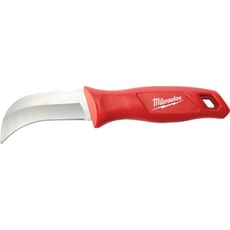
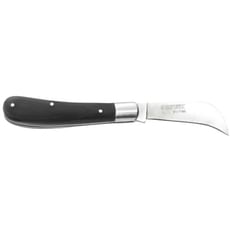
- Hawkbill Blade: A curved, hook-shaped blade profile enabling electricians to execute controlled pulling cuts through cable insulation and sheathing without risking damage to inner conductors. The inward curve delivers excellent control and significantly reduces the likelihood of blade slippage during stripping operations.
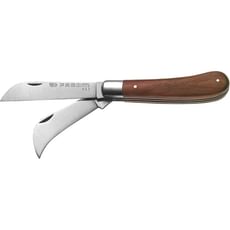
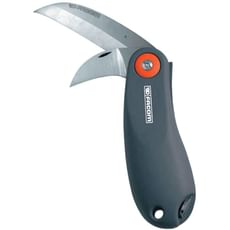
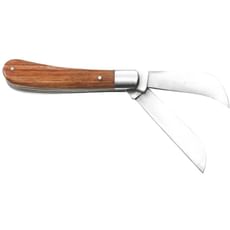
- Toucan Knife: A distinctive twin-blade folding design resembling a toucan's beak, combining both a primary straight cutting blade and a secondary hook blade in a compact, pocket-friendly format. This configuration has become popular amongst electricians for its versatility and convenient size.
- Cable Stripping Knife: A specialised knife featuring blade geometry optimised for removing outer cable sheathing and insulation layers without nicking or scoring copper conductors underneath. These typically incorporate rounded or hooked tips for safer operation and more controlled cutting depth.
- Armoured Cable Saw: A dedicated cutting tool designed to safely cut through the steel wire armour (SWA cable) found in armoured electrical cables, often featuring insulated handles and a raker-tooth blade profile specifically engineered for metallic sheathing penetration.
Who Uses Electricians Knives?
- Domestic Electricians: Qualified sparkies undertaking house rewires, consumer unit upgrades, and residential electrical installations
- Commercial Electricians: Professionals working on office fit-outs, retail installations, and commercial building electrical systems
- Industrial Electricians: Maintenance engineers and installation specialists in factories, warehouses, and manufacturing environments
- Electrical Contractors: Self-employed electricians and electrical contracting businesses of all scales
- Electrical Apprentices: Trainee electricians assembling their essential toolkit whilst learning the trade
- Maintenance Technicians: Multi-skilled engineers undertaking electrical repairs alongside other building maintenance duties
- Panel Builders: Specialists constructing electrical control panels and distribution boards
- Data and Communications Installers: Technicians working with low-voltage cabling, network installations, and telecommunications infrastructure
- Renewable Energy Installers: Solar PV installers and wind turbine technicians working with DC electrical systems
- Automotive Electricians: Specialists focusing on vehicle electrical systems and auto-electrical installations
How to Choose the Right Electricians Knives
Blade Configuration: Determine whether a single blade for specific tasks or a twin-blade design offering versatility better suits your requirements. Hawkbill blades excel at cable stripping with pulling cuts, whilst straight blades provide more general-purpose cutting capability. Toucan-style twin blade knives from manufacturers like Facom deliver excellent all-round functionality for electricians working across varied applications.
Insulation Rating: If you ever work on or near live circuits, VDE-insulated electricians knives constitute essential safety equipment. Models tested to 1000V AC with proper certification markings from brands like Knipex and Draper Expert provide crucial protection when working with 240v installations. Even when primarily working on isolated circuits, the additional safety margin offers valuable peace of mind and aligns with HSE best practice.
Handle Ergonomics: Electricians knives experience repeated use throughout working days, making ergonomic handle design critically important. Look for contoured grips with non-slip materials that remain comfortable during extended use and deliver secure handling even with greasy or wet hands—common conditions encountered on construction sites.
Blade Quality: Professional-grade electricians knives from established manufacturers such as Hultafors, Milwaukee, and Facom feature hardened steel blades maintaining sharp edges through heavy use. Budget alternatives quickly dull, requiring frequent sharpening and making cable stripping more difficult and potentially hazardous. Consider blade steel quality and whether replacement blades are readily available from Tooled-Up.com.
Folding versus Fixed Blade: Folding electricians knives offer safe pocket carry and compact storage in tool bags, making them popular amongst mobile electricians moving between jobs. Fixed blade designs typically provide more robust construction and quicker deployment but require proper sheaths for safe carrying.
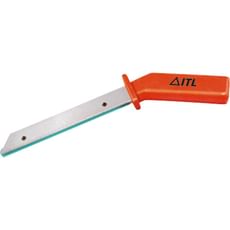
Specialist Features: Depending on typical work patterns, consider specialist features including integrated wire strippers, built-in screwdriver tips, cable score markings, or blade locks. Electricians regularly working with armoured cable will benefit from dedicated armoured cable saws or knives with appropriate cutting capability, such as the ITL Insulated Armour Saw.
Popular Accessories
- Wire Strippers: Automatic and manual wire strippers for precise conductor preparation without blade damage
- Cable Shears: Heavy-duty cutting tools for cleanly severing large cross-section cables
- Electricians Scissors: VDE-insulated scissors for cutting cable ties, flexible conduit, and cable markers
- Knife Pouches and Holsters: Safe carrying solutions protecting blades whilst providing quick access
- Sharpening Stones: Diamond stones and whetstones for maintaining optimal blade edges
- Insulation Tape: Essential consumable for every electrician's toolkit alongside cutting tools
- Cable Markers and Labels: Identification solutions used after cable preparation and installation
- Side Cutters: Complementary cutting tools from brands like Knipex for conductor trimming and snipping
- VDE Screwdriver Sets: Insulated screwdrivers complementing VDE-insulated knives for complete electrical safety
- Tool Storage Systems: Organised storage solutions from Milwaukee PACKOUT, DeWalt TSTAK, or Makita MakPac ranges
Safety Information
Electrical Safety Standards: When working on electrical installations, always isolate circuits at the consumer unit or distribution board before commencing cable stripping or cutting work. If working on or testing live 240v circuits is unavoidable, only use VDE-insulated electricians knives rated to at least 1000V AC and ensure you're competent and authorised to undertake live working. Comply with BS 7671 (18th Edition Wiring Regulations) and follow HSE guidance on electrical safety at all times.
Blade Safety and Handling: Electricians knives feature extremely sharp blades capable of causing serious lacerations. Always cut away from your body and keep hands positioned behind the cutting edge. When not in use, fold blades away or return knives to their sheaths immediately. Never leave open knives in pockets, toolboxes, or on work surfaces where they pose injury risks to yourself or colleagues working nearby.
Proper Cutting Technique: Employ controlled, deliberate cutting motions rather than excessive force, which can cause blades to slip and result in injuries or damaged cables. When stripping cable insulation, score the sheathing lightly rather than cutting deeply, which risks nicking conductors and creating potential failure points or safety hazards in the installation. Hawkbill blade profiles assist with this technique by naturally limiting cutting depth.
Tool Maintenance: Regularly inspect electricians knives for damage including chipped blades, cracked handles, or compromised insulation on VDE-rated tools. Damaged knives should be replaced immediately as they compromise both work quality and safety. Maintain blades clean and sharp—dull blades require excessive force and are more likely to slip during use, increasing injury risk.
Site Safety Awareness: Exercise particular caution when using electricians knives whilst working at height, on ladders, or in confined spaces where falls or injuries could have serious consequences. Ensure adequate lighting when cutting cables, and maintain awareness of your surroundings including other trades working nearby who might be affected by cutting operations or blade exposure.
Frequently Asked Questions
What distinguishes an electricians knife from a standard utility knife?
Electricians knives feature specialised blade profiles designed specifically for stripping cable insulation without damaging inner conductors—typically with curved, hooked, or specially ground edges. Many incorporate VDE insulation for electrical safety when working with 240v installations, ergonomic handles suited to repetitive cable preparation, and blade configurations (such as twin-blade designs) tailored to electrical installation work. Standard utility knives have straight blades optimised for general cutting tasks and lack the specialised features electricians require for safe, efficient cable work.
Is a VDE-insulated electricians knife truly necessary?
If you ever work on or near live electrical circuits, VDE-insulated tools constitute essential safety equipment and represent best practice in accordance with HSE guidance. Even electricians who primarily work on isolated circuits often choose VDE-rated knives for the additional safety margin they provide in case of unexpected contact with live conductors. For professional electricians, the modest additional cost of VDE-insulated tools available from Tooled-Up is insignificant compared to the potentially life-saving protection they offer.
How do I properly strip cable without damaging conductors?
Use a controlled technique where you lightly score around the cable sheathing circumference with a hawkbill or stripping blade, applying just enough pressure to cut through insulation without reaching conductors. Then score longitudinally along the cable length before peeling away the cut insulation. The hooked blade profile on proper electricians knives helps prevent the blade diving too deeply. Never cut straight down through cable sheathing or use excessive force, which inevitably damages conductors and creates potential failure points.
Which blade configuration offers greatest versatility for general electrical work?
Twin-blade electricians knives, particularly toucan-style designs from brands like Facom and Expert by Facom, offer excellent versatility by combining a straight blade for general cutting tasks with a hawkbill blade for cable stripping. This configuration reduces the need to carry multiple tools and provides flexibility for the varied cutting requirements encountered in electrical installation work, from opening packaging and cutting trunking to precise cable preparation and conductor trimming.
How frequently should I sharpen my electricians knife?
This depends on usage intensity and blade quality, but professional electricians typically touch up their knife edges weekly or whenever they notice increased cutting effort. Quality blades from manufacturers like Knipex, Hultafors, and Milwaukee maintain edges longer than budget alternatives. Regular light sharpening with a fine stone is preferable to allowing blades to become very dull, which requires aggressive resharpening that removes more blade material and shortens overall tool life.