

Electrodes

Pay in 3 interest-free payments on purchases from £20-£3000 with  . Learn more.
 Loading...
End of content
Error - No more pages to load
About Electrodes
Welding electrodes are essential consumables for arc welding processes, serving as the conductor through which electrical current passes to create the heat needed for joining metals. Whether you're working with MMA (Manual Metal Arc) welding or TIG (Tungsten Inert Gas) welding, selecting the appropriate electrodes is crucial for achieving strong, clean welds across a variety of materials and applications. These precision-engineered components determine the quality, strength, and appearance of your finished welds, making them fundamental to any welding operation.
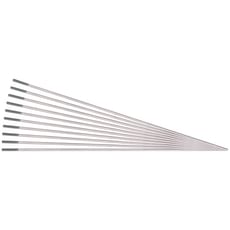
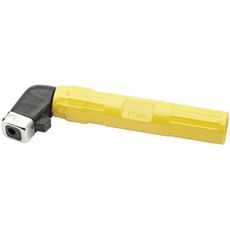
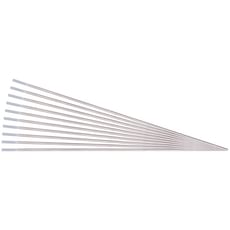
The electrode range at Tooled-Up.com includes both consumable stick electrodes for MMA welding and non-consumable tungsten electrodes for TIG work, alongside electrode holders for secure handling during operation. From general purpose welding electrodes suitable for mild steel fabrication to specialist electrodes designed for stainless steel, dissimilar metals, and hardfacing applications, the selection features trusted brands including Draper, Sealey, and Murex to meet the demands of professional welders and serious DIY enthusiasts alike.
The right electrode choice depends on several factors including the base material you're welding, the welding position, current type, and the mechanical properties required in the finished weld. This comprehensive selection covers various electrode classifications and specifications, ensuring you'll find the perfect match for your welding project, whether you're carrying out structural steel work, automotive repairs, or general fabrication tasks on site or in the workshop.
Jargon Buster
- MMA (Manual Metal Arc) Welding: Also known as stick welding or SMAW, this process uses a flux-coated consumable electrode that melts to form the weld. The flux coating creates a protective gas shield and slag layer over the weld pool, preventing atmospheric contamination.
- TIG (Tungsten Inert Gas) Welding: A precision welding process using a non-consumable tungsten electrode to produce the weld. The weld area is protected from atmospheric contamination by an inert shielding gas, typically argon, allowing for clean, high-quality welds on thin materials.
- Electrode Classification: A standardised numbering system (such as E6013 or E7018) that indicates the electrode's tensile strength, welding position capability, flux coating type, and suitable current type. Understanding these codes helps you select electrodes that match your specific application requirements.
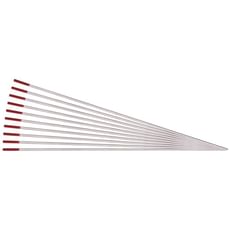
- Ceriated Tungsten: Tungsten electrodes containing cerium oxide, offering excellent arc starting characteristics and stability. Particularly suited for AC welding of aluminium and DC welding of steel at lower amperages, these thorium-free electrodes provide versatile performance across ferrous and non-ferrous materials.
- Hardfacing Electrodes: Specialised electrodes designed to deposit hard, wear-resistant material onto surfaces subject to abrasion, impact, or erosion. Used extensively in agricultural and mining applications to extend the working life of tools and equipment.
- Dinse Connection: A quick-release connector system commonly used on European welding equipment, allowing rapid changing of electrode holders and earth clamps without tools. Provides reliable electrical contact and durability in workshop and site environments.
Who Uses Electrodes?
Welding electrodes are indispensable for a wide range of trades and industries:
- Fabricators and Welders: Professional welding specialists working in workshops and on site who require reliable electrodes for structural steelwork, metal fabrication, and custom manufacturing projects.
- Maintenance Engineers: Tradespeople responsible for repairing and maintaining industrial equipment, agricultural machinery, and plant infrastructure where reliable weld repairs are critical to minimising downtime.
- Construction Workers: Site operatives carrying out structural steel installation, reinforcement work, and general metalwork on building projects requiring certified welding procedures.
- Automotive and Vehicle Technicians: Mechanics and body shop professionals performing chassis repairs, exhaust work, and custom modifications on cars, vans, and commercial vehicles.
- Agricultural Workers: Farmers and agricultural contractors who need to carry out field repairs on machinery and equipment, often in challenging outdoor conditions far from workshop facilities.
- DIY Enthusiasts: Home metalworkers and hobbyists undertaking garden projects, restoration work, and general repairs around the property, from gate repairs to trailer modifications.
- Pipeline and Pressure Vessel Welders: Specialists working to exacting standards in industries requiring certified welding procedures, where electrode selection is critical to structural integrity.
How to Choose the Right Electrodes
Selecting the appropriate welding electrodes requires consideration of several key factors:
Base Material: Match your electrode to the material you're welding. General purpose electrodes work well for mild steel, whilst stainless steel requires specific E316 or E308 electrodes to maintain corrosion resistance. For dissimilar metals, specialist E312 electrodes ensure proper fusion and prevent cracking. Cast iron, aluminium, and other specialised materials each require their own electrode types.
Electrode Diameter: Thicker materials require larger diameter electrodes (typically ranging from 1.6mm to 5mm). Smaller diameters provide better control for thin sheet metal and positional welding, whilst larger electrodes suit higher current settings and faster deposition rates for heavy fabrication work.
Welding Position: Check the electrode classification to ensure it's suitable for your working position. Some electrodes are optimised for flat and horizontal positions only, whilst all-position electrodes offer greater versatility for vertical and overhead work commonly encountered on site installations.
Current Type and Polarity: Verify whether your welding machine provides AC, DC, or both, and select electrodes compatible with your available current. Most modern inverter welders running from 240v supply offer both AC and DC output, but some electrodes perform better with specific polarities.
Tungsten Type for TIG: For TIG welding, choose between thoriated (excellent for DC work but contains radioactive material), ceriated (versatile for AC and DC applications), or zirconiated (ideal for AC aluminium welding) tungsten electrodes based on your application and material requirements.
Flux Coating: Different flux coatings affect arc characteristics, penetration depth, and slag removal. Rutile-coated electrodes offer smooth arc and easy slag removal suitable for general work, whilst basic-coated types provide superior mechanical properties for critical structural applications.
Popular Accessories
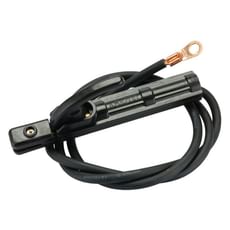
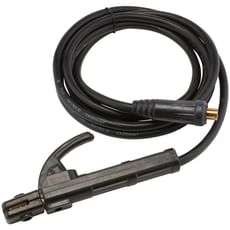
- Electrode Holders: Essential for safely gripping stick electrodes during MMA welding, available in various amperage ratings with twist-grip or direct-fit mechanisms including Dinse connections.
- Welding Gloves: Heat-resistant gauntlets providing protection from sparks, spatter, and hot metal during welding operations, with reinforced palm and finger areas for durability.
- Wire Brushes: For removing slag, spatter, and cleaning weld beads between passes to ensure proper fusion on multi-pass welds.
- Chipping Hammers: Designed specifically for removing slag deposits from completed welds, featuring chisel and point ends for different applications.
- Welding Screens and Curtains: Protection barriers to shield others from harmful arc flash and UV radiation in shared workshop environments.
- Earth Clamps: Secure connection to the workpiece to complete the welding circuit, available in various sizes to match your electrode holder capacity.
- Electrode Storage Containers: Moisture-proof storage solutions to keep electrodes dry and maintain their welding characteristics, particularly important for low-hydrogen electrodes.
- Auto-Darkening Welding Helmets: Essential PPE providing eye and face protection with instant shade adjustment, eliminating the need to flip helmets between welds.
Safety Information
Welding with electrodes presents several hazards that require appropriate precautions in accordance with HSE guidelines:
Eye Protection: Always use an approved welding helmet with appropriate shade rating (typically shade 10-12 for arc welding) to protect against intense UV and infrared radiation. Arc flash can cause serious eye damage including arc eye (welder's flash) even from brief exposure. Never observe arc welding without proper filtered protection.
Fume Extraction: Welding generates hazardous fumes and gases that can cause respiratory problems with prolonged exposure. Ensure adequate ventilation or use local exhaust ventilation (LEV) systems, particularly when working with stainless steel, galvanised materials, or in confined spaces. Follow COSHH regulations regarding exposure to welding fumes and arrange regular health surveillance where appropriate.
Personal Protective Equipment: Wear flame-resistant clothing, leather welding gloves, safety boots with metatarsal protection, and ensure no skin is exposed. Remove all flammable materials from your person including lighters and petroleum-based products. Avoid synthetic fabrics that can melt when exposed to spatter.
Electrical Safety: Inspect electrode holders and welding cables regularly for damage to insulation and connections. Never change electrodes with wet gloves, and ensure your welding machine is properly earthed and suitable for the site conditions. Be especially cautious when working in damp or confined spaces where electric shock risk increases. Use voltage reduction devices (VRDs) where appropriate.
Fire Prevention: Keep a suitable fire extinguisher nearby and clear the working area of all combustible materials. Welding sparks can travel considerable distances—up to 10 metres—and ignite materials hours after work has finished. Assign a fire watch when working near combustibles and check the area thoroughly after completing work.
Frequently Asked Questions
What's the difference between AC and DC electrodes?
Some electrodes are designed specifically for AC (alternating current) or DC (direct current), whilst others work with both. DC electrodes generally provide deeper penetration and are easier to strike, making them popular for general fabrication on mild steel. AC-capable electrodes are often used for TIG welding of aluminium, as the alternating current provides a cleaning action that removes surface oxides. Always check the electrode packaging to ensure compatibility with your welding machine's output—most modern inverter welders running from 240v supply offer both options.
How should I store welding electrodes?
Keep electrodes in a dry environment, ideally in their original sealed packaging until use. Moisture absorption can compromise the flux coating, leading to porosity, hydrogen cracking, and poor weld quality. If electrodes have been exposed to damp conditions, some types (particularly low-hydrogen E7018 varieties) may require re-drying in an electrode oven at specified temperatures—typically 150-260°C depending on the electrode type—before use. Professional welders often use heated storage cabinets to maintain electrodes at optimal moisture levels.
What do the numbers in electrode classifications mean?
The AWS classification system (e.g., E6013) provides key information: the 'E' indicates electrode for arc welding, the first two digits show minimum tensile strength in thousands of PSI (60 = 60,000 PSI or approximately 415 MPa), the third digit indicates suitable welding positions (1 = all positions, 2 = flat and horizontal only), and the fourth digit describes the coating type, current compatibility, and penetration characteristics. Understanding these codes helps you select the right electrode for your specific application and welding position requirements.
Can I use the same electrodes for all types of steel?
No, different steel types require appropriate electrodes to maintain the metallurgical properties of the base material. General purpose electrodes (E6013 or E7018) work well for mild steel fabrication, but stainless steel requires specific stainless steel electrodes (E316, E308, E309, etc.) to maintain corrosion resistance and mechanical properties. Welding dissimilar metals needs specialist electrodes like E312 that are formulated to join different alloy compositions. Using incorrect electrodes can result in weak welds, stress cracking, galvanic corrosion, or loss of material properties.
How long do tungsten electrodes last?
Unlike consumable stick electrodes, tungsten electrodes for TIG welding are designed to last through many welds without significant material loss. Their lifespan depends on amperage settings, material being welded, electrode diameter, and whether you're using AC or DC current. With proper use and periodic re-sharpening or cleaning of the tip to maintain the correct point geometry, a single tungsten electrode can last for weeks or months of regular use, making them cost-effective for precision welding applications despite higher initial cost compared to consumable electrodes.