

Emergency Power Packs
Pay in 3 interest-free payments on purchases from £30-2000 with  . Learn more.
 Loading...
End of content
Error - No more pages to load
About Emergency Power Packs
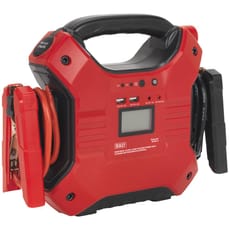
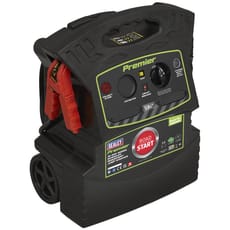
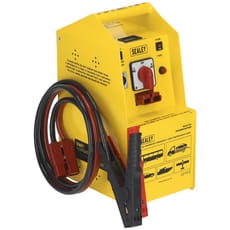
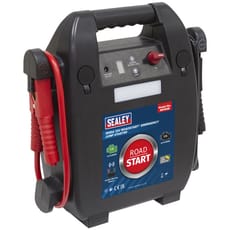
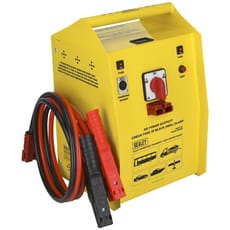
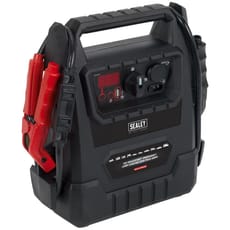
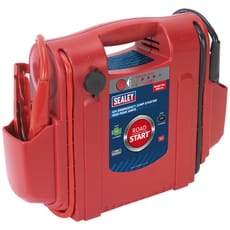
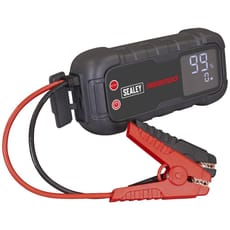
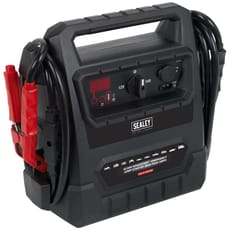
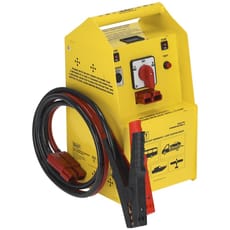
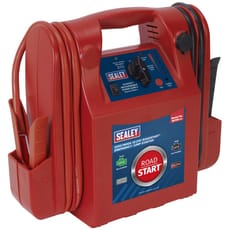
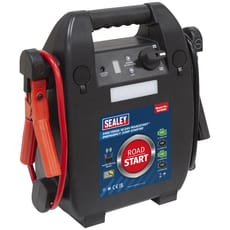
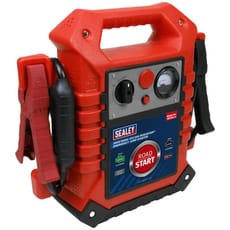
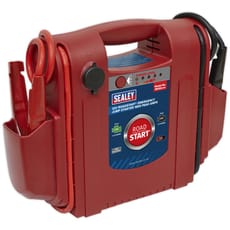
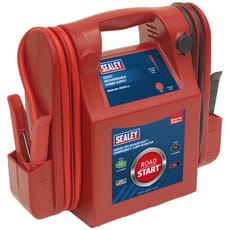
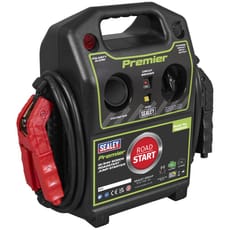
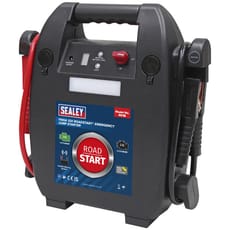
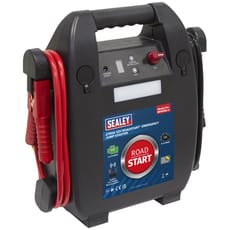
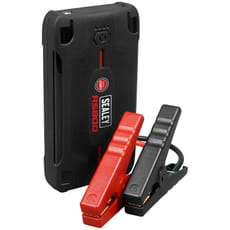
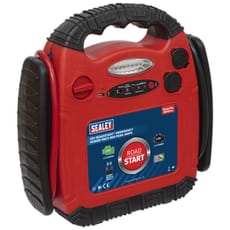
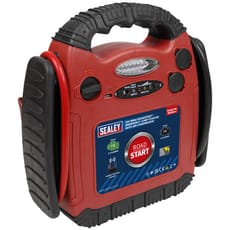
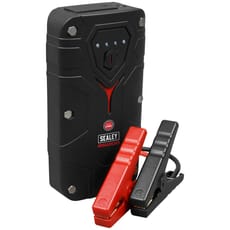
Emergency power packs, also known as jump starters or roadstart units, are portable battery-powered devices designed to jump-start vehicles with flat or depleted batteries without requiring another vehicle. These compact, self-contained units have become essential equipment for tradespeople, fleet operators, and vehicle owners across the UK, providing a reliable solution when you're stranded with a dead battery on site, at home, or on the roadside. Modern emergency power packs combine traditional jump-starting capabilities with additional features such as USB charging ports, LED work lights, and integrated air compressors for inflating tyres.
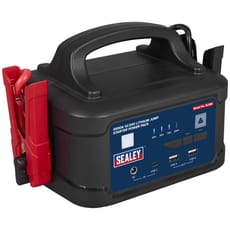
The selection available from Tooled-Up.com includes reliable models from trusted brands including Sealey, Draper, and Einhell, offering starting currents from 500A up to 4400A to suit everything from small petrol cars to heavy-duty commercial vehicles and plant machinery. Whether you need a compact unit for occasional use or a heavy-duty professional model for daily workshop or roadside assistance work, you'll find power packs suitable for both 12V and 24V battery systems. Many models feature advanced lithium-ion technology, making them significantly lighter and more compact than traditional lead-acid jump starters whilst maintaining impressive cranking power.
Beyond simple jump-starting, today's emergency power packs have evolved into versatile multi-function tools. Many include built-in USB outlets for charging mobile phones and tablets, LED torches and emergency hazard lights for roadside visibility, and even air compressors with digital pressure gauges. This makes them invaluable not just for vehicle emergencies, but as general-purpose power sources for tradespeople working in remote locations or on sites without 240v mains electricity access.
Jargon Buster
- Peak Amps (A)
- The maximum current the power pack can deliver for a very short burst when initially attempting to start a vehicle. Peak amps typically range from 400A to over 4000A, with higher values needed for larger engines or diesel vehicles.
- Cranking Amps
- The sustained current the unit can deliver whilst actually turning over an engine. This is typically lower than peak amps but gives a more realistic indication of starting power, especially important for diesel engines which require more power to crank.
- Battery Technology (Lithium-ion vs Lead-acid)
- Modern lithium-ion power packs are significantly lighter, hold charge longer, and maintain performance in cold conditions better than traditional sealed lead-acid (SLA) batteries, though SLA units are often more affordable for high-capacity professional models.
- Engine Displacement Rating
- Manufacturers typically specify the maximum engine size a power pack can start, expressed in litres (e.g., "up to 6.0L petrol or 3.0L diesel"). Always choose a unit rated above your largest vehicle's engine size for reliable starting.
- Reverse Polarity Protection
- A critical safety feature that prevents damage and sparking if the positive and negative clamps are accidentally connected to the wrong battery terminals, protecting both the power pack and the vehicle's electrical system.
- 12V/24V Compatibility
- Whilst most cars and light commercial vehicles use 12V electrical systems, larger trucks, HGVs, agricultural equipment, and plant machinery typically operate on 24V systems, requiring a compatible power pack.
Who Uses Emergency Power Packs?
- Mobile mechanics and auto electricians who need reliable jump-starting equipment for roadside callouts and workshop diagnostics
- Fleet managers and transport companies maintaining multiple vehicles and reducing downtime from battery failures
- Construction site managers and plant operators keeping machinery and site vehicles operational in remote locations
- Agricultural workers and farmers managing tractors, utility vehicles, and equipment across large properties without easy access to mains power
- Breakdown recovery and roadside assistance professionals who jump-start multiple vehicles daily
- Landscape gardeners and grounds maintenance teams operating petrol-powered equipment and vehicles across various locations
- Caravan and motorhome owners requiring backup power for leisure battery charging and emergency starting
- Taxi and courier drivers who cannot afford vehicle downtime and need immediate self-recovery solutions
- HGV drivers and haulage firms requiring heavy-duty 24V power packs for large diesel engines
- DIY enthusiasts and home mechanics maintaining their own vehicles and wanting independence from breakdown services
How to Choose the Right Emergency Power Packs
Match the voltage and capacity to your vehicles: Ensure you select a 12V unit for cars and light vans, or a 24V model for HGVs and heavy plant equipment. Check the power pack's engine displacement rating against your largest vehicle – diesel engines particularly require higher cranking amps than equivalent petrol engines. For professional use across mixed fleets, consider a model offering both 12V and 24V operation.
Consider peak and cranking amps carefully: Whilst manufacturers prominently display peak amp ratings, the cranking amps figure gives a more realistic indication of starting power. A minimum of 400-600A cranking current suits most small petrol cars, whilst large SUVs, vans, and diesel vehicles benefit from 1000A or higher. Professional mechanics and fleet operators should look at models offering 2000A+ for reliable starting in all conditions.
Evaluate battery technology and portability: Lithium-ion power packs offer exceptional power-to-weight ratios and can be genuinely pocket-sized, making them ideal for keeping in the glovebox or toolkit. They also hold charge for months and work better in cold weather. However, traditional sealed lead-acid power packs remain popular for heavy-duty professional applications, offering higher capacity at lower cost, often with built-in trolley handles and wheels for workshop use.
Assess additional features and functionality: Browse the selection at Tooled-Up.com to find units that include USB charging ports (standard USB-A and USB-C), LED work lights, emergency flashers, and integrated air compressors with digital pressure gauges. For tradespeople working on remote sites, these multi-function units eliminate the need to carry separate devices. Look for models with 240v mains charging capability and ideally a 12V vehicle charging socket for recharging between jobs.
Check safety features and build quality: Essential safety features include reverse polarity protection, over-charge protection, short-circuit protection, and spark-proof clamps. Professional-grade units from brands like Sealey often include heavy-duty cases, clearly marked gauges showing charge status, and robust clamps with strong springs. Consider IP-rated weather resistance if the unit will be stored in vans or used outdoors regularly.
Think about frequency of use and warranty: Occasional home users can opt for compact lithium models with moderate capacity, whilst professional mechanics, recovery operators, and fleet workshops need heavy-duty units designed for multiple daily starts. Check the manufacturer's warranty period and cycle life ratings – quality power packs should provide hundreds of jump-starts over several years with proper maintenance.
Popular Accessories
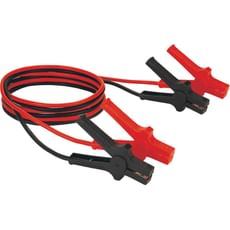
- Replacement jump leads and clamps – heavy-duty copper cables and professional clamps for worn or damaged connections
- Extension charging cables – longer mains leads for workshop charging convenience
- 12V vehicle charging adapters – for recharging the power pack from your vehicle's cigarette lighter socket whilst driving
- Protective carry cases and storage bags – weather-resistant cases to protect units stored in vans or outdoor environments
- Battery testers and multimeters – diagnostic tools to assess vehicle battery condition and charging system health
- Tyre inflators and pressure gauges – if not built into your power pack, separate air compressors for complete roadside assistance capability
- USB charging cables and adapters – to utilise the power pack's USB outputs for mobile devices and tablets
- LED work lights and inspection lamps – additional lighting for working on vehicles in poor visibility conditions
Safety Information
Always follow correct jump-starting procedures: Ensure both the power pack and vehicle are switched off before connecting. Attach the positive (red) clamp to the positive battery terminal first, then connect the negative (black) clamp to a suitable earth point on the vehicle's chassis or engine block, away from the battery and fuel system. Never connect the negative clamp directly to the negative battery terminal as this risks sparking near battery gases. Once connected, switch on the power pack, attempt to start the vehicle, then immediately switch off the power pack and disconnect in reverse order.
Maintain your power pack correctly: Keep the unit fully charged when in storage – most manufacturers recommend recharging every 3-6 months even when not in use to prevent battery degradation. Store in a cool, dry location away from direct sunlight and extreme temperatures. Never attempt to jump-start a visibly damaged, leaking, or frozen battery, as this presents serious safety risks including explosion or acid burns. Follow HSE guidance when working with batteries in professional environments.
Understand capacity limitations: Do not exceed the power pack's rated engine size or attempt multiple consecutive starts without allowing cooling time. If a vehicle fails to start after 3-4 attempts, the issue likely requires professional diagnosis rather than repeated jump-starting, which can damage both the power pack and vehicle electrical systems. Always wear appropriate PPE including safety glasses when working with batteries, and ensure adequate ventilation in enclosed spaces.
Frequently Asked Questions
How long does a fully charged emergency power pack hold its charge?
This depends on the battery technology. Modern lithium-ion power packs typically retain charge for 6-12 months when stored properly, whilst traditional sealed lead-acid models generally need recharging every 3 months. Environmental factors affect this – units stored in cold garages or hot vans will self-discharge faster. Most quality power packs include charge level indicators, and it's good practice to check and top up charge monthly if the unit is kept for emergency use rather than regular professional application.
Can I use a 12V power pack to jump-start a 24V vehicle?
No, you cannot safely use a 12V power pack on a 24V system. HGVs, large agricultural equipment, and some commercial vehicles use 24V electrical systems which require either a dedicated 24V power pack or a switchable unit offering both voltages. Using incorrect voltage risks damaging both the power pack and the vehicle's electrical system. Always check your vehicle's handbook or battery labels if unsure – 24V systems typically have two 12V batteries connected in series.
How many times can I jump-start vehicles on a single charge?
This varies considerably based on the power pack's capacity, the size of engines being started, and ambient temperature. A typical lithium power pack might provide 20-30 starts for small petrol cars but only 3-5 starts for large diesel vans. Professional heavy-duty lead-acid models offer more starts but are significantly larger. Cold weather substantially reduces capacity – you might get half as many starts at -10°C compared to +20°C. For professional use, it's wise to recharge after every job to ensure readiness.
What's the difference between peak amps and cranking amps?
Peak amps represent the absolute maximum current the power pack can deliver for a fraction of a second – an impressive number manufacturers like to highlight. Cranking amps (or continuous amps) indicate the sustained current available whilst actually turning the engine over, which is the more important figure for real-world starting ability. A unit might claim 2000 peak amps but only deliver 400 cranking amps. Always check both specifications, focusing on cranking amps to match your engine requirements.
Do emergency power packs work in freezing conditions?
Lithium-ion power packs generally perform much better in cold weather than traditional lead-acid units, maintaining more of their capacity down to -20°C. However, all battery technologies lose some performance in freezing conditions, which is unfortunately when you're most likely to need jump-starting assistance. For professional use in winter or cold climates, choose a unit with higher capacity than the minimum requirement, and ideally store it in a heated cab or workshop rather than leaving it in an unheated van overnight.