

Emery Cloth
Pay in 3 interest-free payments on purchases from £30-2000 with  . Learn more.
 Loading...
End of content
Error - No more pages to load
About Emery Cloth
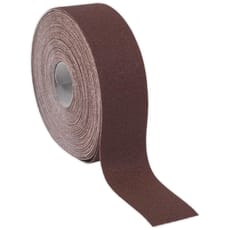
Emery cloth is a versatile abrasive material consisting of emery particles bonded to a flexible cloth backing, making it an essential tool for metalworking, fabrication, and general surface preparation tasks. Unlike sandpaper, which is designed primarily for wood, emery cloth is specifically engineered for working with metals, offering superior durability and flexibility that allows it to conform to curved surfaces, pipes, and intricate shapes. Available in rolls, sheets, and pre-cut sizes, emery cloth provides tradespeople and DIY enthusiasts with a reliable solution for removing rust, smoothing welds, deburring edges, and achieving professional finishes on ferrous and non-ferrous metals.
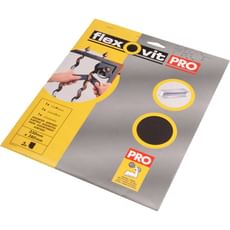
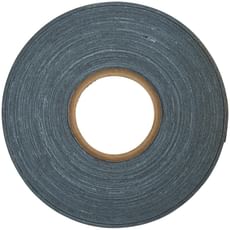
Tooled-Up.com stocks a comprehensive range of emery cloth products from trusted brands including Sealey, Draper, Faithfull, and Flexovit. The selection includes both blue twill and brown backed options in various grit sizes, allowing you to choose the right level of abrasiveness for your specific application. Whether you're working in automotive repair, engineering, plumbing, or general metalwork, emery cloth delivers consistent results and excellent value, with the cloth backing providing far greater tear resistance than paper alternatives when working with oils, coolants, and metal particles.
The flexible nature of emery cloth makes it particularly valuable for hand-sanding applications where power tools cannot reach or would remove too much material. Professional tradespeople appreciate its ability to work wet or dry, making it suitable for use with cutting oils and lubricants that help extend the cloth's life whilst preventing heat build-up during aggressive material removal. From fine finishing work requiring 400-grit precision to heavy-duty rust removal demanding coarser grades, emery cloth remains an indispensable workshop consumable.
Jargon Buster
- Grit Size
- The numerical rating indicating the coarseness of the abrasive particles, with lower numbers (40-80) representing coarse grades for heavy material removal, and higher numbers (180-400+) indicating fine grades for finishing and polishing work.
- Emery
- A naturally occurring granular mineral composed primarily of corundum (aluminium oxide) mixed with iron oxide, which gives it excellent cutting properties on metal surfaces and its characteristic dark colour.
- Blue Twill Backing
- A durable cloth backing material with a diagonal weave pattern that provides superior flexibility and tear resistance, particularly valued for hand-sanding curved surfaces and pipe work.
- Aluminium Oxide
- A synthetic abrasive often used in modern emery cloth manufacturing that offers consistent particle size, sharp cutting edges, and excellent durability for metalworking applications.
- Wet and Dry
- Refers to emery cloth's capability to be used with or without lubricants or water, allowing for versatile application methods depending on the material and desired finish.
- Deburring
- The process of removing sharp edges, ridges, or rough areas left on metal after cutting, drilling, or machining operations, where emery cloth excels due to its conformability.
Who Uses Emery Cloth?
Emery cloth is an essential consumable across numerous trades and industries where metalworking is involved:
- Fabricators and Welders: For cleaning welds, removing scale, and preparing metal surfaces before welding or coating
- Motor Mechanics and Auto Body Specialists: Ideal for removing rust, smoothing bodywork repairs, and preparing surfaces for painting
- Plumbers and Heating Engineers: Essential for cleaning and polishing copper pipes and fittings before soldering or compression joints
- General Engineers and Machinists: Used for deburring machined parts, removing tool marks, and achieving specified surface finishes
- Maintenance Fitters: For general metalwork maintenance, removing corrosion, and surface preparation on machinery and equipment
- Knife Makers and Blade Smiths: For shaping, finishing, and polishing blades during the manufacturing process
- Jewellers and Silversmiths: Fine grades are invaluable for finishing precious metals and achieving mirror-like polishes
- DIY Enthusiasts and Hobbyists: Perfect for home workshop projects involving metal restoration, garden tool maintenance, and general metalcraft
How to Choose the Right Emery Cloth
Selecting the appropriate emery cloth for your task ensures efficient material removal and the desired surface finish:
Grit Selection: Begin with understanding your application requirements. Coarse grits (40-80) remove material quickly and are ideal for heavy rust removal, paint stripping, and initial shaping work. Medium grits (100-150) provide balanced cutting and finishing capabilities for general metalwork. Fine grits (180-320) produce smooth surfaces ready for painting or further finishing, whilst extra-fine grades (400+) create polished finishes suitable for visible surfaces.
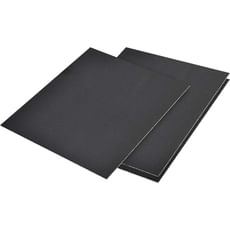
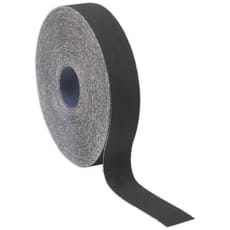
Format and Size: Emery cloth rolls offer excellent value for high-volume users and can be cut to custom lengths, making them economical for workshops and fabrication shops. Pre-cut sheets, typically 230mm x 280mm, provide convenience for occasional users and specific applications. Consider the surface area you'll be working on and whether you need the flexibility to tear custom sizes.
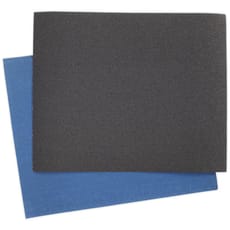
Backing Material: Blue twill backing is generally more flexible and durable, making it the preferred choice for hand-sanding curved surfaces, pipes, and intricate shapes. Brown backing tends to be slightly stiffer and may suit flat surface work. Both types offer excellent tear resistance compared to paper-backed abrasives.
Application Method: If you're planning to use lubricants, cutting oils, or work in wet conditions, ensure you select emery cloth specifically rated for wet use. For dry applications, standard emery cloth performs admirably and often lasts longer when kept dry between uses.
Brand and Quality: Professional brands like Sealey, Draper, Faithfull, and Flexovit available at Tooled-Up offer consistent grit sizing and reliable bonding that prevents premature abrasive loss, ultimately providing better value despite potentially higher initial costs compared to budget alternatives.
Popular Accessories
Enhance your metalworking capabilities with these complementary products:
- Sanding Blocks: Provide a firm, flat surface for even material removal and prevent finger fatigue during extended sanding sessions
- Wire Brushes: Ideal for initial rust and scale removal before progressing to emery cloth for finer finishing
- Metal Files: Work alongside emery cloth for shaping and deburring metalwork projects
- Cutting Oils and Lubricants: Extend emery cloth life, reduce heat build-up, and improve surface finish quality
- Work Gloves: Protect hands during extended sanding operations whilst maintaining sensitivity and control
- Safety Glasses: Essential eye protection against metal particles dislodged during abrasive work
- Dust Masks: Respiratory protection when working with metals that produce fine particles, particularly important for enclosed spaces
- Degreasing Agents: Prepare metal surfaces before sanding and clean finished work ready for coating or assembly
Safety Information
Whilst emery cloth is a relatively safe abrasive tool, observing proper safety practices ensures your wellbeing during metalworking tasks:
Personal Protective Equipment: Always wear safety glasses or goggles to protect against metal particles and debris dislodged during sanding. When working with metals that produce fine dust, particularly aluminium, stainless steel, or when removing old paint that may contain harmful substances, wear an appropriate dust mask or respirator conforming to HSE guidelines. Work gloves provide protection against sharp edges and reduce hand fatigue, though ensure they fit well to maintain control.
Ventilation: Ensure adequate ventilation in your workspace, particularly when sanding metals that produce fine particles or when removing coatings, paints, or rust that may contain hazardous materials. Extract dust at source where possible, especially in enclosed workshops.
Material Awareness: Be conscious of the material you're working with. Some metals and coatings can produce harmful dust particles. Lead-based paints on older metalwork require special precautions under COSHH regulations. If working with beryllium copper, galvanised steel, or other specialised alloys, consult the relevant safety data sheets.
Fire Prevention: Metal particles and dust can be flammable. Keep your work area clean and dispose of used emery cloth and metal debris in appropriate metal containers, particularly when working with magnesium or other reactive metals.
Frequently Asked Questions
What's the difference between emery cloth and sandpaper?
Emery cloth is specifically designed for metalworking with a durable cloth backing that withstands the rigours of metal particles and can be used with lubricants. Sandpaper has a paper backing better suited to wood and typically cannot be used wet. The abrasive particles in emery cloth are also harder and more suitable for cutting through metal surfaces.
Can I use emery cloth on wood?
Whilst emery cloth can technically sand wood, it's not the optimal choice. The abrasive particles are designed for metal and tend to be harder and more expensive than necessary for woodworking. Standard sandpaper or aluminium oxide abrasives will provide better results and value when working with timber.
Which grit should I start with for removing rust?
For heavy rust removal, begin with a coarse grit between 60-80, which will cut through corrosion efficiently. Progress through medium grits (100-120) to remove scratches left by the coarse grade, then finish with fine grits (180-240) for a smooth surface. Always work through progressive grits rather than jumping from very coarse to very fine.
How long does emery cloth last?
Longevity depends on the application, pressure applied, and material being worked. Emery cloth generally outlasts sandpaper on metalwork due to its durable cloth backing and harder abrasive particles. Using lubricants can significantly extend its life. When the abrasive particles become worn smooth or the cloth backing tears, it's time to replace it.
Should I use emery cloth wet or dry?
This depends on your application. Dry sanding is faster for material removal and suitable for most general work. Wet sanding with water or cutting oil reduces dust, prevents heat build-up, produces finer finishes, and extends the cloth's life. For final finishing work or when working with softer metals like aluminium that can clog the abrasive, wet sanding often produces superior results.