

End Cutters
Pay in 3 interest-free payments on purchases from £30-2000 with  . Learn more.
 Loading...
End of content
Error - No more pages to load
About End Cutters
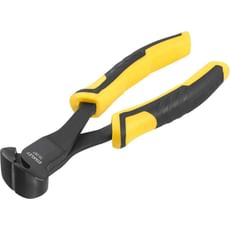
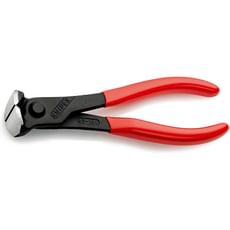
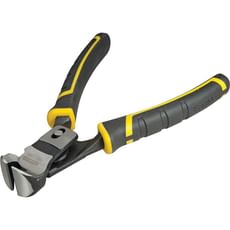
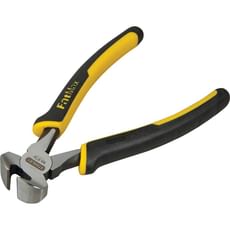
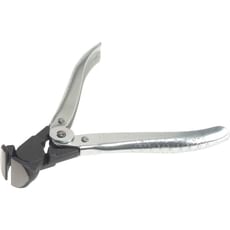
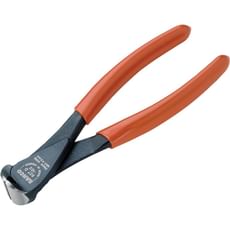
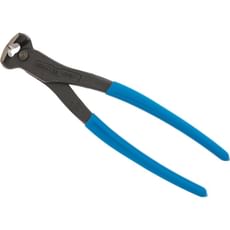
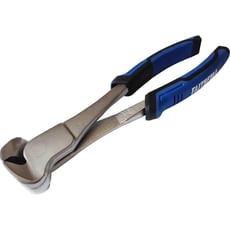
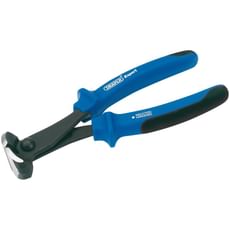
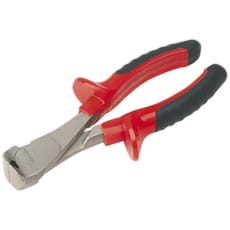
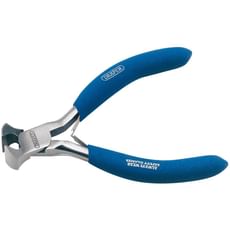
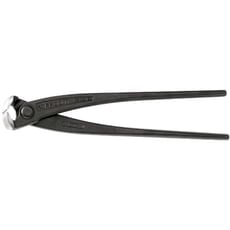
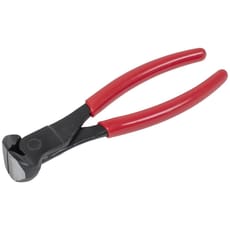
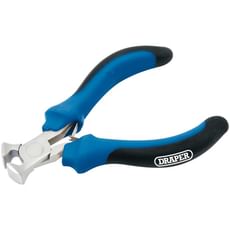
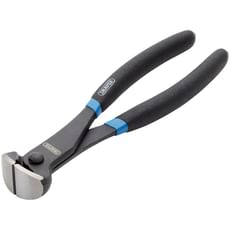
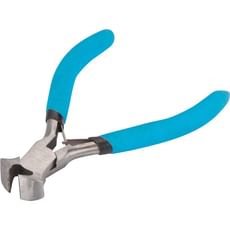
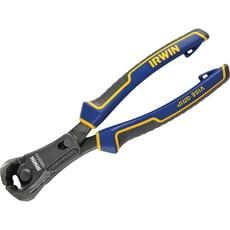
End cutters, also known as end cutting pliers or nippers, are specialised hand tools designed for cutting wire, nails, rivets, and cable ends flush to a surface. Unlike side cutters which have jaws positioned at an angle to the handles, end cutters feature cutting edges that are perpendicular to the handles, allowing you to snip materials close to a flat surface without marking or damaging it. This unique design makes them indispensable for precision cutting work where access is restricted or a clean, flush finish is required.
The selection at Tooled-Up.com includes end cutters from trusted manufacturers including Knipex, Bahco, Stanley, Facom, Draper, Sealey, and Channellock. Available models range from compact mini end cutters for detailed work to heavy-duty designs capable of cutting through steel rebar and thick gauge wire. Many feature soft grip handles for comfortable extended use, whilst specialist options include VDE-insulated models for electrical work and high-leverage designs that multiply your cutting force for tougher materials.
Whether you need standard carbon steel end cutting pliers for general workshop tasks, precision nippers for electronics work, or robust concrete fixers' cutters for construction sites, there's an end cutter suited to every cutting challenge. Sizes typically range from miniature 100mm models up to heavy-duty 200mm versions, covering all professional and DIY requirements.
Jargon Buster
- Flush Cutting
- The ability to cut materials level with a surface without leaving protruding ends or causing damage to the workpiece. This is the primary advantage of end cutters over other plier types.
- Cutting Capacity
- The maximum diameter or gauge of material the tool can cut through, usually specified separately for soft wire (copper), medium wire (steel), and hard wire. Typically measured in millimetres for round stock.
- High Leverage/Compound Action
- A mechanical advantage built into the tool's design that multiplies the force you apply, making it easier to cut through tough materials like piano wire or steel rod.
- Induction Hardened
- A heat treatment process that hardens the cutting edges of the jaws, significantly extending their lifespan and maintaining sharpness even when cutting hard materials like nails and rivets.
- VDE/GS Insulated
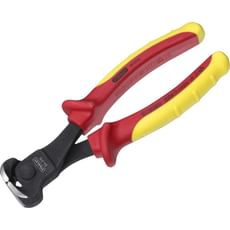
- Tools tested and certified to 1000V AC for safe use on or near live electrical circuits, meeting strict European safety standards. Essential for electricians working on live installations up to 240v mains voltage.
- Box Joint Construction
- A robust joint design where the two halves of the pliers interlock, providing superior strength and precision compared to simpler lap joints, particularly important for heavy-duty applications.
Who Uses End Cutters?
End cutters are versatile tools used across numerous trades and applications:
- Electricians: Cutting cable ties, trimming wire ends in consumer units, and removing old cable fixings flush to walls
- Carpenters and Joiners: Removing protruding nails and pins without damaging timber surfaces
- Motor Vehicle Technicians: Cutting cable ties, hose clips, and trimming wiring looms in confined engine bay spaces
- Plumbers: Cutting copper wire, removing rivets, and trimming plastic pipe clips
- General Construction Workers: Cutting steel tie wire, removing formwork nails, and trimming rebar tie wire on concrete projects
- Electronics Engineers: Precision trimming of component leads on circuit boards
- Jewellers and Craft Workers: Cutting fine wire and removing excess material in detailed work
- Maintenance Engineers: General workshop cutting tasks where flush trimming is required
- DIY Enthusiasts: Home improvement projects involving wire, nails, and fixings
How to Choose the Right End Cutters
Selecting the appropriate end cutters depends on several key factors:
Cutting Capacity: Match the tool to your typical materials. Light-duty models handle copper wire and cable ties up to around 2mm, whilst heavy-duty cutters can tackle steel wire up to 5mm and even concrete rebar tie wire. Check the manufacturer's specifications for soft, medium, and hard wire capacities.
Size and Access: Mini end cutters (100-120mm) excel in confined spaces like electrical enclosures and electronics work, whilst standard sizes (150-180mm) suit general trade applications. Longer handles provide greater leverage but require more working space.
Handle Comfort: For regular use, soft grip or cushioned handles significantly reduce hand fatigue. Brands like Stanley, Draper Expert, and Sealey Premier offer ergonomic designs that improve comfort during extended work periods.
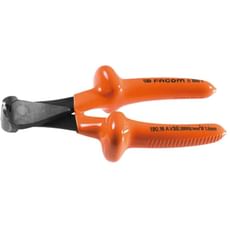
Insulation Requirements: If you work on or near live 240v electrical circuits, VDE-certified insulated end cutters like the Facom VSE Series are essential. These meet stringent 1000V safety standards and are legally required for certain electrical work under HSE guidelines.
Build Quality: Professional-grade tools from manufacturers like Knipex, Bahco, and Facom feature induction-hardened cutting edges and precision box joint construction for longevity. Whilst budget options suit occasional DIY use, tradespeople benefit from investing in premium tools that withstand daily site work.
Specialist Applications: For specific tasks like cutting rebar tie wire on construction sites, specialist tools like the Knipex 68 01 concrete fixers' pliers offer optimised jaw geometry and exceptional durability for this demanding application.
Popular Accessories
- Tool Pouches and Belts: Keep your end cutters accessible on site with dedicated tool storage from Snickers or Stanley
- Side Cutters and Diagonal Cutters: Complementary cutting tools for different angles and applications
- Long Nose Pliers: For gripping and manipulating wire before cutting
- Wire Strippers: Essential companion tools for electrical work
- Cable Ties and Fixings: Consumables you'll be cutting regularly
- Tool Oil and Maintenance Sprays: Keep joints moving smoothly and prevent corrosion
- Safety Glasses: Protect your eyes from flying wire ends when cutting under tension
- Tool Storage Cases: Milwaukee PACKOUT, DeWalt TSTAK, or Makita MakPac systems for organised tool transport
- Pliers Sets: Complete your toolkit with matched sets from quality brands available from Tooled-Up
Safety Information
Eye Protection: Always wear safety glasses when cutting wire or cable, particularly materials under tension which can fly towards your face when released. This is especially important on construction sites where HSE regulations require appropriate PPE.
Electrical Safety: Never use standard end cutters on or near live 240v electrical circuits. Only VDE-certified insulated models tested to 1000V are suitable for electrical work. Ensure insulation is intact before each use and replace tools with damaged insulation immediately.
Cutting Capacity: Never exceed the manufacturer's specified cutting capacity. Attempting to cut materials that are too hard or thick can damage the cutting edges, cause the tool to slip, or result in personal injury. Use bolt cutters or appropriate power tools for oversized materials.
Proper Technique: Position the material deep in the jaws near the joint where cutting force is greatest. Keep your free hand clear of the cutting area and maintain a stable stance. Cut at right angles to the material for cleanest results.
Maintenance: Keep cutting edges sharp and joints clean and lubricated. Damaged or worn cutters require more force and are more likely to slip, increasing injury risk. Replace worn tools promptly.
Frequently Asked Questions
What's the difference between end cutters and side cutters?
End cutters have cutting jaws perpendicular to the handles, allowing you to cut flush against a surface, whilst side cutters have angled jaws suited to cutting in the middle of wire runs. End cutters excel at removing protruding nails and trimming wire ends close to surfaces without leaving snags or causing damage.
Can end cutters cut through nails?
Yes, but it depends on both the nail size and the end cutter's specification. Heavy-duty models from brands like Knipex, Bahco, and Draper Expert can cut through standard steel nails up to around 3-4mm diameter. Always check the hard wire cutting capacity in the tool's specifications and never exceed the manufacturer's recommendations to avoid damaging the cutting edges.
Do I need insulated end cutters for electrical work?
If you're working on or near live 240v electrical circuits, VDE-certified insulated end cutters are essential for safety and may be legally required depending on your work. For cutting dead cables or general workshop use, standard end cutters are suitable. Models like the Facom 190.16 VSE Series provide 1000V protection for professional electrical installations.
How do I maintain my end cutters?
Clean the jaws after use to remove debris, particularly when cutting materials that leave residue. Apply a drop of light oil to the joint periodically to ensure smooth operation. Store in a dry location to prevent rust. Avoid using them as a hammer or prying tool, and never cut materials harder than the specified capacity. With proper care, quality end cutters from brands like Stanley and Knipex can last for years of professional use.
What size end cutters do I need?
For general trade work, 150-160mm end cutters offer the best balance of cutting power and manoeuvrability. Mini end cutters (100-120mm) are ideal for electronics, confined spaces, and precision work. Heavy-duty 180-200mm models suit construction applications where maximum cutting force is needed. Many tradespeople keep multiple sizes for different applications.