
Engine Oil

Pay in 3 interest-free payments on purchases from £20-£3000 with  . Learn more.
Loading...
End of content
Error - No more pages to load
About Engine Oil
Engine oil is a vital maintenance product for petrol-powered garden machinery, power tools, and outdoor equipment. Proper lubrication reduces friction between moving parts, prevents overheating, minimises wear and tear, and significantly extends the operational life of chainsaws, lawnmowers, strimmers, generators, and pressure washers. Whether you're maintaining professional landscaping equipment or keeping domestic garden tools running smoothly, selecting the correct engine oil is fundamental to reliable performance and longevity.
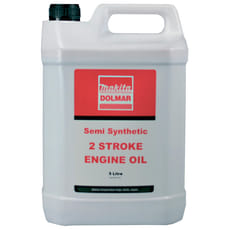
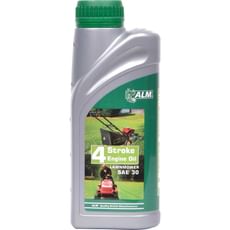
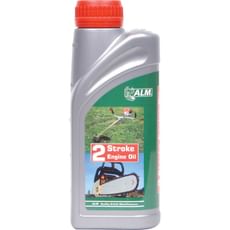
Engine oils for garden machinery fall into two main categories: 2 stroke oil and 4 stroke oil. Two stroke oil is specifically formulated to mix with petrol in engines that complete a power cycle in two piston movements, commonly found in chainsaws, hedge trimmers, and brush cutters. Four stroke oil is used in engines with separate oil reservoirs, typically powering lawnmowers, generators, and pressure washers. Each type contains carefully balanced additives to meet the specific lubrication demands of its respective engine design, ensuring optimal protection under varying operating conditions.
The selection available from Tooled-Up.com includes trusted brands such as ALM, Handy, and Makita, offering both ready-mixed one-shot bottles for convenience and larger containers for regular maintenance schedules. Semi-synthetic and mineral-based formulations cater to various applications, from light domestic use to demanding professional landscaping work. Many of these engine oils meet or exceed manufacturer specifications including API TC, JASO FB, JASO FC, ISO EGB, and ISO EGC standards, ensuring compatibility with equipment from leading power tool and garden machinery brands.
Jargon Buster
- 2 Stroke Oil – A specialised lubricant designed to be mixed directly with petrol for two-stroke engines. It must burn cleanly alongside fuel whilst providing essential lubrication to engine components including pistons, crankshafts, and bearings.
- 4 Stroke Oil – Engine oil for four-stroke engines that have separate oil and fuel systems. It lubricates, cools, and cleans internal engine parts without being burnt during combustion, and should be changed regularly as part of routine maintenance.
- One Shot – Pre-measured individual bottles containing the exact quantity of 2 stroke oil needed to mix with a specific amount of petrol, eliminating guesswork and reducing the risk of incorrect fuel mixing ratios. Ideal for occasional users and convenient for site work.
- Semi-Synthetic – A blend of mineral oil and synthetic compounds that offers enhanced performance characteristics compared to conventional mineral oils, including better temperature stability, reduced carbon deposits, cleaner burning, and superior protection under demanding conditions.
- Mixing Ratio – The precise proportion of 2 stroke oil to petrol required by a particular engine, commonly expressed as ratios such as 50:1, 40:1, or 25:1. Always consult your equipment's manual for the correct specification to avoid engine damage.
- Viscosity Grade – A measurement indicating the oil's thickness and flow characteristics at different temperatures, typically shown as ratings like SAE 30 or 10W-30 for 4 stroke oils. Lower numbers indicate thinner oil that flows more easily in cold conditions.
Who Uses Engine Oil?
Engine oil for garden and power equipment is essential for a diverse range of users:
- Landscapers and groundskeepers maintaining commercial properties, parks, and estates
- Gardeners and horticultural professionals operating petrol-powered machinery daily
- Tree surgeons and arborists relying on chainsaws and climbing equipment
- Groundwork contractors using generators, pumps, and portable power tools on site
- Agricultural workers and farmers maintaining small engines across their operations
- Property maintenance professionals servicing multiple sites with various equipment
- Garden centre staff demonstrating and servicing display machinery
- DIY enthusiasts and homeowners maintaining domestic lawnmowers, strimmers, and garden tools
- Allotment holders and keen gardeners keeping their petrol equipment in peak condition
- Hire centres and tool rental businesses maintaining fleets of garden equipment
How to Choose the Right Engine Oil
Selecting the correct engine oil ensures optimal performance and protects your investment in quality power equipment. Consider these essential factors:
Engine Type: The most critical decision is determining whether your equipment has a 2 stroke or 4 stroke engine. Two stroke engines require oil mixed with petrol, whilst four stroke engines have separate oil reservoirs. Check your equipment manual or manufacturer's website if you're uncertain, as using the wrong type can cause serious engine damage or void warranties.
Manufacturer Recommendations: Always consult your equipment's documentation for the specified oil type, viscosity grade, and any performance standards required such as API TC, JASO FB, or ISO EGB classifications. Premium brands like Makita often recommend specific oil formulations optimised for their engines, though quality alternatives meeting the same specifications are generally suitable.
Usage Intensity: Professional tradespeople running equipment for extended periods should consider semi-synthetic oils offering superior protection under demanding conditions, cleaner burning, and reduced maintenance requirements. Domestic users with lighter, intermittent usage may find conventional mineral-based oils perfectly adequate for their needs whilst offering better value.
Convenience vs Economy: One-shot bottles provide pre-measured convenience ideal for occasional use or when working away from your workshop, eliminating mixing errors that could damage engines. Larger containers available at Tooled-Up offer better value for regular users maintaining multiple machines or running equipment frequently throughout the season.
Seasonal Considerations: Four stroke oils are available in different viscosity grades suited to varying temperature ranges. Multi-grade oils like 10W-30 provide year-round protection and easier cold starting, whilst single-grade oils such as SAE 30 are optimised for warmer operating conditions typical of the spring and summer mowing season.
Popular Accessories
Enhance your engine maintenance routine with these complementary products:
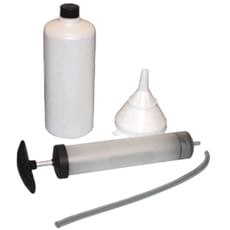
- Fuel mixing bottles with graduated markings for accurate 2 stroke oil and petrol ratios
- Fuel containers and jerry cans for safe petrol storage and transportation
- Oil drain pans and funnels for mess-free oil changes on 4 stroke equipment
- Air filters compatible with your garden machinery to maintain clean air intake
- Spark plugs for regular replacement as part of comprehensive engine servicing
- Fuel stabiliser to prevent fuel degradation during winter storage periods
- Workshop paper and cleaning rags for general maintenance tasks
- Maintenance kits containing oil, filters, and other service items for specific equipment types
- Protective gloves for safe handling during oil changes and servicing
- Oil spout pourers for controlled dispensing from larger containers
Safety Information
Storage: Keep engine oil in its original container with the lid securely fastened, stored in a cool, dry location away from direct sunlight and sources of ignition. Ensure oils are kept out of reach of children and pets. Check containers regularly for leaks or damage, and store upright to prevent spills.
Disposal: Never pour used engine oil down drains, into the ground, or into watercourses. Used oil is classified as hazardous waste under UK environmental regulations. Take used oil to your local household waste recycling centre, where dedicated collection facilities are provided, or arrange collection through registered waste carriers if disposing of larger quantities from commercial operations.
Skin Contact: Avoid prolonged or repeated skin contact with engine oils. Wear appropriate protective gloves when handling oils and carrying out oil changes. If oil contacts skin, wash thoroughly with soap and water. Some individuals may experience skin irritation or allergic reactions to oil additives. Seek medical advice if irritation persists.
Mixing 2 Stroke Fuel: Always mix 2 stroke oil and petrol in a well-ventilated area, away from naked flames and ignition sources. Add oil to the container before petrol, then shake thoroughly to ensure complete mixing. Label mixed fuel clearly with the date and mixing ratio, and use within the recommended timeframe, typically one month, to prevent fuel degradation.
COSHH Compliance: Employers and professional users should ensure proper risk assessments are conducted and safety data sheets are available. Engine oils may present slip hazards if spilled, so clean up spills immediately using appropriate absorbent materials.
Frequently Asked Questions
Can I use car engine oil in my lawnmower?
Whilst some 4 stroke lawnmower engines can run on automotive oil, it's generally advisable to use oil specifically formulated for small air-cooled engines. Garden machinery oils contain additives optimised for the higher operating temperatures, different load conditions, and increased vibration experienced by small engines. Always check your equipment manual for the manufacturer's recommendation before substituting automotive oil, as incorrect oil may cause increased wear or carbon deposits.
What's the difference between 25:1, 40:1, and 50:1 mixing ratios for 2 stroke oil?
These ratios indicate how much petrol to mix with the oil—50:1 means 50 parts petrol to 1 part oil, whilst 25:1 is a richer mixture with more oil. Modern equipment typically requires 50:1 (20ml oil per litre of petrol), whilst older machinery may specify 40:1 or 25:1. Using too much oil causes excessive smoke, carbon deposits, and fouled spark plugs; too little oil risks catastrophic engine damage from inadequate lubrication. Always follow your equipment manufacturer's specified ratio precisely.
How often should I change the oil in my 4 stroke lawnmower?
For domestic lawnmowers, annual oil changes at the start of the mowing season are typically sufficient for reliable operation. Professional users should change oil every 50 hours of operation or at the intervals specified in their equipment manual, whichever comes first. Always change the oil whilst the engine is warm (but not hot) to ensure complete drainage of contaminated oil, and dispose of used oil responsibly at your local recycling centre.
Do 2 stroke oils from different brands mix together?
Whilst technically possible to mix different brands of 2 stroke oil, it's not recommended practice. Different formulations may contain incompatible additives that could affect performance or cause deposits. If you must switch brands, it's best to run the existing fuel mixture through your equipment completely before refilling with the new oil mixed at the correct ratio. Never mix synthetic and mineral oils in the same batch.
What does semi-synthetic mean, and is it worth the extra cost?
Semi-synthetic oil blends conventional mineral oil with synthetic base stocks and advanced additives, offering superior protection, cleaner burning, reduced smoke, and better performance across temperature ranges compared to standard mineral oils. For professional users running equipment intensively or in demanding conditions, semi-synthetic oils provide worthwhile protection and can reduce maintenance frequency. Occasional domestic users may find conventional mineral oils adequate for their lighter usage patterns, offering satisfactory performance at lower cost.