

Engine Oil

Pay in 3 interest-free payments on purchases from £20-£3000 with  . Learn more.
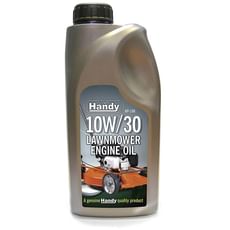
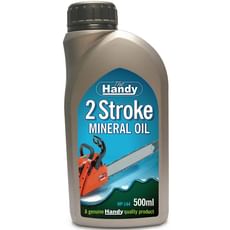

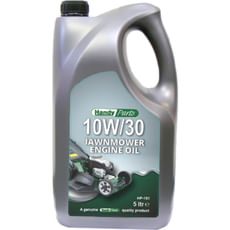

 Loading...
End of content
Error - No more pages to load
About Engine Oil
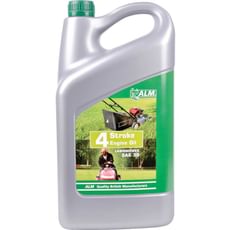
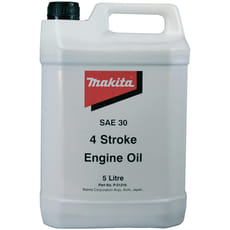
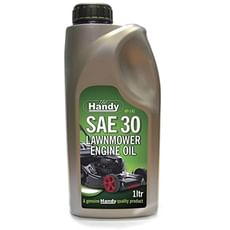
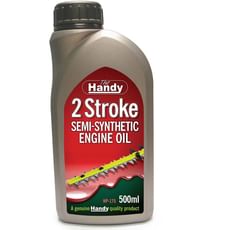
Engine oil is an essential maintenance product for keeping petrol-powered garden machinery, lawnmowers, and outdoor power equipment running smoothly and efficiently. Whether you're maintaining a ride-on mower, hedge trimmer, chainsaw, or pressure washer, selecting the correct engine oil ensures optimal performance, reduces wear on internal components, and extends the working life of your valuable equipment. The range at Tooled-Up.com includes specialist formulations for both 2-stroke and 4-stroke engines, with options from trusted brands including Handy, Makita, and ALM.
Understanding the difference between engine oil types is crucial for proper equipment maintenance. 4-stroke engine oils work in traditional lawnmower engines where the oil reservoir is separate from the fuel tank, providing lubrication to pistons, bearings, and other moving parts. 2-stroke oils, by contrast, are mixed directly with petrol in specific ratios to lubricate engines found in many strimmers, chainsaws, and smaller garden tools. The selection also includes convenient service kits containing oil and essential maintenance components, making routine servicing straightforward for both professional groundskeepers and DIY gardeners.
Choosing the right viscosity grade is equally important, with SAE 30 being the traditional choice for warmer weather operation, whilst 10W/30 multi-grade oils offer superior performance across varying temperatures. Many engine oils come in portable dispenser cans with built-in measuring facilities, making accurate application simple and mess-free, whether you're working in your garden shed or on-site maintaining client equipment.
Jargon Buster
- SAE Rating: The Society of Automotive Engineers grading system that indicates oil viscosity. SAE 30 is a single-grade oil, whilst 10W/30 is a multi-grade oil where '10W' represents cold-weather performance and '30' indicates viscosity at operating temperature.
- 2-Stroke Oil: Specialist oil designed to be mixed with petrol at specific ratios (typically 50:1 or 25:1) for engines without a separate lubrication system. Burns alongside fuel during combustion to lubricate internal components.
- 4-Stroke Oil: Traditional engine oil used in engines with separate oil reservoirs. Circulates through the engine to lubricate moving parts without being consumed during the combustion process.
- Semi-Synthetic Oil: A blend of mineral and synthetic base oils that offers improved protection and performance compared to conventional mineral oils, particularly at temperature extremes.
- Viscosity: The thickness or flow resistance of oil. Lower viscosity oils flow more easily in cold conditions, whilst higher viscosity oils maintain protection at elevated operating temperatures.
- Service Kit: A pre-packaged maintenance bundle typically containing engine oil, spark plug, air filter, and other consumables specific to particular engine models, ensuring correct parts for routine servicing.
Who Uses Engine Oil?
- Professional gardeners and landscape contractors maintaining fleet equipment
- Groundskeepers responsible for sports facilities, golf courses, and public parks
- Tree surgeons and arborists servicing chainsaws and climbing equipment
- Agricultural workers maintaining farm machinery and smallholding equipment
- Facility maintenance teams caring for commercial outdoor spaces
- DIY enthusiasts and homeowners with lawnmowers and garden tools
- Garden machinery repair workshops and servicing centres
- Allotment holders and keen gardeners with petrol-powered equipment
- Holiday park and campsite maintenance staff
- Estate managers responsible for grounds maintenance
How to Choose the Right Engine Oil
Check Your Engine Type: Determine whether your equipment has a 2-stroke or 4-stroke engine by consulting the operator's manual. 2-stroke engines typically have a single fuel tank where oil is mixed with petrol, whilst 4-stroke engines have separate oil and fuel reservoirs. Using the wrong type can cause serious damage.
Follow Manufacturer Specifications: Always refer to your equipment manufacturer's recommendations for viscosity grade. Makita, for example, specifies SAE 30 for their garden tools in typical UK operating conditions, whilst other manufacturers may recommend 10W/30 multi-grade oils for year-round use.
Consider Operating Conditions: Single-grade SAE 30 oils work well during the main mowing season when temperatures are moderate, but 10W/30 multi-grade formulations offer better cold-starting performance in spring and autumn, and maintain protection during hot summer operation.
Assess Your Usage Level: Professional users maintaining equipment daily should consider semi-synthetic formulations from brands like Handy, which offer enhanced protection against wear and deposits. For occasional home use, quality mineral oils provide adequate protection at an economical price point.
Packaging Convenience: Portable dispenser cans with integrated measuring chambers reduce spillage and ensure accurate filling, particularly useful when working away from a workshop. Larger capacity containers offer better value for those maintaining multiple machines or running professional operations.
Popular Accessories
- Fuel stabilisers for winter equipment storage
- Oil drain pans and waste oil containers
- Measuring jugs and mixing bottles for 2-stroke ratios
- Funnels and filling spouts for mess-free oil changes
- Air filters and spark plugs for complete servicing
- Petrol cans and fuel containers with safety spouts
- Service kits specific to Webb and other popular engine brands
- Engine degreasers and cleaning products
- Oil filter wrenches for larger equipment
- Workshop paper roll and absorbent materials
Safety Information
Engine oils are classified under COSHH regulations and must be handled, stored, and disposed of responsibly. Always work in well-ventilated areas when handling oils, and wear appropriate gloves to prevent prolonged skin contact. Store engine oil in its original container away from heat sources, direct sunlight, and out of reach of children.
Never dispose of used engine oil down drains or into the ground, as this causes serious environmental contamination. Local authority recycling centres throughout the UK accept waste oil free of charge, or many motor factors and service centres offer collection services. Keep a dedicated waste oil container and transport used oil securely to prevent spillage.
When mixing 2-stroke oil with petrol, always work outdoors or in spaces with adequate ventilation, away from ignition sources. Follow the manufacturer's mixing ratio precisely—too little oil causes engine seizure, whilst too much creates excessive smoke and carbon deposits. Allow engines to cool completely before checking or changing oil to avoid burn injuries.
Frequently Asked Questions
Can I use car engine oil in my lawnmower?
Whilst some automotive oils may be suitable, it's best to use oils specifically formulated for small engines. Garden machinery engines operate at different temperatures and speeds compared to vehicle engines, and specialist oils contain additives designed for these conditions. Always check your equipment manual for approved specifications.
How often should I change my lawnmower's engine oil?
For 4-stroke lawnmowers, change the oil at least once per season or after every 25-50 hours of operation, whichever comes first. Professional users should change oil more frequently, particularly in dusty conditions. Always change oil before winter storage and consider fresh oil when recommissioning equipment in spring.
What's the correct mixing ratio for 2-stroke oil?
Common ratios include 50:1 (100ml oil to 5 litres petrol) and 25:1 (200ml oil to 5 litres petrol), but always follow your equipment manufacturer's specific recommendation. Many modern 2-stroke oils are designed for 50:1 mixing, but older equipment may require richer mixtures. The Handy and ALM 2-stroke oils available from Tooled-Up.com specify their recommended ratios clearly on the packaging.
Will synthetic oil damage my older equipment?
Semi-synthetic and synthetic oils are generally safe for older equipment and often provide better protection than mineral oils. However, in very old engines with worn seals, synthetic oils' superior cleaning properties might initially cause slight leakage as they remove built-up deposits. For most garden machinery, semi-synthetic formulations offer an excellent balance of protection and value.
Can I store mixed 2-stroke fuel over winter?
Pre-mixed 2-stroke fuel deteriorates over time, with petrol losing volatility and the oil separating out. It's best to use fresh fuel each season and run equipment dry before winter storage. If you must store mixed fuel, add a fuel stabiliser and use it within one month of mixing for best results.