
Engine Service General

Pay in 3 interest-free payments on purchases from £20-£3000 with  . Learn more.



Loading...
End of content
Error - No more pages to load
About Engine Service General
Engine service general tools and equipment form the diagnostic backbone of any professional automotive workshop, enabling mechanics and technicians to accurately assess, maintain, and repair modern vehicle engines. This comprehensive category encompasses everything from compression testers and vacuum test kits to specialist vehicle-specific locking tools and alignment equipment. Whether you're diagnosing a misfiring cylinder, checking oil pump pressure, testing fuel injector signals, or performing precision timing belt replacement on manufacturer-specific engines, Tooled-Up.com stocks the professional-grade equipment needed to complete these critical tasks safely and accurately.
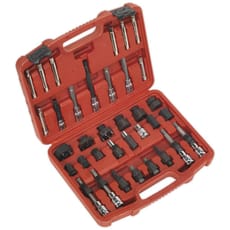
The range includes universal diagnostic tools suitable for general workshop use alongside specialist equipment designed for specific vehicle manufacturers. Professional compression testers with extensive adaptor sets cover both petrol and diesel engines, whilst vacuum testing kits allow comprehensive diagnosis of intake systems, brake boosters, and emission control components. For workshops servicing particular marques, dedicated tool kits are available for VAG group vehicles (Audi, Skoda, Volkswagen), BMW and Mini models, and Jaguar Land Rover products. These precision-engineered tools are essential for tasks like balance shaft alignment, fuel pump timing, and drive belt tensioning where generic tools simply cannot achieve the required accuracy.
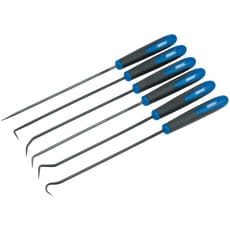
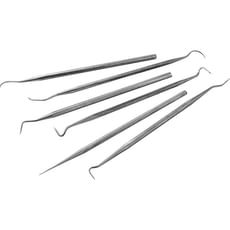
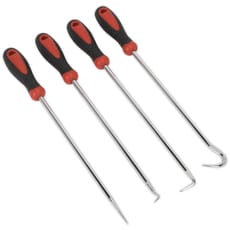
Quality is paramount in engine diagnostic equipment, which is why the category features trusted brands including Sealey, Draper, and Facom. These manufacturers produce tools built to withstand the demanding conditions of daily workshop use, with clear, accurate gauges, robust construction, and comprehensive adaptor sets that expand compatibility across multiple vehicle types. From basic hook and pick sets for retrieving dropped components to sophisticated pressure testing equipment, these tools help professional mechanics reduce diagnostic time, prevent costly errors, and ensure engine work meets manufacturer specifications.
Jargon Buster
- Compression Tester
- A diagnostic tool that measures the compression pressure generated in each cylinder during engine operation. Direct testers screw into spark plug or glow plug holes for accurate readings, helping identify worn piston rings, damaged valves, head gasket failures, and other internal engine problems. Essential for baseline engine health assessment.
- Vacuum Test Kit
- Equipment designed to measure vacuum pressures and perform leak-down tests on engine intake systems, brake servo units, and emission control components. Comprehensive kits include hand pumps, pressure gauges calibrated in both metric and imperial measurements, and various adaptors for different test points throughout the vehicle.
- Noid Light
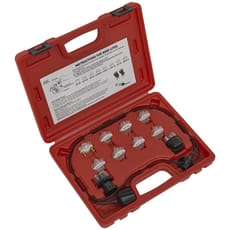
- A diagnostic tool that connects inline with fuel injector electrical connectors to verify whether the engine control unit (ECU) is sending proper pulse signals to the injectors. Different coloured lights indicate various injector types and systems, making them invaluable for quickly diagnosing fuel delivery faults without expensive electronic diagnostic equipment.
- Balance Shaft Locking Tool
- Vehicle-specific tools that lock balance shafts in the correct rotational position during engine assembly, timing belt replacement, or major engine work. Balance shafts counteract engine vibration, and incorrect alignment can cause serious running problems. BMW, Mini, Citroen, Peugeot, and Land Rover vehicles commonly require these specialist tools.
- Oil Pressure Test Kit
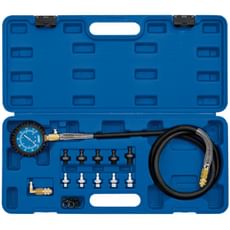
- A set comprising a calibrated pressure gauge and various threaded adaptors that connect to engine oil pressure sender locations. Allows mechanics to measure actual oil pressure to verify whether dashboard warning lights indicate genuine low pressure or simply faulty sensors, preventing unnecessary engine strip-downs.
- Timing Lock Tool
- Manufacturer-specific tools that lock crankshafts, camshafts, or diesel fuel pumps in precise positions during timing belt or chain replacement. Using the correct locking tools prevents catastrophic valve-to-piston contact and ensures engine timing remains accurate after component replacement. Critical safety equipment for interference engines.
Who Uses Engine Service General?
- Professional Motor Mechanics: Main users requiring comprehensive diagnostic and repair equipment for daily workshop operations across multiple vehicle types
- Independent Garages: Small to medium workshops servicing a variety of makes and models requiring versatile diagnostic tools
- Mobile Mechanics: Technicians performing on-site diagnostics and repairs who need portable, reliable testing kits
- MOT Testing Stations: Facilities requiring diagnostic equipment to identify engine problems affecting emissions, performance, and roadworthiness
- Fleet Maintenance Teams: In-house mechanics maintaining commercial vehicle fleets including vans, trucks, and company cars
- Agricultural Engineers: Specialists servicing farm machinery, tractors, and agricultural vehicles with diesel engines
- Plant and Equipment Engineers: Technicians maintaining construction machinery, generators, and industrial equipment
- Automotive Enthusiasts: Serious DIY mechanics working on their own vehicles at home who want professional-quality diagnostic tools
- Vocational Training Centres: Educational facilities teaching automotive maintenance and repair skills to apprentice mechanics
- Classic Car Restorers: Specialists requiring diagnostic tools for older engine systems and vintage vehicle maintenance
- Marine Engineers: Technicians servicing boat engines and marine diesel applications
How to Choose the Right Engine Service General
Selecting appropriate engine service tools at Tooled-Up.com begins with understanding your typical workload and the range of vehicles you service. For general workshop use, prioritise comprehensive universal diagnostic kits that cover multiple applications. A quality compression tester should include adaptors for both petrol and diesel engines with various thread configurations (M10, M12, M14, M18), whilst vacuum test kits should provide measurement capabilities across different pressure ranges. Look for kits supplied in organised storage cases that protect the equipment and make transport between jobs straightforward.
If you specialise in particular manufacturers, investing in vehicle-specific tool kits becomes essential rather than optional. VAG group specialists will find dedicated drive belt spanners and timing tools invaluable, whilst those working extensively on BMW and Mini vehicles need proper balance shaft alignment equipment. Jaguar and Land Rover workshops require specialist diesel fuel pump locking tools. These precision instruments are engineered to exact tolerances and attempting timing or alignment procedures without them risks expensive engine damage.
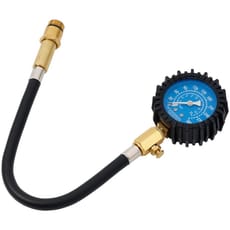
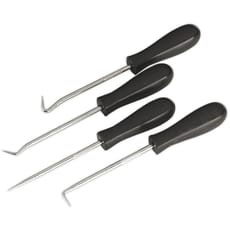
Build quality and accuracy directly impact diagnostic reliability. Professional-grade equipment from established brands like Sealey, Draper, and Facom offers superior durability and precision compared to budget alternatives. Check that pressure gauges display clear markings in both metric (bar, kPa) and imperial (psi) measurements, with calibration appropriate for automotive applications. Compression testers should feature robust quick-release connectors, anti-kink hoses, and gauges protected by rubber bumpers. Hook and pick sets require hardened steel construction with comfortable, secure handles to prevent slippage during delicate work.
Consider expandability and long-term value when building your diagnostic toolkit. Modular systems that accept additional adaptors provide better investment value than single-purpose tools with limited applications. If you're establishing a new workshop, identify which diagnostic procedures you perform most frequently—compression testing, vacuum testing, or fuel system diagnostics—and prioritise those tools first. Graduate to specialist manufacturer-specific equipment as your business develops and you identify consistent work patterns with particular vehicle brands.
For mobile mechanics, portability and case quality become additional factors. Compact kits with secure latching cases protect equipment during transport and make working from vans more practical. Battery-operated noid light sets prove more convenient than equipment requiring mains power when working at roadsides or customer locations. Always verify that diesel compression testers can handle the higher pressures (typically up to 70 bar) compared to petrol engine testers which operate at lower ranges.
Popular Accessories
- Additional Adaptor Sets: Expand compression and vacuum tester compatibility to cover more engine configurations and specialist applications
- Replacement Pressure Gauges: Spare gauges for compression, oil pressure, and vacuum testing equipment maintain accuracy after damage
- Extension Hoses: Longer flexible hoses provide better access to awkward test points in cramped modern engine bays
- Magnetic Parts Trays: Keep small bolts, clips, and components organised during engine disassembly and diagnostic procedures
- Workshop Technical Manuals: Vehicle-specific service information including timing tool procedures, torque specifications, and diagnostic data
- LED Inspection Lights: Rechargeable work lights for illuminating dark engine compartments during diagnostic and repair work
- Parts Cleaning Brushes: Maintain diagnostic tool threads and connections free from oil and carbon deposits
- Torque Wrenches: Essential for reassembling engine components to manufacturer specifications after diagnostic or repair work
- Mechanics Gloves: Protective gloves offering dexterity for precision work with sharp picks and hooks
- Thread Repair Kits: Fix damaged spark plug or sensor threads before compression testing to ensure accurate seal
- Brake Bleeding Equipment: Complementary equipment that often shares vacuum pump components with diagnostic kits
- Feeler Gauges: Precision measurement tools for checking valve clearances during engine service work
Safety Information
Working with engine diagnostic equipment requires strict adherence to safety procedures to prevent injury and vehicle damage. Always ensure engines are switched off and have cooled completely before beginning diagnostic work—hot engine components can cause serious burns and some tests require removal of ignition components. When performing compression tests, disable the ignition system by removing the fuel pump fuse or disconnecting the ignition coil to prevent unexpected starting. Never perform compression testing with the engine running or attempt to test individual cylinders on a running engine.
Hook and pick sets feature extremely sharp hardened steel points capable of causing puncture injuries. Always work away from your body with your free hand positioned clear of the tool's path. When working under bonnets, use proper bonnet supports or struts—never rely solely on original equipment stays, particularly with heavy bonnets. Wear appropriate eye protection when working beneath vehicles or when there's risk of fluid spray during pressure testing procedures. Keep a firm grip on pressure gauges as sudden pressure release can cause equipment to move rapidly.
Exercise extreme caution when working with diesel fuel systems, which operate at pressures exceeding 2,000 bar in modern common rail applications. Diesel fuel under this pressure can penetrate skin causing injection injuries requiring immediate medical attention. When using diesel fuel pump locking tools, follow manufacturer procedures precisely and ensure all system pressure is fully relieved before disconnecting any components. Observe HSE guidelines regarding exhaust emissions if running engines indoors—maintain adequate ventilation or use extraction equipment to prevent carbon monoxide accumulation.
When using timing lock tools, verify you have the correct tools for the specific engine variant as incorrect tools can cause catastrophic engine damage. Double-check all locking pins are fully engaged before rotating the engine. Store all diagnostic equipment in proper cases when not in use to prevent damage to precision components and protect sharp tools from causing injury. Regularly inspect pressure hoses for deterioration, wear, or damage, replacing any compromised components before use to prevent sudden failure during testing.
Frequently Asked Questions
What's the difference between direct and indirect compression testers?
Direct compression testers screw directly into spark plug or glow plug holes using threaded adaptors, providing the most accurate absolute pressure readings for detailed diagnostics. They're essential for comparing cylinder pressures, identifying head gasket failures, and assessing internal engine condition. Indirect compression testers measure compression through spark plug leads or use non-invasive methods, offering quicker comparative testing but less precision. Professional mechanics typically use direct testers for accurate diagnosis, whilst indirect testers provide quick cylinder-to-cylinder comparisons without removing plugs.
Do I need vehicle-specific tools or will universal kits suffice?
For general diagnostic procedures like compression testing, vacuum testing, and oil pressure measurement, quality universal kits with comprehensive adaptor sets will cover most applications across different vehicle types. However, for timing belt replacement, balance shaft alignment, fuel pump timing, and certain engine assembly procedures, vehicle-specific tools are absolutely essential and universal alternatives simply won't work safely. Professional workshops typically maintain both universal diagnostic equipment for routine testing and a selection of manufacturer-specific tools for the brands they service most frequently, adding specialist kits as demand justifies the investment.
How often should engine diagnostic tools be calibrated or checked?
Pressure gauges on compression testers, oil pressure kits, and vacuum equipment should be checked annually for accuracy, particularly in professional environments with daily use. Compare readings against known accurate reference gauges and replace any showing significant deviation beyond acceptable tolerances. Handle all diagnostic equipment carefully, avoiding drops or impacts that can affect gauge accuracy. Store tools in protective cases to maintain precision and prevent damage. Electronic diagnostic equipment like noid light sets requires periodic inspection of LED functions and connector integrity, whilst hook and pick sets need checking for bent or damaged points that could scratch engine components.
Can the same tools be used on both petrol and diesel engines?
Many diagnostic tools work across both engine types, but always verify compatibility before use. Compression testers typically require different adaptors and gauges for petrol versus diesel applications—diesel engines operate at much higher compression pressures (up to 70 bar) requiring heavy-duty gauges, whilst petrol engine testers work at lower ranges (typically 20 bar maximum). Thread sizes also differ between applications. Vacuum test kits generally work universally as intake systems operate at similar pressures regardless of fuel type. Specialist tools like timing locks and balance shaft alignment equipment are almost always engine-specific, designed for particular manufacturers and engine codes, so always check compatibility data before purchase.
What's included in a comprehensive vacuum test kit?
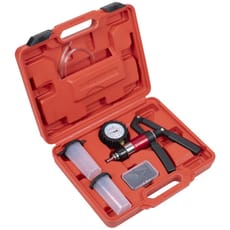
A complete vacuum test kit typically includes a vacuum gauge calibrated in both metric (mbar, kPa) and imperial (inHg) measurements, a hand-operated vacuum pump for generating test vacuum, and various hose adaptors and connectors for different test points around the engine. More extensive kits include both vacuum and positive pressure testing capabilities, allowing diagnosis of intake systems, brake servo units, EGR valves, emission control components, and turbocharger actuators from a single kit. Professional kits often incorporate brake bleeding attachments, fuel system adaptors, and cooling system test connections, whilst basic kits focus purely on vacuum measurement. Quality kits come with organised storage cases protecting gauges and keeping adaptors accessible.