

Engineering Tools
Pay in 3 interest-free payments on purchases from £30-2000 with  . Learn more.




 Loading...
End of content
Error - No more pages to load
About Engineering Tools
Engineering tools are precision instruments designed for metalworking, machining, and manufacturing applications where accuracy and repeatability are paramount. This comprehensive category encompasses specialised cutting, shaping, finishing, and measurement tools that form the backbone of professional engineering workshops, fabrication facilities, and precision manufacturing environments across the UK. From removing burrs and sharp edges to creating perfect threads and achieving precise dimensions, these tools enable engineers and machinists to work metal with extraordinary accuracy.
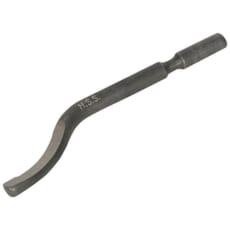
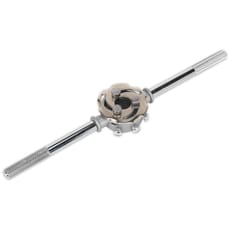
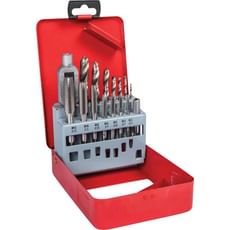
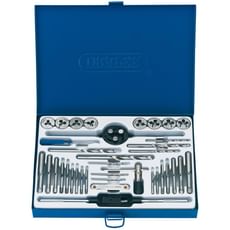
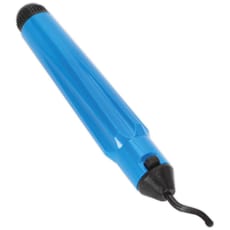
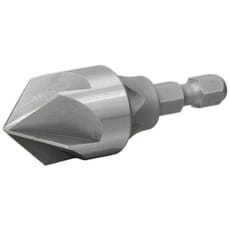
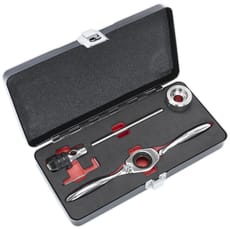
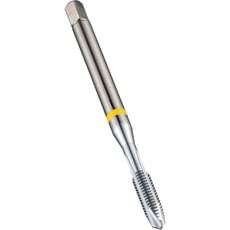
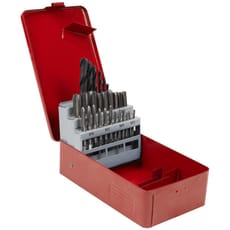
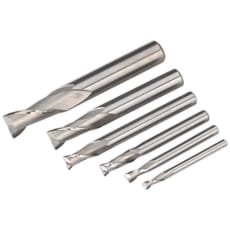
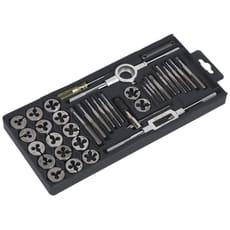
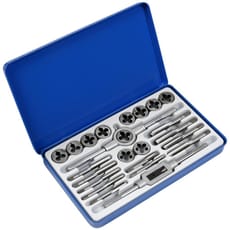
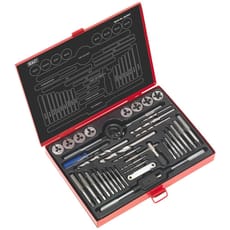
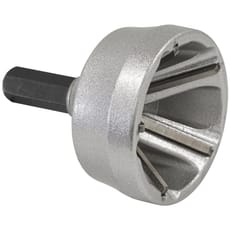
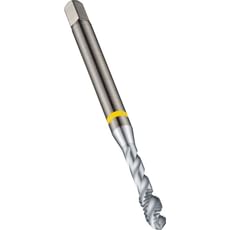
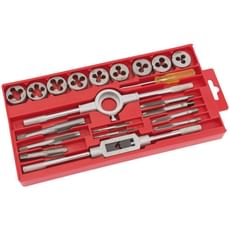
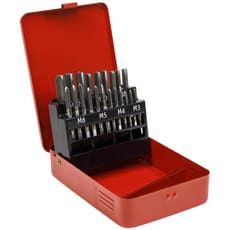
Our engineering tools range includes deburring tools for edge finishing, hand reamers for hole sizing, milling tools for material removal, taps and dies for thread cutting, turning tools for lathe work, and engineers scrapers for surface preparation. We stock trusted brands including Dormer, Clarkson, Osborn, Noga, Shaviv, and Sirius, ensuring you have access to professional-grade equipment that meets the exacting standards required in modern engineering applications. Whether you're working with steel, aluminium, brass, or exotic alloys, the right engineering tools make the difference between acceptable and exceptional results.
These aren't tools you'll find in a typical DIY toolkit – they're specialist instruments designed for tradespeople who demand precision measured in hundredths of a millimetre. From maintenance engineers keeping production lines running to toolmakers creating bespoke components, quality engineering tools are an investment in accuracy, efficiency, and professional results that meet British and European manufacturing standards.
Jargon Buster
- Deburring: The process of removing unwanted rough edges, burrs, or sharp protrusions left on metal after cutting, drilling, or machining operations. Essential for both safety and component fit.
- Reaming: A finishing operation that enlarges and precisely sizes a pre-drilled hole to exact dimensions, typically achieving tolerances of ±0.02mm or better with an excellent surface finish.
- Tapping: The process of cutting internal threads inside a hole using a tap tool, allowing bolts or screws to be threaded into the component. Available in metric (M6, M8, M10) and imperial sizes.
- HSS (High-Speed Steel): A hardened tool steel alloy capable of withstanding high temperatures during cutting operations without losing its edge. Standard material for many engineering cutting tools.
- Flute: The helical groove cut into cutting tools like drills, reamers, and taps that provides a channel for swarf (metal chips) to escape and cutting fluid to reach the cutting edge.
- Tolerance: The permissible deviation from a specified dimension, typically expressed as plus or minus a certain measurement (e.g., ±0.05mm). Critical in engineering where components must fit together precisely.
Who Uses Engineering Tools?
Engineering tools are essential for a wide range of professional trades and industries:
- Precision Engineers and Machinists: Using lathes, mills, and manual machining equipment to create or modify metal components
- Toolmakers and Die Makers: Crafting moulds, jigs, fixtures, and bespoke tooling for manufacturing processes
- Maintenance Engineers: Repairing and maintaining industrial machinery, production equipment, and manufacturing plants
- Fabrication Engineers: Working with structural steel, sheet metal, and welded assemblies requiring precise preparation
- Motor Vehicle Technicians: Repairing threads, removing damaged fasteners, and precision work on engine components
- Agricultural Engineers: Maintaining and repairing farm machinery and equipment in workshop environments
- Manufacturing Quality Inspectors: Ensuring components meet specification and tolerance requirements
- Prototype Developers: Creating one-off components and proof-of-concept models requiring precision metalwork
- Apprentices and Engineering Students: Learning fundamental metalworking skills in college workshops and training facilities
How to Choose the Right Engineering Tools
Material Compatibility: Different tools are optimised for different materials. HSS tools suit general steel work, while carbide-tipped tools handle harder materials and high-volume production. Consider whether you're primarily working with mild steel, stainless steel, aluminium, or specialist alloys, as this significantly affects tool selection and longevity.
Size and Thread Standards: UK engineering work typically uses metric measurements (M3, M6, M10 threads, for example), though imperial sizes remain common in maintenance of older equipment. Ensure your taps, dies, and reamers match the standards you work with most frequently. Investing in quality sets provides better value than individual pieces for busy workshops.
Precision Requirements: Consider the tolerances you need to achieve. Hand reamers can achieve H7 tolerance fits (±0.01-0.02mm), while deburring tools focus on edge quality rather than dimensional accuracy. Match tool quality to your precision requirements – aerospace components demand different standards than agricultural repairs.
Manual vs Machine Tools: Hand-operated engineering tools offer portability and control for bench work, repairs, and low-volume tasks. Machine tools (for use in lathes, mills, or drilling machines) provide speed and consistency for production work. Many engineering professionals require both categories for different applications.
Brand Quality and Certification: Professional engineering tools from established manufacturers like Dormer, Osborn, and Clarkson offer consistent performance, reliable geometries, and materials that meet industry standards. Look for tools manufactured to BS EN ISO specifications for critical applications, and consider the availability of replacement parts and consumables.
Coating and Treatment: Many modern engineering tools feature coatings (TiN, TiAlN) that reduce friction, extend tool life, and improve performance. These treatments are particularly valuable in production environments where tool changes impact productivity and profitability.
Popular Accessories
- Cutting Fluids and Lubricants: Essential for cooling, lubrication, and swarf removal during cutting operations, extending tool life significantly
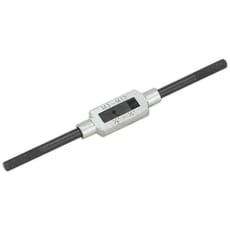
- Tap Wrenches and Die Stocks: Handles for gripping and turning taps and dies safely and accurately during thread cutting
- Thread Gauges: Go/no-go gauges for verifying thread pitch and accuracy after tapping operations
- Engineer's Blue and Layout Fluid: For marking out work and checking surface flatness and contact
- Broken Tap Extractors: Specialist tools for removing snapped taps from valuable components
- Deburring Blades and Refills: Replacement blades for deburring tools, available in various profiles for different applications
- Tool Storage and Organisation: Index cases, tool rolls, and drawer organisers to protect precision tools and maintain workshop efficiency
- Measuring Equipment: Digital verniers, micrometres, and bore gauges for verifying dimensions during and after machining
- Swarf Brushes: For safely clearing metal chips from workpieces and machine tables
- Threading Dies and Die Nuts: For chasing damaged external threads or cutting new threads on bar stock
Safety Information
Engineering tools create sharp edges, metal swarf, and fine particles that present genuine hazards in workshop environments. Always wear appropriate PPE including safety glasses or face shields to protect against flying metal chips, which can cause serious eye injuries. Engineering gloves should be cut-resistant but never worn when operating rotating machinery where they could catch and pull hands into danger.
Metal swarf can be razor-sharp and often hot immediately after cutting. Never attempt to clear chips by hand – always use a brush or appropriate swarf removal tool. Be particularly cautious with long, stringy swarf from ductile materials like mild steel or aluminium, which can tangle and cause lacerations.
When using cutting fluids, be aware of COSHH regulations and ensure adequate ventilation to prevent inhalation of mists. Some engineering operations create fine metal dust that can be harmful if inhaled – consider respiratory protection for prolonged exposure. Store all chemicals according to manufacturer guidelines and dispose of metal-contaminated fluids responsibly.
Ensure all cutting tools are sharp and in good condition. Blunt tools require excessive force, increasing the risk of slippage and injury. When hand-tapping or reaming, ensure work is securely held in a vice or fixture – never hold small components by hand during cutting operations. Follow HSE guidelines for machine guarding when using engineering tools with powered equipment.
Frequently Asked Questions
What's the difference between a plug, taper, and bottoming tap?
These refer to the lead chamfer on threading taps. A taper tap has 7-10 threads chamfered for easy starting and is used first in through-holes. A plug tap (3-5 threads chamfered) is the most versatile general-purpose tap. A bottoming tap has minimal chamfer (1-2 threads) and cuts threads to the bottom of blind holes. For best results in blind holes, use all three progressively: taper to start, plug for most of the thread, and bottoming to finish.
How do I know what size drill to use before tapping?
Each thread size requires a specific pilot hole size called the tapping drill size. For metric threads, a general rule is to subtract the pitch from the major diameter (e.g., M10 x 1.5 requires an 8.5mm drill). However, exact tapping drill charts are widely available and should be consulted for precision work. Using the wrong size creates either weak threads (hole too large) or broken taps (hole too small).
Can I use engineering hand tools with power drills?
Generally no – hand taps, reamers, and similar tools are designed for manual operation with appropriate handles. Power drills rotate too quickly and lack the feel and control needed for proper thread cutting. However, spiral flute taps and machine reamers are specifically designed for powered operation. Using hand tools in power equipment risks breakage, poor results, and injury.
Why do my taps keep breaking?
Tap breakage usually results from insufficient pilot hole size, lack of lubrication, not clearing swarf frequently enough, or misalignment. When hand tapping, turn forwards 1-2 turns, then reverse half a turn to break the chip – don't try to cut the entire thread in one go. Ensure the tap is square to the work, use appropriate cutting fluid, and never force a tap that's binding. In harder materials, use spiral point or spiral flute taps designed for better chip clearance.
Are HSS or carbide tools better for engineering work?
HSS (High-Speed Steel) tools are more affordable, less brittle, and perfectly adequate for general engineering workshop use, especially hand tools and manual operations. Carbide tools are harder, retain their edge at higher temperatures, and excel in production machining of harder materials, but they're more expensive and can chip if mishandled. For most tradespeople, quality HSS tools offer the best balance of performance, durability, and value.