

Engineers Files
Pay in 3 interest-free payments on purchases from £30-2000 with  . Learn more.
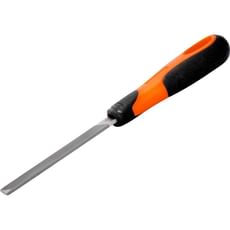
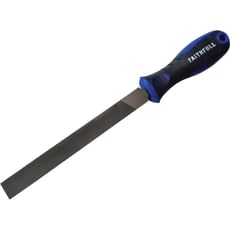


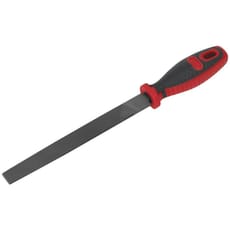

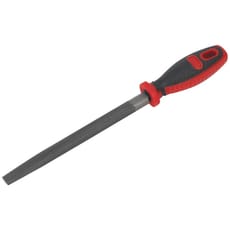

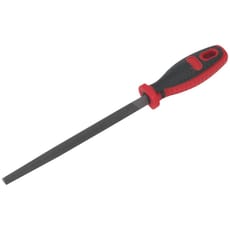


 Loading...
End of content
Error - No more pages to load
About Engineers Files
Engineers files are precision hand tools essential for the accurate shaping, smoothing and finishing of metal, plastic and other hard materials. Unlike woodworking files, engineers files feature finer teeth patterns specifically manufactured to work with metals such as steel, aluminium, brass and cast iron. Available in various profiles including flat, round, half-round, square and three-square (triangular), these workshop essentials allow tradespeople and engineers to achieve smooth surfaces, remove burrs, create precise edges and refine detailed metalwork with exceptional control and accuracy.
Quality engineers files are categorised by their cut grade, which determines the coarseness of the teeth and the material removal rate. Smooth cut files offer the finest finish for precision work, whilst bastard and second cut files remove material more aggressively for rough shaping tasks. The selection available from Tooled-Up.com includes professional-grade files from trusted brands such as Bahco, Sealey, Faithfull and Draper, all heat-treated to maintain their cutting edges and provide long-lasting performance in demanding workshop environments.
Whether you're deburring machined components, fitting metal parts, sharpening lawn mower blades or carrying out general metalwork maintenance, having the right selection of engineers files is essential. Sets containing multiple profiles and lengths offer versatility for different applications, whilst individual files allow you to build a collection tailored to your specific trade requirements. Files typically feature tang ends that can be fitted with handles for improved grip and control during use, with some premium options like the Bahco Ergo range incorporating ergonomic handles as standard.
Jargon Buster
- Cut Grade: Refers to the coarseness of the file teeth. Bastard cut is coarsest for rapid material removal, second cut is medium, and smooth cut provides the finest finish for precision work.
- Tang: The tapered, pointed end of the file that fits into a handle. Never use a file without a properly fitted handle, as the exposed tang can cause serious hand injuries.
- Double Cut: Files with two sets of teeth crossing each other at angles, providing faster material removal and preventing clogging. Single cut files have parallel rows of teeth for finer finishing work.
- Three-Square File: A triangular-profile file with three flat surfaces meeting at 60-degree angles, ideal for filing acute internal angles and clearing out square corners.
- Half-Round: A file profile that is flat on one side and curved on the other, offering versatility for both flat surfaces and concave curves in a single tool.
- Pinning: When metal particles become lodged between the file teeth, reducing cutting efficiency. Regular cleaning with a file card prevents this common issue.
Who Uses Engineers Files?
Engineers files are indispensable tools across numerous trades and industries:
- Mechanical Engineers – precision fitting and finishing of machined components
- Fabricators and Welders – deburring metal edges and smoothing weld seams
- Tool and Die Makers – creating and refining precision tooling
- Motor Mechanics – removing burrs from drilled holes and modifying metal parts
- Agricultural Engineers – sharpening and maintaining farm machinery blades
- Model Makers – detailed shaping of metal and plastic components
- Maintenance Fitters – general workshop repairs and component fitting
- Plumbers and Heating Engineers – deburring cut pipe ends and fitting work
- Locksmiths – filing keys and working with metal lock components
- DIY Enthusiasts – home workshop metalworking projects and repairs
How to Choose the Right Engineers Files
Selecting the appropriate engineers files requires consideration of several important factors:
Profile Selection: Flat files suit general surface work, round files are perfect for enlarging holes and curved surfaces, half-round offers dual functionality, square files create internal right angles, and three-square files access acute corners. Consider purchasing a set like the Sealey 5 Piece Smooth Cut Engineers File Set containing multiple profiles for maximum versatility.
Length and Size: Engineers files typically range from 100mm to 300mm in length. Smaller files (100-150mm) suit precision work and confined spaces, whilst longer files (200-300mm) provide better control for larger surfaces and faster material removal. The 200mm (8-inch) size offers an excellent balance for general workshop use across most applications.
Cut Grade: Match the cut to your application – smooth cut for finishing and precision work where surface quality matters, second cut for general purpose filing, and bastard cut for rapid stock removal on rough work. Many tradespeople keep multiple grades for different stages of a job.
Handle Compatibility: Check whether files are supplied with handles or require separate purchase. The Bahco Ergo range features ergonomic handles designed to reduce hand fatigue during extended use, whilst traditional tang files from brands like Draper and Faithfull require separate wooden or plastic handles.
Brand Quality: Professional brands use properly hardened steel that maintains its cutting edge considerably longer than budget alternatives. Quality files represent better value over time as they require less frequent replacement and deliver more consistent results.
Popular Accessories
- File Handles: Wooden or plastic handles that fit securely onto tang ends for safe, comfortable use
- File Cards: Wire brush cleaning tools for removing metal particles and preventing pinning
- File Storage Racks: Wall-mounted or drawer organisers that protect file teeth from damage when not in use
- Chalk: Rubbing chalk on file teeth helps prevent aluminium and soft metals from clogging the cutting surfaces
- Engineers Blue: Marking compound for identifying high spots during precision fitting work
- Deburring Tools: Complementary tools for removing sharp edges from drilled holes
- Safety Gloves: Cut-resistant gloves for protecting hands when working with sharp metal edges
- Bench Vices: Essential for securing workpieces safely whilst filing
Safety Information
Always fit a proper handle to tang files before use – the exposed tang can cause serious hand injuries. Never use files as pry bars or hammers, as the hardened steel can shatter and create dangerous flying fragments. Secure workpieces properly in a vice to prevent movement during filing, and always file away from your body to minimise injury risk.
Wear appropriate PPE including safety glasses to protect eyes from metal particles, and consider cut-resistant gloves when handling sharp workpieces. Ensure adequate ventilation when filing materials that may produce harmful dust, and follow HSE guidelines for working with specific metals. Keep files clean and store them separately to prevent teeth damage – files striking against each other in a toolbox quickly become blunt. Never use a file without teeth, as it may slip and cause injury.
Frequently Asked Questions
What's the difference between engineers files and needle files?
Engineers files are larger general-purpose files (typically 100-300mm) for standard metalworking tasks, whilst needle files are much smaller precision tools with finer teeth designed for intricate work, jewellery making and detailed model work. Engineers files remove material faster, whereas needle files offer greater control for delicate applications.
How do I prevent my files from clogging with metal particles?
Regular cleaning with a file card (wire brush) removes metal particles from between the teeth. For soft metals like aluminium, rubbing chalk onto the file teeth before use helps prevent clogging. Always brush in the direction of the teeth rows, and tap the file periodically during use to dislodge loose particles.
Should I use cutting fluid when filing metal?
Generally, engineers files work best when used dry, as cutting fluids can cause metal particles to clog the teeth. However, when filing very hard steels or stainless steel, a light application of cutting oil can reduce heat build-up and extend file life. Always clean the file thoroughly after use if oil has been applied.
Can engineers files be sharpened when they become blunt?
No, engineers files cannot be effectively sharpened once worn. The teeth are formed during manufacturing and hardened through heat treatment. When a file becomes dull, it should be replaced. Quality files from brands stocked at Tooled-Up.com like Bahco and Sealey provide longer service life, making them more economical despite higher initial cost.
What size engineers file set should I buy for general workshop use?
A 5-piece set containing 200mm (8-inch) files in flat, round, half-round, square and three-square profiles covers most general metalworking requirements. This size offers good control whilst providing sufficient cutting surface for efficient material removal, making it ideal for both professional tradespeople and serious DIY enthusiasts.