

Engineers & Mechanics Vices

Pay in 3 interest-free payments on purchases from £20-£3000 with  . Learn more.
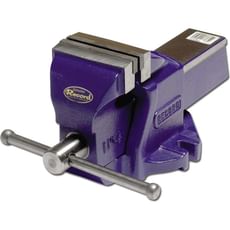
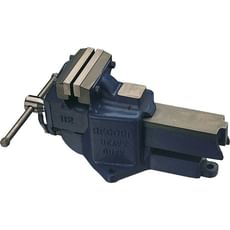
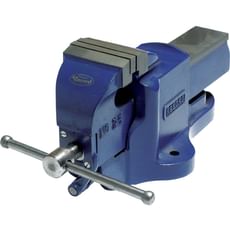
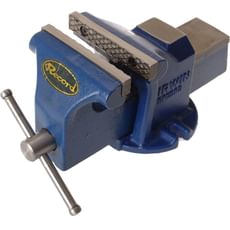
 Loading...
End of content
Error - No more pages to load
About Engineers & Mechanics Vices
Engineers and mechanics vices are indispensable bench-mounted tools designed to securely hold workpieces during metalworking, fabrication, and precision engineering tasks. These robust clamping devices feature hardened steel jaws that grip components with considerable force, leaving both hands free for operations including filing, drilling, sawing, grinding, and assembly work. Unlike woodworking vices, engineers vices are specifically engineered to withstand the demanding forces associated with metalwork, delivering superior clamping pressure and exceptional durability for professional tradespeople and dedicated DIY enthusiasts.
The distinction between engineers vices and mechanics vices lies primarily in their base configuration and intended application. Engineers vices typically incorporate a swivel base mechanism allowing 360-degree rotation, providing versatility for precision work requiring access from multiple angles. Mechanics vices feature a fixed base design bolted directly to the workbench, offering maximum rigidity and stability for heavy-duty automotive repair, maintenance work, and repetitive tasks. Both types are constructed from high-strength materials such as SG iron or cast steel, with hardened jaw faces to resist wear and deformation under load.
Available in jaw widths ranging from compact 75mm models through to substantial 150mm professional units, the selection at Tooled-Up.com includes quality options from trusted manufacturers including Record, Draper, and Sealey. Many models incorporate practical features such as quick release mechanisms for rapid jaw adjustment, replaceable jaw faces to protect finished surfaces, integrated pipe jaws for gripping cylindrical components, and anvil surfaces for light forming operations. Whether equipping a commercial engineering workshop, automotive garage, or home workshop, selecting the appropriate vice specification ensures efficient workholding for years of dependable service.
Jargon Buster
- Jaw Width: The horizontal measurement across the vice jaws when closed, typically ranging from 75mm to 150mm or greater. Wider jaws provide increased holding capacity for larger workpieces and distribute clamping pressure across a broader surface area.
- Throat Depth: The vertical distance from the top surface of the jaws down to the top of the slide bar mechanism. Greater throat depth allows positioning of workpieces further back from the bench edge, accommodating larger or awkwardly shaped components.
- Quick Release Mechanism: A mechanical feature enabling rapid opening and closing of the vice jaws without continuous rotation of the handle. The mechanism disengages the threaded screw for fast movement, then re-engages for final tightening, significantly improving productivity when frequently changing workpieces.
- Swivel Base: A rotating base plate assembly that permits the vice body to turn horizontally, typically through 360 degrees with multiple locking positions. This configuration enables improved access to the workpiece from different angles without removing and repositioning the component.
- SG Iron (Spheroidal Graphite Iron): A high-strength cast iron material offering superior tensile strength, impact resistance, and durability compared to standard grey cast iron. Professional-grade vices constructed from SG iron withstand heavier duty applications and provide extended service life in demanding workshop environments.
- Pipe Jaws: Curved or V-shaped grooved sections machined into the main jaw faces or incorporated into a secondary jaw assembly below the primary jaws, specifically designed for gripping cylindrical items such as pipes, rods, and round bar stock securely without damage or slippage.
Who Uses Engineers & Mechanics Vices?
- Precision Engineers: Mechanical engineers, toolmakers, and fitters requiring secure workholding for machining, assembly, and inspection operations in engineering workshops.
- Motor Vehicle Mechanics: Automotive technicians and garage professionals working on vehicle components, brake assemblies, suspension parts, and general mechanical repairs.
- Maintenance Engineers: Industrial maintenance teams performing repair, refurbishment, and preventative maintenance work on production machinery and plant equipment.
- Fabricators and Welders: Sheet metal workers, structural fabricators, and welding professionals requiring stable workholding for cutting, drilling, grinding, and finishing operations.
- Plumbers and Pipefitters: Heating engineers and pipefitting specialists who need to secure pipes and fittings whilst cutting threads, deburring, or assembling pipework systems.
- Agricultural Engineers: Farm machinery repair specialists and agricultural contractors maintaining and repairing farming equipment and implements.
- Model Engineers: Hobbyists and model makers working on precision miniature engineering projects, steam engines, and small-scale metalworking.
- Bicycle Mechanics: Cycle shop technicians and enthusiasts performing maintenance, repairs, and modifications to bicycle frames and components.
- Educational Facilities: Schools, colleges, universities, and training centres teaching engineering, metalwork, and fabrication skills to students and apprentices.
- DIY Enthusiasts: Home workshop users tackling metalwork projects, equipment repairs, restoration work, and general maintenance tasks.
How to Choose the Right Engineers & Mechanics Vices
Jaw Width and Opening Capacity: The jaw width represents the primary capacity indicator, with 100mm (4-inch) models suiting most general workshop applications. Professional engineering workshops handling larger components benefit from 125mm to 150mm models, whilst compact home workshops may find 75mm adequate for lighter metalwork. Consider both the jaw width and maximum opening capacity to ensure the vice accommodates your typical workpiece dimensions with sufficient clamping surface engagement.
Construction Quality and Materials: Professional workshops operating daily should prioritise heavy-duty vices constructed from SG iron or high-grade cast steel with hardened steel jaw faces. These materials withstand rigorous commercial use, maintain accuracy over extended periods, and resist deformation under heavy clamping loads. For occasional home workshop use, a well-manufactured cast iron vice from reputable brands such as Record or Draper provides excellent value and longevity. Inspect casting quality, machining finish, and threaded components as indicators of overall construction standards.
Swivel Base Versus Fixed Base: Engineers vices with swivel bases offer versatility for complex jobs requiring workpiece rotation and access from multiple angles, making them ideal for varied precision engineering work. The swivel mechanism typically locks at regular intervals around the full 360-degree rotation. Mechanics vices with fixed bases provide superior rigidity for heavy-duty applications, eliminating any potential movement or flex in the base assembly, making them preferable for repetitive automotive work and tasks involving significant lateral forces.
Quick Release Mechanism: Vices equipped with quick release mechanisms dramatically improve efficiency when frequently changing workpieces, as the threaded screw disengages for rapid jaw movement before re-engaging for final tightening. This feature proves particularly valuable in production environments, repair workshops, or when working through multiple similar components. Standard screw mechanisms without quick release represent simpler, more affordable options suitable for applications where workpieces remain clamped for extended periods.
Mounting Requirements and Bench Compatibility: Ensure your workbench construction can support the vice's weight (typically 15-30kg) and withstand the substantial clamping and working forces generated. Most engineers vices require through-bolting to a solid timber bench at least 40mm thick or a steel-framed engineer's bench. Check the base dimensions, bolt hole spacing, and projection below the bench match your bench configuration. Consider the vice's position on the bench to ensure adequate clearance for long workpieces and comfortable working height.
Additional Features: Evaluate supplementary features that enhance versatility and convenience. Integrated pipe jaws accommodate cylindrical components without requiring specialised soft jaws. Anvil surfaces on the rear body provide a convenient surface for light hammering and forming operations. Replaceable jaw faces extend the vice's working life and allow fitting of soft jaw protectors for delicate components. Consider whether these features align with your typical workshop tasks and justify any additional cost.
Popular Accessories
- Soft Jaw Protectors: Aluminium, copper, rubber, or magnetic jaw covers that prevent marking and damage to finished surfaces, plated components, and delicate workpieces during clamping operations.
- Replacement Jaw Faces: Hardened steel replacement jaws for worn or damaged vices, maintaining clamping effectiveness and extending the tool's service life.
- Vice Jaw Clamps and Accessories: Specialised clamps, v-blocks, and angle plates that extend the vice's versatility for holding awkward shapes, cylindrical components, and workpieces at specific angles.
- Bench Mounting Hardware: High-tensile coach bolts, washers, and nuts for secure permanent installation, ensuring the vice remains firmly attached under working loads.
- Hand Files and File Sets: Essential companions including flat, half-round, round, and square files for shaping and finishing work whilst components are held securely in the vice.
- Hacksaws and Blades: Quality hacksaws with bimetallic blades for cutting operations on metal stock, bar, and components held in the vice jaws.
- Engineering Squares and Marking Tools: Precision measuring equipment, scribers, centre punches, and marking gauges for accurate layout work on clamped workpieces.
- Taps and Dies Sets: Thread-cutting tools for creating internal and external threads on components held securely in the vice during threading operations.
- Workshop Maintenance Products: Engineering oil, spray lubricants, and cleaning brushes for maintaining the vice's slide mechanism and threaded screw in optimal condition.
- Anti-Fatigue Matting: Cushioned workshop flooring to improve comfort and reduce fatigue during extended periods working at the bench.
Safety Information
Secure Installation: Always mount your engineers vice to a substantial workbench using appropriately sized through-bolts fitted to all mounting holes. An inadequately secured vice can work loose under load, potentially causing serious injury or damage to workpieces and surrounding equipment. Follow the manufacturer's installation instructions carefully, ensuring bolts are tightened to the recommended torque specification. Periodically inspect and re-tighten fixings, particularly after heavy use or if any movement is detected.
Appropriate Clamping Force: Whilst engineers vices generate considerable clamping pressure through mechanical advantage, excessive force can damage delicate workpieces, distort precision components, or potentially fracture vice jaws and internal mechanisms. Apply only the force necessary to hold the work securely without deformation. Never extend the handle with additional leverage such as pipes or bars unless the manufacturer explicitly permits this practice, as doing so can exceed the vice's design limits and void warranties.
Eye Protection and PPE: Always wear appropriate safety glasses or goggles conforming to BS EN 166 when working on components held in a vice. Filing, drilling, grinding, cutting, and hammering operations generate flying debris, hot swarf, and metal particles that can cause serious eye injuries. Comply with HSE guidance on personal protective equipment in workshop environments, and ensure adequate lighting and ventilation when performing operations that generate dust or fumes.
Workpiece Security and Positioning: Ensure workpieces are properly seated in the jaw faces with maximum contact area and cannot slip or rotate unexpectedly during operations. Position work as close to the jaw faces as practical for maximum stability and rigidity. Never rely solely on a vice to hold work for operations generating significant forces perpendicular to the jaw faces without additional support or bracing. Be particularly cautious when working on irregular shapes or round stock that may roll or twist under load.
Regular Maintenance and Inspection: Maintain the vice slide mechanism and threaded screw clean and lightly lubricated with appropriate engineering oil or spray lubricant. Remove metal filings, swarf, and debris regularly using a stiff brush to prevent premature wear and ensure smooth operation. Inspect jaw faces for cracks, chips, or excessive wear, replacing them if damaged to maintain safe clamping effectiveness. Check the handle for security and the swivel base locking mechanism for proper engagement if applicable.
Frequently Asked Questions
What's the difference between an engineers vice and a mechanics vice?
Engineers vices typically incorporate a swivel base mechanism allowing 360-degree rotation with multiple locking positions, providing versatility for precision engineering work requiring access from different angles without repositioning the workpiece. Mechanics vices feature a fixed base design bolted directly to the bench, offering superior rigidity and stability for heavy-duty automotive work, repetitive tasks, and applications involving significant lateral forces. Both types provide strong clamping force suitable for metalwork, but engineers vices prioritise flexibility and versatility whilst mechanics vices emphasise maximum rigidity and robustness for demanding mechanical repair work.
What jaw width should I choose for general workshop use?
For most general engineering, mechanical, and metalworking applications, a 100mm (4-inch) jaw width provides an excellent balance of capacity, versatility, and bench space efficiency. This size comfortably handles the majority of common workshop tasks from small component work through to medium-sized fabrication projects. Professional workshops regularly handling larger components may benefit from 125mm or 150mm models, whilst compact home workshops or those primarily working on smaller items might find 75mm to 90mm models adequate for lighter duties whilst saving valuable bench space.
Can I mount a vice to any workbench?
Your workbench must be sufficiently substantial to support both the vice's considerable weight (often 15-30kg for quality models) and the significant clamping and working forces generated during use. A solid timber bench constructed from hardwood or quality softwood at least 40mm thick, or a purpose-built steel-framed engineer's bench, is strongly recommended. Tooled-Up stocks vices that should be through-bolted with appropriately sized coach bolts, large washers, and nuts rather than relying on screws or surface fixings. Lightweight DIY benches, hollow-core surfaces, and chipboard construction are generally unsuitable for mounting heavy-duty vices safely.
How do I maintain my engineers vice for long service life?
Regular maintenance ensures smooth operation and extends service life considerably. Clean the slide mechanism, threaded screw, and base assembly regularly using a stiff brush to remove accumulated metal filings, swarf, and debris that cause premature wear. Apply a light coating of engineering oil or appropriate spray lubricant to the slide bars and threaded screw, avoiding excessive lubrication which attracts more debris. Inspect jaw faces periodically for damage, dressing minor burrs with a fine file. If jaws become severely worn, cracked, or damaged, replacement jaw sets are available for quality vices from manufacturers such as Record. Check mounting bolts remain tight, particularly after heavy use.
Should I choose a quick release vice or standard screw mechanism?
Quick release mechanisms significantly improve productivity and reduce fatigue when you frequently change workpieces throughout the working day, as they allow rapid opening and closing of the jaws without continuous handle rotation. This feature proves particularly valuable in production environments, busy repair workshops, or when working through batches of similar components requiring repeated clamping and release cycles. However, quick release vices typically cost more and introduce additional mechanical complexity. For occasional workshop use or applications where workpieces remain clamped for extended periods during lengthy operations, a standard screw mechanism may represent better value whilst providing simpler, more robust construction with fewer potential wear points.