

Engravers
Pay in 3 interest-free payments on purchases from £30-2000 with  . Learn more.
 Loading...
End of content
Error - No more pages to load
About Engravers
Engravers are versatile handheld tools designed to permanently mark, etch, or inscribe text, numbers, logos, and decorative patterns onto a wide variety of materials. From metal and glass to wood, plastic, leather, and ceramics, these compact devices provide an affordable and effective solution for both practical security marking and creative personalisation projects. Whether you're a tradesperson needing to tag equipment for asset management, a DIY enthusiast adding custom touches to homemade gifts, or a craftsperson producing bespoke items, engravers offer precision control in a portable package.
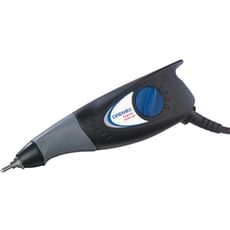
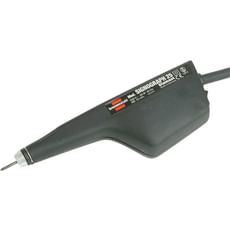
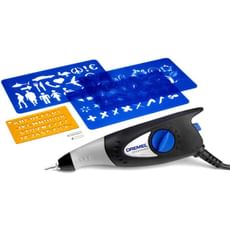
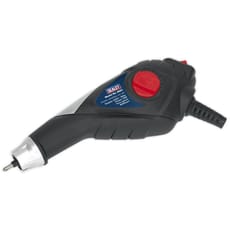
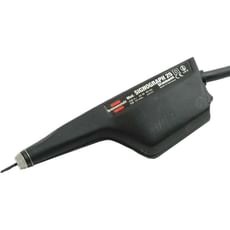
Modern engravers come in several configurations, from simple electric stylus models to more sophisticated multi-speed rotary tools. Basic engravers typically feature a vibrating or rotating tip that scratches or etches the surface, whilst more advanced models offer variable speed settings, interchangeable heads, and accessories for different materials and effects. Popular models available from Tooled-Up.com include the Brennenstuhl Signograph range, known for its reliability in workshop environments, and Dremel engraving tools, which offer versatility for both hobby and professional applications.
The selection at Tooled-Up includes trusted brands such as Brennenstuhl, Dremel, Draper, and Sealey, with options ranging from straightforward single-speed engravers perfect for basic identification tasks to feature-rich systems for precision work. Whether you're marking tools for theft prevention, personalising gifts, creating signage, or adding decorative details to craft projects, there's an engraver suited to your requirements and budget.
Jargon Buster
- Diamond Stylus: An engraving tip with a diamond-coated point, offering exceptional hardness and durability for marking extremely hard surfaces such as tempered glass, hardened steel, and ceramics. Diamond styli maintain their sharpness far longer than standard tips.
- Tungsten Carbide Tip: A hard-wearing engraving point made from tungsten carbide alloy, ideal for general-purpose engraving on metals, plastics, and wood. More affordable than diamond tips whilst still providing excellent longevity and performance on most materials.
- Vibration Engraving: A technique where the engraving tip rapidly vibrates (oscillates) to create marks on the material surface. This method is common in electric stylus engravers and works well on most materials without generating excessive heat.
- Rotary Engraver: An engraving tool that uses a spinning bit or burr to cut into the material, similar to a miniature drill. Rotary engravers typically offer variable speed control and are excellent for detailed work, intricate designs, and softer materials.
- Forming Head: An interchangeable attachment or tip that shapes the engraving mark in a specific way, such as pointed for fine lines, rounded for broader strokes, or flat for wider channels. Different forming heads suit different materials and applications.
- Freehand vs Template Engraving: Freehand engraving involves drawing or writing directly on the surface without guides, whilst template engraving uses stencils or guides to ensure accurate reproduction of letters, numbers, or symbols with consistent sizing and spacing.
Who Uses Engravers?
Engravers serve a diverse range of users across professional trades, creative industries, and domestic applications:
- Tradespeople and contractors: Electricians, plumbers, builders, and other site workers use engravers to permanently mark tools and equipment with identification codes, reducing theft risk and improving asset management on busy construction sites.
- Engineers and machinists: Marking component numbers, batch codes, and specifications directly onto metalwork, machinery parts, and fabricated items for traceability and quality control purposes.
- Jewellers and metalsmiths: Creating hallmarks, engraving names, dates, or messages onto rings, bracelets, watches, and other precious metal items for personalisation and identification.
- Craftspeople and artisans: Adding decorative patterns, signatures, or custom designs to handmade items including woodwork, leathercraft, glassware, and ceramics.
- Sign makers and shopfitters: Producing permanent signage, nameplates, and identification labels for commercial and industrial applications.
- Schools and educational facilities: Marking valuable equipment, musical instruments, laptops, and other assets with identification codes for security and inventory management.
- DIY enthusiasts and hobbyists: Personalising gifts, creating custom homeware, marking garden tools, and adding decorative touches to craft projects.
- Security professionals: Implementing property marking schemes such as postcode engraving on valuables to deter theft and aid recovery of stolen items.
How to Choose the Right Engravers
Selecting the appropriate engraver depends on your intended applications, materials, and frequency of use. Consider these key factors when making your decision:
Power Source and Type: Basic electric engravers operate from mains power (240v) and are ideal for occasional use and simple marking tasks. Battery-powered models offer greater portability for site work but may have less power. Consider whether you need a straightforward vibration engraver for text and numbers, or a more versatile rotary tool for detailed artistic work.
Material Compatibility: Identify which materials you'll be working with most frequently. Diamond-tipped models excel on glass, ceramics, and hardened metals, whilst tungsten carbide tips provide excellent all-round performance on softer metals, plastics, and wood. Some engravers include multiple tips or forming heads for different materials and effects.
Speed Control: Variable speed settings allow you to adjust the engraving intensity to suit different materials and achieve varying depths and finishes. Single-speed models are more economical but offer less versatility. Multi-speed options provide greater control for professional results across diverse applications.
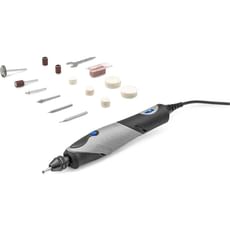
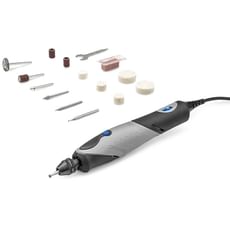
Ergonomics and Handling: For extended use or detailed work, consider the tool's weight, grip design, and balance. Slimmer pencil-style engravers like the Dremel Stylo+ offer excellent control for fine detail, whilst more robust models suit heavier-duty marking tasks. Test the grip comfort if possible, especially for repetitive use.
Accessories and Extras: Some engravers come as complete kits with multiple tips, stencils, templates, and carrying cases, offering better value for comprehensive requirements. Others are sold as basic units, allowing you to purchase only the specific accessories you need. Consider what's included and whether additional items are readily available.
Application Requirements: For simple tool identification and security marking, a straightforward single-speed model like the Brennenstuhl Signograph provides reliable, cost-effective performance. Creative applications, personalisation work, and detailed designs benefit from more sophisticated models with variable speed and interchangeable accessories.
Popular Accessories
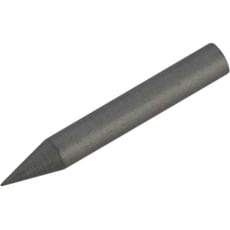
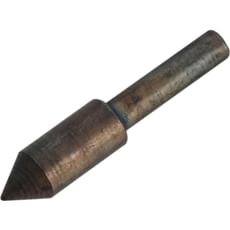
- Replacement Tips and Styli: Diamond, tungsten carbide, and hard metal points wear over time with regular use. Keep spare tips on hand to maintain consistent engraving quality without interruption to your work.
- Forming Heads: Interchangeable pointed, rounded, and flat heads allow you to create different line widths and effects, adapting a single engraver to various applications and materials.
- Stencil and Template Sets: Pre-formed letters, numbers, and symbols in various sizes ensure uniform, professional-looking results when marking equipment or creating signage without requiring artistic skill.
- Engraving Bits and Burrs: For rotary engravers, different shaped cutting bits enable specific effects including fine lines, broad channels, stippling, and decorative patterns on various materials.
- Protective Eyewear: Essential when engraving to protect against flying particles, especially when working with metal, glass, or ceramic materials.
- Dust Masks: Useful when engraving generates fine dust or particles, particularly with wood, plastics, and certain composite materials.
- Work Clamps and Vices: Secure workpieces firmly in place for greater accuracy and safety during engraving, especially important for small items or detailed work.
Safety Information
Whilst engravers are generally safe tools, following proper precautions ensures injury-free operation:
Eye Protection: Always wear safety glasses or goggles when engraving. The process can generate small particles and fragments that may fly towards your face, particularly when working with hard materials like metal, glass, or ceramics.
Dust and Fume Management: Work in well-ventilated areas and consider wearing a dust mask, especially when engraving plastics, treated wood, or materials that produce fine dust. Some materials may release irritating particles or fumes when engraved. Follow COSHH guidelines when working with potentially hazardous materials.
Electrical Safety: Use engravers with properly earthed 240v UK plugs and check cables regularly for damage. Keep electrical components away from water or damp conditions, and never operate with wet hands. Ensure compliance with relevant BS/EN electrical safety standards.
Secure Workpieces: Always clamp or firmly secure items being engraved to prevent slipping, which could cause injury or damage. Never hold small items in your hand whilst engraving them.
Tip Temperature: Some engraving tips can become warm during extended use. Allow adequate cooling time before changing tips or accessories, and avoid touching the working end immediately after use.
Material Suitability: Ensure the engraver and tip type are appropriate for your material. Using incorrect tips may cause breakage, poor results, or potential hazards. Consult manufacturer guidance for material compatibility.
Frequently Asked Questions
What materials can I engrave with an electric engraver?
Most electric engravers can mark metal, plastic, wood, leather, glass, and ceramics. The key is matching the correct tip to your material – diamond styli work best on glass and very hard materials, whilst tungsten carbide tips are ideal for general metals, plastics, and wood. Always check the manufacturer's specifications for your specific model.
How do I mark my tools to deter theft?
Use your engraver to permanently mark your postcode and house number onto metal surfaces of valuable tools and equipment. This makes items identifiable if stolen and less attractive to thieves. Many police forces in the UK recommend property marking as part of crime prevention strategies. Register marked items with services like Immobilise for additional security.
Can I use engravers for detailed artistic work?
Yes, though results depend on the engraver type and your skill level. Rotary engravers with variable speed control, like certain Dremel models, offer excellent control for detailed creative work. Practice on scrap materials first to develop technique and understand your tool's capabilities.
Do I need different tips for different materials?
Whilst some tips work across multiple materials, optimal results come from matching the tip to your application. Diamond-coated styli excel on glass, ceramics, and hardened steel. Tungsten carbide tips provide excellent general-purpose performance on softer metals, plastics, and wood. Hard metal styli offer a budget-friendly option for occasional use on less demanding materials.
How deep can an electric engraver mark?
Depth varies by tool power, tip type, material hardness, and technique. Most handheld electric engravers create surface marks between 0.1mm and 1mm deep – sufficient for permanent identification but not deep carving. Multiple passes can increase depth on softer materials.