

ESD Gloves
Pay in 3 interest-free payments on purchases from £30-2000 with  . Learn more.

 Loading...
End of content
Error - No more pages to load
About ESD Gloves
ESD gloves are specialised hand protection designed to safely dissipate electrostatic discharge while providing the dexterity and comfort required for precision work with sensitive electronic components. These gloves prevent static electricity buildup that can damage delicate circuitry, microchips, and other electronic equipment—damage that often occurs at levels completely undetectable to humans. Unlike standard work gloves that may actually generate or trap static charge, ESD (Electrostatic Discharge) gloves feature conductive fibres—typically carbon or metal-coated materials—woven into the fabric that channel static electricity safely away from sensitive components and towards the ground in a controlled manner.
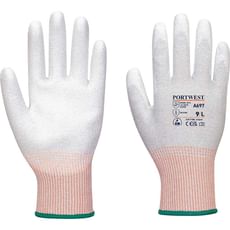
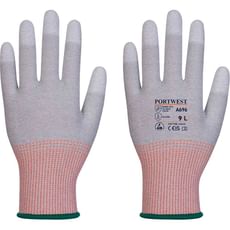
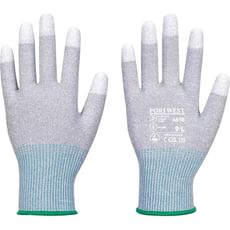
The range available from Tooled-Up.com combines static protection with practical features such as PU (polyurethane) coating for enhanced grip, cut resistance ratings for added safety, and breathable materials for all-day comfort during extended shifts. Whether you're assembling circuit boards, handling semiconductor devices, performing electronic repairs, or upgrading computer systems, ESD gloves provide the dual benefit of protecting both your components from electrostatic damage and your hands from cuts and abrasions. Available in various styles including fingertip-dipped options like the Portwest LR13 for maximum breathability, and palm-dipped versions for more comprehensive coverage, these gloves offer flexibility to suit different tasks and working environments.
Quality manufacturers like Portwest produce ESD gloves to meet stringent industry standards, ensuring reliable static dissipation properties whilst maintaining the tactile sensitivity required for intricate electronic work. These gloves are an essential component of any properly equipped ESD-safe workstation, working alongside anti-static wrist straps, grounded work mats, and other protective equipment to create a comprehensive static control environment that meets BS EN and IEC 61340 standards for electrostatic discharge protection.
Jargon Buster
- ESD (Electrostatic Discharge) - The sudden flow of electricity between two objects caused by contact, friction, or electrical short. Can damage sensitive electronic components even at levels undetectable to humans, potentially destroying microchips and circuits worth hundreds or thousands of pounds.
- Surface Resistivity - A measurement of how easily electrical current flows across the surface of a material, expressed in ohms. ESD gloves typically have a surface resistivity between 106 and 10¹¹ ohms to provide safe static dissipation without creating a direct short circuit path.
- PU Coating - Polyurethane coating applied to glove surfaces for improved grip, flexibility, and durability whilst maintaining breathability and tactile sensitivity. This coating can be applied to fingertips only or across the entire palm depending on the application requirements.
- Cut Resistance Level - Protection rating against cuts from sharp objects, rated using EN 388 standards with levels from A to F, with F offering the highest protection. Level B cut resistance is common in electronics work where PCB edges and component leads present cutting hazards.
- Static Dissipative - Materials that allow static electricity to flow through them at a controlled rate, preventing sudden discharge that could damage components. Different from conductive materials which allow rapid charge transfer, and insulative materials which trap charge.
- Carbon Fibre Shell - A glove liner construction incorporating carbon fibres woven into polyester or nylon, providing the conductive pathways necessary for controlled static dissipation whilst maintaining flexibility and comfort.
Who Uses ESD Gloves?
- Electronics Assembly Workers - Manufacturing and assembling circuit boards, smartphones, tablets, consumer electronics, and automotive electronic systems
- IT Technicians and Computer Repair Specialists - Building, repairing, and upgrading computers, servers, networking equipment, and data centre hardware
- Telecommunications Engineers - Installing and maintaining communication systems, fibre optic equipment, mobile phone infrastructure, and data transmission systems
- Aerospace and Defence Technicians - Working with sensitive avionics, navigation systems, electronic control systems, and mission-critical military electronics
- Laboratory Technicians - Handling sensitive measuring equipment, electronic instrumentation, analytical devices, and calibration equipment
- Semiconductor Manufacturing Workers - Producing, testing, and packaging microchips, integrated circuits, and other silicon-based components
- Medical Equipment Technicians - Servicing, repairing, and calibrating sensitive diagnostic equipment, patient monitoring systems, and imaging devices
- Quality Control Inspectors - Testing and inspecting electronic components, performing electrical testing, and verifying product compliance in manufacturing environments
- Automotive Electronics Specialists - Working with modern vehicle ECUs, sensor systems, infotainment units, and electric vehicle battery management systems
- Hobbyists and Makers - DIY electronics enthusiasts working on Arduino projects, Raspberry Pi builds, custom PC assemblies, and electronic repair at home
How to Choose the Right ESD Gloves
Coating Style: Consider whether fingertip-dipped or palm-dipped gloves suit your application best. Fingertip options like the Portwest LR13 and MR13 fingertip models offer excellent breathability and are ideal for delicate assembly work where maximum air circulation is beneficial during long shifts. Palm-dipped versions such as the Portwest LR13 and MR13 palm variants provide more comprehensive protection for handling larger components or working in environments where hand protection across the entire gripping surface is paramount.
Cut Resistance Level: If you're working with sharp components, PCB edges with exposed copper traces, metal chassis, or component leads, opt for cut-resistant ESD gloves with appropriate EN 388 ratings. Level B cut resistance provides good protection for most electronics work without significantly compromising the dexterity needed for intricate tasks. Check the specific rating to ensure adequate protection for your application—higher ratings offer more protection but may reduce tactile sensitivity.
Shell Construction: The glove liner material affects both comfort and performance. A 13-gauge polyester and carbon fibre shell provides an excellent balance of flexibility, breathability, and static dissipation. The seamless construction reduces irritation and the risk of particle generation in cleanroom environments, whilst the carbon fibres create the conductive pathways essential for ESD protection.
Size and Fit: Properly fitted gloves are crucial for both safety and productivity. Tooled-Up stocks ESD gloves in multiple sizes to ensure the right fit for every user. Gloves that are too large reduce tactile sensitivity, increase the risk of snagging on components, and can compromise your ability to handle small parts securely. Conversely, tight gloves cause hand fatigue and discomfort during extended wear, reducing productivity and potentially leading to hand strain injuries.
Compliance and Certification: Ensure gloves meet relevant BS EN standards for both ESD protection and mechanical performance. Look for documented surface resistivity values and conformance to IEC 61340-5-1 standards for electrostatic control in electronics manufacturing. This certification ensures the gloves will provide consistent static protection throughout their working life when properly maintained.
Durability Requirements: Balance protection against wear life for your specific environment. Features like reinforced thumb crotch areas extend glove lifespan in high-wear zones, whilst the quality of PU coating affects both grip performance and how long the gloves maintain their protective properties. Consider your working conditions—heavier component handling requires more robust gloves than precision assembly work.
Touchscreen Compatibility: Many modern ESD gloves are suitable for use with touchscreen devices, allowing you to operate tablets, smartphones, and touchscreen test equipment without removing your gloves. This feature maintains static protection whilst improving workflow efficiency in environments where electronic documentation or testing equipment is used.
Popular Accessories
- Anti-Static Wrist Straps - Essential complement to ESD gloves, grounding the user directly to prevent charge buildup on the body and arms that gloves alone cannot address
- ESD Workstation Mats - Create a complete static-safe working surface for sensitive electronic assembly, repair, and testing work, properly grounded to building earth
- Anti-Static Workwear - Portwest and other brands offer ESD-safe jackets, coats, and overalls to protect components from static generated by regular clothing fabrics
- ESD-Safe Tool Kits - Precision screwdrivers, tweezers, pliers, and cutters with static dissipative handles from brands like Wera and Wiha designed specifically for electronics work
- Component Storage Boxes - Anti-static containers, bins, and organisers for safely storing sensitive electronic parts, preventing damage during storage and transport
- Surface Resistance Meters - Testing equipment to verify ESD protection effectiveness of gloves, work surfaces, and other protective equipment, ensuring compliance with standards
- ESD-Safe Cleaning Products - Specialised wipes and cleaning solutions that maintain glove performance and extend lifespan without compromising static dissipative properties
- Finger Cots - Alternative protection for tasks requiring maximum sensitivity on just one or two fingers, useful for inspection and testing operations
- Grounding Plugs and Cables - Essential infrastructure for connecting wrist straps and mats to proper earth ground, ensuring effective static dissipation
Safety Information
Whilst ESD gloves are designed primarily to protect sensitive electronic components from static damage, they also provide important hand protection for the wearer against cuts, abrasions, and contact with sharp edges. Always inspect gloves before use for tears, punctures, holes, or excessive wear that could compromise both static protection and physical safety. Replace damaged gloves immediately as compromised material may not provide adequate ESD protection, and damaged coating can reduce grip performance, increasing the risk of dropping expensive components.
ESD gloves should be part of a comprehensive static control programme that includes proper grounding through wrist straps, appropriate ESD work surfaces, humidity control, and regular testing of ESD protective equipment using calibrated meters. In accordance with HSE guidelines, employers should conduct risk assessments to determine appropriate PPE requirements for electronics handling tasks, and provide adequate training on the proper use and limitations of ESD protective equipment.
Critical Warning: ESD gloves are not electrically insulated and should never be used for electrical work involving live circuits, mains voltage, or any electrical installation work. For work on electrical systems operating at 240v or any voltage level, use properly rated insulated gloves that meet relevant BS EN 60903 standards for electrical safety. ESD gloves provide static dissipation, not electrical insulation—using them for electrical work could result in serious injury or death.
Keep ESD gloves clean and dry for optimal performance, as contaminants such as oils, lotions, dirt, and moisture can affect both static dissipative properties and grip performance. Wash gloves regularly according to manufacturer guidelines to remove insulating contamination that can interfere with static dissipation. Store gloves in a cool, dry location away from direct sunlight, ozone, and chemicals that could degrade the polyurethane coating or carbon fibres. Follow manufacturer guidelines regarding the working lifespan of gloves, as static dissipative properties can diminish over time even with proper care and storage.
When working in environments with moving machinery, rotating equipment, or conveyors, be aware that gloves can present snagging hazards. Ensure gloves fit properly and consider the specific risks of your working environment. Replace gloves that show signs of degradation such as hardening, cracking, loss of coating, or reduced flexibility, as these indicators suggest the gloves may no longer provide adequate protection.
Frequently Asked Questions
Can I wash ESD gloves?
Yes, most ESD gloves including Portwest models can be hand washed in lukewarm water with mild soap to remove oils, skin cells, and other contaminants that can affect performance. Avoid harsh detergents, bleach, or hot water that could damage the carbon fibres or polyurethane coating. Allow gloves to air dry completely before use—never use a tumble dryer or direct heat source. Regular cleaning actually helps maintain ESD properties by removing insulating contamination that can interfere with static dissipation. However, always check the manufacturer's specific washing instructions, as some specialty gloves may have different care requirements.
How long do ESD gloves last?
The lifespan of ESD gloves depends on usage frequency, working conditions, and the care they receive, but typically ranges from several weeks to several months of regular use. Signs that gloves need replacing include visible wear of the PU coating, tears or holes in the shell, loss of grip, or hardening of the material. Many facilities implement periodic testing schedules using surface resistance meters to verify ESD protection levels remain within acceptable ranges (typically 106 to 10¹¹ ohms) throughout the glove's working life. In high-volume production environments, gloves may need monthly replacement, whilst occasional users might achieve longer service life with proper care and storage.
What's the difference between ESD gloves and regular work gloves?
ESD gloves incorporate conductive fibres—typically carbon or metal-coated materials—woven into the shell that allow controlled dissipation of static electricity at a rate that protects sensitive electronics. Standard work gloves made from rubber, leather, or synthetic materials may actually generate significant static charge through friction or trap static electricity, potentially causing component damage. Regular work gloves prioritise mechanical protection such as cut resistance, abrasion resistance, or chemical protection, whilst ESD gloves balance static control with adequate dexterity and sufficient protection for electronics handling tasks. You cannot substitute regular gloves for ESD gloves when working with static-sensitive components.
Do I need to wear an anti-static wrist strap if I'm using ESD gloves?
Yes, in most professional settings you should use both. ESD gloves protect components you're directly handling by preventing static transfer from your fingers and hands, but a wrist strap grounds your entire body, preventing charge buildup on your arms, torso, and legs that could discharge through your hands despite wearing gloves. Together, they provide comprehensive static protection throughout your body. The wrist strap is particularly important when working at a proper ESD workstation with a grounded mat, creating a complete static-safe environment as recommended by IEC 61340-5-1 and industry best practices. Some high-sensitivity environments such as semiconductor manufacturing require both gloves and wrist straps as mandatory PPE.
Are ESD gloves suitable for cleanroom environments?
Many ESD gloves, including Portwest options with seamless construction and PU coating, are suitable for cleanroom use as they generate minimal particulates and don't shed fibres like some fabric gloves. The 13-gauge seamless construction reduces particle generation compared to cut-and-sewn gloves. However, for high-level cleanrooms (ISO Class 4-5 or Class 10-100 in older classifications), you may need specialised cleanroom-certified ESD gloves that have been tested for particle generation and outgassing. Check the glove's cleanroom classification rating and ensure it meets the specific ISO 14644 requirements of your controlled environment before use. Consider that palm-dipped gloves may be preferable to fingertip-dipped in some cleanroom applications as they expose less fabric surface area.