

Exhaust Stands

Pay in 3 interest-free payments on purchases from £20-£3000 with  . Learn more.
 Loading...
End of content
Error - No more pages to load
About Exhaust Stands
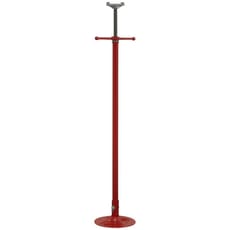
Exhaust stands are indispensable workshop tools designed to support and stabilise vehicle exhaust systems during removal, installation, and repair operations. These robust support devices provide mechanics with a safe, hands-free solution for holding exhaust components at the optimal working height, eliminating the need for makeshift supports or additional personnel to hold heavy exhaust sections in position. By preventing damage to delicate exhaust components whilst reducing physical strain, exhaust stands make what can be an awkward and challenging task significantly more manageable and efficient.
The construction of professional exhaust stands typically features heavy-duty steel frames with wide, stable bases to ensure secure positioning even when supporting substantial weight. Most models incorporate adjustable height mechanisms—commonly screw-thread or telescopic systems—allowing technicians to position exhaust systems at precisely the right working height for different vehicle types and ground clearances. Quality exhaust stands feature protective support pads with rubber or cushioned surfaces that cradle exhaust components without causing scratches, dents, or damage to stainless steel or chrome finishes.
Whether you're working in a busy independent garage, operating as a mobile mechanic, or maintaining your own vehicle fleet, investing in a reliable exhaust stand from Tooled-Up.com transforms exhaust system work from a frustrating struggle into a controlled, professional operation. Modern exhaust stands offer impressive load capacities—some models rated at 750kg or higher—making them suitable for everything from compact cars through to commercial vehicles, vans, and light trucks.
Jargon Buster
- Load Capacity
- The maximum weight that the exhaust stand can safely support, typically expressed in kilograms. Professional-grade stands may offer capacities from 30kg for light-duty applications up to 750kg for heavy commercial vehicle exhaust systems. Always select a stand with capacity exceeding your heaviest anticipated load.
- Height Adjustment Range
- The minimum and maximum working heights achievable, usually adjusted through screw-thread mechanisms or telescopic poles with locking positions. This specification ensures compatibility with different vehicle ground clearances, from low-profile sports cars to high-riding 4x4s and commercial vehicles.
- Screw Adjustment Mechanism
- A threaded column system allowing precise, controlled height adjustment through rotation of a spinner nut or handle. Often incorporates ball-bearing thrust races for smooth operation under load, providing fine-tuned positioning and excellent stability once set.
- Support Pad
- The cushioned or rubber-coated contact surface that cradles the exhaust system. Quality support pads distribute weight evenly whilst preventing surface damage to exhaust components, particularly important when handling polished stainless steel or chrome-finished systems.
- Base Footprint
- The size and configuration of the stand's base plate, which determines overall stability during operation. Wider footprints with triangular or cruciform designs provide superior stability, especially when supporting heavier components at extended heights. Some models feature removable bases for easier storage and transportation.
Who Uses Exhaust Stands?
- Motor Mechanics and Vehicle Technicians: Professional garage staff performing routine exhaust repairs, replacements, and servicing across diverse vehicle types
- MOT Testing Centres: Technicians requiring safe support whilst inspecting exhaust systems for leaks, corrosion, security, and emissions compliance
- Mobile Mechanics: Travelling technicians needing portable, reliable equipment for on-site exhaust repairs and replacements
- Fleet Maintenance Workshops: Teams maintaining company vehicles, delivery vans, and commercial fleets with regular exhaust system servicing schedules
- Classic Car Restoration Specialists: Professionals working on vintage vehicles who require careful support for rare, custom, or delicate exhaust systems
- Fast-Fit Centres: High-volume exhaust and tyre fitting operations requiring durable equipment for repeated daily use
- Agricultural and Plant Mechanics: Engineers servicing farm machinery, construction equipment, and plant vehicles with exhaust systems
- Motorsport Technicians: Engineers working on performance exhausts and custom systems requiring precise positioning and careful handling
- Enthusiastic DIY Mechanics: Home workshop users undertaking their own vehicle maintenance, repairs, and modifications
How to Choose the Right Exhaust Stands
Selecting an appropriate exhaust stand begins with evaluating the load capacity required for your typical applications. Whilst standard car exhausts rarely exceed 30-50kg, larger vehicles present different challenges. Commercial van systems, 4x4 exhausts, and diesel engine assemblies can be considerably heavier, so ensure your chosen stand comfortably exceeds your maximum anticipated load with a safety margin. The Sealey range available at Tooled-Up includes heavy-duty models with capacities up to 750kg, suitable for virtually any road-going vehicle.
Height adjustment range deserves careful consideration. Measure the typical working heights required in your workshop environment, accounting for the lowest and highest vehicles you service. Sports cars with minimal ground clearance demand different minimum heights compared to lifted 4x4s or high-riding commercial vehicles. Look for stands offering broad adjustment ranges—models spanning 668mm adjustment range or more provide versatility across diverse vehicle types. The adjustment mechanism itself matters significantly: screw-thread systems with spinner nuts and ball-bearing thrust races offer smooth, precise positioning and excellent stability under load, whilst pin-and-hole telescopic systems provide quick adjustment but with less fine control.
Construction quality directly impacts longevity and safety. Examine welded steel construction rather than pressed or bolted assemblies, which may flex or fail under repeated use. The base configuration determines stability—wider footprints with triangular or cross-braced designs resist tipping, particularly when supporting loads at extended heights. Some professional-grade stands feature removable bases that facilitate easier storage and transportation without compromising stability during deployment. Support pad quality also warrants attention: substantial rubber or cushioned padding protects exhaust finishes whilst providing sufficient grip to prevent slipping, particularly important when working with polished or chrome components.
Finally, consider portability and storage requirements. Mobile mechanics benefit from stands that collapse or disassemble for transportation between job sites, whilst busy workshops may prioritise maximum stability over space-saving features. Examine the locking mechanism carefully—positive locks with clear engagement indicators prevent accidental height changes during use, which could prove dangerous when working beneath vehicles.
Popular Accessories
- Axle Stands and Jack Stands: Essential vehicle support equipment for safe working beneath raised vehicles during exhaust operations
- Trolley Jacks and Service Jacks: Lifting equipment for raising vehicles to access exhaust systems and position exhaust stands
- Exhaust Cutters and Pipe Slices: Specialised cutting tools for removing corroded, seized, or damaged exhaust sections
- Socket Sets and Impact Wrench Accessories: Hand and power tool accessories for removing exhaust clamps, brackets, manifold fixings, and lambda sensors
- Exhaust Assembly Paste and Sealant: High-temperature jointing compounds ensuring gas-tight seals at flange connections and slip joints
- Rubber Exhaust Mounting Bushes: Replacement hangers and isolators that support exhaust systems from vehicle chassis whilst allowing controlled movement
- Penetrating Oil and Release Sprays: Chemical aids for loosening seized exhaust bolts, clamps, and corroded fixings
- LED Work Lights and Inspection Lamps: Portable lighting to illuminate underside workspaces and inspection areas
- Mechanics Creepers: Low-profile wheeled platforms providing comfortable positioning beneath vehicles during exhaust work
- Safety Glasses and Work Gloves: Personal protective equipment essential for exhaust work involving rust, debris, sharp edges, and hot components
Safety Information
Safe use of exhaust stands requires proper vehicle support as the foundation of all operations. Never rely solely on a hydraulic trolley jack—always position the vehicle securely on rated axle stands or a commercial vehicle lift before commencing exhaust work. Before positioning an exhaust stand, verify that exhaust components have fully cooled, as recently operated systems retain dangerous heat levels for extended periods, potentially causing severe burns.
Always verify the exhaust stand's load capacity against the actual weight of the exhaust system you're supporting, never exceeding manufacturer specifications. Position exhaust stands exclusively on level, solid ground to prevent tipping, settling, or base deformation during use. Ensure locking mechanisms fully engage before releasing exhaust weight onto the stand, and periodically verify security throughout extended operations as vibration from cutting or manipulation may affect positioning.
Wear appropriate personal protective equipment including safety glasses or face shields to protect against falling rust particles, scale, and metal debris when working beneath vehicles. Sturdy work gloves protect hands when handling exhaust components with sharp edges, corroded surfaces, or residual heat. The Health and Safety Executive (HSE) provides comprehensive guidance on safe vehicle maintenance practices—familiarise yourself with relevant requirements, particularly regarding vehicle support, working at height, and manual handling of heavy components.
Be mindful of additional hazards when exhaust work involves cutting, grinding, or welding operations. These activities generate sparks, fumes, and hot metal requiring additional precautions including fire extinguisher availability, adequate ventilation, and appropriate respiratory protection. Never perform hot work near fuel systems, and allow adequate cooling time before handling freshly cut exhaust sections.
Frequently Asked Questions
What load capacity exhaust stand do I need for general garage work?
For typical car and light van exhausts, a capacity of 30-75kg suffices for most applications. However, professional workshops servicing diverse vehicle types—including commercial vehicles, 4x4s, and diesel-powered models—benefit significantly from heavy-duty stands rated at 100kg or higher. The Sealey models stocked at Tooled-Up.com include professional-grade options with 750kg capacity, providing substantial safety margins and versatility across virtually any vehicle type you're likely to encounter.
Can one exhaust stand handle a complete exhaust system removal?
Many single-section exhaust removals and installations can be accomplished with a single well-positioned stand, particularly on smaller vehicles with relatively short exhaust assemblies. However, having two stands available proves advantageous for longer exhaust systems, complex multi-section assemblies, or when working single-handed. Two stands provide better balance and control throughout the operation, reducing risk of component damage and making alignment during installation considerably easier.
What height adjustment range should I look for?
The ideal adjustment range depends on the vehicle types you service regularly. A minimum height around 1300-1400mm accommodates most standard cars and vans, whilst maximum heights of 2000mm or above provide clearance for high-riding 4x4s, commercial vehicles, and lifted chassis. Models offering 650-700mm adjustment range provide excellent versatility. Always measure your specific requirements, considering both the lowest sports cars and highest commercial vehicles you anticipate working on.
How do I prevent exhaust components slipping off the stand during use?
Correct positioning is fundamental—place the support pad against a stable straight section of pipework rather than joints, silencer ends, or flexible sections. Quality stands feature substantial rubber or cushioned support pads that provide grip whilst protecting finishes. Position the stand to balance the load, accounting for the exhaust system's centre of gravity. Always test stability by applying gentle downward pressure before fully releasing the exhaust weight, and reposition if any movement or instability is detected.
What maintenance do exhaust stands require?
Regular inspection forms the foundation of exhaust stand maintenance. Check welded joints, base integrity, and adjustment mechanisms for damage, cracks, or deformation before each use. Keep screw-thread adjusters clean and apply light lubrication periodically to ensure smooth operation—ball-bearing thrust races particularly benefit from occasional lubrication. Inspect support pads for wear, deterioration, or hardening, replacing when damaged. Store in dry conditions to prevent corrosion, and never use stands showing structural damage, bent components, or compromised locking mechanisms. Quality professional stands properly maintained provide many years of reliable service.