

Exhaust Tools

Pay in 3 interest-free payments on purchases from £20-£3000 with  . Learn more.
 Loading...
End of content
Error - No more pages to load
About Exhaust Tools
Exhaust tools represent a specialised category of automotive equipment designed specifically for the maintenance, repair, and replacement of vehicle exhaust systems. Whether you're a professional motor mechanic working in a busy garage or a DIY enthusiast tackling vehicle maintenance at home, having the right exhaust tools transforms challenging jobs involving corroded fixings, stubborn pipework, and complex manufacturer-specific components into manageable tasks. The selection available at Tooled-Up.com encompasses everything from pipe cutters and expanders to fume extraction systems and emergency repair materials.
Modern exhaust systems have evolved considerably, featuring increasingly complex designs with varied fixing methods that demand specialist tools for effective work. Spring clamps, collar-type joints, and proprietary fixing systems vary significantly between manufacturers – VAG vehicles typically employ spring tension clamps, whilst PSA Group vehicles (Peugeot and Citroën) utilise collar joints requiring specific pliers. Having manufacturer-appropriate equipment prevents component damage, reduces working time, and ensures professional results whether you're conducting routine maintenance or emergency repairs.
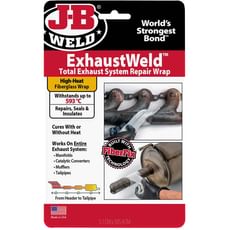
The range includes professional-grade cutting, expanding, clamping, and joining tools from leading brands such as Sealey, Facom, and Draper. For quick repairs, products from CarPlan and J-B Weld offer temporary or permanent solutions for common exhaust issues including cracks, holes, and leaking joints. Workshop safety equipment, particularly exhaust fume extractors, remains essential for any environment where engines operate indoors, protecting against carbon monoxide build-up and ensuring HSE compliance.
Jargon Buster
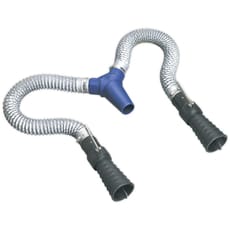
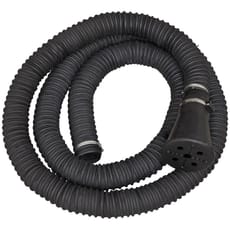
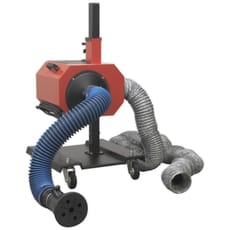
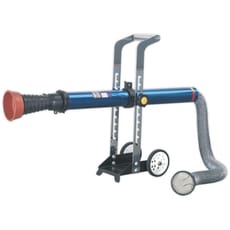
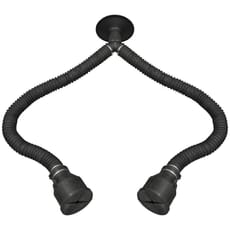
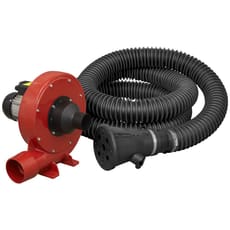
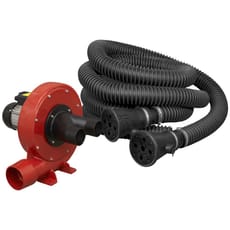
- Exhaust Fume Extractor: Ventilation equipment that removes harmful exhaust gases from workshops or garages, essential when running engines indoors to prevent carbon monoxide accumulation and maintain safe working conditions. Available in single or multiple-hose configurations depending on workshop requirements.
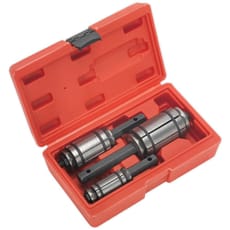
- Pipe Expander: A tool designed to increase the diameter of exhaust pipes, typically used when creating slip joints or joining pipe sections without welding. Available in various sizes to accommodate different pipe diameters commonly found across passenger and commercial vehicles.
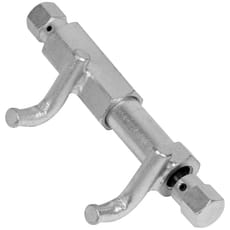
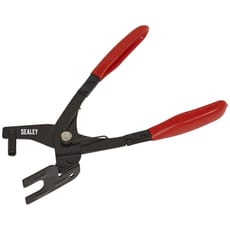
- Spring Clamp: A circular fixing device using spring tension to secure exhaust components together. Removal requires specialist tools to compress the clamp safely without damaging surrounding parts, particularly common on VAG group vehicles.
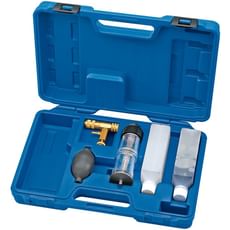
- Combustion Gas Leak Detector: Diagnostic equipment used to identify exhaust gas leaks and combustion problems by detecting specific gases in the exhaust system or coolant, valuable for troubleshooting performance issues and failed emissions tests.
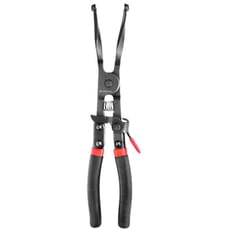
- Exhaust Collar: A metal ring or band used to join two exhaust pipe sections, commonly found on PSA Group vehicles and requiring specific pliers for removal and installation without deforming the collar or damaging pipe ends.
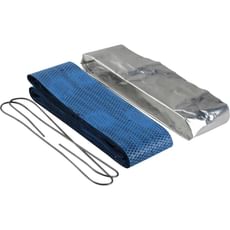
- Bandage Wrap: Heat-resistant repair material applied to exhaust pipes to seal minor cracks and holes, offering a quick temporary or semi-permanent repair solution without welding equipment. Typically activated and hardened by exhaust heat.
Who Uses Exhaust Tools?
- Motor Vehicle Mechanics: Professional technicians working in garages and workshops who regularly service and repair exhaust systems across all vehicle types, from cars to light commercial vehicles.
- Mobile Mechanics: Travelling technicians requiring portable exhaust repair and installation equipment for on-site vehicle repairs at customer locations or roadside breakdowns.
- MOT Testing Stations: Facilities conducting emissions testing and exhaust system inspections that need diagnostic tools and repair equipment to address failures immediately.
- Classic Car Restorers: Enthusiasts rebuilding vintage vehicles who need to fabricate or modify exhaust systems to original specifications, often working with non-standard pipe sizes.
- Fleet Maintenance Teams: Commercial vehicle workshops maintaining company cars, vans, and lorries where exhaust system durability directly impacts operational costs.
- Agricultural Engineers: Specialists working on farm machinery and equipment with exhaust system requirements, often in field conditions requiring portable solutions.
- DIY Enthusiasts: Home mechanics performing their own vehicle maintenance and repairs to reduce garage costs whilst maintaining their vehicles to high standards.
- Motorsport Teams: Racing crews requiring specialist exhaust tools for performance modifications and trackside repairs where time-critical work is essential.
How to Choose the Right Exhaust Tools
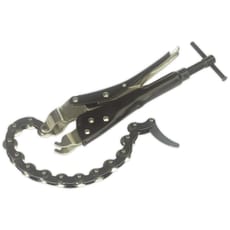
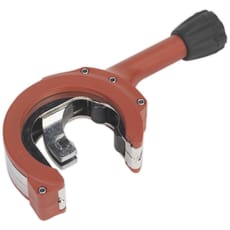
Selecting appropriate exhaust tools depends primarily on the type of work you undertake and the vehicles you service. Professional mechanics working in busy workshops benefit from investing in quality pipe cutters from brands like Sealey or Facom, which ensure clean cuts and long service life even with heavily corroded components. Fume extraction systems become essential safety equipment rather than optional extras when engines regularly run indoors – look for systems with sufficient extraction capacity for your workshop size and appropriate hose lengths for your working arrangements.
Consider the specific vehicle makes you encounter most frequently. Certain manufacturers use proprietary fixing systems that demand dedicated tools – having manufacturer-specific removal pliers and specialist tools prevents component damage and reduces job times significantly. If you work across multiple brands, building a comprehensive toolkit with various removal pliers provides the versatility needed for diverse repair scenarios. Tooled-Up stocks manufacturer-specific tools including VAG spring clamp removers and PSA collar pliers to address these requirements.
For mobile mechanics or those with limited storage space, compact pipe expander sets and portable repair materials like exhaust bandages and pastes offer practical solutions without requiring extensive equipment. These products prove particularly valuable for emergency repairs or situations where permanent fixes aren't immediately possible due to parts availability or time constraints.
Workshop-based professionals should prioritise proper ventilation equipment above all else. Exhaust fume extractors protect against carbon monoxide poisoning and ensure HSE compliance. Consider whether single or multiple-hose configurations best suit your working arrangements, and ensure systems can accommodate the vehicle types you service – larger commercial vehicles may require higher extraction capacity than standard passenger cars.
Popular Accessories
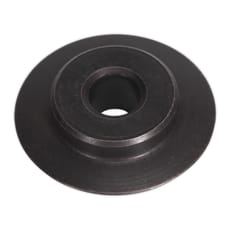
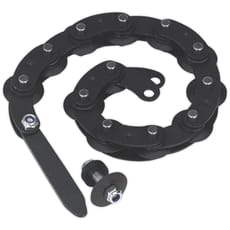
- Replacement chains and cutting wheels for exhaust pipe cutters to maintain cutting performance
- Additional hoses and nozzles for fume extraction systems to extend reach or service multiple bays
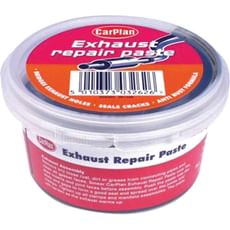
- Exhaust repair pastes and bandages for emergency fixes and temporary repairs
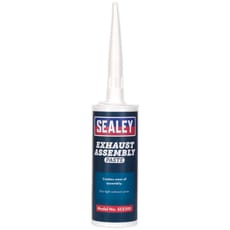
- Heat-resistant exhaust assembly paste for easier future removal and leak prevention
- Replacement hangers and rubber mounting components to complete exhaust installations
- Penetrating fluids for seized fixings and corroded joints commonly encountered on older vehicles
- Wire brushes and cleaning tools for preparing joint surfaces before assembly
- Protective gloves resistant to heat and sharp edges for safe handling of exhaust components
- Carbon monoxide detectors for workshop safety monitoring and HSE compliance
Safety Information
Working on exhaust systems presents several significant safety hazards requiring appropriate precautions. Always ensure exhaust components have cooled completely before handling – exhaust systems can remain dangerously hot for extended periods after engine operation, with surface temperatures potentially exceeding 200°C. Wear heat-resistant gloves and safety glasses to protect against burns and debris when cutting or removing exhaust components, particularly when dealing with corroded parts that may fragment unexpectedly.
Never run vehicle engines in enclosed spaces without proper fume extraction systems. Carbon monoxide is colourless, odourless, and potentially fatal – symptoms of poisoning include headaches, dizziness, and nausea, but severe exposure can cause unconsciousness and death. Exhaust fume extractors are essential equipment for any workshop where engines operate indoors, and their use is often required for HSE compliance. Ensure extraction hoses are positioned correctly at the exhaust outlet before starting engines, and regularly maintain systems to ensure consistent performance.
When working beneath vehicles, always use appropriate lifting equipment and axle stands – never rely solely on jacks. Exhaust work often involves applying significant force to remove seized components, which can cause vehicles to shift unexpectedly if not properly secured. Corroded exhaust parts frequently have sharp edges, so handle with care and dispose of old components responsibly, as they may contain hazardous materials. Ensure adequate workspace ventilation even when engines aren't running, as residual exhaust deposits can release harmful particles when disturbed during repairs.
Frequently Asked Questions
What size exhaust pipe cutter do I need?
Most exhaust pipe cutters handle pipes from approximately 30mm to 100mm in diameter, covering the majority of passenger vehicle exhausts. Check your specific vehicle's pipe diameter before purchasing – this information is typically available in service manuals or online specifications. Consider a tool with adjustable capacity if you work on various vehicle types, from small hatchbacks to larger SUVs and light commercial vehicles. Professional-grade cutters from Sealey typically offer the widest range and most durable construction for frequent use.
Are exhaust repair bandages a permanent solution?
Exhaust bandages and wraps provide effective temporary repairs that can last several months or even years depending on the damage extent, exhaust temperature, and operating conditions. However, they're best considered as short-term solutions or emergency fixes rather than permanent repairs. For proper permanent repairs, especially where MOT compliance is required, professional welding or complete component replacement remains the most reliable approach. Bandages excel for getting vehicles roadworthy quickly or maintaining older vehicles where complete replacement isn't economically justified.
Do I really need an exhaust fume extractor for my home garage?
If you ever run vehicle engines in your garage, an exhaust fume extractor is essential safety equipment, not optional. Carbon monoxide poisoning can occur rapidly in enclosed spaces and is often fatal – even small garages with doors open cannot guarantee adequate natural ventilation, particularly in calm weather conditions. A proper extraction system provides complete peace of mind and protects your health during diagnostics, tuning, or any situation requiring the engine to run indoors. This represents a worthwhile investment in personal safety that shouldn't be compromised.
Can I use standard pipe cutters on exhaust systems?
Regular pipe cutters designed for plumbing applications aren't suitable for exhaust work. Exhaust-specific cutters are built to handle the harder steel alloys used in exhaust systems and can cut through corroded, multi-layered pipes that would damage or break standard cutters. They also provide the clearance needed to work in the confined spaces typical of vehicle underside work, with longer handles for better leverage and chain-type mechanisms that accommodate obstructions around pipes.
What's the difference between exhaust paste and bandage?
Exhaust paste is a thick, heat-resistant sealant applied to small cracks or used on joints to prevent leaks, whilst exhaust bandage is a wrap material impregnated with repair compound that hardens when heated by exhaust gases. Paste suits minor leaks, pinhole corrosion, and joint sealing during assembly, whereas bandages can repair larger holes and cracks up to several centimetres. Many mechanics keep both products on hand for different repair scenarios – paste for preventative sealing and minor repairs, bandages for more significant damage requiring structural support.