

Socket Extension Leads

Pay in 3 interest-free payments on purchases from £20-£3000 with  . Learn more.
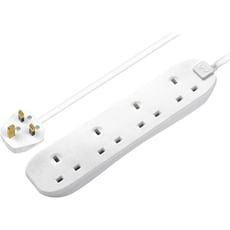
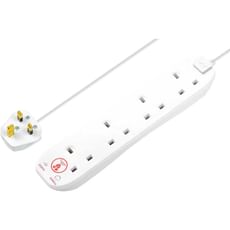
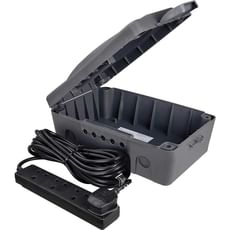
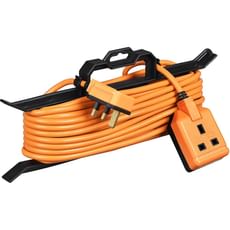
 Loading...
End of content
Error - No more pages to load
About Socket Extension Leads
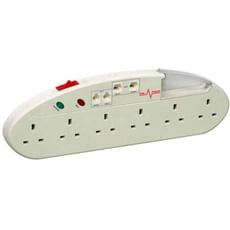
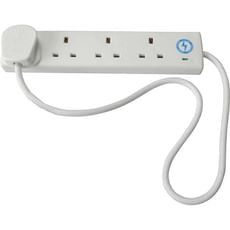
Socket extension leads are essential electrical accessories that extend the reach of mains power from a single wall socket to multiple outlet points, making them indispensable on building sites, in workshops, garages, and domestic settings. These versatile 240v power distribution units come in various configurations, typically offering between three and six sockets, with cable lengths ranging from compact 0.75m options through to longer 2m or more for extensive reach. Modern socket extension leads have evolved significantly beyond simple power strips, with many now incorporating advanced safety features such as surge protection, overload cut-out switches, RCD protection, and even USB charging ports for contemporary device connectivity.
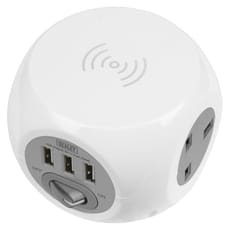
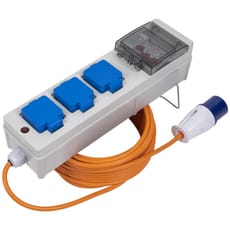
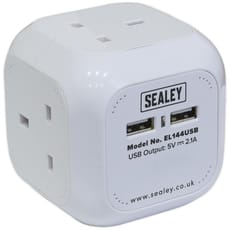
Tooled-Up.com stocks a comprehensive selection of socket extension leads from trusted manufacturers including Masterplug, Sealey, Draper, and Faithfull, catering to diverse user requirements from light domestic use through to demanding professional applications. The range encompasses standard indoor extension leads with multiple sockets, weatherproof outdoor models for garden and site work, specialised caravan and camping extensions with RCD protection, and innovative designs such as compact cube extensions, magnetic power strips, and units featuring wireless charging capabilities. All products comply with British electrical standards including BS1363 specifications, ensuring safe and reliable power distribution for tools, appliances, and electronic equipment.
Whether you need a basic four-socket extension for workshop power tool connectivity, a surge-protected six-socket lead to safeguard sensitive electronics, or a weatherproof outdoor extension for garden equipment, selecting the right socket extension lead ensures convenient, safe access to 240v mains power wherever it's needed most.
Jargon Buster
- Surge Protection: Built-in technology that prevents voltage spikes or 'surges' from damaging connected equipment, particularly important for computers, televisions, and sensitive electronic devices that can be destroyed by sudden current increases.
- RCD (Residual Current Device): A life-saving safety mechanism that immediately cuts power if it detects an electrical fault or earth leakage, reducing the risk of electric shock. Essential for outdoor use and particularly common in caravan and camping extensions.
- 13A Rating: The maximum current rating permitted through standard UK domestic sockets and plugs, meaning a socket extension lead rated at 13A can safely handle a total load of up to 3,120 watts (13A x 240v) across all connected devices combined.
- BS1363: The British Standard specification covering 13A plugs, socket outlets, and adaptors for domestic and similar purposes. Products complying with BS1363 meet strict UK safety and performance requirements.
- Overload Protection: An automatic cut-out feature that disconnects power if the total current drawn exceeds safe limits, preventing overheating and potential fire hazards when too many high-power devices are connected simultaneously.
- IP Rating: Ingress Protection rating indicating the degree of protection against solid objects and moisture. Outdoor socket extension leads typically feature IP44 or higher ratings for weather resistance.
Who Uses Socket Extension Leads?
- Electricians and electrical contractors requiring temporary power distribution during installation and testing work
- Joiners and carpenters connecting multiple power tools simultaneously on site
- Builders and general tradespeople needing flexible power access across construction sites
- Plumbers powering electric tools in properties with limited socket availability
- Mechanics and vehicle technicians operating diagnostic equipment, chargers, and power tools in workshops and garages
- Facilities maintenance personnel managing power requirements in commercial buildings
- IT professionals connecting computer equipment, servers, and networking hardware
- Gardeners and groundskeepers operating electric garden tools and equipment
- Caravan and camping enthusiasts requiring safe electrical connections at pitches and sites
- DIY enthusiasts and homeowners undertaking renovation projects and general household tasks
- Event contractors and exhibition installers providing temporary power for displays and equipment
How to Choose the Right Socket Extension Leads
Number of Sockets: Consider how many devices you typically need to power simultaneously. Four-socket extensions suit basic requirements, while six-socket models provide greater flexibility for tool-heavy workshops or equipment-intensive environments. Remember that all sockets share the 13A total load limit.
Cable Length: Match the lead length to your working environment. Shorter 0.75m to 1m leads minimise trip hazards and clutter in compact spaces, while 2m or longer extensions provide necessary reach in larger workshops, garages, or outdoor areas. Avoid excessively long cables that create unnecessary hazards.
Surge Protection: Essential if connecting computers, TVs, audio equipment, or any sensitive electronics. The anti-surge feature at Tooled-Up prevents voltage spikes from damaging expensive equipment during power fluctuations or electrical storms, providing valuable protection for modest additional cost.
Safety Features: Look for overload protection, individual socket switches for convenient control, LED power indicators, and sturdy construction. For outdoor use, caravan applications, or damp environments, prioritise models with RCD protection and weatherproof housings with appropriate IP ratings.
Build Quality: Professional-grade extensions feature robust cable construction, reinforced plug housings, and heat-resistant materials. Check the cable thickness (measured in mm²) – heavier gauge cables handle higher loads more safely. Units complying with BS1363 and carrying BSI approval marks guarantee British safety standards.
Additional Features: Modern extensions offer USB charging ports for phones and tablets, wireless charging pads, magnetic bases for metal surface mounting, compact cube designs for space-saving, and colour-coded options for easy identification. Consider which features genuinely add value to your specific applications.
Popular Accessories
- Cable extension reels for longer reach requirements with retractable storage
- Outdoor weatherproof socket boxes protecting connections from the elements
- RCD adaptors adding safety protection to standard extension leads
- Trailing socket covers providing additional weather protection
- Cable tidies and management systems organising multiple leads safely
- Plug-in timers and smart plugs for automated control
- Multi-way adaptors increasing socket availability from single outlets
- Voltage testers and socket checkers ensuring safe electrical connections
- Cable protectors and ramps preventing damage in high-traffic areas
Safety Information
Load Limits: Never exceed the 13A total load capacity (approximately 3,000 watts). Calculate the combined wattage of all connected devices – high-power appliances like heaters, kettles, and some power tools can individually approach this limit. Overloading causes overheating and fire risk.
Visual Inspection: Regularly examine leads for cable damage, cracked casings, exposed wiring, or bent pins. Discontinue use immediately if damage is detected. Never use damaged extension leads, as they present serious shock and fire hazards.
Daisy-Chaining: Never connect extension leads in series (plugging one into another), as this dramatically increases resistance, causes overheating, and may result in fire. Always plug extensions directly into wall sockets.
Fully Unwind Coiled Cables: Fully extend coiled or wound leads during use, as current flowing through coiled cable generates heat that cannot dissipate properly, potentially melting insulation and causing fire.
Outdoor Use: Only use extension leads specifically rated for outdoor use (with appropriate IP ratings and RCD protection) in gardens or external locations. Keep connections raised off wet ground and protected from direct water exposure where possible.
Storage: Store extension leads loosely coiled in dry locations away from heat sources. Avoid tight winding around hands or objects, which damages internal cable cores over time.
Frequently Asked Questions
Q: How many watts can I safely draw from a socket extension lead?
A: UK socket extension leads are rated at 13A maximum, which equates to approximately 3,120 watts at 240v. However, it's advisable to stay below 3,000 watts total across all connected devices to maintain a safety margin. Remember this is the combined load of everything plugged in simultaneously.
Q: What's the difference between surge protected and standard extension leads?
A: Surge protected extensions contain components that absorb voltage spikes caused by lightning strikes, power grid fluctuations, or large appliances switching on/off. Standard leads offer no such protection. Surge protection is essential for computers, TVs, and sensitive electronics, which can be permanently damaged by voltage spikes that wouldn't affect basic tools or appliances.
Q: Can I use a regular extension lead outdoors?
A: No, standard indoor extension leads lack weatherproofing and moisture protection. For outdoor use, always select extensions specifically designed for external applications, featuring weatherproof housings (IP44 rating minimum) and ideally incorporating RCD protection. These prevent water ingress and provide essential safety against electrical faults in damp conditions.
Q: Why shouldn't I plug one extension lead into another?
A: This practice, called 'daisy-chaining', is extremely dangerous. Each connection point adds electrical resistance, generating heat. Multiple extensions in series create excessive resistance, causing overheating that can melt insulation and start fires. It also makes calculating total load difficult, increasing overload risk. Always plug extensions directly into wall sockets.
Q: Do I need RCD protection on my extension lead?
A: RCD protection is essential for outdoor use, damp environments, construction sites, and caravan applications where the risk of electrical shock is elevated. While not legally required for indoor domestic use where RCD protection exists at the consumer unit, having RCD protection built into your extension lead provides an additional layer of personal safety, particularly when using hand-held power tools.