

Exterior Door & Window Care

Pay in 3 interest-free payments on purchases from £20-£3000 with  . Learn more.
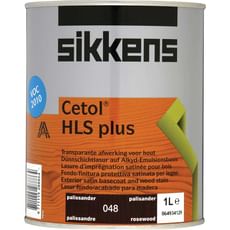
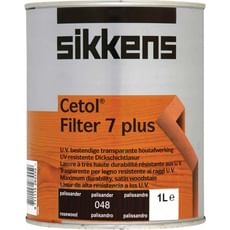
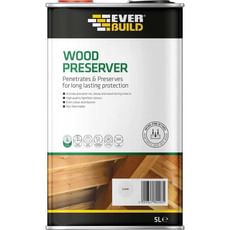
 Loading...
End of content
Error - No more pages to load
About Exterior Door & Window Care
Protecting exterior doors and windows from the British climate is essential for maintaining the integrity and appearance of timber joinery. The range available from Tooled-Up.com includes professional-grade wood preservers, translucent woodstains, and specialist treatments formulated to combat moisture penetration, UV degradation, and timber rot. These protective coatings create a durable barrier that extends the working life of external woodwork, reducing maintenance costs and preserving the visual appeal of both residential and commercial properties throughout the UK's challenging weather conditions.
From deep-penetrating wood preservers that safeguard structural timber against fungal decay to advanced translucent woodstains that showcase natural grain patterns whilst providing weather resistance, the selection caters to restoration projects, new installations, and routine maintenance schedules. Trusted manufacturers like Sikkens and Everbuild develop formulations specifically engineered for the UK climate, where persistent rainfall, freezing temperatures, and intense UV exposure can rapidly deteriorate untreated exterior timber. Premium systems such as Sikkens Cetol deliver microporous, flexible protection that moves with timber, preventing the blistering and peeling associated with inferior products.
Whether fitting new external doors on commercial developments, maintaining period properties with original timber windows, or refreshing weathered garden joinery, selecting appropriate exterior wood care products ensures longevity and aesthetic quality. These specialist treatments not only defend against water ingress and biological attack but also provide attractive finishes ranging from natural wood tones to rich, fade-resistant colours that complement any architectural style whilst standing up to years of British weather.
Jargon Buster
- Translucent Woodstain: A protective coating that preserves the visibility of natural wood grain and texture whilst delivering UV protection and water resistance. Particularly effective for showcasing quality timber species on doors, window frames, and decorative external joinery.
- Wood Preserver: A treatment solution that penetrates deep into timber fibres to prevent rot, fungal decay, and insect infestation. Typically applied as a base coat before decorative finishes or used directly on structural and rough-sawn timber not requiring aesthetic finishes.
- Microporous: A breathable finish technology that allows moisture vapour to escape from within the timber whilst preventing liquid water from penetrating inward. This vapour permeability significantly reduces the risk of blistering and coating failure common with non-breathable systems.
- UV Filters: Chemical additives incorporated into woodstains and preservative treatments that absorb harmful ultraviolet radiation from sunlight, preventing the photodegradation and greying of timber exposed to direct sunshine.
- Micro-fine Active Technology: Advanced dispersal systems used in modern wood preservers where fungicides and algaecides are reduced to microscopic particles, enabling deeper penetration into timber structure and delivering superior protection compared to conventional formulations.
- Cetol System: A specialist multi-coat wood finishing system offering flexible, long-lasting protection for exterior joinery, particularly favoured for high-quality doors and windows requiring superior weather resistance and extended maintenance intervals.
Who Uses Exterior Door & Window Care?
- Joiners and Carpenters: Installing and finishing new external doors, window frames, and bespoke timber joinery on residential and commercial construction projects.
- Painters and Decorators: Maintaining and restoring exterior woodwork as part of property refurbishment programmes, redecoration schedules, and heritage conservation work.
- Property Maintenance Companies: Conducting scheduled maintenance on rental portfolios, housing association properties, and commercial estate management contracts.
- Window and Door Specialists: Treating and finishing bespoke timber frames, sash windows, and heritage joinery installations requiring specialist protection and aesthetic finishes.
- Restoration Contractors: Preserving and renovating listed buildings and period properties where original timber features must be maintained to conservation standards.
- Facility Managers: Overseeing building maintenance programmes for schools, offices, hospitals, and public buildings with extensive external timber elements.
- Building Contractors: Protecting new timber installations during construction phases and providing final decorative finishes on completed projects.
- DIY Enthusiasts and Homeowners: Protecting their investment in quality doors and windows through regular maintenance, restoration of tired paintwork, and preventative treatment applications.
How to Choose the Right Exterior Door & Window Care
Timber Type and Condition: Different wood species absorb treatments at varying rates. Softwoods like pine and spruce require more robust protective coatings than naturally durable hardwoods such as oak or iroko. Assess whether timber is new and untreated, weathered and grey, or previously finished, as this fundamentally affects product selection, surface preparation requirements, and expected performance.
Exposure Level: South and west-facing doors and windows receive the most intense UV exposure and driving rain in the UK, demanding woodstains with high-protection UV filters and superior water-repellent properties. Sheltered or north-facing joinery under eaves may permit lighter treatments and extended maintenance intervals. Consider coastal locations where salt exposure accelerates deterioration.
Desired Finish: Decide between translucent stains that celebrate timber grain patterns or opaque finishes providing complete colour coverage similar to paint. Translucent systems like Sikkens Cetol are ideal for premium joinery where wood character should remain visible, whilst heavy-duty preservers suit structural timber and areas where aesthetics are secondary to protection.
Maintenance Schedule: Consider realistically how frequently recoating can be undertaken. Premium branded products typically cost more initially but often deliver 5-7 years protection on moderately exposed joinery, whilst budget alternatives may require annual attention. Factor in labour costs, access equipment hire, and business disruption when calculating long-term value, particularly for commercial properties.
Environmental Conditions: The UK's persistently damp climate demands microporous, breathable finishes that prevent moisture becoming trapped within timber, which causes rot and coating failure. Products specifically formulated for British and northern European weather patterns significantly outperform those designed for drier Mediterranean or continental climates. Low-odour, water-based formulations are increasingly popular for occupied buildings.
Compatibility: If overcoating existing finishes rather than stripping back to bare wood, ensure complete compatibility between old and new systems to prevent adhesion failures, wrinkling, or peeling. Some professional systems require complete removal of previous coatings for warranty validity, adding considerable time and cost to refurbishment projects but delivering superior long-term results.
Popular Accessories
- Brushes and Applicators: Quality synthetic brushes specifically designed for applying stains and preservers without streaking, plus foam applicators for detailed work around glazing bars and intricate mouldings.
- Sandpaper and Abrasives: Various grits from coarse to fine for preparing timber surfaces, removing old coatings, and achieving smooth finishes between coats on multi-coat systems.
- Wood Cleaners and Restorers: Specialist solutions for removing algae, lichen, dirt accumulation, and weathered grey fibres before treatment application, ensuring maximum penetration and adhesion.
- Masking Tape and Sheeting: High-quality masking products for protecting glass panes, brickwork, render, and surrounding surfaces during application, particularly important for translucent stains that can stain masonry.
- Stirring Sticks and Paint Kettles: Essential for thorough product mixing to redistribute settled pigments and ensure consistency throughout application work.
- White Spirit and Thinners: For cleaning brushes and equipment after solvent-based products, plus thinning where manufacturer guidelines specifically permit adjustment of application viscosity.
- Drop Cloths and Dust Sheets: Heavy-duty protection for ground surfaces, paving, and landscaping beneath work areas to prevent staining from drips and overspray.
- Timber Filler and Stopping: Exterior-grade fillers for repairing defects, cracks, splits, and knot holes before applying finishing coats, ensuring smooth professional results.
- Safety Equipment: Gloves, safety glasses, and respirators appropriate for the products being applied, particularly important when working with solvent-based preservers containing biocides.
Safety Information
Many wood preservers and stains contain organic solvents, biocides, and chemical additives that require careful handling and appropriate precautions. Always work in well-ventilated areas when applying these products, opening windows and doors to maintain airflow. Wear suitable PPE including chemical-resistant gloves, eye protection, and respiratory protection where specified on product labels, particularly when applying products indoors or in confined spaces. Professional tradespeople applying these treatments regularly should consult COSHH data sheets before use and implement appropriate control measures.
Store all wood care products securely away from children and pets in locked storage areas, and dispose of unused materials according to local authority hazardous waste guidelines—never pour down drains or into watercourses. Rags, rollers, and applicators soaked in solvent-based products present a spontaneous combustion risk and should be either soaked in water before disposal or stored in sealed metal containers. Allow adequate drying time before disposing of contaminated materials.
When working at height on upper-floor windows and door canopies, ensure proper scaffolding, mobile towers, or platform equipment is used in accordance with HSE working at height regulations. Never overreach from ladders when applying treatments to exterior joinery—reposition equipment rather than stretching beyond safe working positions. Check weather forecasts before starting work, as sudden rain can affect product performance and create slippery working conditions on access equipment.
Frequently Asked Questions
How often should I treat exterior doors and windows?
Treatment frequency depends on exposure levels, product quality, and timber condition. Premium translucent woodstains like Sikkens Cetol typically last 5-7 years on moderately exposed joinery under eaves or facing north, whilst high-exposure south and west-facing areas may require attention every 3-4 years. Wood preservers applied to bare timber provide long-term protection against rot and decay but generally require decorative overcoating. Regular inspection annually allows you to recoat before protection fails completely.
Can I apply woodstain over existing finishes?
Only if the existing coating is sound, clean, and compatible with the new product. Lightly sand glossy surfaces with fine abrasive paper to provide a mechanical key, and always test a small inconspicuous area first. If the old finish is flaking, blistering, extensively weathered, or a fundamentally different product type (such as paint over stain), complete removal back to bare wood typically delivers better long-term results and prevents adhesion failures.
What's the difference between wood preserver and woodstain?
Wood preservers penetrate deep into timber structure to prevent rot, fungal decay, and insect attack through biocidal ingredients, typically used as base coats or on structural timber not requiring decorative finishes. Woodstains primarily provide surface protection against UV radiation and moisture whilst adding colour, available in translucent formulations that showcase grain or opaque finishes for complete coverage. Many professional systems combine preservative base coats with decorative stain topcoats for comprehensive protection.
What weather conditions are best for application?
Apply during dry weather when temperatures are between 10-25°C, avoiding direct strong sunlight which causes rapid drying and poor penetration, plus frost or rain which prevent proper curing. Check forecasts for at least 24-48 hours of dry weather to allow adequate drying time. Morning application often works best in the UK climate, allowing products to cure during the warmest part of the day. Avoid applying when rain is forecast or when timber surfaces are wet or frost-covered.
Do I need to strip old paint before applying wood preserver or stain?
For wood preservers to work effectively, they must penetrate bare timber fibres, so complete paint removal is essential. Translucent woodstains also require application directly to bare or previously stained wood to showcase grain patterns. Only compatible stain-on-stain applications over sound existing coatings are recommended. Never apply preservers or stains over painted surfaces—they cannot penetrate paint films and will eventually peel, requiring complete removal and reinstatement.