

Eyelets & Grommets

Pay in 3 interest-free payments on purchases from £20-£3000 with  . Learn more.
 Loading...
End of content
Error - No more pages to load
About Eyelets & Grommets
Eyelets and grommets are indispensable hardware components designed to reinforce holes in fabric, leather, canvas, tarpaulin, vinyl, plastic sheeting, and numerous other materials. These small yet critical fastening solutions prevent tearing and fraying around openings whilst delivering a durable, professional finish that withstands regular use and challenging weather conditions. From heavy-duty industrial tarpaulins and canvas awnings to leather goods, banner signage, and craft projects, quality eyelets and grommets ensure structural integrity and longevity in both commercial and domestic applications.
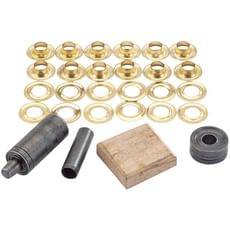
Tooled-Up.com stocks a comprehensive selection of eyelets and grommets from trusted manufacturers including Draper and Rapid, alongside the essential installation tools needed for professional results. The range encompasses complete eyelet and grommet kits containing everything required to get started—such as the popular Draper GK12 kit with punch, mandrel, anvil, wood backer block, and brass grommets—as well as spare eyelets and grommets available individually in various sizes and materials including brass, aluminium, and steel. These components cater equally to professional tradespeople requiring reliable fastening solutions on site and DIY enthusiasts tackling home improvement or creative projects.
Modern eyelet and grommet systems prioritise ease of installation, with many kits featuring hand-operated punch tools that require no electrical power. This makes them exceptionally practical for both workshop environments and on-site applications where access to 240v power may be limited or impractical. When correctly selected and installed, quality eyelets and grommets deliver years of trouble-free service, maintaining material integrity whilst providing convenient fixing points for ropes, cords, bungee ties, hooks, and various fastenings essential to your work.
Jargon Buster
- Eyelet: A single-piece metal ring that reinforces a hole in fabric or sheet material. Eyelets typically feature a flange on one side and are crimped or rolled over on the reverse to secure them permanently in place.
- Grommet: A two-piece fastening system comprising a ring (grommet) and a separate washer that sandwich the material between them, providing enhanced strength and a professional finish on both sides. Though often used interchangeably with "eyelet", grommets technically offer superior holding power for demanding applications.
- Setting Tool: A specialised hand tool or punch used to install eyelets and grommets by compressing the components together through the material. May include anvils, punches, and dies designed for different eyelet sizes.
- Flange: The rolled or folded edge of an eyelet or grommet that sits against the material surface, distributing pressure evenly and preventing pull-through under load conditions.
- Internal Diameter (ID): The measurement of the hole through the centre of the eyelet or grommet, typically ranging from 3mm for delicate craft work up to 25mm or more for industrial applications. This dimension determines what can pass through the opening, such as cord, rope, or hardware.
- Washer Ring: The backing component in a two-piece grommet system that compresses against the reverse side of the material to create a secure, permanent fixing with even pressure distribution.
Who Uses Eyelets & Grommets?
Eyelets and grommets are versatile fastening solutions employed across numerous trades and industries:
- Sign Makers and Banner Installers: Creating secure fixing points in vinyl banners, PVC signage, and mesh displays for outdoor mounting and exhibition use
- Canvas and Sailmakers: Reinforcing awnings, boat covers, marine tarpaulins, and vehicle tonneau covers for marine and automotive applications
- Upholsterers: Adding decorative and functional details to furniture, automotive interiors, and marine upholstery projects
- Groundworkers and Landscapers: Securing tarpaulins, scaffold sheeting, and temporary weather protection on construction sites
- Leatherworkers and Cobblers: Creating lacing holes in belts, bags, footwear, and traditional leather goods
- Stage and Event Technicians: Installing backdrops, curtains, and temporary structures requiring secure tie-down points
- Vehicle Fitters: Working with truck curtains, trailer covers, and commercial vehicle accessories
- Agricultural Workers: Repairing and reinforcing covers, grain bags, and protective sheeting for farm equipment
- Craft Enthusiasts and Hobbyists: Scrapbooking, card making, and textile projects requiring decorative or functional eyelets
- Tent and Camping Equipment Repairers: Restoring damaged tarpaulins, tents, and outdoor gear
How to Choose the Right Eyelets & Grommets
Material Thickness: Ensure your chosen eyelets or grommets are compatible with the thickness of material you're working with. Thin fabrics and lightweight papers require smaller, lighter-duty eyelets, whilst heavy canvas, leather, or tarpaulin needs larger, more robust grommets with deeper flanges to grip the material securely without tearing.
Internal Diameter: Determine what needs to pass through the eyelet—whether cord, rope, bungee, hooks, or simply air for ventilation purposes. Common sizes range from 3mm for light craft work up to 20mm or more for heavy-duty industrial applications. Measure your rope or cord diameter and add 2-3mm clearance for ease of use and movement.
Material Construction: Brass eyelets offer excellent corrosion resistance and are ideal for outdoor applications, awnings, and marine environments where exposure to moisture is constant. Aluminium grommets provide a lightweight option with good weather resistance, making them popular for banners and signage. Steel options offer maximum strength for heavy-load applications but may require protective coatings or galvanisation in wet conditions to prevent rust.
Single-Piece vs Two-Piece: Simple eyelets work well for light-duty applications and thinner materials where appearance on one side is less critical, whilst two-piece grommet systems with washer rings provide superior holding power and a professional finish visible on both sides of heavier materials.
Kit or Individual Components: Complete eyelet and grommet kits available at Tooled-Up include the setting tools, punch, anvil, and a selection of eyelets in various sizes—perfect for occasional users, DIY enthusiasts, or those starting out. Professional tradespeople working with specific sizes regularly may prefer to purchase bulk quantities of individual components, such as Rapid Aluminium Grommets or Draper Spare Grommets, and invest in dedicated professional-grade setting tools.
Application Environment: Consider whether your eyelets will be exposed to UV light, saltwater, industrial chemicals, or extreme temperatures. Marine-grade brass or stainless steel components offer superior longevity in harsh coastal or industrial environments compared to standard steel options that may corrode prematurely.
Popular Accessories
- Replacement Punches and Dies: Spare cutting and setting tools for eyelet installation kits in various sizes to match different eyelet diameters
- Cutting Mats: Protective work surfaces to prevent damage to benches and worktops when punching holes through materials
- Hole Punches: Hand-operated or rotary punches for creating precise pilot holes before eyelet installation
- Ropes and Cords: Polypropylene, nylon, or elastic bungee cord for use with installed eyelets in tarpaulin and banner applications
- Tarpaulin Clips: Quick-release fasteners that work alongside eyelets for temporary fixings and seasonal adjustments
- Eyelets in Bulk: Economy packs of replacement eyelets and grommets for high-volume users and professional contractors
- Marking Tools: Chalk markers, scribes, or felt-tip pens for accurately positioning eyelet locations before punching
- Canvas Pliers: Specialised gripping tools for pulling and tensioning fabric during eyelet installation on heavy materials
- Protective Gloves: Work gloves to protect hands when using manual punch tools and handling sharp-edged materials
Frequently Asked Questions
What's the difference between an eyelet and a grommet?
Whilst the terms are often used interchangeably in everyday conversation, an eyelet is technically a single-piece component with a flange on one side that rolls over the material edge. A grommet is a two-piece system with a ring and separate washer that sandwiches the material between them, providing a more secure fixing and finished appearance on both sides. Grommets generally offer superior strength and pull-out resistance for heavy-duty applications involving significant loads or frequent use.
Can I install eyelets without a special tool?
Whilst it's technically possible to install some eyelets using improvised methods such as hammers and makeshift anvils, a proper eyelet setting tool ensures consistent, professional results and prevents damage to both the eyelet components and your material. Complete kits like the Draper GK12 include all necessary installation tools and are surprisingly affordable, making them worthwhile investments even for occasional use or one-off projects.
How do I choose the right size eyelet for my project?
Measure the diameter of any rope, cord, or fixing hardware that needs to pass through the eyelet and add 2-3mm clearance for smooth operation. For ventilation holes or purely decorative purposes, consider the visual appearance relative to your material size and overall design. The eyelet's outer diameter should also be appropriate for your material thickness—heavier materials can accommodate larger eyelets without risk of tearing, whilst delicate fabrics require smaller, lighter components.
Will brass eyelets rust or corrode outdoors?
Brass eyelets offer excellent corrosion resistance and are ideal for outdoor use in typical UK weather conditions, developing a natural patina over time that actually protects the underlying metal. They're particularly suitable for marine applications, garden awnings, and tarpaulins exposed to rain and humidity. For maximum longevity in aggressive saltwater environments or industrial settings with chemical exposure, consider stainless steel options for ultimate durability.
How many eyelets do I need for a tarpaulin or banner?
Spacing depends on the anticipated load and wind exposure, but a general rule of thumb is to place eyelets every 300-500mm around the perimeter for standard applications. Heavy-duty tarpaulins under tension or in exposed locations benefit from closer spacing of 200-300mm to distribute loads more evenly. Always place eyelets at corners for structural strength and position them at least 25-50mm from the material edge to prevent tearing when under load.