

Fans & Heaters
Pay in 3 interest-free payments on purchases from £30-2000 with  . Learn more.


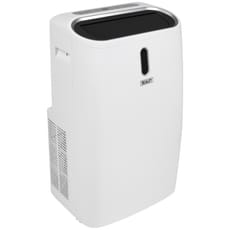

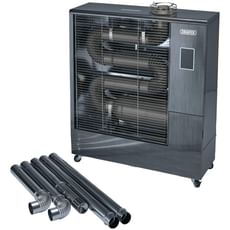
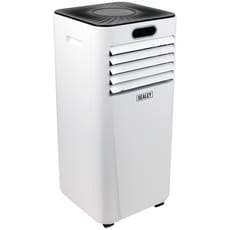
 Loading...
End of content
Error - No more pages to load
About Fans & Heaters
Maintaining comfortable working conditions on site is essential for productivity, safety, and compliance with workplace regulations. The Fans & Heaters category at Tooled-Up.com provides professional climate control solutions for workshops, construction sites, warehouses, event spaces, and commercial premises across the UK. Whether you're battling the chill of a British winter on an unheated site or managing summer heat in a confined workspace, the right equipment can make all the difference to working conditions and staff welfare.
This category encompasses a wide selection of heating and cooling equipment designed specifically for professional and trade use. From powerful industrial fans and portable air conditioning units to robust electric heaters and efficient fuel-fired heating systems, Tooled-Up stocks equipment built to withstand demanding site conditions. The range includes compact portable solutions ideal for tradespeople working across multiple locations, as well as heavy-duty static units suitable for permanent installation in workshops and commercial environments.
All equipment in this category complies with UK electrical standards and safety regulations, operating on standard 240v supply where applicable. Browse trusted brands from Tooled-Up.com known for reliability and energy efficiency, helping you maintain optimal working temperatures whilst managing running costs effectively. Whether you need rapid heat for drying materials, consistent background warmth for occupied spaces, or powerful ventilation to improve air quality, you'll find professional-grade solutions designed for the realities of UK working environments.
Jargon Buster
- BTU (British Thermal Unit)
- A measurement of heat output commonly used for heaters. One BTU represents the energy needed to heat one pound of water by one degree Fahrenheit. Higher BTU ratings indicate greater heating capacity for larger spaces.
- IP Rating (Ingress Protection)
- A two-digit code indicating protection against solid objects and liquids. For example, IP44-rated equipment is splash-proof, making it suitable for damp site conditions and outdoor use.
- Thermostat
- An automatic control device that maintains temperature at a set level by switching heating or cooling on and off as needed, improving energy efficiency and comfort throughout the working day.
- CFM (Cubic Feet per Minute)
- A measurement of airflow volume for fans and ventilation equipment. Higher CFM ratings mean more powerful air movement, essential for cooling larger spaces or improving air circulation in enclosed environments.
- kW Output
- Kilowatt rating indicates the power consumption and heat output of electric heaters. A 3kW heater typically requires a dedicated circuit and will heat approximately 30-40 square metres depending on insulation quality.
- Ceramic Heating Element
- A type of heating technology that warms quickly, distributes heat efficiently, and is generally safer than exposed element designs, making it popular for portable site heaters and workshop use.
Who Uses Fans & Heaters?
Climate control equipment is essential across numerous trades and industries:
- Construction Workers and Site Managers - maintaining safe working temperatures and accelerating material drying times
- Painters and Decorators - controlling humidity and temperature for optimal paint application and drying conditions
- Plasterers and Renderers - speeding up curing times whilst preventing frost damage in cold weather
- Builders and Renovation Specialists - providing temporary heating and ventilation in properties without operational HVAC systems
- Mechanics and Auto Engineers - maintaining comfortable workshop temperatures year-round
- Warehouse and Logistics Managers - ensuring staff welfare and protecting temperature-sensitive stock
- Event Organisers and Marquee Specialists - providing temporary climate control for outdoor or temporary structures
- Agricultural Workers and Farmers - protecting livestock, crops, and equipment from temperature extremes
- Facilities Managers - supplementing or replacing building HVAC systems in commercial premises
- DIY Enthusiasts and Home Renovators - creating comfortable conditions for garage workshops and project work
How to Choose the Right Fans & Heaters
Space Size and Heat/Cool Requirements: Calculate the volume of your workspace in cubic metres to determine the appropriate output capacity. As a general guide, you'll need approximately 100W of heating per square metre for a well-insulated space, more for poorly insulated areas or those with high ceilings. For cooling, consider CFM ratings relative to room size.
Power Supply Availability: Check your electrical supply capacity before purchasing. Standard 13A plugs support up to 3kW, whilst more powerful equipment requires dedicated circuits or three-phase supply. Fuel heaters offer an alternative where electrical capacity is limited, particularly on construction sites with temporary supplies.
Portability vs. Fixed Installation: Mobile tradespeople benefit from compact, lightweight units with carry handles and robust construction. For permanent workshop installations, consider wall-mounted or ceiling-suspended units that don't occupy valuable floor space.
Fuel Type and Running Costs: Electric heaters offer clean, convenient operation with no emissions, ideal for occupied indoor spaces. Fuel heaters (diesel, paraffin, or propane) provide higher heat output and are more economical for heating larger spaces or outdoor areas, though they require adequate ventilation.
Environmental Conditions: For damp sites, dusty workshops, or outdoor use, select equipment with appropriate IP ratings and robust construction. Industrial-grade fans and heaters withstand site conditions far better than domestic-grade alternatives.
Safety Features: Look for overheat protection, tip-over switches, cool-touch casings, and flame failure devices where applicable. These features are essential for compliance with HSE workplace safety requirements.
Noise Levels: Consider acoustic output if working in noise-sensitive environments or where prolonged exposure might cause discomfort. Industrial fans can generate significant noise, so check decibel ratings before purchase.
Popular Accessories
- Extension Leads and Cable Reels - heavy-duty, properly rated electrical accessories for powering heaters and fans at various locations
- Thermostats and Timer Controls - programmable controls for automated temperature management and energy savings
- Fuel Containers and Jerry Cans - approved storage for diesel and paraffin for fuel-fired heaters
- Ducting and Ventilation Hose - directing warm or cool air to specific areas or venting combustion gases safely
- Wall Mounting Brackets - securing fans and heaters safely at height to maximise floor space
- Replacement Filters - maintaining air quality and equipment efficiency in air conditioners and dehumidifiers
- Carbon Monoxide Detectors - essential safety equipment when using fuel-burning heaters in enclosed spaces
- Protective Guards and Cages - preventing accidental contact with heating elements or fan blades on site
Safety Information
Climate control equipment must be operated safely to prevent accidents and comply with workplace regulations. Always maintain adequate clearance around heaters - typically at least 1 metre from combustible materials. Never cover heaters or obstruct airflow, as this can cause overheating and fire risk.
When using fuel-burning heaters, ensure adequate ventilation to prevent carbon monoxide build-up. Never use outdoor-rated fuel heaters in fully enclosed spaces without proper ventilation systems. Install carbon monoxide detectors where fuel-burning equipment operates, and familiarise yourself with the symptoms of carbon monoxide poisoning.
Electrical equipment should be inspected regularly and PAT tested in accordance with HSE guidance. Check cables for damage before each use and never overload electrical circuits. High-wattage heaters often require dedicated circuits to prevent tripping and fire hazards.
Position fans and heaters on stable, level surfaces away from doorways and walkways to prevent trips and tip-overs. When using equipment outdoors or in wet conditions, ensure it carries an appropriate IP rating for moisture protection. Always switch off and unplug equipment when left unattended or during refuelling operations.
Store fuel safely in approved containers, away from ignition sources and in well-ventilated areas. Follow manufacturer guidelines for maintenance, including filter cleaning and safety device testing, to ensure continued safe operation throughout the equipment's service life.
Frequently Asked Questions
What size heater do I need for my workshop?
Calculate your space volume (length × width × height in metres) and multiply by 25-40 watts per cubic metre depending on insulation quality. A typical single garage (3m × 6m × 2.4m = 43m³) requires approximately 1-2kW for background warmth, or 2-3kW for comfortable working temperatures in cold weather. Poorly insulated spaces or those with frequent door opening require higher capacity.
Can I run a 3kW heater from a standard socket?
Yes, a 3kW heater draws approximately 13A from a 240v supply, which is the maximum for a standard UK 13A plug socket. However, ensure no other high-draw appliances share the circuit, and check the socket and cable are in good condition. Heaters above 3kW require dedicated circuits or hard-wiring by a qualified electrician.
Are fuel heaters safe to use indoors?
Some fuel heaters are designed for indoor use with adequate ventilation, whilst others are outdoor-only. Check the manufacturer's specifications carefully. Indoor-safe models typically feature oxygen depletion sensors and low-emission burners. Always ensure proper ventilation, never use in sleeping areas, and install carbon monoxide detectors. If in doubt, electric heaters are the safest choice for enclosed spaces.
How much does it cost to run an electric heater?
Calculate running costs by multiplying the kW rating by your electricity rate per kWh and the hours of use. For example, a 2kW heater running for 8 hours at 30p per kWh costs approximately £4.80 per day (2 × 8 × £0.30). Models with thermostats reduce costs by cycling on and off, whilst fuel heaters often prove more economical for larger spaces or prolonged use.
What's the difference between a fan and an air conditioner?
Fans simply circulate existing air, creating a cooling effect through air movement but not actually reducing air temperature. They're energy-efficient and ideal for mild conditions. Air conditioners actively remove heat and humidity from the air, genuinely lowering temperature but consuming more energy and requiring drainage for condensation. Dehumidifiers specifically remove moisture without significant cooling, useful in damp environments where mould is a concern.