

Farming Shovels & Forks

Pay in 3 interest-free payments on purchases from £20-£3000 with  . Learn more.
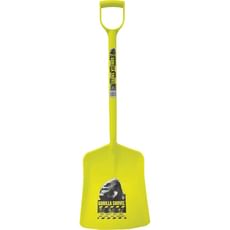
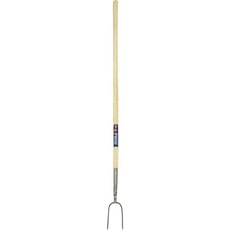
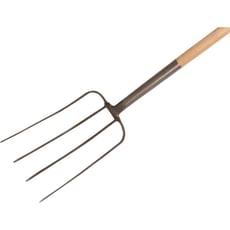
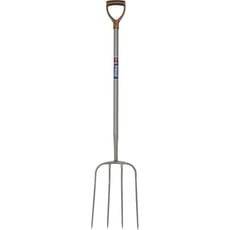
 Loading...
End of content
Error - No more pages to load
About Farming Shovels & Forks
Farming shovels and forks are specialist agricultural implements engineered to withstand the demanding conditions of daily farm work, stable management, and large-scale horticultural operations. Unlike standard garden tools, these heavy-duty implements are built to handle greater loads, tougher materials, and continuous use across agricultural environments. The range encompasses specialist shovels for grain handling, manure management, and general farm duties, alongside various fork designs including manure forks, hay forks, and drag forks that efficiently move bedding, fodder, and organic materials.
Tooled-Up.com stocks farming implements constructed from materials selected for specific applications. All-steel construction delivers maximum durability for heavy-duty digging and levering work, whilst aluminium grain shovels provide a lighter alternative that reduces fatigue during repetitive scooping tasks. Polypropylene and plastic options prevent contamination when handling animal feed and won't damage delicate materials or sensitive surfaces. Whether mucking out stables, moving silage, distributing bedding, or clearing yards, selecting the right farming shovel or fork significantly reduces physical strain and improves operational efficiency.
Leading manufacturers including Spear & Jackson, Faithfull, Bulldog, Draper, and Fiskars produce farming tools built to professional standards. From traditional West Country pattern shovels with their distinctive curved blades to modern ergonomic designs, contemporary farming implements combine time-tested functionality with improved materials and construction techniques. Features such as open socket construction allow handle replacement, extending tool lifespan, whilst hardened and tempered blades maintain their edge through demanding agricultural use.
Jargon Buster
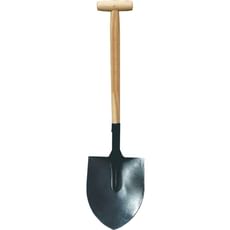
- West Country Pattern: A traditional British shovel design featuring a curved, round-point blade originally developed for heavy clay soils in South West England. Now widely used across UK farms for its versatility in both digging and moving loose materials like gravel, sand, and shingle.
- Open Socket Construction: A design where the wooden or fibreglass handle fits into a conical socket welded to the blade. This provides a secure, robust connection that can be easily repaired by replacing the shaft if damaged, extending the tool's working life considerably.
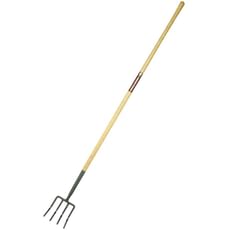
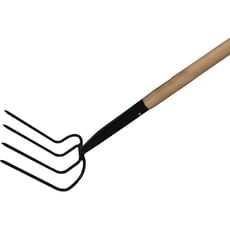
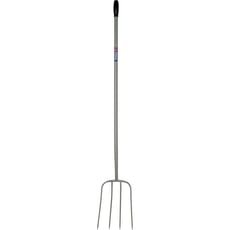
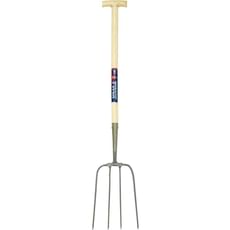
- Manure Fork (Dung Fork): A fork with closely-spaced, curved tines (typically four) designed specifically for lifting soiled bedding and manure whilst allowing liquids and fine particles to drain through, essential for efficient stable management.
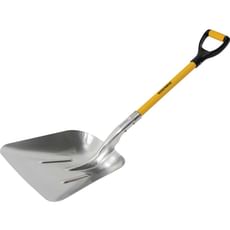
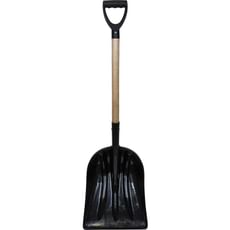
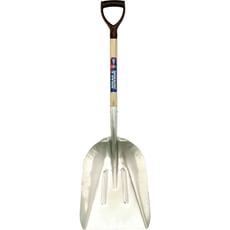
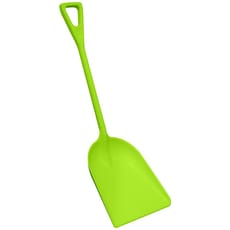
- Grain Shovel: A wide, shallow-bladed shovel often manufactured from aluminium or polypropylene, designed to scoop and move large volumes of grain, feed pellets, or other loose materials with minimal physical effort during repetitive tasks.
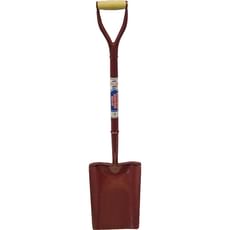
- Taper Mouth Shovel: A shovel blade that gradually narrows towards the tip, making it easier to penetrate compacted materials and work effectively in confined spaces around farm buildings, feeders, and gateways.
- Drag Fork: A fork featuring elongated, slightly curved tines used for pulling and spreading materials such as straw, hay, or manure across larger areas rather than simply lifting, ideal for bedding distribution in loose boxes and shelters.
Who Uses Farming Shovels & Forks?
- Farmers and Agricultural Contractors: Daily operations including mucking out, feed distribution, silage handling, yard maintenance, and general farm duties
- Stable Managers and Equestrian Centres: Essential tools for stable management, bedding changes, manure removal, and yard maintenance across livery yards and riding schools
- Smallholders and Lifestyle Farmers: Managing livestock, poultry housing, small-scale agricultural activities, and maintaining rural properties
- Groundskeepers and Estate Managers: Maintaining large country estates, rural properties, and heritage sites with agricultural components
- Horticulturists and Market Gardeners: Moving compost, mulch, and organic materials in commercial growing operations and polytunnel management
- Landscape Contractors: Handling bulk materials and organic matter on rural landscaping projects and estate development work
- Agricultural Colleges and Training Facilities: Teaching proper tool use, farm management techniques, and animal husbandry practices
- Veterinary Practices and Clinics: Managing bedding and waste in large animal treatment facilities, recovery stables, and isolation units
- Allotment Associations and Community Gardens: Composting operations and managing organic materials in larger shared growing spaces
How to Choose the Right Farming Shovels & Forks
Material Selection: Steel tools offer maximum durability for heavy-duty digging, levering, and work on rough or compacted ground. Aluminium provides a lightweight alternative that significantly reduces fatigue during repetitive tasks like grain handling, though it's unsuitable for digging or levering. Polypropylene and plastic options prevent contamination when working with animal feed, won't rust, and protect delicate materials from damage.
Blade or Tine Configuration: Consider your primary tasks when selecting blade shape. Wide, shallow grain shovels maximise capacity for loose materials such as feed pellets or grain. Taper mouth shovels penetrate compacted ground and manure more effectively. Four-prong manure forks efficiently handle soiled bedding whilst allowing drainage, whereas hay forks with longer, more widely-spaced tines (typically three) slide easily into dried fodder without excessive compression.
Handle Construction and Length: Steel shafts deliver maximum strength for levering and heavy loads but add weight to the tool. Traditional wooden ash handles provide excellent shock absorption and a comfortable grip, whilst fibreglass offers similar benefits with improved weather resistance. Consider handle length based on your height and typical working environment – longer handles (1200-1400mm) provide better leverage but may prove awkward in confined stable blocks or feed stores.
Socket Type and Durability: Open socket construction allows straightforward handle replacement, extending tool life considerably when shafts split or break. Solid forged designs where blade and socket are formed from a single piece of steel offer superior strength for the most demanding agricultural applications, though handle replacement becomes more challenging.
Intended Application: Multi-purpose shovels offer versatility for varied farm work, proving economical if you need one tool for occasional use. However, specialist designs like manure drag forks, aluminium grain shovels, or West Country pattern shovels excel at specific jobs if you have repetitive, focused tasks that justify dedicated implements.
Brand Reputation: Established manufacturers such as Spear & Jackson, Faithfull, Bulldog, and Draper have proven reputations in agricultural tool manufacturing. Quality construction translates to better balance, more durable materials and welds, and tools that maintain their shape and effectiveness through years of heavy agricultural use.
Popular Accessories
- Replacement Handles: Spare ash, hickory, or fibreglass shafts for repairing open socket tools, extending implement lifespan
- Tool Storage Racks: Wall-mounted or freestanding organisers to keep implements accessible, organised, and protected from weather damage
- Wheelbarrows and Garden Carts: Essential companions for transporting materials loosened or gathered with shovels and forks across farm yards
- Work Gloves: Heavy-duty leather or synthetic gloves prevent blisters, improve grip on wet handles, and protect hands during extended use
- Yard Brushes and Brooms: Stiff-bristled brushes for cleaning concrete yards, stable floors, and pathways after moving manure or bedding
- Feed Bins and Storage Containers: Secure storage that works alongside shovels for feed management and rodent-proof grain storage
- Tool Maintenance Products: Rust prevention sprays, wood preservatives, and linseed oil to extend tool life and maintain handles
- Measuring Scoops: Calibrated containers for accurately portioning feed, supplements, and medications alongside general-purpose shovels
- Sharpening Tools: Files and sharpening stones to maintain cutting edges on shovel blades and restore performance
Safety Information
Whilst farming shovels and forks are manually operated tools, proper use is essential to prevent musculoskeletal injury. Always lift with your legs rather than your back, keeping loads close to your body and avoiding twisting movements whilst carrying heavy materials. The HSE guidance on manual handling emphasises the importance of proper technique to prevent long-term strain injuries common in agricultural work.
Inspect tools before each use for damaged handles, loose socket connections, or bent tines that could fail under load. Cracked wooden handles can splinter during use, whilst loose connections may cause the blade to separate unexpectedly. Wear appropriate PPE including steel toe-cap boots to protect feet from dropped tools or loads, and sturdy work gloves to prevent blisters and improve grip, particularly when handles become wet or contaminated with manure.
Be mindful of others when carrying long-handled implements, particularly forks with sharp tines. Store tools with fork tines facing downward or against walls to prevent trip hazards and accidental injury in busy farm yards. When working with manure, soiled bedding, or organic materials, wash hands thoroughly afterwards and consider wearing protective clothing to minimise disease transmission risks. Under HSE regulations, employers must provide appropriate tools, training, and manual handling instruction to minimise risk of injury during agricultural operations.
Frequently Asked Questions
What's the difference between a manure fork and a hay fork?
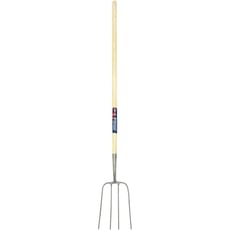
Manure forks feature closely-spaced, curved tines (usually four) designed to lift soiled bedding whilst allowing liquids and fine particles to drain through. Hay forks have longer, more widely-spaced tines (typically three) that slide easily into dried hay or straw without catching or excessively compressing the material, making bale handling more efficient.
Are aluminium grain shovels as durable as steel ones?
Aluminium grain shovels are perfectly durable for scooping loose materials like grain, feed pellets, or supplements. They're significantly lighter, reducing fatigue during repetitive use, and won't rust in damp conditions. However, steel remains preferable for digging, levering, or working with heavy, compacted materials where greater strength and edge retention are required.
How do I maintain wooden handles on farming tools?
Periodically treat wooden handles with linseed oil to prevent drying, splitting, and weather damage. Store tools under cover when possible to minimise moisture exposure and UV degradation. If a handle becomes loose in the socket, soaking in water temporarily swells the wood for a tighter fit, though persistent looseness indicates the need for replacement before failure occurs during use.
What size shovel or fork do I need for stable work?
Standard full-size tools with shaft lengths around 1200-1400mm suit most users for stable work. The implement should allow comfortable working posture without excessive bending or overreaching. Four-prong manure forks are the workhorses of stable management, whilst a multi-purpose shovel or West Country pattern handles varied tasks from clearing drains to distributing feed.
Can I use a standard garden fork instead of a farming fork?
Garden forks are lighter duty with thinner tines designed primarily for soil cultivation rather than load bearing. Farming forks available at Tooled-Up feature heavier construction with thicker, often reinforced tines and stronger socket connections to handle the weight and repetitive nature of moving manure, bedding, and feed. Whilst garden forks may suffice for occasional light use, regular farming work will quickly bend tines or break socket connections on standard garden implements.