

Fence Pressure Sprayers

Pay in 3 interest-free payments on purchases from £20-£3000 with  . Learn more.
 Loading...
End of content
Error - No more pages to load
About Fence Pressure Sprayers
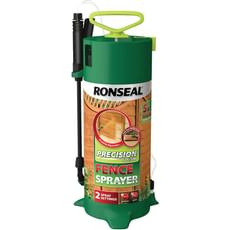
Fence pressure sprayers are specialised application tools designed to make treating, staining, and painting fences faster, easier, and more efficient than traditional brush or roller methods. These purpose-built sprayers deliver fence treatments, wood stains, preservatives, and paints in a fine, controlled mist that penetrates deep into timber whilst providing even coverage across large surface areas. With adjustable nozzles and ergonomic pump mechanisms, fence pressure sprayers eliminate the backbreaking work of treating extensive runs of fencing, making what was once a weekend-long job achievable in just a few hours.
Unlike general-purpose garden sprayers or professional airless paint systems, fence pressure sprayers are specifically engineered for the unique demands of fence treatment applications. They feature chemical-resistant seals and components that can handle solvent-based and water-based wood treatments without degrading, whilst their precision nozzles are calibrated to deliver the right droplet size for optimal timber penetration. The manual pump action provides consistent pressure without the need for 240v electrical power or compressors, making these tools ideal for outdoor work where mains electricity isn't readily available.
Whether you're maintaining residential garden fencing, treating commercial boundary panels, or applying protective coatings to agricultural post-and-rail installations, a quality fence pressure sprayer dramatically reduces application time whilst ensuring thorough, professional-quality coverage. The fine spray pattern reaches into grooves, overlaps, and textured surfaces that brushes often miss, whilst using less product overall compared to traditional application methods. Browse the selection at Tooled-Up.com to find sprayers from trusted brands like Ronseal, designed specifically for compatibility with leading fence treatment products.
Jargon Buster
- Pump Action Sprayer: A manual pressurisation system where you pump a handle or plunger to build up air pressure within the container, which then forces the liquid out through the nozzle in a controlled spray pattern.
- Adjustable Nozzle: A spray tip that can be rotated or adjusted to change the spray pattern from a fine mist to a more concentrated stream, or to alter the spray width to suit different fence panel sizes and styles.
- Chemical Resistant Seals: Gaskets and O-rings made from materials such as Viton or EPDM rubber that won't degrade when exposed to solvents, oils, and harsh chemicals commonly found in fence treatments and wood preservatives.
- Capacity: The volume of liquid the sprayer tank can hold, typically measured in litres. Larger capacities mean fewer refills but increased weight when full. Most fence sprayers range from 2 to 5 litres.
- PSI (Pounds per Square Inch): A measurement of pressure, though rarely specified for manual fence sprayers. Manual pump sprayers typically generate between 40-60 PSI, sufficient for fence treatment applications without excessive overspray.
- Anti-Drip Valve: A mechanism in the nozzle assembly that prevents liquid from continuing to drip after you release the trigger, ensuring clean work and preventing waste of expensive fence treatments.
Who Uses Fence Pressure Sprayers?
- Landscape Gardeners – treating client fencing as part of garden maintenance and renovation projects
- Property Maintenance Contractors – maintaining fencing across residential and commercial properties
- Fencing Contractors – applying treatments to newly installed fence panels and posts
- Painters and Decorators – offering exterior woodwork treatment services including fencing
- Groundskeepers and Estate Managers – maintaining boundary fencing across large properties, parks, and estates
- Agricultural Workers – treating post-and-rail fencing and field boundaries on farms and smallholdings
- DIY Enthusiasts and Homeowners – maintaining their own garden fencing quickly and effectively
- Letting Agents and Property Managers – keeping rental property boundaries in good condition between tenancies
How to Choose the Right Fence Pressure Sprayers
Tank Capacity: Consider how much fencing you'll typically treat in one session. Smaller 1-2 litre sprayers are lightweight and manoeuvrable, ideal for occasional domestic use and smaller gardens. Larger 4-5 litre capacity models reduce the number of refills needed for extensive commercial work, though they become considerably heavier when full. For most residential applications treating standard 6ft panels, a 3-litre capacity offers the best balance between portability and productivity.
Chemical Compatibility: Ensure the sprayer's seals, gaskets, and internal components are compatible with the treatments you'll be using. Water-based fence stains are less demanding, but solvent-based preservatives and oil-based treatments require chemical-resistant seals. Quality brands like Ronseal design their sprayers specifically for compatibility with their product ranges, ensuring reliable performance and longevity.
Nozzle Adjustability: Look for models with easily adjustable nozzles that allow you to change spray patterns without tools. The ability to switch between horizontal, vertical, and circular spray patterns lets you work efficiently on different fence styles, from close-board panels to picket fencing and trellis work. Two-setting sprayers offer a good balance between simplicity and versatility.
Build Quality and Materials: Check that the pump mechanism feels robust and operates smoothly, as this is the component most likely to fail with heavy use. Translucent or semi-transparent tanks help you monitor liquid levels without opening the unit. UV-resistant plastics ensure longevity when stored in sheds or garages exposed to sunlight. A solid base with foot rest provides stability when pumping pressure into the system.
Ergonomics and Weight: Consider the total weight when full and how comfortable the unit feels during extended use. A 5-litre sprayer adds approximately 5kg to the unit's weight when full. Look for models with comfortable carrying handles and well-balanced designs. The pump handle should be positioned for comfortable operation whether you're right or left-handed, reducing fatigue during extended treatment sessions.
Maintenance and Cleaning: Choose models with wide fill openings that make cleaning easier after use – essential for preventing blockages and extending sprayer life. Funnel necks facilitate easy filling and decanting without spillage. Spare parts availability is also worth considering if you'll be using the sprayer frequently in a professional capacity.
Popular Accessories
- Fence Treatments and Stains – Ronseal Fence Life, Cuprinol, and Sadolin wood treatments, stains, and preservatives in various colours and finishes
- Dust Sheets and Ground Protection – to protect paving, plants, and lawns from overspray during application
- Replacement Nozzles – spare spray tips for different application patterns and to replace worn components
- Spare Seals and Gasket Sets – to maintain sprayer performance and prevent leaks between sessions
- Masking Film and Tape – for protecting areas adjacent to the fence during spraying, including brickwork and windows
- Mixing Buckets and Stirrers – for preparing fence treatments to the correct consistency before filling the sprayer
- Cleaning Brushes and Funnels – to maintain the sprayer and fill without spillage or contamination
- Protective Gloves – chemical-resistant gloves from brands like Portwest for safe handling of treatments
- Storage Hooks and Brackets – for organised shed and van storage between applications
Safety Information
When using fence pressure sprayers, always wear appropriate personal protective equipment (PPE) including safety goggles or face shields to protect your eyes from spray mist, and chemical-resistant gloves to prevent skin contact with wood treatments. Many fence preservatives contain biocides and solvents that can cause skin irritation or more serious health effects with prolonged exposure, so ensure adequate ventilation even when working outdoors, and avoid spraying on windy days to prevent drift onto neighbouring properties or gardens.
Always read and follow the manufacturer's safety data sheets (SDS) for both the sprayer and the treatment product you're applying. Be aware of COSHH (Control of Substances Hazardous to Health) regulations if using these products in a professional capacity. Never spray near open flames or ignition sources when using solvent-based treatments, and keep children and pets away from the working area until surfaces have dried completely according to the product manufacturer's instructions.
Maintain safe working pressure by following the manufacturer's pumping recommendations – over-pressurising can cause seal failure and potentially hazardous leaks or spray back. After each use, thoroughly clean the sprayer according to the manufacturer's instructions to remove all chemical residues, which prevents dangerous chemical reactions if different products are subsequently used. Store the sprayer in a secure location away from food preparation areas and ensure any remaining chemicals are disposed of responsibly at designated waste facilities in accordance with HSE guidelines and local authority requirements.
Frequently Asked Questions
Can I use any fence treatment in a pressure sprayer?
Most modern fence pressure sprayers are compatible with both water-based and solvent-based fence treatments, but always check the manufacturer's recommendations first. Thick, heavy-bodied treatments may need thinning according to the product instructions to prevent nozzle clogging. Avoid using treatments containing large particulates or heavy pigments unless the sprayer is specifically designed for them. The Ronseal range available from Tooled-Up.com includes sprayers engineered to work optimally with their corresponding treatment ranges, ensuring reliable performance.
How do I clean my fence sprayer after use?
Cleaning immediately after use is essential for sprayer longevity. For water-based treatments, flush the system multiple times with clean warm water until it runs clear, then pump the water through the nozzle. For solvent-based products, use the appropriate solvent (typically white spirit or the manufacturer's recommended cleaner) following the same flushing procedure. Remove and clean the nozzle separately, checking for blockages. Allow all components to dry before storage, and leave the pressure valve open to prevent seal damage from residual pressure.
How much fence treatment will I need?
Coverage rates vary by product and fence condition, but most fence treatments cover approximately 5-8 square metres per litre on smooth, previously treated timber. Rough-sawn or newly installed bare wood can require 50% more product for adequate penetration and protection. A standard 6ft x 6ft fence panel (treating both sides) requires roughly 0.5-0.75 litres. Pressure sprayers are more economical than brushes, typically using 15-20% less product whilst achieving better coverage and penetration into the timber grain.
Can I use a fence sprayer for other garden applications?
Whilst fence sprayers can technically be used for applying other garden chemicals, it's not recommended to use the same sprayer for both fence treatments and herbicides or pesticides. Chemical residues can be extremely difficult to remove completely, and cross-contamination can damage plants or compromise treatment effectiveness. If you need a sprayer for multiple purposes, consider dedicating separate units or purchasing a general-purpose garden pressure sprayer for chemical applications alongside your fence sprayer.
How long does it take to spray a fence compared to brushing?
A fence pressure sprayer typically reduces application time by 60-75% compared to traditional brush methods. An experienced user can treat a standard 6ft panel in 2-3 minutes including both sides, compared to 8-12 minutes by brush. For a typical 20-panel garden fence (approximately 120 linear feet), spraying takes around 1-1.5 hours versus 3-4 hours brushing. The time saving increases further when treating textured surfaces or lap panels where brushes struggle to achieve even coverage in grooves and overlaps.