

Fencing Pins

Pay in 3 interest-free payments on purchases from £20-£3000 with  . Learn more.

 Loading...
End of content
Error - No more pages to load
About Fencing Pins
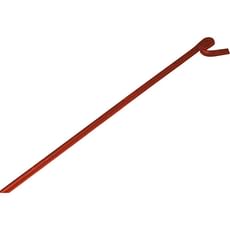
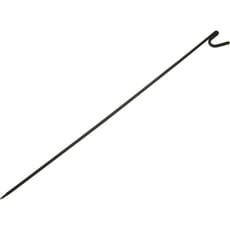
Fencing pins are indispensable tools for anyone installing temporary or permanent fencing systems across construction sites, agricultural land, or residential properties. These robust steel stakes are purpose-built to be driven into the ground, providing secure anchoring points for fencing panels, wire mesh, hazard tape, and rope barriers. Typically manufactured from hardened steel with corrosion-resistant finishes, fencing pins deliver the structural strength needed to withstand wind loads, ground movement, and the general pressures that might otherwise compromise fence stability. Available in various lengths—commonly ranging from 450mm to 1200mm—and different gauge thicknesses, these essential groundwork accessories ensure your fencing installation remains secure and professional throughout its working life.
The selection at Tooled-Up.com includes trusted manufacturers such as Roughneck and Faithfull, offering both standard and heavy-duty options suitable for different ground conditions and fencing applications. Whether you're erecting site hoarding around a construction project, installing agricultural fencing for livestock management, securing temporary event barriers, or marking off restricted access areas with rope and hazard tape, having quality fencing pins ensures your installation performs reliably. Most designs feature pointed ends for straightforward ground penetration and hooks or eyes at the top to accommodate rope attachment, wire tensioning, and panel securing without requiring additional fixings.
Durability is paramount when selecting fencing pins, which is why quality manufacturers construct them from hardened steel with galvanised or powder-coated finishes that resist rust and corrosion in challenging outdoor environments. The length you require depends largely on your ground conditions and the height of your fencing—softer ground or taller fence structures generally require longer pins driven deeper for adequate stability, whilst compact or rocky soil may be better suited to shorter, thicker gauge pins that can withstand driving force without bending or deforming.
Jargon Buster
- Galvanised Finish: A protective zinc coating applied to steel fencing pins that prevents rust and corrosion, significantly extending the product's lifespan when exposed to outdoor weather conditions and damp ground.
- Gauge: The thickness or diameter of the steel rod used to manufacture the fencing pin. Lower gauge numbers represent thicker, more robust pins with greater strength, whilst higher gauge numbers indicate thinner material suitable for lighter-duty applications.
- Hook or Eye End: The shaped top of the fencing pin that allows for rope attachment, chain linking, hazard tape securing, or wire connection without requiring additional fixings or hardware.
- Ground Anchor: The portion of the fencing pin that remains below ground level after installation, providing the holding power and stability for the fence structure or barrier system above.
- Powder Coating: A durable paint finish baked onto steel fencing pins that provides corrosion protection and weather resistance, particularly useful for temporary applications where galvanising may not be necessary.
- Tension Wire: Wire strung taut between fencing pins to support wire mesh or chain-link fencing, keeping it properly aligned and secure along the fence line.
Who Uses Fencing Pins?
- Professional fencing contractors and groundworkers
- Construction site managers requiring temporary hoarding and site security
- Health and safety officers marking off restricted access areas
- Landscapers and garden designers
- Agricultural workers and farm managers
- Groundskeepers at sports facilities and parks
- Event organisers setting up temporary crowd barriers and enclosures
- Highways maintenance teams and civil engineering contractors
- DIY enthusiasts tackling garden fencing projects
- Smallholders and equestrian facility managers
- Local authority maintenance teams
- Utility companies marking off work areas
How to Choose the Right Fencing Pins
Selecting appropriate fencing pins for your project requires careful consideration of several key factors to ensure a secure and lasting installation:
Ground Conditions: Assess the soil type where you'll be installing your fence or barrier. Softer ground like sand or loose soil requires longer pins with greater ground anchor depth—typically 900mm to 1200mm—whilst harder clay or compacted earth may need shorter, thicker gauge pins (600mm to 750mm) that can withstand driving force without bending.
Application Type: Determine whether you need pins for permanent fencing installations, temporary site barriers, or rope and hazard tape marking. Permanent installations benefit from galvanised steel options from brands like Roughneck and Faithfull available from Tooled-Up.com, whilst temporary applications may suffice with powder-coated standard pins.
Fence Height and Weight: Taller or heavier fencing systems generate more leverage and wind load, requiring longer, more robust pins. As a general rule, at least one-third to one-half of the total pin length should be driven below ground level for adequate stability.
Top Fitting Type: Consider whether you need hooks, eyes, or plain tops depending on your application. Rope and hazard tape systems require hook fittings, wire mesh and tension wire installations typically need eye fittings, whilst panel fencing may simply need plain-top pins.
Material and Coating: For permanent installations or exposed coastal environments, choose galvanised steel fencing pins that resist corrosion. Powder-coated pins work well for temporary applications or projects with shorter lifespans.
Quantity Required: Calculate pin spacing based on your fencing type—typically every 2-3 metres for panel fencing, every 1-2 metres for rope barriers, and more frequently for wire mesh or in high-wind areas.
Popular Accessories
- Lump hammers and post rammers for driving pins into the ground
- Hazard tape, warning tape, and barrier rope
- Fencing wire and tension wire for mesh installations
- Wire strainers and tensioning tools
- Fencing pliers and wire cutters
- Spirit levels for ensuring vertical alignment
- String lines and marking spray for layout planning
- Work gloves and safety glasses for personal protection
- Fence panels, wire mesh, and chain-link fencing materials
- Post hole diggers for mixed fencing installations
- Cable and pipe detection equipment
- Wheelbarrows for transporting materials across site
Safety Information
When working with fencing pins, always wear appropriate personal protective equipment including sturdy work gloves to protect against sharp edges and steel splinters, and safety glasses or goggles to shield your eyes from flying debris when hammering pins into hard ground. Steel toe-capped boots are essential to prevent foot injuries if a pin or hammer is dropped during installation, and high-visibility clothing should be worn when working on construction sites or near roads.
Take care when driving pins into the ground—ensure you have a clear swing path and maintain a firm, balanced stance to prevent mis-strikes that could cause the hammer to glance off and cause injury. Be mindful of underground services before driving any pins; always check for buried cables, pipes, and utilities using appropriate detection equipment, particularly on construction sites or near buildings. This is a critical HSE requirement that cannot be overlooked.
Store fencing pins safely when not in use, keeping them flat and secure to prevent trip hazards or falling objects that could cause injury on busy work sites. When removing pins from the ground, use appropriate extraction tools rather than excessive force that might cause sudden release and injury. Used pins with sharp points should be handled carefully and disposed of responsibly if damaged beyond reuse.
Frequently Asked Questions
What length fencing pins do I need for marking off work areas with rope or hazard tape?
For typical temporary barrier applications using rope or hazard tape, 900mm to 1200mm fencing pins are ideal. The Faithfull and Roughneck models stocked by Tooled-Up provide excellent stability when driven 400-500mm into the ground, with sufficient height above ground to keep rope or tape visible and taut. In softer ground or exposed locations, opt for the 1200mm options for maximum stability.
Can I reuse fencing pins after removing a barrier or fence?
Yes, quality galvanised or powder-coated steel fencing pins can be reused multiple times if they remain straight and undamaged. Clean off any soil and inspect for bending, rust, or structural damage before reusing. Straightening bent pins is not recommended as this weakens the steel and compromises holding power. Proper storage between uses will maximise their working life.
How far apart should I space fencing pins when installing rope barriers?
For rope and hazard tape barriers, space pins every 1.5 to 2 metres for optimal rope tension and visibility. Closer spacing (every 1-1.5 metres) is advisable in high-wind areas, on uneven ground, or where the barrier might experience pressure from crowds or livestock. For panel fencing, place pins every 2-3 metres or at each panel junction.
What's the difference between galvanised and powder-coated fencing pins?
Galvanised fencing pins feature a zinc coating that provides superior long-term corrosion resistance, making them ideal for permanent installations or harsh environments. Powder-coated pins offer good weather protection and are often more economical for temporary applications or shorter-term projects. Both finishes are available from brands like Roughneck and Faithfull.
Do I need special tools to install fencing pins?
A standard lump hammer (typically 4-7lb) is usually sufficient for driving fencing pins into most ground conditions. For larger projects or hard ground, a post rammer or fence post driver can speed up installation and reduce physical strain. Always wear appropriate PPE including work gloves, safety glasses, and steel toe-capped boots regardless of which method you use.