

Fencing Pliers

Pay in 3 interest-free payments on purchases from £20-£3000 with  . Learn more.
 Loading...
End of content
Error - No more pages to load
About Fencing Pliers
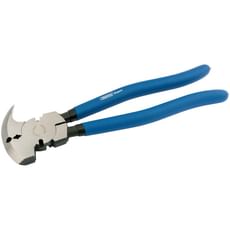
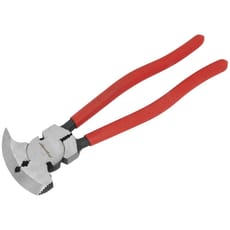
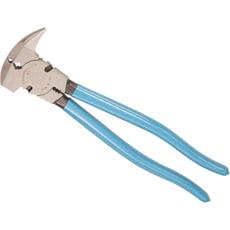
Fencing pliers are specialist multi-functional hand tools designed specifically for the installation, repair, and maintenance of wire fencing. Combining the functionality of pliers, wire cutters, hammer, and staple pullers in a single robust tool, fencing pliers are an essential piece of kit for anyone working with agricultural fencing, garden boundaries, or security perimeters. These versatile tools feature specially designed jaws that can grip and twist wire, cut through various gauges of fencing wire, and drive or extract staples with ease, making them indispensable for professional fence contractors and DIY enthusiasts alike.
The selection at Tooled-Up.com includes professional-grade fencing pliers from trusted manufacturers including Bahco, DeWalt, Draper, Faithfull, Channellock, and Sealey. Whether you're a professional fence contractor, farm manager, groundskeeper, or homeowner tackling garden fencing projects, the range offers tools to suit every application and budget. Most fencing pliers measure between 225-280mm in length and are manufactured from drop-forged or chrome vanadium steel for exceptional durability in demanding outdoor conditions.
Modern fencing pliers typically include soft-grip or cushioned handles for improved comfort during extended use, high-leverage joint designs for easier cutting through tough wire, and corrosion-resistant finishes to withstand exposure to the elements. Many models also incorporate a wire straining function and a claw for pulling fence staples, making them truly comprehensive tools for all fencing work. From basic models suitable for occasional garden maintenance to heavy-duty professional tools with laser heat-treated cutting edges, these multi-purpose implements eliminate the need to carry separate hammers, cutters, and pullers around the worksite.
Jargon Buster
- Drop-Forged Steel: A manufacturing process where heated metal is shaped by hammering or pressing, creating exceptionally strong and durable tool construction that resists breaking under heavy loads.
- Wire Strainer: A built-in feature on some fencing pliers that allows you to grip and tension fencing wire tightly before securing it, ensuring proper fence line tension and preventing sagging.
- Staple Puller: A claw or notched section on the plier head designed specifically for removing fence staples from wooden posts without damaging the timber.
- High-Leverage Design: Joint positioning that increases mechanical advantage, allowing you to cut through thicker wire gauges with less hand force and reduced fatigue during prolonged use.
- Chrome Vanadium Steel: An alloy steel containing chromium and vanadium that offers excellent strength, wear resistance, and corrosion protection for long-lasting tool performance in outdoor conditions.
- Laser Heat-Treating: An advanced manufacturing process that hardens specific areas of the tool, such as cutting edges, to provide superior cutting performance and extended service life.
Who Uses Fencing Pliers?
- Fence Contractors: Professional tradespeople specialising in agricultural, residential, and commercial fencing installation and repair work.
- Farmers and Agricultural Workers: For maintaining livestock enclosures, field boundaries, and security fencing across rural properties and farmland.
- Groundskeepers and Estate Managers: Maintaining boundary fencing, deer fencing, and perimeter security on large properties, estates, and country parks.
- Landscape Gardeners: Installing decorative wire fencing, mesh barriers, and garden boundaries for residential and commercial landscaping projects.
- Grounds Maintenance Teams: Council workers, park rangers, and facilities managers responsible for public space fencing and security barriers.
- Equestrian Facilities: Stable managers and equine property owners maintaining paddock fencing, arena boundaries, and field enclosures.
- DIY Enthusiasts: Homeowners undertaking garden fencing projects, pet enclosures, or property boundary maintenance and repairs.
- Wildlife Conservation Workers: Installing and maintaining conservation fencing, habitat barriers, and protection enclosures for environmental projects.
How to Choose the Right Fencing Pliers
Wire Cutting Capacity: Consider the maximum wire gauge you'll be working with. Most quality fencing pliers can cut wire up to 2.5-3mm diameter, with professional models handling high-tensile wire up to 4mm. Check specifications if you regularly work with heavier gauge stock fencing or security wire to ensure the tool meets your requirements.
Build Quality and Material: Look for drop-forged or chrome vanadium steel construction for professional durability. Budget tools may use cast metal which can be prone to breaking under heavy use. Brands like Bahco, DeWalt, and Channellock offer superior metallurgy and manufacturing quality for demanding applications, with features like phosphate anti-corrosion treatment providing enhanced longevity.
Handle Comfort: If you're working on larger projects or using the tool regularly, soft-grip or cushioned handles significantly reduce hand fatigue and improve control in wet conditions. Consider the handle length as well – longer handles provide more leverage for cutting and wire straining operations, whilst compact models are easier to carry in tool pouches.
Multi-Functionality: Identify which features you need most frequently. Standard functions include wire cutting, gripping/twisting jaws, hammer head, and staple puller. Some models offer specialised wire tensioning capabilities and multiple cutting edges for different wire types, making them ideal for professional fence contractors.
Corrosion Resistance: Fencing work often takes place in wet, muddy conditions throughout the British countryside. Tools with chrome-plated, phosphated, or rust-resistant finishes will maintain functionality and appearance longer than basic carbon steel options, particularly important for tools stored in damp sheds or vehicle storage.
Brand and Warranty: Reputable manufacturers available from Tooled-Up typically offer better quality control, warranty support, and replacement part availability. For professional daily use, investing in established brands ensures reliability, whilst mid-range options provide excellent value for occasional DIY applications.
Popular Accessories
- Fencing Wire: Stock wire, barbed wire, high-tensile wire, and plain wire in various gauges for different fencing applications and livestock requirements.
- Fence Staples: Galvanised steel staples in multiple sizes (25mm to 40mm) for securing wire to wooden posts and rails.
- Wire Strainers: Ratchet-type wire tensioning tools for achieving proper fence line tension on longer runs and corner posts.
- Fencing Hammers: Specialist hammers with magnetic staple holders and claw pullers for efficient fencing work and staple driving.
- Tool Belts and Pouches: Leather or heavy-duty fabric holders for carrying fencing tools and fixings whilst working along fence lines.
- Wire Cutters: Heavy-duty bolt cutters or dedicated wire cutters for cutting chain link, mesh fencing, and thick gauge wire.
- Measuring Tapes: Long-length measuring tapes (30-50 metres) for accurate fence line layout and post spacing.
- Fencing Posts: Timber or steel posts, straining posts, and intermediate posts required for complete fencing installations.
- Work Gloves: Heavy-duty leather or synthetic gloves for hand protection when handling sharp wire and barbed fencing materials.
- Post Hole Diggers: Manual or powered augers for efficient post hole preparation in various soil conditions.
Safety Information
Personal Protective Equipment: Always wear appropriate safety goggles or glasses when cutting wire, as cut ends can spring back unexpectedly and sharp fragments may be released. Heavy-duty work gloves are essential when handling barbed wire or sharp mesh to prevent cuts and puncture wounds. Consider long sleeves to protect arms from wire scratches during prolonged fencing work.
Wire Tension Hazards: Exercise extreme caution when cutting tensioned fencing wire, as the sudden release of tension can cause wire to whip back violently, potentially causing serious facial or bodily injury. Always stand to the side and ensure others are clear of the wire path before cutting. Never position your face near tensioned wire being cut.
Tool Maintenance: Keep cutting edges sharp and in good condition – blunt tools require excessive force which increases the risk of slippage and hand injuries. Regularly inspect pivot points, handles, and hammer heads for damage or loosening, and replace worn tools promptly to maintain safe operation.
Overhead Hazards: When working near electricity cables or power lines, maintain safe distances as specified by HSE guidelines. Never use metal fencing tools near live electrical sources. Be particularly vigilant on farms and rural locations where overhead cables may be present near boundary fences.
Proper Technique: Use the tool within its designed capacity – forcing pliers beyond their rated wire gauge can cause tool failure and hand injury. Always cut perpendicular to the wire for cleanest results and safest operation. When using the hammer function, ensure a firm grip and clear striking area to prevent glancing blows.
Frequently Asked Questions
What's the difference between fencing pliers and standard pliers?
Fencing pliers are specialist multi-tools designed specifically for fence work. Unlike standard pliers, they incorporate a hammer head for driving staples, a claw for pulling staples, wire cutting edges rated for fencing wire, wire gripping/twisting jaws, and often a wire straining feature. This multi-functionality eliminates the need to carry multiple separate tools when working on fencing projects, making them far more efficient for fence installation and repair work.
Can fencing pliers cut through barbed wire?
Yes, quality fencing pliers from brands like Bahco, DeWalt, and Channellock can cut through standard barbed wire (typically 2.5-3mm diameter). The Channellock model, for example, features laser heat-treated cutting edges specifically designed for high-tensile wire. However, for very heavy-gauge barbed wire or continuous cutting work, dedicated wire cutters or bolt cutters may be more efficient and reduce wear on your fencing pliers.
How do I maintain my fencing pliers?
After each use, wipe down the pliers to remove mud, moisture, and debris which are common in British outdoor conditions. Apply a light coating of oil or WD-40 to the pivot points and cutting edges to prevent rust, particularly important in our damp climate. Store in a dry location. Periodically check that the jaws align correctly and cutting edges remain sharp – professional sharpening services can restore cutting performance when needed.
Are expensive fencing pliers worth the investment?
For professional fence contractors or frequent users, premium brands like Bahco and Channellock offer superior steel quality, better ergonomics, laser heat-treated cutting edges, and longer service life that justifies the higher initial cost. For occasional DIY use – perhaps annual garden fence maintenance – mid-range options from Draper or Faithfull provide excellent value and adequate durability for lighter-duty applications without the premium price tag.
What length of fencing pliers should I choose?
Most fencing pliers range from 225-280mm in length. Longer pliers (270-280mm) provide greater leverage for cutting thicker wire and better reach when working with tall fences, making them ideal for professional daily use. Shorter models (225-250mm) are lighter and easier to carry in tool pouches or belts but may require more hand strength for tougher materials. Consider your typical wire gauges, the scale of projects you undertake, and how much you'll be carrying the tool around site when making your choice.