

Fertilisers

Pay in 3 interest-free payments on purchases from £20-£3000 with  . Learn more.
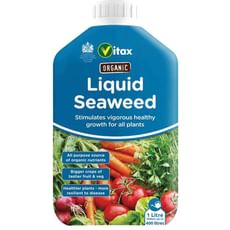
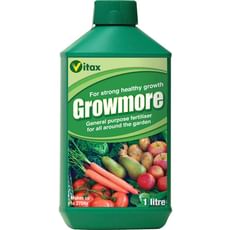
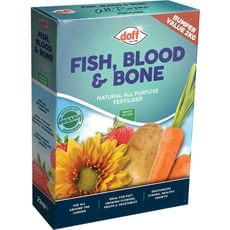
 Loading...
End of content
Error - No more pages to load
About Fertilisers
Fertilisers are essential products for maintaining healthy, vibrant plants, lawns, and gardens throughout the year. Whether nurturing a vegetable patch, maintaining a pristine lawn, or growing flowers in containers, the right fertiliser provides vital nutrients that plants need to thrive. The range available at Tooled-Up.com includes both traditional organic options like blood, fish and bone, and modern concentrated liquid feeds designed for specific plant types and growing conditions.
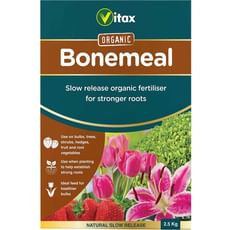
From all-purpose garden fertilisers that support general plant health to specialised formulations for tomatoes, containers, and lawns, Tooled-Up stocks trusted brands including Vitax and Doff. These products deliver essential nutrients—primarily nitrogen, phosphorus, and potassium—that may be lacking in soil. Organic options such as bonemeal and seaweed-based fertilisers release nutrients gradually, improving soil structure over time, while liquid concentrates offer fast-acting solutions for plants showing signs of nutrient deficiency.
Whether you're a professional gardener, landscape contractor, or keen DIY enthusiast tending to your home garden, selecting the appropriate fertiliser for specific needs will dramatically improve plant growth, flowering, and crop yields. The range includes products suitable for year-round feeding programmes, seasonal applications, and targeted plant nutrition to help achieve professional results.
Jargon Buster
- NPK Ratio: The three numbers displayed on fertiliser packaging indicating the percentage of nitrogen (N), phosphorus (P), and potassium (K). Different plants require different ratios—for example, lawns benefit from higher nitrogen content for lush green growth, whilst tomatoes need higher potassium for fruit development.
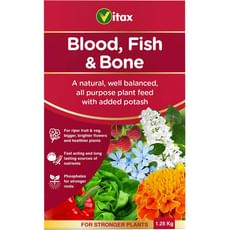
- Blood, Fish and Bone: A traditional organic fertiliser combining dried blood (high in nitrogen), fish meal, and ground bone (phosphorus-rich). It provides a balanced, slow-release feed that improves soil fertility and is suitable for most garden plants.
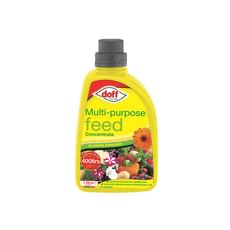
- Liquid Concentrate: A highly concentrated fertiliser that must be diluted with water before application. These products are economical, easy to store, and allow precise control over nutrient strength and application rates.
- Slow-Release Fertiliser: Products that release nutrients gradually over an extended period, typically several weeks or months. These reduce the need for frequent feeding and minimise the risk of nutrient leaching or plant scorching.
- Organic vs Inorganic: Organic fertilisers derive from natural sources (plant or animal material) and improve soil structure whilst feeding plants. Inorganic or synthetic fertilisers are manufactured chemically and typically act faster with more precise nutrient control.
- Trace Elements: Micronutrients required by plants in small quantities, such as iron, manganese, and boron. Many general-purpose fertilisers include these alongside the main NPK nutrients.
Who Uses Fertilisers?
- Professional Gardeners and Horticulturalists: Maintaining client gardens, estates, and commercial landscaping to the highest standards
- Landscape Contractors: Establishing new planting schemes and maintaining grounds for residential and commercial properties
- Groundskeepers and Greenkeepers: Managing sports pitches, golf courses, parks, and public green spaces
- Allotment Holders: Growing vegetables and fruit crops that require regular feeding for optimal yields
- Nursery and Garden Centre Staff: Maintaining stock plants and advising customers on plant nutrition
- DIY Gardeners and Homeowners: Caring for lawns, flower beds, vegetable patches, and container plants
- Agricultural Workers: Small-scale farming operations and market gardens requiring soil amendment products
How to Choose the Right Fertilisers
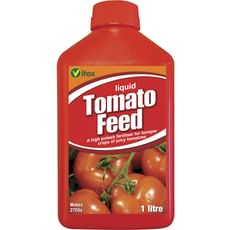
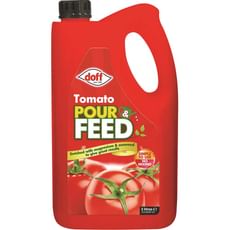
Selecting the appropriate fertiliser depends on several factors. First, consider what you're growing—lawns require high-nitrogen feeds for lush green growth, flowering plants benefit from higher potassium levels, and vegetables need balanced nutrition throughout their growing season. Tomatoes, for instance, have specific requirements best met by dedicated tomato feeds with higher potassium content to promote fruit development.
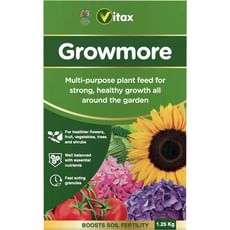
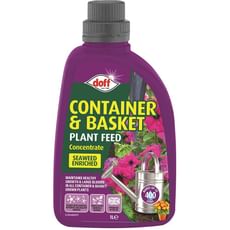
Think about your application method and frequency preferences. Granular products like growmore and blood, fish and bone are ideal for general garden use and can be worked into the soil before planting or applied as a top dressing. Liquid concentrates offer flexibility for container plants, hanging baskets, and when plants need a quick nutrient boost during the growing season. Slow-release formulations such as pellets reduce maintenance by feeding plants over extended periods.
Consider whether you prefer organic or inorganic options. Organic fertilisers like bonemeal, seaweed extract, and blood, fish and bone improve soil structure and support beneficial soil organisms whilst feeding plants gradually. They're excellent for sustainable gardening practices. Inorganic fertilisers typically work faster and offer more precise nutrient control, making them suitable when plants show deficiency symptoms or require rapid correction.
Check product coverage and concentration rates—liquid concentrates may appear smaller but dilute to cover large areas, offering better value than ready-to-use products. For lawns, calculate your total area to ensure you purchase sufficient product. Always read application instructions carefully, as over-feeding can damage plants and waste money whilst under-feeding produces disappointing results.
Popular Accessories
- Watering Cans with Rose Attachments: Essential for diluting and applying liquid fertilisers evenly without damaging delicate plants
- Hose-End Feeders: Devices that attach to garden hoses for quick, efficient application of liquid concentrates over large areas
- Spreaders: Wheeled or hand-held tools for even distribution of granular and pelleted fertilisers across lawns and borders
- Garden Sprayers: Pressure sprayers for foliar feeding and precise application of liquid nutrients
- Measuring Jugs and Scoops: For accurate dosing of concentrated products according to manufacturer recommendations
- Garden Gloves: Protecting hands when handling fertilisers, particularly organic products
- Soil Testing Kits: Determining existing nutrient levels and pH to inform fertiliser selection
- Storage Containers: Keeping opened fertiliser products dry and clearly labelled
Safety Information
Always read product labels thoroughly before use and follow the manufacturer's application rates—more is not better when it comes to fertilisers, and over-application can damage plants and harm the environment. Store all fertiliser products in their original packaging in a cool, dry location away from children, pets, and foodstuffs. Ensure containers are properly sealed to prevent moisture ingress and maintain product effectiveness.
Wear appropriate protective equipment when handling fertilisers, particularly gloves when applying organic products or concentrated formulations. Some fertilisers can cause skin irritation or be harmful if swallowed. Wash hands thoroughly after application and before eating or drinking. When applying fertilisers to lawns or edible crops, keep pets and children away from treated areas until products have been watered in or absorbed as directed on the packaging.
Be mindful of environmental responsibility—avoid applying fertilisers immediately before heavy rain or to waterlogged soil, as this increases the risk of nutrients washing into waterways. Never apply fertilisers near ponds or streams. Dispose of empty containers responsibly according to local authority guidelines. For professional users, familiarise yourself with relevant COSHH regulations regarding storage, handling, and disposal of fertiliser products on commercial sites.
Frequently Asked Questions
When is the best time to apply fertiliser?
This depends on the product type and what you're feeding. General garden fertilisers are typically applied in spring when plants begin active growth, with additional applications during the growing season. Lawns benefit from feeding in spring and autumn, whilst some all-year lawn feeds can be applied throughout milder months. Liquid feeds for containers and tomatoes are applied regularly during the growing season, usually fortnightly. Always avoid feeding during frost or drought conditions.
What's the difference between organic and inorganic fertilisers?
Organic fertilisers are derived from natural plant or animal materials, such as blood, fish and bone, seaweed, or bonemeal. They release nutrients slowly, improve soil structure, and support beneficial soil organisms. Inorganic fertilisers are synthetically manufactured to provide specific nutrient ratios. They typically work faster and offer more precise control but don't improve soil structure. Many gardeners use both types for different purposes.
Can I use the same fertiliser for all my plants?
Whilst general-purpose fertilisers like growmore or blood, fish and bone suit many common garden plants, specific crops benefit from specialised formulations. Lawns need high-nitrogen feeds, tomatoes require potassium-rich feeds once flowering begins, and acid-loving plants like rhododendrons need specialised products. Container plants often need more frequent feeding than those in open ground. Reading plant labels and fertiliser recommendations ensures optimal results.
How do I know if my plants need fertilising?
Common signs of nutrient deficiency include yellowing leaves, poor growth, weak stems, reduced flowering, or small fruit. However, these symptoms can also indicate other problems like pest damage or watering issues. Plants in containers need more frequent feeding than those in garden soil, as nutrients wash out with regular watering. Most garden plants benefit from annual feeding in spring, whilst heavy feeders like vegetables and roses require more regular applications.
Are fertilisers safe to use around children and pets?
When used according to manufacturer instructions, fertilisers are safe. However, they should be stored securely away from children and pets, and treated areas should be kept clear until products have been watered in or absorbed as directed. Organic fertilisers, despite being natural, can still cause stomach upsets if consumed by pets. Always supervise application, wash hands after use, and follow all label precautions to ensure safe use around your family and animals.