

Fibreglass Tape Measures
Pay in 3 interest-free payments on purchases from £30-2000 with  . Learn more.
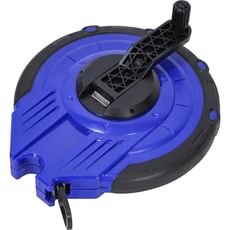
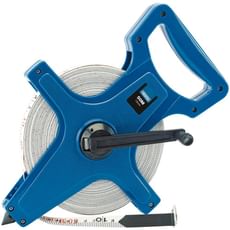
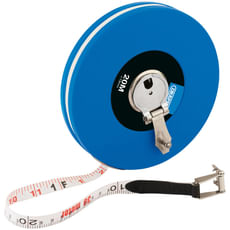
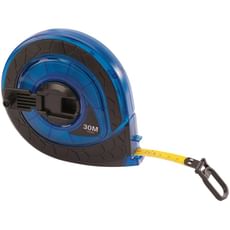
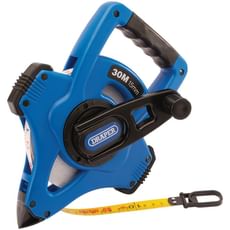
 Loading...
End of content
Error - No more pages to load
About Fibreglass Tape Measures
Fibreglass tape measures are essential long-distance measuring tools engineered for durability, safety and accuracy across demanding outdoor environments. Unlike traditional steel tape measures, fibreglass tapes feature a non-conductive, weather-resistant blade constructed from woven glass fibres coated in protective PVC. This construction makes them immune to rust and corrosion whilst eliminating the electrical conductivity risks associated with metal tapes. Available in lengths from 10 metres through to 100 metres, these specialist measuring tools provide the extended reach required for land surveying, groundwork layout, boundary measurement and large-scale construction projects where shorter pocket tapes would prove impractical.
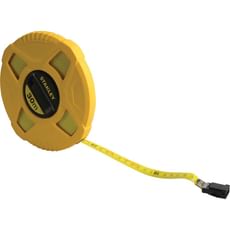
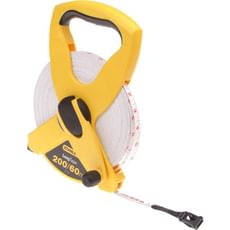
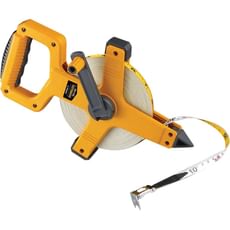
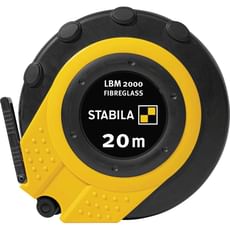
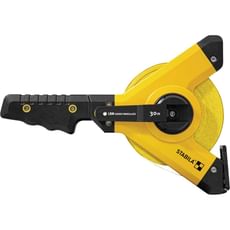
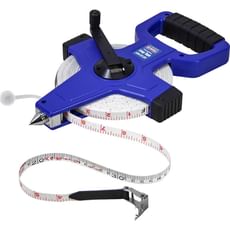
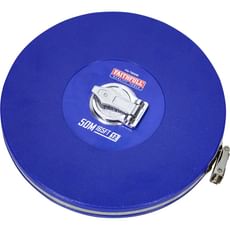
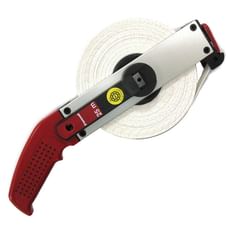
The selection at Tooled-Up.com includes both open reel and enclosed case designs from trusted professional brands including Stanley, Stabila, Faithfull, Draper and Komelon. Open reel models offer rapid deployment and straightforward cleaning after use in muddy site conditions, whilst enclosed case versions provide superior tape protection alongside convenient fast-rewind mechanisms and comfortable carrying handles. Most professional-grade fibreglass tapes feature dual measurement scales displaying both metric (metres, centimetres and millimetres) and imperial (feet and inches) graduations, with reinforced end hooks designed to withstand the rigours of daily site work.
The fibreglass construction delivers exceptional flexibility, allowing these tapes to conform to uneven ground surfaces and contours without the permanent kinking or blade memory issues that compromise steel tape accuracy. Their lightweight design significantly reduces operator fatigue during extended measuring sessions, making them the preferred choice for surveyors, groundworkers and landscaping professionals who need to take multiple measurements throughout the working day. The non-conductive properties provide an additional safety margin when working on construction sites where underground cables or overhead power lines may be present, though proper electrical isolation procedures must always be followed.
Jargon Buster
- Fibreglass Blade – A non-metallic measuring tape manufactured from woven glass fibres encapsulated in PVC coating. Provides excellent weather resistance, durability and electrical non-conductivity whilst maintaining measurement accuracy over extended distances.
- Open Reel Design – A tape measure configuration where the fibreglass blade winds around an exposed frame or drum without protective housing. Allows rapid cleaning, quick deployment and easier inspection, making these models popular with land surveyors and groundwork contractors.
- Enclosed Case – A protective housing that completely surrounds the tape blade, shielding it from dirt, moisture and physical damage. Typically incorporates fast-rewind mechanisms, ergonomic handles and convenient transport features for regular daily use.
- Class II/Class III Accuracy – European accuracy standards (EN 13942) defining measurement tolerances. Class II permits ±3mm deviation over 10 metres, whilst Class III allows ±5mm over 10 metres. Professional surveying and construction work demands Class II or better for legal compliance.
- End Hook/Claw – The reinforced metal or stainless steel attachment at the tape's terminal end, used to anchor the measure to fixed points, edges or stakes. Quality end fittings prevent slippage and ensure accurate solo measurements over distance.
- Fast Rewind Mechanism – A spring-loaded or geared system that automatically retrieves the extended tape back into its housing with minimal operator effort, preventing tangles and saving considerable time when working with 50m or 100m lengths.
Who Uses Fibreglass Tape Measures?
Fibreglass tape measures serve diverse professional trades and applications:
- Land Surveyors – Property boundary establishment, plot dimension verification and topographical feature measurement
- Groundworkers and Civil Engineers – Site layout setting out, drainage run calculations and foundation dimension transfer
- Electricians and Telecoms Engineers – Cable route measurement and safe distance measurement near electrical installations due to non-conductive properties
- Builders and Construction Teams – Large-scale building measurements, site perimeter dimensions and outdoor project layout
- Landscapers and Garden Designers – Plot measurements, lawn area calculations and garden feature positioning
- Fencing Contractors – Boundary run measurement and material quantity calculations
- Sports Ground Maintenance Teams – Pitch marking, field dimension verification and sports line layout
- Agricultural Workers – Field measurements, livestock enclosure dimensions and land area calculations
- Estate Agents and Property Professionals – Garden area verification and land boundary confirmation
- DIY Enthusiasts – Garden projects, paving layouts, decking construction and outdoor building work
How to Choose the Right Fibreglass Tape Measures
Length Requirements: Consider your typical measuring distances carefully. Tapes range from 10m through to 100m lengths. General building and landscaping work usually requires 20-30m capacity, whilst professional surveying and large plot measurement may demand 50m or longer. Remember that extended lengths increase weight and bulk, making them less practical for everyday shorter measurements where a compact steel tape would prove more convenient.
Open Reel vs Enclosed Case: Open reel designs from brands like Stanley and Stabila offer rapid deployment, lighter weight and straightforward cleaning after use in muddy or dusty site conditions. Enclosed case models from Faithfull and Draper protect the tape blade from contamination and damage whilst providing fast-rewind mechanisms and comfortable carrying handles, making them more convenient for frequent daily use though slightly heavier to transport.
Measurement Scales: Professional-grade fibreglass tapes feature dual scales displaying both metric (millimetres and centimetres) and imperial (feet and inches) measurements. Verify that graduations are clearly printed with fade-resistant inks that withstand prolonged outdoor exposure and UV light. Poorly printed markings become illegible quickly on site, compromising measurement accuracy and professional work quality.
Accuracy Classification: Professional surveying, groundwork layout and construction applications demand Class II accuracy or superior ratings. For general landscaping, rough site measurements and non-critical applications, Class III tolerance may suffice. Always check manufacturer specifications for tolerance ratings and verify the tape meets your professional requirements before purchase.
Build Quality and Durability: Professional brands including Stabila, Stanley, Faithfull and Draper manufacture tapes with reinforced stainless steel end hooks, robust winding mechanisms and high-quality fibreglass that resists stretching and degradation over time. Budget alternatives may suit occasional DIY use, but tradespeople should invest in proven professional brands that withstand daily site conditions, frequent deployment and challenging weather exposure.
Ergonomics and Transport: Ergonomic carrying handles and comfortable grip designs reduce operator fatigue during extended measuring sessions. Some professional models incorporate shoulder straps for hands-free transport around larger sites. Consider how you'll carry the tape alongside your other equipment and whether the weight suits your typical working patterns.
Popular Accessories
- Measuring Wheels – Complement fibreglass tapes for very long distance measurements along paths, roads and extended boundaries where tape deployment would prove impractical or time-consuming
- Marking Paint and Spray Markers – Transfer measurements directly onto ground surfaces, paving and turf, essential for groundworks, landscaping projects and setting out work
- Ranging Poles and Survey Stakes – Work alongside long tapes to maintain straight measurement lines over distance, establish accurate reference points and ensure measurement accuracy across uneven terrain
- Steel Tape Measures – Shorter pocket tapes (3m-8m) from Stanley and other brands for detailed work and close measurements where fibreglass tapes would prove unnecessarily cumbersome
- Laser Distance Measurers – Digital alternatives from Bosch and DeWalt for quick single-person measurements, though fibreglass tapes remain essential for many outdoor applications and legal boundary measurements
- Tool Belts and Tape Holders – Keep measuring tools accessible and protected when moving around site, particularly useful for tradespeople carrying multiple measurement instruments
- High-Visibility Marker Flags – Attach to tape at specific intervals for improved visibility on busy sites and to prevent trip hazards
Safety Information
Electrical Safety: Although fibreglass construction is non-conductive, never deliberately use any measuring tool near live electrical equipment or installations. The metal end hooks and any moisture present on the tape can still conduct electricity. Always follow HSE guidance and isolate electrical supplies before measuring cable routes or working near potential electrical hazards. Non-conductive tapes provide a safety margin but do not eliminate electrical risks entirely.
Snap-Back Hazards: When extending long tapes, ensure they remain properly controlled throughout measurement. A rapidly retracting tape can cause facial injuries, lacerations or become entangled with operators or bystanders. Always use controlled rewind features, maintain firm grip during retraction and warn others in the vicinity before rewinding extended tapes, particularly with 50m and 100m lengths.
Trip Hazards on Site: Extended tape measures across pathways, access routes and working areas create significant trip hazards on busy construction sites. Position tapes carefully away from traffic routes, use barrier cones or high-visibility flags where appropriate, and never leave tapes unattended across walkways. Brief other site workers before laying out long measurement runs.
Regular Inspection and Maintenance: Inspect tapes regularly for fraying, splits, damaged coatings or compromised end hooks. Degraded fibreglass can develop sharp edges that cause lacerations during handling. Clean tapes thoroughly after use in muddy or dusty conditions to prevent premature wear, ensure smooth operation and maintain measurement accuracy. Store in dry conditions away from direct sunlight when not in use.
Frequently Asked Questions
Why choose fibreglass over steel tape measures for site work?
Fibreglass tapes are non-conductive, making them significantly safer around electrical installations, underground cables and overhead power lines. They won't rust or corrode in wet conditions, making them ideal for outdoor surveying, land measurement and groundwork applications. They're also lighter and more flexible than steel tapes of equivalent length, reducing operator fatigue during extended measuring sessions. However, steel tapes remain more suitable for precision carpentry, internal measurements and shorter distances where blade rigidity is important for accuracy.
How do I maintain accuracy over extended use?
Store your fibreglass tape properly by ensuring it's completely clean and dry before rewinding into the case or onto the reel. Avoid leaving it extended in direct sunlight for prolonged periods, as UV exposure causes gradual degradation of the fibreglass and coating. Inspect the end hook regularly for damage, bending or looseness, as a compromised hook will introduce measurement errors. Periodically verify measurements against a known accurate reference or calibrated baseline, especially for professional surveying work where accuracy is legally critical.
Can fibreglass tape measures be used in all weather conditions?
Yes, fibreglass tapes are specifically engineered for outdoor use and perform reliably in wet, cold and muddy conditions. Unlike steel tapes, they won't rust and are less affected by temperature fluctuations that cause expansion and contraction. However, extreme cold can make the fibreglass slightly more brittle, so handle with additional care in freezing conditions. Always wipe clean and dry thoroughly before storage to maximise longevity and prevent mould growth on the coating.
What length do I need for general building and landscaping work?
For most building, construction and landscaping applications, a 20-30 metre fibreglass tape provides sufficient range for measuring garden plots, room perimeters, material runs and boundary sections without being excessively heavy or cumbersome. Land surveyors, groundworkers and agricultural professionals often require 50m or 100m lengths for larger plots and complete boundary measurements. Consider maintaining both a longer fibreglass tape for site work and a shorter steel tape for precision internal measurements and detailed carpentry work.
Are enclosed or open reel designs better for professional use?
Each design offers distinct advantages depending on your specific application and working environment. Open reel tapes are lighter, deploy faster and are considerably easier to clean after use in muddy or dusty site conditions, making them popular with surveyors, groundworkers and agricultural contractors. Enclosed case models from brands like Faithfull and Draper protect the tape from damage and contamination, include convenient fast-rewind mechanisms, and are better suited to frequent daily use where the tape needs to remain consistently clean. Consider your typical working conditions, site environment and frequency of use when choosing between the two configurations.