

File Handles
Pay in 3 interest-free payments on purchases from £30-2000 with  . Learn more.
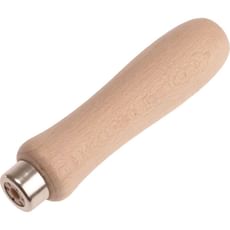
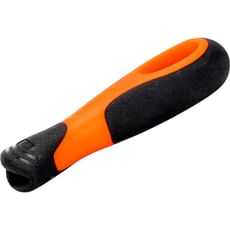
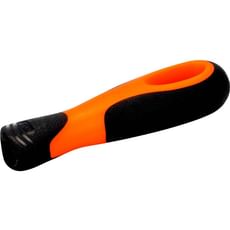
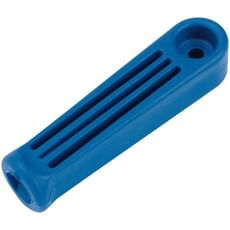
 Loading...
End of content
Error - No more pages to load
About File Handles
File handles are indispensable workshop accessories that transform loose file blades into safe, controllable working tools. Without a properly fitted handle, a file's sharp tang poses a serious injury risk, whilst also making precision work nearly impossible. Whether you're deburring sharp metal edges, fine-tuning engineering components, or sharpening saw teeth, a quality file handle provides the grip, leverage, and control needed for accurate material removal. Available in traditional hardwood, modern ergonomic plastic, and specialist designs for precision work, file handles bridge the connection between tool and tradesperson, making extended filing sessions both safer and more productive.
The selection at Tooled-Up.com includes standard replacement handles for everyday workshop files, Swiss pattern needle file handles for intricate jewellery and watchmaking tasks, and professional adjustable holders that accommodate multiple file sizes. Leading brands such as Bahco, Draper, Faithfull, and Sealey offer handles engineered to fit securely onto file tangs of various sizes, eliminating the dangerous practice of using bare files. Many professional tradespeople maintain several dedicated handles in their toolkit, allowing quick changes between different file types without the need to constantly swap handles or compromise on safety.
Beyond basic handles, this category encompasses essential file maintenance accessories including file cleaning brushes and cards. These specialist tools remove metal particles and debris that clog file teeth, which is vital for maintaining cutting effectiveness and preventing workpiece damage. Whether you're a metal fabricator, precision engineer, or home DIY enthusiast, investing in proper file handles and maintenance accessories extends tool life whilst significantly improving work quality, comfort, and safety compliance.
Jargon Buster
- Tang: The pointed, tapered end of a file blade that inserts into the handle bore. The tang is deliberately narrower than the file body and wedges securely inside the handle when properly fitted.
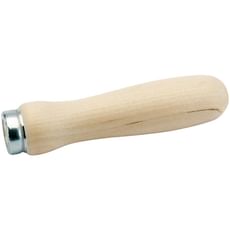
- Ferrule: A metal collar fitted at the front of many file handles that prevents the wood or plastic from splitting when the tang is driven home. Particularly important on hardwood handles subjected to heavy workshop use.
- Swiss Pattern: A classification system for precision files, typically smaller and finer than standard workshop files. Swiss pattern needle file handles are specifically designed for these delicate tools used in watchmaking, jewellery work, and precision engineering applications.
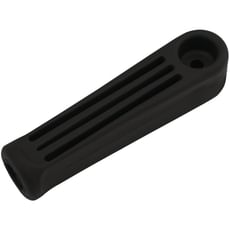
- Ergonomic Design: Handles shaped and contoured to reduce hand fatigue and improve grip comfort during extended filing sessions. Often feature soft-grip materials, two-component construction, or scientifically developed shapes like the Bahco ERGO range.
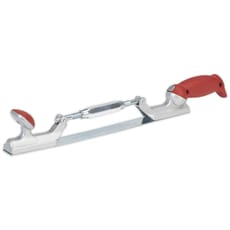
- Adjustable Holder: A versatile handle design featuring a clamping mechanism that securely accommodates different file sizes and tang dimensions, offering flexibility for professionals who regularly work with various file types.
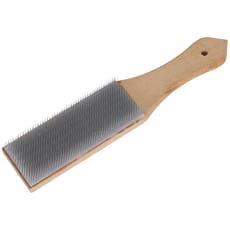
- File Card/Brush: A specialised cleaning tool with short, stiff wire or synthetic bristles designed to remove swarf, metal particles, and debris from between file teeth, maintaining optimal cutting performance.
Who Uses File Handles?
- Metal Fabricators and Welders: For deburring sharp edges, smoothing weld seams, and precision fitting of metal components on site and in fabrication shops
- Engineers and Fitters: Essential for accurate metalwork, fitting parts to tight tolerances, and maintaining machinery in industrial environments
- Carpenters and Joiners: Used for sharpening saw teeth, fine-tuning timber joints, and smoothing wooden surfaces during furniture making
- Automotive Mechanics: For removing burrs from drilled holes, adjusting metal brackets, and general workshop maintenance tasks
- Tool and Die Makers: Requiring precision handles for intricate metalwork, mould making, and creating tooling components
- Jewellers and Watchmakers: Using specialist needle file handles for detailed, delicate work on precious metals and small components
- Maintenance Engineers: Across manufacturing, facilities management, and industrial sectors requiring regular tool maintenance and repair work
- Agricultural Engineers: Sharpening chainsaw chains, mower blades, and maintaining farming equipment in workshop environments
- DIY Enthusiasts: Home workshop users needing safe, comfortable file handling for various projects from metalwork to tool sharpening
How to Choose the Right File Handles
File Size Compatibility: Ensure the handle bore diameter matches your file tang dimensions. Standard handles typically suit general workshop files (200-300mm length), whilst needle file handles are specifically designed for smaller Swiss pattern precision files. Adjustable holders like the Sealey RE5001 offer excellent versatility if you regularly work with various file sizes.
Material Construction: Hardwood handles crafted from beech or ash offer traditional durability, natural shock absorption, and a comfortable organic feel favoured by woodworkers and traditionalists. Plastic handles often feature more advanced ergonomic shaping and resist workshop chemicals, oils, and solvents better. Consider your working environment—metal fabrication shops may prefer plastic for chemical resistance and durability, whilst cabinet makers often favour traditional hardwood aesthetics.
Grip Comfort and Ergonomics: For extended filing sessions, scientifically designed ergonomic handles like those in the Bahco ERGO range significantly reduce hand fatigue and muscle strain. Look for contoured shapes that fit naturally in the palm, textured surfaces for secure grip even when wearing work gloves, and two-component construction combining hard cores with softer elastomer outer layers for comfort.
Ferrule Presence: Handles featuring metal ferrules prevent wood or plastic splitting when driving the tang home, considerably extending handle life. This feature is particularly important for hardwood handles used with larger, heavier files subjected to regular workshop use.
Professional vs DIY Requirements: Professional tradespeople working daily with files should invest in premium ergonomic handles from brands like Bahco and Sealey that withstand continuous use and reduce injury risk. Occasional DIY users may find standard hardwood options from Draper or Faithfull perfectly adequate for intermittent home workshop tasks.
Specialist Applications: Watchmakers, jewellers, and precision engineers require Swiss pattern needle file handles designed specifically for fine detailed work. These feature smaller bores and shorter lengths for better control during delicate operations. Workshop environments handling multiple file types benefit from professional adjustable holders that eliminate the need for multiple dedicated handles.
Popular Accessories
- File Cleaning Brushes and Cards: Essential maintenance tools for removing swarf and metal particles from file teeth to maintain cutting effectiveness
- Replacement File Blades: Various profiles including flat, round, half-round, triangular, square, and specialist shapes to suit different applications
- File Sets: Complete assortments of different file types and profiles ready to fit your existing handles
- Bench Vices: Secure workholding whilst filing for improved accuracy, control, and safety
- Work Gloves: Protection against metal splinters and sharp edges whilst maintaining grip and dexterity
- Tool Storage Solutions: Wall-mounted racks, drawer organisers, or portable tool boxes from brands like Stanley and DeWalt to protect files and handles from damage
- Deburring Tools: Complementary rotary and handheld deburring tools for quick edge finishing alongside traditional filing work
- Sharpening Guides and Jigs: For those using files to sharpen saws, chisels, plane blades, or other cutting tools to precise angles
- Safety Glasses and Face Protection: Essential PPE when filing metal to protect against flying particles and swarf
- Marking and Measuring Tools: Engineers' squares, scribers, and callipers for accurate work alongside filing operations
Safety Information
Never Use Unhandled Files: Operating a file without a properly fitted handle is extremely dangerous and contravenes HSE guidelines for safe working practices. The sharp tang can cause serious puncture wounds to the hand, wrist, or forearm if the file slips, binds in the workpiece, or catches during use. This practice is prohibited on many professional construction sites and in engineering workshops for good reason.
Secure Handle Fitting: Always ensure handles are firmly attached before commencing work. Tap the file tang home securely by holding the handle and striking the rear of the file (not the handle itself) on a solid surface. Check for any looseness by attempting to twist the handle—it should be completely secure. A handle that detaches during use can cause immediate loss of control and potential injury to hands or face.
Replace Damaged Handles Immediately: Split, cracked, loose, or significantly worn handles compromise both safety and control. The modest cost of a replacement handle from Tooled-Up is insignificant compared to potential injury treatment, lost work time, or HSE investigation costs. Inspect handles regularly, particularly after dropping tools or subjecting them to heavy use.
Appropriate Personal Protective Equipment: Always wear safety glasses or face protection when filing, as metal particles and swarf can fly towards the face at eye level. Consider wearing appropriate work gloves for hand protection, particularly when working with coarse files or handling sharp-edged workpieces, though some precision tasks require bare hands for better feel.
Proper Storage and Organisation: Store files with handles attached in dedicated racks, wall-mounted holders, or organised drawer systems to prevent damage to both file teeth and handles. Never leave handled files loose in toolboxes where they can cause injury when reaching in, damage other tools, or suffer handle damage themselves. Proper storage also prevents file teeth from contacting each other, which dulls cutting edges.
Frequently Asked Questions
How do I fit a file handle correctly and safely?
Hold the handle firmly in one hand and align the file tang carefully with the handle bore opening. Push the tang in as far as possible by hand pressure alone, then tap the rear end of the file blade (not the handle) smartly on a solid workbench or concrete floor to drive the tang fully home. The tang should seat securely without the handle splitting. Handles with metal ferrules are significantly less prone to splitting during fitting. Never hammer directly on the handle itself as this can cause splitting or damage.
Can I use one handle for multiple different files?
Whilst technically possible, frequently removing and refitting files gradually enlarges the handle bore and can damage both the tang and handle, reducing safety and grip security over time. Professional tradespeople typically dedicate individual handles to specific files they use regularly, or invest in adjustable holders specifically designed for safe file swapping. For occasional DIY use, careful swapping between similar-sized files of the same tang dimensions is acceptable, but monitor for looseness.
What's the practical difference between hardwood and plastic file handles?
Hardwood handles crafted from beech or ash offer traditional aesthetics, excellent natural durability, good shock absorption, and a comfortable organic feel that many woodworkers and traditionalists prefer. Plastic handles often feature more sophisticated ergonomic shaping based on hand studies, resist workshop chemicals, oils, and solvents considerably better, and won't crack, split, or swell with moisture exposure. Modern ergonomic plastic handles like the Bahco ERGO range can significantly reduce hand fatigue and muscle strain during extended professional use through scientifically developed grip designs.
How often should I clean my files with a file card?
Clean files regularly during use with a file card or specialist brush, particularly when working with soft metals like aluminium, copper, or lead which clog teeth very quickly. For general workshop use, brush out accumulated swarf every few minutes of continuous filing. After each work session, thoroughly clean files before storage to prevent corrosion and maintain optimal cutting performance. Well-maintained files cleaned after each project last considerably longer and produce better surface finishes. Clogged files not only work inefficiently but can scratch and damage workpieces, creating more work.
Are needle file handles different from standard workshop file handles?
Yes, needle file handles are specifically designed for smaller Swiss pattern precision files used in jewellery making, watchmaking, and fine engineering work. They feature smaller bore diameters matched to needle file tangs, shorter overall lengths for better control during delicate operations, and often more refined grip surfaces. Using a standard workshop handle with needle files is unsafe due to tang size mismatch—the needle file tang is too small and won't secure properly. Similarly, attempting to force a standard file tang into a needle file handle will split the handle and create a dangerous situation.