
Fillers & Repairers

Pay in 3 interest-free payments on purchases from £20-£3000 with  . Learn more.
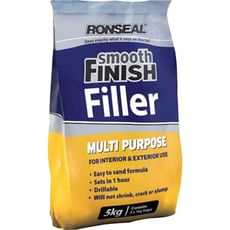
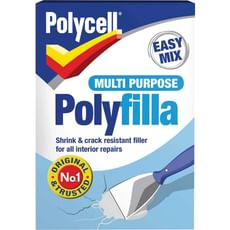
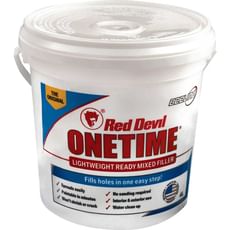
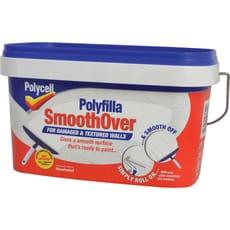
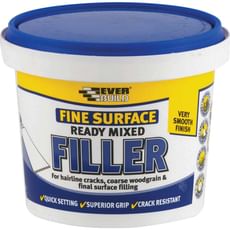
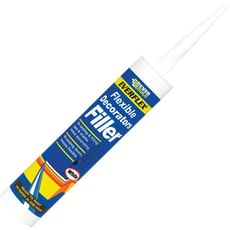
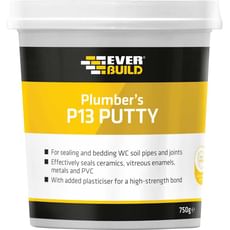
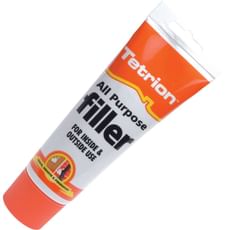
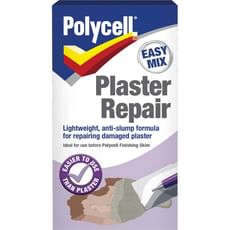
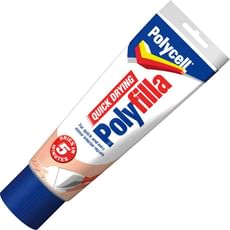
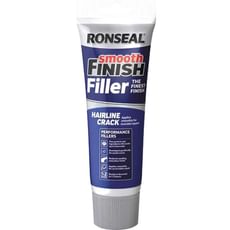
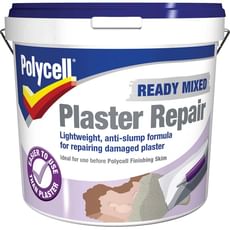
Loading...
End of content
Error - No more pages to load
About Fillers & Repairers
Fillers and repairers are essential materials for any professional tradesperson or DIY enthusiast working with wood, metal, masonry, or composite materials. These versatile products allow you to restore damaged surfaces, fill holes and cracks, smooth imperfections, and prepare surfaces for painting, staining, or finishing. Whether you're repairing structural timber on a construction site, filling nail holes in decorative joinery, patching metal surfaces, or making good after cable runs and pipe installations, having the right filler or repairer in your toolkit ensures a professional finish every time.
The range of fillers and repairers available at Tooled-Up.com includes specialist formulations for different materials and applications. Wood fillers come in various colours to match different timber species, whilst metal repairers often incorporate steel or aluminium particles for maximum strength and durability on ferrous and non-ferrous metals. Modern formulations offer quick-drying properties, excellent adhesion, and can be sanded, drilled, painted, or even tapped for threads once fully cured. Many products are suitable for both interior and exterior use, providing flexibility across different projects and environmental conditions.
The fillers and repairers category encompasses everything from basic ready-mixed wood fillers for simple cosmetic repairs to advanced two-part epoxy systems for structural metal repairs. Tooled-Up stocks trusted brands including Ronseal, Everbuild, Toupret, and Loctite that professional tradespeople rely on daily, ensuring access to quality materials that deliver long-lasting results. Whether working on restoration projects, general maintenance, new installations, or emergency repairs, you'll find the right product to achieve a durable, professional finish.
Jargon Buster
- Two-Part Filler – A filler system consisting of a base resin and separate hardener that must be mixed together before application. These typically offer superior strength and durability compared to ready-mixed alternatives, making them ideal for structural repairs and load-bearing applications.
- Grain Filler – A specialised wood filler designed to fill the natural pores in open-grain timber species like oak, ash, or mahogany, creating a perfectly smooth surface for finishing. Essential for achieving a high-quality painted or varnished finish on porous woods.
- Flexible Filler – A filler that remains slightly flexible after curing, allowing it to accommodate minor movement without cracking. Particularly useful for filling joints, gaps around door frames, and areas subject to vibration or thermal expansion.
- Plastic Wood – A traditional term for wood filler with a putty-like consistency that can be moulded and shaped before it sets. Often solvent-based, these fillers are favoured for exterior joinery work due to their weather resistance.
- Stopping – Fine-textured filler used primarily by decorators and painters to fill minor surface imperfections, nail holes, and small cracks before painting. Usually quick-drying and easy to sand smooth for a flawless painted finish.
- Epoxy Repairer – A high-strength two-part adhesive filler commonly used for metal and structural repairs. Once cured, epoxy repairers can be machined, drilled, tapped for threads, and painted, making them extremely versatile for engineering and fabrication applications.
Who Uses Fillers & Repairers?
Fillers and repairers are indispensable across numerous trades and applications:
- Carpenters and Joiners – filling nail holes, knots, gaps in timber work, and repairing damaged joinery before finishing
- Decorators and Painters – preparing walls, ceilings, and woodwork by filling cracks, holes, and imperfections for a smooth painted finish
- General Builders – repairing damaged woodwork, metalwork, masonry, and other materials during renovation and maintenance projects
- Shopfitters – achieving flawless finishes on display units, fixtures, fittings, and retail environments
- Furniture Makers and Restorers – repairing defects in timber, filling joints, and restoring antique pieces
- Maintenance Engineers – repairing equipment housings, metal components, machinery, and structural elements
- Plumbers – making good after pipe installations and repairing damaged surfaces around fittings and radiators
- Electricians – filling holes after cable runs, back boxes, and restoring surfaces following installation work
- DIY Enthusiasts – tackling home improvement projects, furniture repairs, and general property maintenance
- Automotive and Marine Trades – repairing bodywork, filling dents, and restoring metal and fibreglass surfaces
How to Choose the Right Fillers & Repairers
Material Type: The most important consideration is what you're repairing. Wood fillers are specifically formulated for timber and won't adhere properly to metal, whilst metal repairers contain metallic particles for compatibility and strength on ferrous and non-ferrous metals. Masonry fillers are designed for brick, concrete, and render. Always match the filler to the substrate material for optimal adhesion and durability.
Interior or Exterior Use: Exterior fillers must withstand moisture, temperature fluctuations, freeze-thaw cycles, and UV exposure. Look for products specifically rated for external use if working on outdoor projects. Interior fillers often have lower odour, faster drying times, and easier sanding properties but may not survive exposed conditions.
Size and Depth of Repair: Small surface imperfections can be addressed with standard ready-mixed fillers, but larger holes or structural repairs require stronger two-part systems. Very deep holes exceeding 10mm may need filling in stages or with a bulk filler before finishing with a fine surface filler for optimal results.
Drying Time: Consider your project timeline. Quick-drying fillers allow you to sand and finish within 20-30 minutes, ideal for fast-turnaround jobs. However, some specialist repairs benefit from slower-curing products that allow more working time and develop greater ultimate strength.
Finishing Requirements: If you're painting over the repair, ensure the filler is paintable and provides good key for topcoats. For stained or varnished finishes on wood, choose a filler that matches the timber colour or can accept stain. Some fillers accept wood stains better than others, whilst pre-coloured fillers eliminate the need for staining altogether.
Strength Requirements: Structural repairs demand high-strength products, particularly two-part epoxy systems that can bear loads and withstand stress. Cosmetic repairs need only sufficient strength to remain intact during sanding and finishing without shrinkage or cracking.
Popular Accessories
To get the best results from fillers and repairers, browse the selection at Tooled-Up.com for these complementary products:
- Filling Knives and Scrapers – flexible steel blades in various widths (25mm to 150mm) for applying and smoothing filler
- Abrasive Papers and Sanding Blocks – essential for achieving a smooth, flush finish once filler has cured, from 80 to 240 grit
- Mixing Boards and Spatulas – for preparing two-part fillers to the correct consistency and ratio
- Wire Brushes – for cleaning and preparing metal surfaces before applying metal repairers
- Wood Chisels – useful for cutting back damaged wood and creating a clean, keyed repair area
- Primer and Undercoat – for sealing filled areas before final decoration
- White Spirit or Acetone – for cleaning tools and removing excess uncured filler
- Disposable Gloves – particularly important when working with two-part epoxy systems
- Masking Tape – for protecting surrounding areas during repair work
- Dust Masks – to protect against dust when sanding cured filler, meeting FFP2 or FFP3 standards
Safety Information
Ventilation: Many fillers contain solvents that produce strong fumes. Always work in well-ventilated areas, particularly when using solvent-based wood fillers or two-part epoxy systems. Open windows and doors, and consider using extraction fans for prolonged work in confined spaces to prevent headaches and dizziness.
Skin Protection: Two-part epoxy repairers and some specialist fillers can cause skin sensitisation and dermatitis with repeated exposure. Wear disposable gloves when mixing and applying these products, and wash hands thoroughly after use. Consult the product's COSHH data sheet for specific hazard information and first aid measures.
Respiratory Protection: When sanding cured filler, always wear an appropriate dust mask meeting HSE standards to prevent inhalation of fine particles. This is particularly important with hardened epoxy and polyester fillers, which produce very fine respirable dust that can cause respiratory irritation.
Fire Safety: Solvent-based fillers are flammable and may carry hazard warnings. Keep away from naked flames, sparks, heat sources, and electrical equipment. Store in a cool, dry place away from ignition sources, and dispose of contaminated rags safely as they may be subject to spontaneous combustion.
Storage: Keep all fillers tightly sealed when not in use to prevent them drying out or curing prematurely. Store according to manufacturer's instructions, typically in a cool, frost-free environment between 5°C and 25°C. Keep out of reach of children and pets.
Frequently Asked Questions
Can I use wood filler on exterior joinery?
Yes, but you must use a filler specifically rated for exterior use. Exterior wood fillers are formulated to withstand moisture penetration, freeze-thaw cycles, temperature changes, and UV exposure without cracking or falling out. Interior fillers will fail when exposed to the elements. Look for products labelled as suitable for external use and ensure the timber is properly primed and painted after repair for maximum durability.
What's the difference between wood filler and wood putty?
Wood filler is typically water-based, dries hard, and can be sanded smooth, making it ideal for repairs that will be painted. Wood putty (or plastic wood) is usually solvent-based, remains slightly flexible, and is better suited for use with stained or varnished timber as it can be colour-matched. Putty is generally applied after finishing, whilst filler is applied before painting or varnishing.
How deep can I fill in one application?
Most standard fillers should be applied in layers no thicker than 5-10mm to prevent cracking and ensure proper curing. Deeper holes should be filled in multiple stages, allowing each layer to cure fully before applying the next. For very deep repairs exceeding 20mm, consider using expanding foam or a bulk filler first, then finish with a surface filler. Two-part epoxy fillers can generally be applied in thicker sections up to 25mm.
Why does my filler keep cracking?
Cracking usually occurs when filler is applied too thickly in one application, when it's used in areas subject to movement or vibration, or when it's incompatible with the substrate. For flexible joints around door frames or skirting boards, use a flexible acrylic filler. For structural repairs requiring rigidity, use a two-part epoxy system. Ensure the surface is clean, dry, dust-free, and properly prepared before filling.
Can I stain over wood filler?
Standard wood fillers don't absorb stain in the same way as natural timber, which can result in noticeable light or dark patches. For best results with stained finishes, use a pre-coloured filler that matches your timber species, or apply stain first and then use a tinted putty to match the finished colour. Alternatively, specialist stainable fillers are available from brands like Ronseal that accept wood stains more uniformly, though results may still vary from the surrounding timber.