
Fillers

Pay in 3 interest-free payments on purchases from £20-£3000 with  . Learn more.
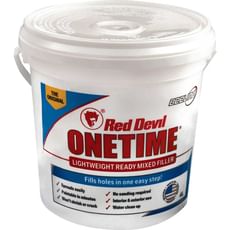
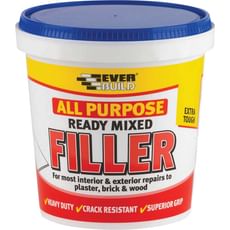
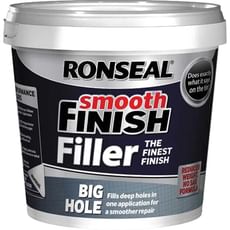
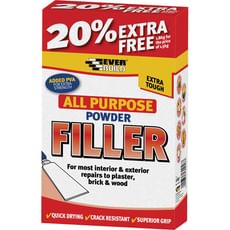
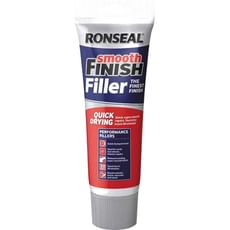
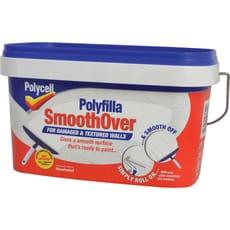
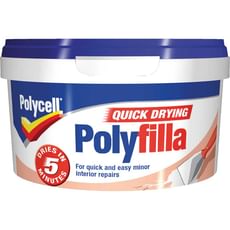
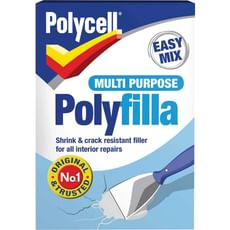
Loading...
End of content
Error - No more pages to load
About Fillers
Fillers are indispensable products for any surface preparation or repair work, designed to fill cracks, holes, gaps and imperfections in walls, ceilings, woodwork and masonry before painting or finishing. Whether you're a professional decorator preparing multiple properties for tenants, a builder making good after first-fix installations, or a DIY enthusiast tackling weekend home improvements, the right filler ensures a smooth, professional finish that's ready to decorate. From quick-drying formulas for small nail holes to deep-gap fillers for substantial voids, modern filler technology offers solutions for virtually every surface preparation challenge.
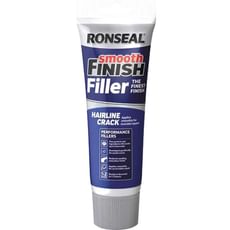
The selection at Tooled-Up.com includes powder fillers that you mix to your preferred consistency, convenient ready-mixed tubs for immediate use, flexible fillers that accommodate movement in joints, and specialist products like fine surface fillers for achieving ultra-smooth finishes. Leading brands such as Polycell, Everbuild, Ronseal and Tetrion each offer distinct formulations designed for specific applications—from general-purpose interior repairs to exterior-grade products that withstand British weather conditions. Understanding which type of filler suits your project ensures durability, ease of application and a flawless final appearance.
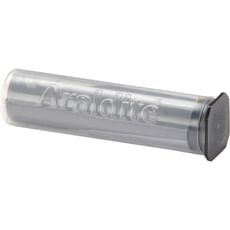
Modern filler technology has advanced considerably beyond traditional plaster-based compounds. Innovations like one-strike fillers require minimal sanding, instant fillers in convenient tubes allow rapid repairs, and specialised coving adhesives both fix and fill in a single application. Multi-purpose repair putties such as Araldite's epoxy-based formulations can even tackle metal, plastic and ceramic repairs where traditional fillers wouldn't bond. Whether you're filling hairline cracks before wallpapering, repairing damage from removed fixtures, or filling gaps around skirting boards and architraves, having the appropriate filler to hand saves time and delivers superior results that stand the test of time.
Jargon Buster
- Ready-Mixed Filler
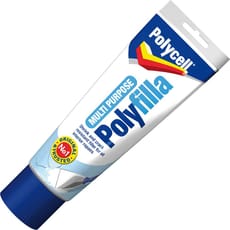
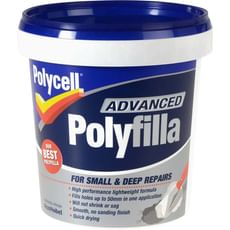
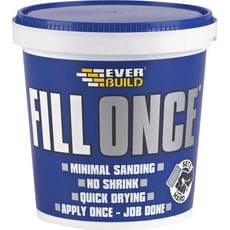
- Pre-mixed filler in tubs that's ready to use straight from the container without requiring water or mixing. Ideal for convenience and consistent results on smaller jobs, though typically more expensive per application than powder variants. Popular products include Everbuild Ready Mix Fill Once and Polycell Advanced Polyfilla.
- Powder Filler
- Dry filler compound that requires mixing with water to create a workable paste. Economical for larger jobs and offers extended shelf life when stored correctly in dry conditions. Allows you to adjust consistency for different applications—stiffer for filling deep holes, thinner for surface skimming.
- Flexible Filler
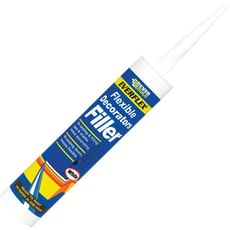
- Specialist filler containing elastomeric compounds that remain slightly flexible when cured, preventing cracking in areas subject to movement such as joints between different materials or around door frames. Essential for repairs where rigid filler would crack due to thermal expansion or structural movement.
- Deep-Gap Filler
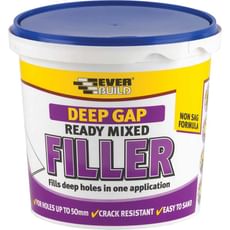
- High-build filler formulated to fill deeper holes and larger voids without slumping or excessive shrinkage. Can typically be applied in layers up to 50mm deep without cracking as it dries, making it ideal for substantial repairs after removing pipework or electrical fixtures.
- Fine Surface Filler
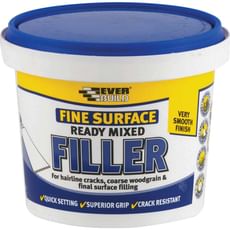
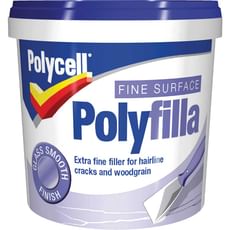
- Smooth, fine-textured filler designed for achieving perfect finishes on walls and ceilings before painting. Sands easily to an ultra-smooth surface and is ideal for filling hairline cracks and minor imperfections. Professional decorators use this for high-quality finish work where texture must be invisible.
- One-Strike Filler
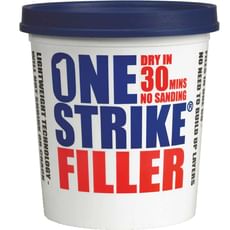
- Advanced formulation that dries quickly and requires minimal or no sanding, allowing decorators to fill, smooth and paint in significantly reduced time compared to traditional fillers. Particularly valuable for time-sensitive projects or when working to tight deadlines on commercial contracts.
Who Uses Fillers?
- Painters and decorators preparing surfaces for painting, wallpapering and finishing work
- Plasterers making good after plastering work and filling minor defects in rendered surfaces
- Builders and general contractors conducting repairs and making good on construction projects
- Carpenters and joiners filling nail holes, gaps and joints in woodwork and trim installations
- Property maintenance professionals undertaking repairs across housing stock and commercial buildings
- Electricians and plumbers making good walls and ceilings after installation work
- Shop fitters and dry lining specialists finishing plasterboard installations in retail and commercial environments
- DIY enthusiasts and homeowners conducting household repairs and decorating projects
- Property landlords and letting agents maintaining rental properties between tenancies
- Maintenance teams in schools, hospitals and public buildings managing ongoing repair schedules
How to Choose the Right Fillers
Application Location: Consider whether you need interior or exterior filler. Exterior-grade products contain weather-resistant compounds that prevent water ingress and cracking through temperature changes and British weather conditions. Interior fillers prioritise smooth finishing and ease of sanding rather than weather resistance.
Hole Size and Depth: Match the filler to the repair size. Fine surface fillers work best for hairline cracks and small imperfections up to 3mm, general-purpose fillers handle holes up to about 20mm deep, whilst deep-gap fillers accommodate substantial voids up to 50mm without excessive shrinkage. For very deep holes, apply filler in multiple layers, allowing each to dry before adding the next.
Drying Time Requirements: Quick-drying and instant fillers allow same-day decoration, essential for time-sensitive projects or professional decorators working to tight schedules on commercial contracts. Standard fillers may require 2-4 hours drying time, whilst deep-gap products might need overnight curing. Products like Everbuild One Strike Filler significantly reduce waiting times between filling and decorating.
Flexibility Requirements: Areas subject to movement—such as joints between timber and masonry, around door frames, or along coving—require flexible fillers that won't crack. Rigid fillers suit stable surfaces like solid walls and ceilings where movement is minimal. Using rigid filler in movement joints will result in cracking within weeks.
Format Preference: Ready-mixed fillers offer convenience and consistency, ideal for smaller jobs and occasional use. Powder fillers provide economy for larger projects and professional use, with the advantage of adjustable consistency and extended shelf life when stored correctly. Professional decorators often keep both types for different applications.
Surface Material: Different substrates require compatible fillers. Wood fillers may contain different binders and shrink less than those designed for plaster or masonry. Some all-purpose fillers work across multiple substrates, offering versatility for varied repair work. Specialist products like Araldite Repair Putty tackle materials like metal, plastic and ceramic where traditional fillers won't bond effectively.
Brand Reputation: Established brands like Polycell, Everbuild, Ronseal and Tetrion offer proven formulations with consistent quality. Professional-grade products from specialist manufacturers often provide superior adhesion, reduced shrinkage and easier finishing characteristics. Tooled-Up stocks trusted brands that professional tradespeople rely on for quality results.
Popular Accessories
- Filling knives and scrapers in various widths (50mm to 300mm) for applying filler smoothly and achieving different finish levels
- Sanding blocks and abrasive paper in various grits for finishing filled areas to a smooth, paint-ready surface
- Mixing buckets and paddles for preparing powder fillers to consistent texture without lumps
- Decorator's caulk for flexible gap-filling around frames, skirting boards and architraves
- Mastic guns and applicators for dispensing tube and cartridge fillers with precision
- Paint brushes and rollers for decorating over filled surfaces once preparation is complete
- Primer and undercoat to seal filled areas before top coating, preventing patchy finish
- Dust sheets and masking tape to protect surrounding areas during filling and sanding work
- Cleaning cloths and water containers for tool cleaning and surface preparation
- Stanley filling knives and application tools for professional-quality surface preparation
Safety Information
Most modern fillers are relatively low-hazard products, but proper handling practices ensure safe use. Always work in well-ventilated areas when applying filler, particularly with larger applications or in confined spaces. Some fillers may cause minor skin or eye irritation, so consider wearing protective gloves and safety glasses when undertaking extensive filling work, especially with specialist formulations like epoxy-based repair putties.
When sanding dried filler, particularly in enclosed spaces, dust masks or respirators prevent inhalation of fine particulates. This is especially important when removing substantial quantities of material or working overhead on ceilings. Follow COSHH guidelines when using fillers in professional settings, and consult product safety data sheets for specific handling requirements. The HSE provides guidance on construction dust control that applies to sanding operations.
Store powder fillers in dry conditions to prevent premature setting, and keep ready-mixed products sealed when not in use to maintain workability. Keep all filling products away from children and pets. Dispose of excess filler responsibly—never pour liquid filler down drains as it can cause blockages. Clean tools promptly with water before filler sets hard, as dried filler is difficult to remove and may damage tools.
Frequently Asked Questions
How long should I wait before painting over filler?
Drying times vary by product type and depth of fill. Quick-drying fillers may be ready to paint within 30-60 minutes, whilst standard fillers typically require 2-4 hours. Deep fills may need 24 hours or longer to cure completely. Always ensure filler is completely dry (changes from pink to white or dark to light depending on product) and lightly sand before painting for best results. In cold or damp conditions, allow extra drying time as moisture evaporation slows down significantly.
Why does my filler keep cracking after it dries?
Cracking typically occurs when filler is applied too thickly in a single application, particularly in deep holes. Build up deep repairs in layers no more than 10-20mm thick, allowing each to dry before applying the next. Cracking may also indicate you need flexible filler for areas subject to movement, or that the substrate wasn't properly prepared—loose material, dust or grease can prevent proper adhesion. Using deep-gap filler formulations helps prevent shrinkage cracking in substantial repairs.
Can I use interior filler for outside repairs?
Interior fillers aren't formulated to withstand weathering and will deteriorate rapidly when exposed to rain, frost and UV light. Always use exterior-grade filler for outside applications—these contain weather-resistant additives and flexible compounds that accommodate temperature-related expansion and contraction without cracking. British weather conditions are particularly harsh on unsuitable materials, so using the correct product is essential for lasting repairs.
What's the difference between filler and decorator's caulk?
Filler is designed to fill holes and cracks in solid surfaces and sets rigid when dry, ideal for repairs that can be sanded smooth and painted over. Decorator's caulk remains flexible when cured, making it perfect for sealing gaps between different materials (like skirting boards and walls) where some movement occurs. Caulk typically isn't sandable and is applied with a mastic gun in a continuous bead, then smoothed with a wet finger or tool.
How do I achieve a perfectly smooth finish with filler?
Use fine surface filler for best results, applying with a wide filling knife in smooth, even strokes. Slightly overfill the defect, then draw the knife across to level it flush with the surrounding surface in one confident movement. Once completely dry, sand with fine-grit abrasive paper (180-240 grit) using light, circular motions. Wipe away dust with a damp cloth and prime before painting for a flawless finish. Professional decorators often apply a thin skim coat of fine surface filler over entire walls for show-home quality results.