

Filling Knives & Fillers

Pay in 3 interest-free payments on purchases from £20-£3000 with  . Learn more.
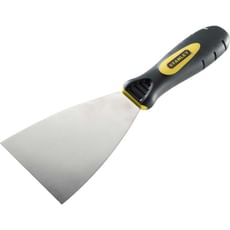
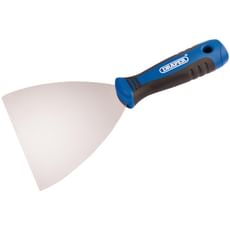
 Loading...
End of content
Error - No more pages to load
About Filling Knives & Fillers
Filling knives and fillers are fundamental tools for achieving professional-quality surface finishes across plastering, decorating, and general building work. Whether repairing damaged walls, preparing surfaces for painting, or creating smooth plaster finishes, the right combination of filling knife and filler material ensures seamless, long-lasting results. These essential tools range from narrow, flexible putty knives for applying filler to cracks and damaged areas, through to wider taping knives used for smoothing and feathering compound across larger surfaces.
The category encompasses both application tools – filling knives, spatulas, and scrapers in various widths and flexibility levels – and the filling materials themselves. Fillers available include ready-mixed compounds, powder fillers requiring mixing, flexible fillers designed for movement joints, and specialist products formulated for exterior use or rapid repairs. Professional tradespeople understand that matching the correct knife width and blade flexibility to the specific filler type and application is crucial for achieving flawless finishes that stand the test of time.
Quality filling knives feature well-balanced handles for comfortable extended use during site work, with blades constructed from flexible yet durable stainless steel or carbon steel. Modern filler products have evolved significantly, with innovations including quick-drying formulations that save valuable time on site, low-shrinkage compounds that reduce the need for multiple coats, and specialist fillers designed for specific substrates such as timber, plasterboard, or masonry. Tooled-Up.com stocks filling knives from trusted brands including Stanley, alongside comprehensive filler selections to suit every application.
Jargon Buster
- Taping Knife: A wide-bladed filling knife, typically 150-300mm wide, designed for spreading and smoothing joint compound or filler across large areas. The extra width allows for efficient coverage and helps create perfectly level surfaces.
- Feathering: The technique of gradually thinning the edges of applied filler to blend seamlessly with the surrounding surface, eliminating visible ridges or steps. This requires a flexible blade and proper technique to achieve professional results.
- Grab Adhesive: A thick, high-viscosity filler that "grabs" quickly, allowing for immediate adhesion without sagging. Ideal for filling larger voids or securing materials whilst the product cures.
- Ready-Mixed Filler: Pre-prepared filler compound supplied in tubs, ready for immediate application without mixing. Convenient for smaller jobs but may have longer drying times compared to powder fillers that require water addition.
- Flexible Blade: A filling knife blade with controlled flex that allows the tool to conform to surface contours whilst spreading filler. Different flexibility levels suit different applications and user preferences.
- One-Hour Filler: Rapid-setting filler compounds designed to be sandable and ready for decoration within approximately 60 minutes, essential for time-sensitive repair work on site or when multiple trades are working to tight schedules.
Who Uses Filling Knives & Fillers?
Filling knives and fillers are indispensable across numerous trades and applications:
- Plasterers – for finishing coats, repairing damaged plasterwork, and filling minor imperfections before decoration
- Painters and Decorators – for surface preparation, filling nail holes, cracks, and minor damage prior to painting
- Carpenters and Joiners – for filling nail holes, gaps in timber work, and concealing fixings in joinery
- General Builders – for repair work, making good after first fix trades, and general filling applications
- Maintenance Teams – for ongoing property maintenance and quick repairs in commercial and residential settings
- DIY Enthusiasts – for home improvement projects, decoration preparation, and general household repairs
- Shopfitters – for creating pristine finishes in retail environments where appearance is critical
- Property Maintenance Contractors – for renovation work, refurbishment projects, and making good tenant damage
How to Choose the Right Filling Knives & Fillers
Blade Width: Narrow filling knives (25-50mm) suit detailed work, crack filling, and tight spaces. Medium knives (75-100mm) are versatile for general filling tasks. Wide taping knives (150-300mm) excel at covering large areas and achieving flat, smooth finishes across broader surfaces.
Blade Flexibility: Stiff blades provide better control for working with thicker fillers and scraping tasks. Flexible blades are superior for feathering edges and working around contours. Many professionals maintain several knives with varying flexibility levels for different applications.
Handle Design: Ergonomic handles reduce fatigue during extended use. Soft-grip or rubberised handles improve comfort, whilst contoured designs suit different grip preferences. Consider balanced tools from brands like Stanley for reduced wrist strain during prolonged filling work.
Filler Type Selection: Interior fillers suit walls and ceilings in dry conditions. Flexible fillers accommodate slight movement in joints and are ideal for filling around door frames and skirting boards. Exterior-grade fillers withstand moisture and temperature fluctuations. Rapid-setting formulations save time when decoration schedules are tight.
Substrate Compatibility: Plaster-based fillers bond well to masonry and plasterboard. Wood fillers contain fibres and flexibility suited to timber. Multi-purpose fillers offer versatility across various substrates but may not match specialist products for specific applications.
Pack Size: Ready-mixed fillers in smaller tubs suit occasional repairs. Larger tubs or powder fillers prove more economical for tradespeople with regular filling requirements. Consider shelf life when selecting pack sizes to avoid waste.
Popular Accessories
Enhance your filling work with these complementary products available from Tooled-Up:
- Sanding Blocks and Abrasive Papers – essential for achieving smooth surfaces after filler has fully cured
- Dust Sheets – protect floors and furniture during filling and sanding operations
- Mixing Buckets and Paddles – for preparing powder fillers to the correct consistency
- Scrapers – for removing old paint, wallpaper, and loose material before filling
- Filling and Jointing Tapes – reinforce repairs over cracks to prevent re-appearance
- Spray Bottles – for dampening surfaces to improve filler adhesion on porous substrates
- Tool Cleaning Solutions – maintain knife condition by removing dried filler residue
- Caulking Guns – for applying flexible fillers and sealants supplied in tubes
- Inspection Lamps – reveal imperfections and ensure thorough surface preparation
- Storage Solutions – Stanley FatMax systems keep filling knives organised and protected on site
Frequently Asked Questions
What's the difference between interior and exterior filler?
Interior fillers are formulated for use in dry, protected environments and aren't designed to withstand moisture or frost. Exterior fillers contain weather-resistant additives that prevent cracking, shrinking, or deteriorating when exposed to rain, temperature fluctuations, and UV light. Always use exterior-grade products for outdoor repairs or areas exposed to moisture such as bathrooms and kitchens.
How long should I wait before sanding filler?
Drying times vary considerably depending on filler type, depth of application, temperature, and humidity. Rapid-setting fillers may be ready in 30-60 minutes for light sanding. Standard interior fillers typically require 2-4 hours for shallow fills. Deeper applications or lower temperatures may need overnight drying. The surface should feel completely dry and firm to light finger pressure before sanding. Attempting to sand too early will clog abrasive paper and damage the repair.
Why does my filler keep cracking after it dries?
Cracking usually occurs when filler is applied too thickly in a single coat, particularly in deeper holes or cracks. As the filler dries, shrinkage causes stress that results in cracking. Build up repairs in layers no more than 5-10mm thick, allowing each coat to dry fully before applying the next. For deeper voids, consider using a bonding compound or filling in stages. Cracks in moving joints require flexible filler products designed to accommodate slight movement.
Can I paint directly over filler once it's dry?
Most fillers can be painted once fully cured and lightly sanded, but porous fillers may show through paint as dull patches or "flashing." For best results, seal filled areas with a diluted coat of PVA solution or a proper stain-blocking primer before applying topcoats. This ensures uniform sheen and prevents the filled area from showing through your finished decoration. Always check the filler manufacturer's recommendations regarding decoration timeframes.
What width filling knife is most versatile for general use?
A 75-100mm filling knife represents the sweet spot for versatility, handling everything from filling small holes to spreading compound across moderate areas. Many tradespeople pair this with a narrower 25-40mm knife for detailed work and a wider 150mm taping knife for broad surfaces. If purchasing just one knife for DIY use, a quality 75mm knife with moderate flexibility from brands like Stanley provides excellent all-round capability for most household filling tasks.