

Filters

Pay in 3 interest-free payments on purchases from £20-£3000 with  . Learn more.
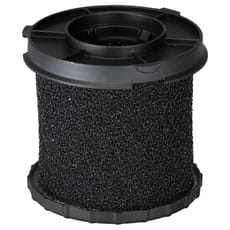
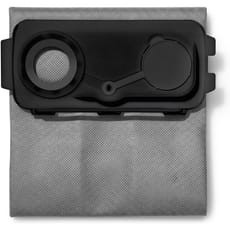
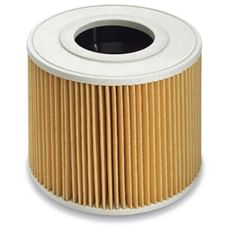
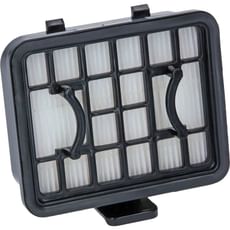
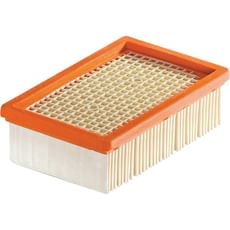
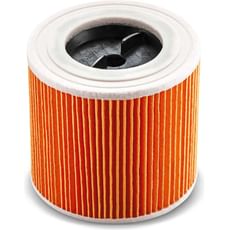
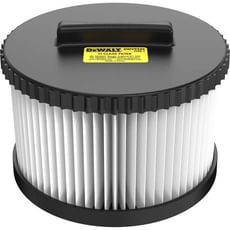
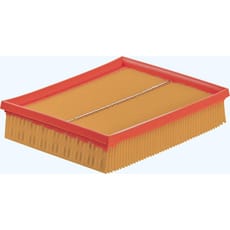
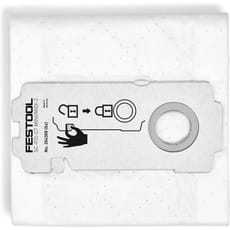
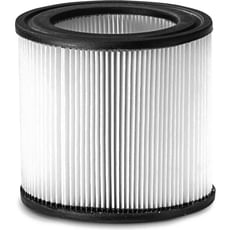
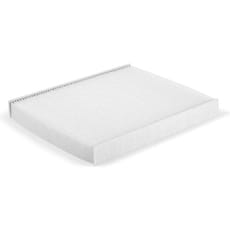

 Loading...
End of content
Error - No more pages to load
About Filters
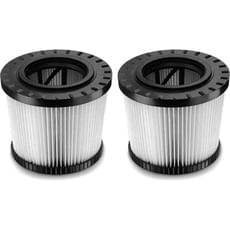
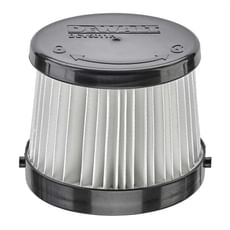
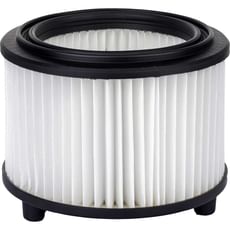
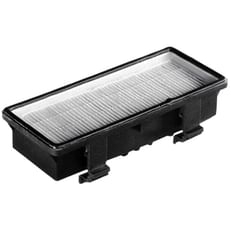
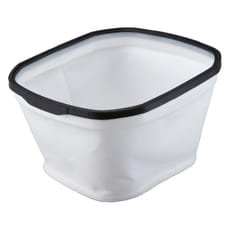
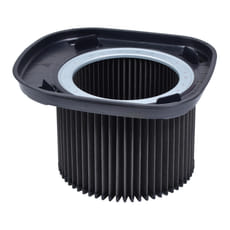
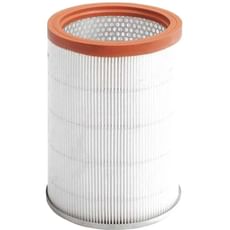
Maintaining peak performance from dust extractors and vacuum cleaners demands regular filter replacement, and the selection at Tooled-Up.com spans everything from basic cellulose filters to advanced PTFE-coated options designed for demanding professional applications. Whether you're operating a workshop extractor or mobile site equipment, the right filter ensures efficient capture of fine dust particles, protects motor components, and helps maintain compliance with HSE workplace exposure limits. The range includes filters from leading manufacturers such as Bosch, Festool, DeWalt, Draper, and Kärcher, covering models from compact 18V cordless vacuums through to large-capacity 55-litre workshop extractors.
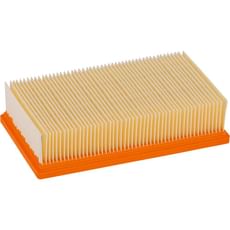
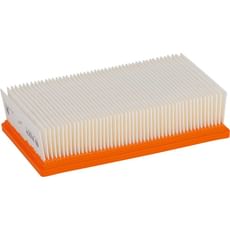
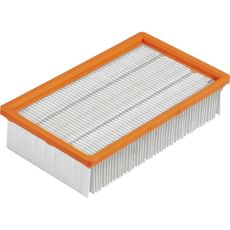
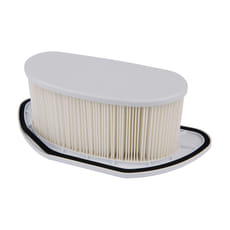
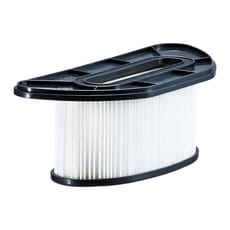
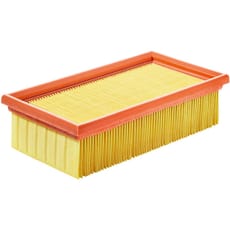
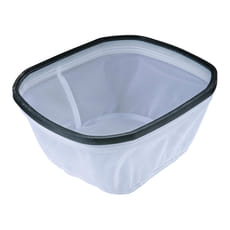
Different extraction tasks require specific filter types and materials to perform effectively. Cellulose flat pleated filters deliver reliable general-purpose filtration for wood dust and construction debris, whilst PES (polyester) filters provide superior performance with fine dusts and can be washed and reused multiple times, reducing long-term operating costs. For particularly challenging applications involving sticky residues, fine powders, or materials requiring maximum filtration efficiency, PTFE-coated filters offer exceptional performance and simplified cleaning. Understanding which filter specification matches your extractor model and the materials you're working with is essential for maintaining effective dust control and protecting both your health and your equipment investment.
Regular filter maintenance and timely replacement extends beyond equipment performance—it's a fundamental health and safety requirement for professional tradespeople. Clogged or damaged filters reduce suction power dramatically, allow harmful dust particles to escape back into the working environment, and can cause premature motor failure in extraction equipment. Whether you're a carpenter managing wood dust, a plasterer dealing with fine gypsum particles, or a general builder facing mixed construction debris, maintaining spare filters ensures continuous, effective dust control on every job without costly downtime.
Jargon Buster
- M-Class Filter
- Medium-class filtration that captures at least 99.9% of particles, suitable for wood dust, plaster, and general construction dust. Required for compliance with many HSE workplace exposure limits and mandatory for professional extraction of hardwood dust.
- PTFE Coating
- Polytetrafluoroethylene coating applied to filter material that prevents dust penetration into the filter surface, making cleaning significantly easier and improving performance with sticky or very fine dusts such as plaster and joint compound.
- PES Filter
- Polyester filter material offering excellent durability, washable and reusable multiple times, providing superior filtration efficiency and longer service life compared to cellulose alternatives.
- Flat Pleated Filter
- Filter design featuring accordion-style folds that dramatically increase the surface area available for filtration, improving airflow and extending filter life compared to flat filter designs.
- Pre-Filter
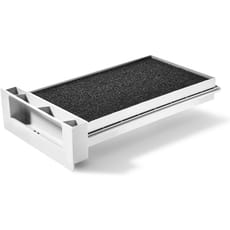
- Coarse filter installed before the main filter element to capture larger debris and extend primary filter life by preventing premature clogging with chips, shavings, and coarse particles.
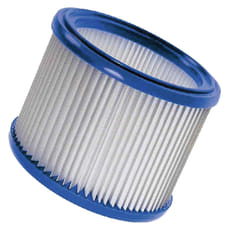
- Cartridge Filter
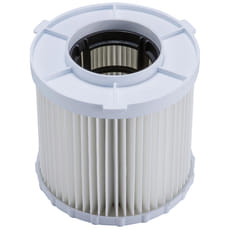
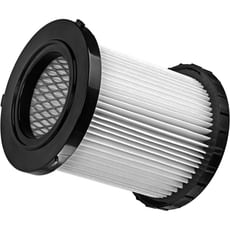
- Self-contained cylindrical or conical filter element typically offering tool-free replacement and higher filtration surface area in a compact design, common in modern dust extractor systems.
Who Uses Filters?
Replacement filters for dust extractors and vacuum cleaners are essential across numerous trades and applications:
- Carpenters and joiners managing wood dust from sanding, sawing, routing, and planing operations
- Plasterers and drylining specialists controlling fine plaster and joint compound dust
- Decorators dealing with sanding dust from preparation work and filler applications
- Floor fitters extracting dust from sanding and cutting operations on timber and laminate
- General builders managing mixed construction dust and debris across varied tasks
- Workshop owners and fabricators maintaining clean working environments and equipment compliance
- Stone masons and tilers controlling potentially hazardous silica dust from cutting operations
- Vehicle body shops extracting fine sanding dust from preparation and finishing work
- Maintenance teams and facilities managers ensuring extraction equipment remains compliant and effective
- Serious DIY enthusiasts maintaining home workshop equipment to professional standards
How to Choose the Right Filters
Model Compatibility: The most critical consideration is ensuring the filter is designed specifically for your dust extractor or vacuum cleaner model. Filters are rarely interchangeable between different models, even from the same manufacturer. Always verify your equipment's model number against the filter specifications—for example, Bosch filters differ significantly between the GAS 25, GAS 35, UNIVERSALVAC ranges, and cordless models like the GAS 18V-10.
Filter Type and Material: Consider the materials you'll be extracting regularly. Cellulose filters offer cost-effective general-purpose filtration but may clog quickly with fine or damp dust. PES filters provide better performance and can be washed and reused, making them more economical over time despite higher initial cost. PTFE-coated filters excel with sticky residues, fine powders, or when maximum filtration efficiency is required for health-critical applications such as MDF dust extraction.
Classification Level: Ensure the filter meets the required classification for your application. M-Class filters are mandatory for many trades under HSE guidance, particularly when working with wood dust above exposure limits. If you're extracting potentially hazardous materials covered by COSHH regulations, verify that your filter choice maintains appropriate compliance standards for your specific work activities.
Pre-Filters and Multi-Stage Systems: Many extractors benefit from using both pre-filters and main filters. Pre-filters capture larger debris—chips, shavings, and coarse dust—and significantly extend the life of your main filter, reducing overall running costs. Consider purchasing both types if your system supports this configuration, particularly for heavy-duty workshop use.
Stock Multiple Filters: Having spare filters readily available prevents costly downtime when filters become clogged mid-job. Professional tradespeople typically keep at least one spare filter for each extractor, whilst busy workshops may maintain larger stocks to ensure continuous operation during peak periods.
Popular Accessories
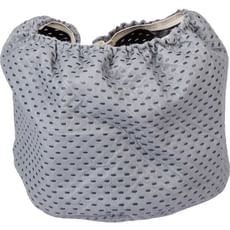
- Dust extractor bags – disposable collection bags that work alongside filters to simplify waste disposal
- Filter cleaning brushes – specialist brushes designed for maintaining reusable filters without damage
- Extractor hoses – replacement or additional hoses for connecting power tools to extraction systems
- Hose adaptors and connectors – ensuring proper fit between tools and extraction systems from different manufacturers
- Anti-static hoses – preventing static build-up when extracting fine dust that can cause dust adhesion
- Tool adaptors – connecting power tools directly to extraction systems for on-tool dust capture
- Filter clamps and securing mechanisms – replacement parts for secure filter installation
- Complete dust extractors – when upgrading or expanding your extraction capabilities
Safety Information
Proper filter maintenance is a critical health and safety consideration that directly impacts workplace air quality and compliance with HSE regulations. Always switch off and disconnect extraction equipment from the 240v mains power supply before changing filters. Wear appropriate PPE including FFP2 or FFP3 dust masks when handling used filters, as they contain concentrated dust that may include hazardous materials depending on your work activities.
Used filters should be disposed of carefully—seal them in plastic bags before disposal to prevent dust release into the atmosphere. If you've been extracting materials covered by COSHH regulations, such as silica dust or hardwood dust, follow appropriate disposal procedures for contaminated waste. Never attempt to clean filters not designated as washable or reusable, and never operate dust extraction equipment without proper filters installed, as this can result in motor damage and allows harmful dust to circulate in the working environment.
Replace filters according to manufacturer guidelines or sooner if you notice reduced suction, visible damage, or the filter cleaning indicator activates. Operating with clogged filters reduces extraction efficiency, increases motor strain and energy consumption, and may result in dust exposure levels exceeding HSE workplace exposure limits. Regular filter replacement is not an optional maintenance task—it's a fundamental health and safety requirement for anyone using dust extraction equipment professionally.
Frequently Asked Questions
How often should I replace my dust extractor filter?
Replacement frequency depends on usage intensity and the type of dust being extracted. Professional tradespeople using extractors daily should inspect filters weekly and expect to replace cellulose filters every 1-3 months. Washable PES or PTFE filters can last 6-12 months or longer with regular cleaning between jobs. Replace any filter immediately if you notice tears, holes, or significantly reduced suction performance regardless of age.
Can I wash and reuse my dust extractor filter?
Only if specifically designated as washable by the manufacturer. PES and some PTFE-coated filters can typically be washed with water and mild detergent, then thoroughly dried before reinstallation. Cellulose filters cannot be washed and will disintegrate if wet. Some filters can be cleaned with compressed air or soft brushes between replacements. Always check the manufacturer's maintenance instructions for your specific filter type to avoid damage and maintain warranty coverage.
What's the difference between M-Class and standard filters?
M-Class filters capture at least 99.9% of particles and are required for extracting dusts classified as hazardous under HSE guidance, including wood dust above certain concentrations. Standard filters may only capture 99% or less, allowing more fine particles to escape back into the working environment. For professional trade use, particularly with wood dust from hardwoods or MDF, M-Class filtration is typically mandatory to comply with workplace health and safety requirements and COSHH assessments.
Why does my extractor lose suction even with a new filter?
If suction is poor immediately after installing a new filter, check that it's seated correctly with all seals properly engaged around the filter rim. Verify you've fitted the correct filter for your specific model, as incorrect filters may appear to fit but leave gaps. Also check the collection bag or container isn't full, hoses aren't blocked or kinked, and the pre-filter (if fitted) is clean. Poor suction with a correctly installed new filter may indicate other issues such as motor problems requiring professional servicing.
Are cheaper compatible filters as good as original manufacturer filters?
Whilst some third-party filters offer acceptable performance at lower cost, original manufacturer filters guarantee proper fit, filtration efficiency, and compliance with the extractor's specifications. For professional use where health and safety compliance is critical, or for warranty considerations, original filters from brands like Bosch, Festool, and DeWalt available at Tooled-Up are the recommended choice. Budget alternatives may be suitable for light DIY use, but carefully verify specifications, M-Class certification, and user reviews before purchasing for professional applications.