
Fire Extinguishers & Safety

Pay in 3 interest-free payments on purchases from £20-£3000 with  . Learn more.
Loading...
End of content
Error - No more pages to load
About Fire Extinguishers & Safety
Fire safety equipment represents one of the most critical investments for any workplace, vehicle or domestic setting in the UK. From construction sites and workshops to commercial kitchens and residential properties, having appropriate fire extinguishers and safety equipment can prevent minor incidents from escalating into life-threatening emergencies. Tooled-Up.com supplies a comprehensive range of fire extinguishers and safety products designed to meet UK fire safety regulations whilst providing effective protection for people, property and equipment. Whether you're a professional tradesperson, facilities manager, landlord or homeowner, understanding fire safety requirements is essential for legal compliance and peace of mind.
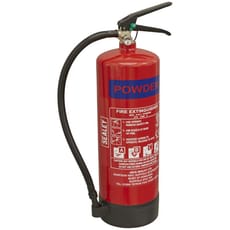
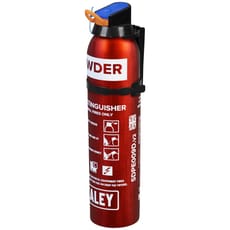
Fire extinguishers are classified according to the types of fire they can tackle, with different extinguishing agents suited to specific fire classes. Class A extinguishers handle ordinary combustibles like wood and paper, Class B covers flammable liquids, Class C addresses flammable gases, Class D deals with metal fires, Class F is designed for cooking oils, and specialist types handle electrical fires. Many modern extinguishers offer multi-class protection, making them versatile choices for workshops and vehicles where multiple fire risks exist. Beyond the extinguishers themselves, effective fire safety encompasses smoke detectors, fire blankets, safety signage, storage cabinets and mounting equipment that together form a complete fire prevention and response strategy compliant with HSE guidelines and the Regulatory Reform (Fire Safety) Order 2005.
For tradespeople working across construction sites, workshops and client premises, fire safety equipment serves multiple purposes beyond immediate fire protection. It demonstrates professional diligence, satisfies insurance requirements, meets site manager expectations, and fulfils your duty of care obligations to employees and clients. Many commercial sites now require contractors to provide evidence of adequate fire safety measures before permitting site access, making portable fire extinguishers an essential part of your professional toolkit alongside power tools and PPE.
Jargon Buster
- Fire Rating: The classification system (A, B, C, D, F, or Electrical) indicating which types of fire an extinguisher can tackle. Class A covers ordinary combustibles like wood and paper, Class B handles flammable liquids, Class C addresses flammable gases, Class D is for metal fires, Class F covers cooking oils, and Electrical indicates suitability for live electrical equipment. Most extinguishers display their fire ratings clearly on the label.
- BS EN 3: The British and European standard specifying requirements for portable fire extinguishers, including construction, performance testing and colour coding. All fire extinguishers sold in the UK must comply with this standard to be legally deployed in workplaces and commercial premises.
- Extinguishing Agent: The substance contained within a fire extinguisher that suppresses the fire. Common agents include water, foam, dry powder, CO2 (carbon dioxide), and wet chemical. Each agent works through different mechanisms—cooling, smothering, or chemical reaction—making them suited to specific fire types and presenting different safety considerations during use.
- Fire Point: A designated location where fire-fighting equipment is stored and clearly marked, typically featuring extinguishers mounted on wall brackets with appropriate signage indicating their location and type. Fire points should be positioned on escape routes and within 30 metres travel distance from any point in the building.
- Competent Person: Under UK fire safety law, an individual with sufficient training, experience and knowledge to carry out fire risk assessments, service fire extinguishers, and ensure fire safety measures remain appropriate. Many businesses appoint trained internal staff as competent persons or engage external fire safety consultants and engineers.
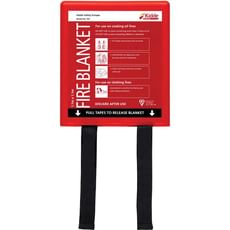
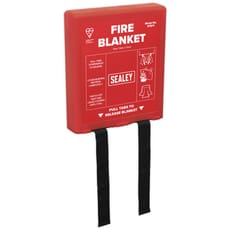
- Fire Blanket: A safety device constructed from fire-resistant material, typically woven fibreglass, used to smother small fires or wrap around a person whose clothing has caught fire. Particularly valuable in kitchens and workshops, fire blankets should be mounted in easily accessible locations and replaced after any deployment.
Who Uses Fire Extinguishers & Safety?
Fire safety equipment is required across virtually every commercial, industrial and residential sector. Key users include:
- Construction Professionals: Site managers, contractors and builders maintaining fire safety on active construction sites, protecting site cabins, welfare facilities and temporary structures from fire risks associated with hot works, electrical installations and flammable materials.
- Electricians: Sparkies working with 240v installations and electrical panels require CO2 or powder extinguishers suitable for electrical fires, particularly when working in commercial premises, industrial settings or domestic properties during rewiring projects.
- Vehicle Fitters and Mechanics: Workshops handling flammable liquids, oils, fuels and vehicle repairs need appropriate foam or powder extinguishers to tackle potential petroleum and oil fires, plus fire blankets for emergency response.
- Landlords and Property Managers: Those responsible for residential and commercial properties must ensure adequate fire safety provision to meet letting regulations, building insurance requirements and legal obligations under fire safety legislation.
- Facilities Managers: Professionals maintaining safety standards in offices, warehouses, retail spaces, industrial premises and multi-tenant buildings where fire risk assessments mandate appropriate fire-fighting equipment and detection systems.
- Fleet Managers: Those managing commercial vehicle fleets who must ensure vehicles carry appropriate fire extinguishers, particularly HGVs, specialist vehicles, plant machinery and mobile workshop units.
- Hospitality Sector: Restaurant and café owners requiring wet chemical extinguishers for kitchen environments where cooking oil fires present significant risks, alongside general-purpose extinguishers for front-of-house areas.
- Manufacturing and Engineering: Factory managers and workshop supervisors protecting machinery, materials, finished products and personnel from fire risks in environments containing electrical equipment, flammable materials and fabrication processes.
- Small Business Owners: Shops, offices, studios and workshops of all sizes who have legal obligations under fire safety legislation to provide appropriate fire-fighting equipment based on their specific fire risk assessment.
- DIY Enthusiasts and Homeowners: Individuals with workshops, garages or home workshops who want to protect their property and family, plus those simply taking sensible precautions with domestic fire extinguishers and fire blankets in kitchens and living areas.
How to Choose the Right Fire Extinguishers & Safety
Identify Your Fire Risks: Begin by assessing what types of fire could occur in your environment. Workshops with wood, paper and textiles need Class A protection, whilst sites with flammable liquids, paints or solvents require Class B capability. Electrical workshops and areas with 240v equipment need CO2 or powder extinguishers rated for electrical fires, and kitchens must have wet chemical (Class F) extinguishers for cooking oil fires. Many premises benefit from multi-purpose foam or powder extinguishers that cover several fire classes, providing versatile protection across different risk areas.
Understand Legal Requirements: UK fire safety regulations mandate that non-domestic premises conduct fire risk assessments and provide appropriate fire-fighting equipment. The Regulatory Reform (Fire Safety) Order 2005 places responsibility on the "responsible person"—typically the employer, building owner or facilities manager—to ensure adequate fire precautions. Domestic properties have different requirements, though landlords must meet specific standards for rental properties. Even sole traders and mobile tradespeople working from vehicles or temporary sites should carry appropriate portable fire extinguishers.
Consider Size and Capacity: Fire extinguishers range from compact 1kg or 2-litre units suitable for vehicles and small spaces, up to 9-litre water or 9kg powder models for larger premises. The HSE recommends minimum fire ratings based on floor area—typically one 13A rated extinguisher per 200 square metres of floor space as a baseline, though specific risks may require additional provision. Vehicle-mounted extinguishers typically range from 1kg to 2kg for cars and vans, with larger capacities recommended for commercial vehicles and plant machinery.
Location and Accessibility: Position extinguishers near fire exit routes, close to specific fire risks such as electrical panels, welding areas or kitchens, and ensure no point in the building exceeds 30 metres travel distance from an extinguisher. Wall-mounting brackets keep extinguishers secure, visible and at the correct height (handles typically between 1 metre and 1.5 metres from floor level), whilst clear photoluminescent signage ensures they can be located quickly in emergencies or low-light conditions. The range at Tooled-Up includes appropriate mounting solutions and signage to complete your fire safety installation.
Maintenance and Servicing Requirements: Fire extinguishers require annual servicing by a competent person to remain effective and compliant with UK regulations. Consider whether you'll arrange professional servicing contracts or train internal staff to become competent persons. Extinguishers also need extended services at five-yearly intervals and pressure testing or replacement after ten years. Between professional services, conduct monthly visual checks of pressure gauges (needles should remain in the green zone), physical condition, and accessibility. Any extinguisher that has been discharged, even partially, must be professionally serviced before being returned to service.
Training and Competence: Having fire extinguishers is only useful if people know how to use them safely and appropriately. Consider whether your team needs fire safety training, remembering that the primary response to fire should always be raising the alarm and evacuating—extinguishers should only be deployed on small, contained fires where it's safe to do so without blocking your escape route. Understanding the PASS technique (Pull, Aim, Squeeze, Sweep) and knowing the limitations of different extinguisher types prevents dangerous misuse during emergencies.
Popular Accessories
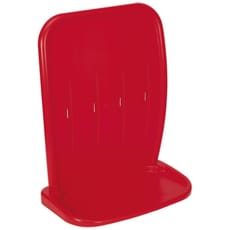
- Fire Extinguisher Stands and Brackets: Wall-mounting brackets and free-standing floor stands for positioning extinguishers in optimal locations whilst keeping them secure, visible and preventing damage from workshop activities or vehicle movement.
- Fire Safety Signage: Photoluminescent and rigid plastic signs indicating fire extinguisher locations, fire exits, assembly points and fire action notices, compliant with BS 5499 standards and visible in low-light or smoke-filled conditions.
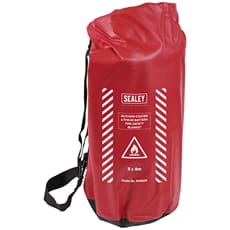
- Fire Blankets: Essential for kitchens, workshops and welding areas, available in various sizes from 1.0m x 1.0m for domestic use to 1.8m x 1.8m for commercial kitchens, supplied in quick-release wall-mounted cases.
- Smoke Alarms and Heat Detectors: Early warning devices for detecting fire and smoke, including battery-powered, 240v mains-powered and interlinked systems for larger properties, with optical and ionisation sensor options.
- Fire Extinguisher Covers: Protective covers for extinguishers stored outdoors, in vehicles or harsh environments, preventing weather damage, UV degradation and contamination whilst maintaining visibility.
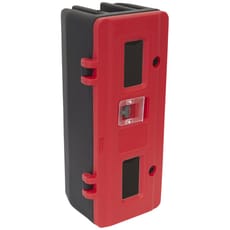
- Fire Safety Cabinets: Secure storage solutions that protect extinguishers from damage, vandalism and weather whilst keeping them visible and accessible, available in surface-mounted and recessed configurations.
- CO and Smoke Detectors: Carbon monoxide detectors for identifying dangerous CO levels from heating appliances, generators or engines, plus combined smoke and CO detectors for comprehensive protection.
- Inspection Tags and Service Records: Documentation systems for tracking maintenance schedules, service dates and ensuring compliance with annual servicing requirements, often required as evidence during insurance claims or HSE inspections.
- Fire Safety Gloves and PPE: Heat-resistant gloves and personal protective equipment for handling fire-fighting equipment safely, plus emergency response equipment for designated fire wardens.
- Extinguisher ID Signs: Individual identification signs indicating extinguisher type and suitable fire classes, helping users select the correct extinguisher quickly during emergencies.
Safety Information
Know Your Limitations: Fire extinguishers are designed to tackle small, contained fires in their earliest stages only. Never attempt to fight a fire that is spreading rapidly, producing dense smoke, blocking your escape route, or involving materials you're uncertain about. Always sound the alarm first and ensure evacuation procedures are initiated—property can be replaced, lives cannot. If you have any doubt about your safety, evacuate immediately and wait for the fire service.
Using Extinguishers Safely: Remember the PASS technique—Pull the safety pin, Aim the nozzle at the base of the flames (not the smoke or tops of flames), Squeeze the handle to discharge, and Sweep from side to side across the base of the fire. Always position yourself between the fire and your exit route, maintain a safe distance of typically 2-3 metres, and be prepared to retreat immediately if the fire doesn't respond, grows larger, or conditions deteriorate. Never turn your back on a fire you're attempting to extinguish.
Electrical Safety: Never use water or foam extinguishers on live electrical fires or equipment unless the power has been isolated at the mains. CO2 and powder extinguishers are suitable for electrical fires involving 240v equipment, but remember that CO2 discharge horns become extremely cold and can cause cold burns to skin—avoid direct contact. If possible, isolate the electrical supply before tackling the fire, and be aware that extinguishing an electrical fire doesn't necessarily make the equipment safe to handle.
Ventilation Considerations: CO2 extinguishers work by displacing oxygen and can cause asphyxiation in confined spaces or poorly ventilated areas. After using CO2 extinguishers indoors, ensure adequate ventilation and evacuate the area if necessary, particularly in small rooms, basements or vehicle interiors. Powder extinguishers create dense clouds that impair visibility and breathing—use them cautiously indoors and be aware that powder residue can damage sensitive electrical equipment and requires thorough cleaning.
Regular Maintenance: Extinguishers must be serviced annually by a competent person to remain effective and legally compliant. Check pressure gauges regularly—the needle should remain in the green zone indicating correct pressure. Examine the body for dents, corrosion or damage, ensure the safety pin is intact, and verify that access isn't obstructed. Any extinguisher that has been partially or fully discharged must be professionally serviced and recharged before being returned to service, even if only used for a few seconds during training or a minor incident.
Legal Compliance: Familiarise yourself with the Regulatory Reform (Fire Safety) Order 2005 and ensure your fire risk assessment remains current, particularly when workplace activities, layouts or materials change. The HSE provides comprehensive guidance on fire safety responsibilities for different premises types and industries. Failure to comply can result in prosecution, unlimited fines, and even imprisonment for serious breaches, particularly if inadequate fire safety contributes to injuries or fatalities. Insurance policies often require proof of adequate fire safety measures and regular maintenance records.
Frequently Asked Questions
Q: What type of fire extinguisher do I need for my workshop or van?
A: For most trade workshops and vehicles, a multi-purpose dry powder extinguisher (covering Class A, B and C fires plus electrical) provides versatile protection for the most common fire risks including wood, paper, flammable liquids and 240v electrical equipment. Alternatively, foam extinguishers offer similar multi-class protection with less residue. A 2kg powder or 2-litre foam extinguisher represents the minimum recommended size for vehicles and small vans, whilst workshops benefit from larger 6kg or 6-litre models depending on floor area and specific risks. If you regularly undertake hot works like welding or grinding, consider keeping a fire blanket alongside your extinguisher for immediate smothering of small ignition sources.
Q: How often do fire extinguishers need servicing, and can I do it myself?
A: UK regulations require fire extinguishers to be serviced at least annually by a competent person with appropriate training and certification. Additionally, extinguishers need an extended service at five-yearly intervals involving internal inspection, and most types require pressure testing or replacement after ten years depending on the manufacturer's specifications. Whilst you can conduct monthly visual checks yourself—examining pressure gauges, physical condition, and accessibility—the annual service must be performed by someone qualified to disassemble, inspect internal components, and certify the extinguisher's continued fitness for purpose. Keep detailed service records with dates and competent person details as evidence of compliance during inspections or insurance claims.
Q: Are fire extinguishers a legal requirement for my business or if I'm self-employed?
A: Yes, under the Regulatory Reform (Fire Safety) Order 2005, all non-domestic premises must have appropriate fire-fighting equipment based on a fire risk assessment. This applies to all workplaces including offices, warehouses, shops, workshops, and even mobile tradespeople working from vehicles or temporary sites. The "responsible person"—typically the employer, building owner or facilities manager—must ensure adequate provision, maintenance and staff training. Even sole traders operating from commercial premises or providing services at client sites have these obligations. The only exemption is purely domestic dwellings, though landlords must meet specific fire safety standards for rental properties.
Q: Can I use any fire extinguisher on any type of fire?
A: No—using the wrong extinguisher type can be extremely dangerous and ineffective. Water extinguishers must never be used on electrical fires (risk of electrocution) or flammable liquid fires (water spreads burning liquids). Foam shouldn't be used on deep fat fryer or chip pan fires. CO2 extinguishers are less effective on solid material fires like wood or paper. Each extinguisher displays a label clearly indicating which fire classes it's rated for—Class A for combustibles, Class B for flammable liquids, Class C for gases, Class F for cooking oils, and suitability for electrical fires. Always check the label before purchase and ensure you have the right types for the specific risks in your environment, or choose multi-purpose extinguishers that cover several classes.
Q: Where should fire extinguishers be positioned in my workshop or premises?
A: Position extinguishers on escape routes near exit doors so you can fight a fire whilst maintaining access to your escape route. Place them close to specific fire hazards such as electrical distribution boards, welding areas, fuel storage or kitchens. Ensure no point in the building exceeds 30 metres travel distance from an extinguisher—in practice, this usually means one extinguisher per floor near the main exit, plus additional units near significant fire risks. Mount them on wall brackets at consistent heights with handles typically between 1 metre and 1.5 metres from floor level for easy access. Install clear signage above each location, particularly in areas where extinguishers might not be immediately visible. Never position extinguishers where they could obstruct escape routes, become damaged by workshop activities or plant movements, or become inaccessible due to storage or equipment placement.