

First Aid Kits
Pay in 3 interest-free payments on purchases from £30-2000 with  . Learn more.
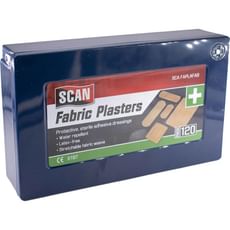
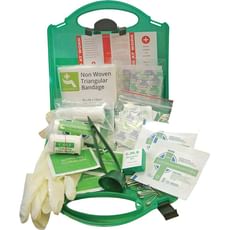
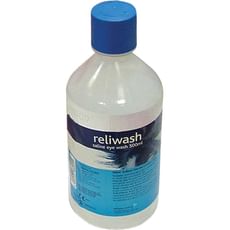
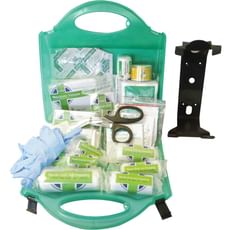

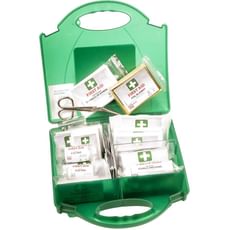
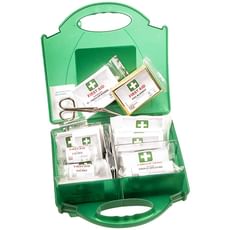
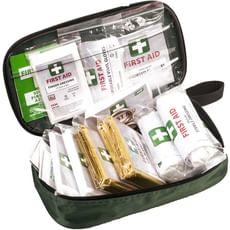
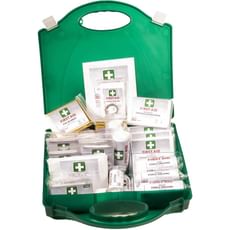
 Loading...
End of content
Error - No more pages to load
About First Aid Kits
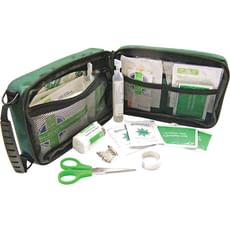
First aid kits are essential safety equipment for any workplace, vehicle, or home environment where accidents and injuries can occur. A well-stocked first aid kit provides immediate access to medical supplies and equipment needed to treat minor injuries, manage emergencies, and potentially save lives before professional medical help arrives. From compact travel kits to comprehensive workplace solutions, having the right first aid equipment readily available is not just good practice—it's often a legal requirement under Health and Safety Executive (HSE) regulations for UK workplaces.
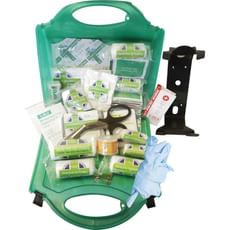
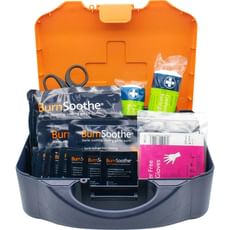
The selection available at Tooled-Up.com includes first aid kits tailored to specific environments and risk levels, from low-risk office settings to high-risk construction sites. Whether you need a basic vehicle kit to comply with road safety standards, a burns-specific kit for welding workshops, or a fully-stocked 100-person workplace kit, trusted brands including Portwest, Scan, Sealey, and Draper provide reliable solutions. Each kit is carefully designed to meet British Standards (BS 8599) and contains HSE-compliant contents appropriate for different workplace scenarios and user numbers.
Beyond complete kits, essential refills and specialist items such as hydroscopic plasters, eye wash stations, and emergency burn treatments ensure your first aid provisions remain effective. Regular maintenance and replenishment of first aid supplies keeps your kit compliant with workplace health and safety regulations, protecting both employees and employers from preventable complications following workplace incidents.
Jargon Buster
- HSE Compliant: Meeting the standards set by the Health and Safety Executive, the UK's regulatory body for workplace health and safety. HSE-compliant first aid kits contain the minimum recommended contents for specific workplace types and employee numbers.
- BS 8599: The British Standard for workplace (BS 8599-1) and vehicle (BS 8599-2) first aid kits. These standards specify minimum contents lists based on risk assessment and number of people covered, ensuring kits meet legal requirements.
- Low/Medium/High Risk Workplace: Classification system based on the nature of work activities. Low-risk includes offices and shops, medium-risk covers light engineering and assembly work, whilst high-risk applies to construction sites, chemical plants, and heavy machinery operations.
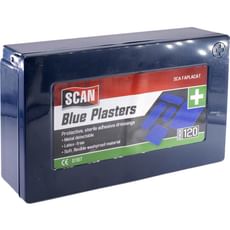
- Hydroscopic Plasters: Specialised blue-coloured plasters that are highly visible and metal-detectable, essential for food preparation environments. They absorb moisture whilst maintaining adhesion, making them ideal for workshop and catering settings.
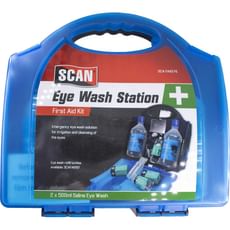
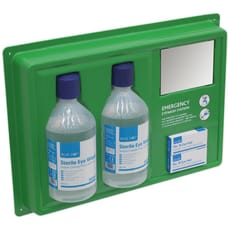
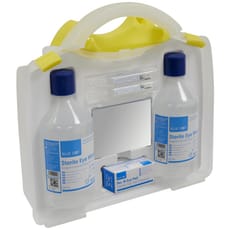
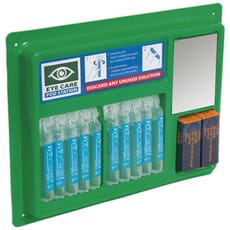
- Eye Wash Station: A dedicated unit containing sterile saline solution for irrigating eyes exposed to dust, chemicals, or foreign bodies. Required in environments where eye injuries are a significant risk, such as woodworking shops or laboratories.
- Appointed Person: Someone designated to take charge when an injury occurs and call emergency services. Unlike a trained first aider, they don't need formal qualifications but should understand basic first aid kit contents and emergency procedures.
Who Uses First Aid Kits?
First aid kits are indispensable across numerous trades and professions:
- Construction Workers and Site Managers: Required by law on all construction sites regardless of size
- Electricians and Sparks: Need kits containing burns treatments and eye wash for electrical work hazards
- Plumbers and Heating Engineers: Require burns kits and general injury supplies for hot water and cutting tool accidents
- Joiners and Chippies: Need comprehensive kits for cuts, splinters, and eye injuries from sawdust and debris
- Mechanics and Vehicle Technicians: Require chemical burn treatments and cut management supplies
- Factory and Warehouse Supervisors: Legally obligated to provide adequate first aid facilities based on employee numbers
- Facilities Managers: Responsible for maintaining compliant first aid provisions across office and commercial premises
- Mobile Tradespeople: Need compact vehicle kits for lone working compliance
- Landscapers and Groundskeepers: Require outdoor-suitable kits for cuts, stings, and sun-related injuries
- DIY Enthusiasts and Homeowners: Benefit from household kits for workshop and general home accidents
How to Choose the Right First Aid Kits
Workplace Risk Assessment: Evaluate your environment's hazards. Low-risk settings like offices need basic kits with plasters, bandages, and antiseptic wipes. Medium-risk environments such as warehouses require additional items like eye wash and burn dressings. High-risk locations including construction sites demand comprehensive kits with trauma supplies and multiple dressings.
Number of Employees: HSE guidance recommends kit sizes based on workforce numbers. Small businesses with fewer than 25 employees typically need one basic kit, whilst larger operations require multiple kits or larger capacity solutions. The range at Tooled-Up includes 10, 25, 50, and 100-person kits to match any workforce size.
Specific Hazards: If your work involves particular risks, choose specialist kits. Welders and metalworkers should prioritise burns kits, whilst workshops with grinding or cutting operations need eye wash stations. Food preparation areas require blue hydroscopic plasters to maintain hygiene standards and product integrity.
Portability Requirements: Mobile workers and vehicle-based tradespeople need compact, durable travel kits that withstand vibration and temperature variations. Wall-mounted workplace kits suit fixed locations, whilst carry cases offer flexibility for site-to-site movement.
Compliance and Standards: Ensure kits meet current British Standards (BS 8599) for workplace and vehicle first aid. Check that contents lists match HSE recommendations for your industry sector and maintain records of kit checks and refills for inspection purposes.
Refill Availability: Choose kits from reputable brands like Portwest, Scan, or Sealey where replacement supplies are readily available. Regular expiry date checks and systematic refilling prevent kit depletion and maintain legal compliance.
Popular Accessories
- Replacement Plasters – Assorted fabric and hydroscopic blue plasters in various sizes
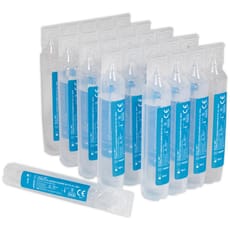
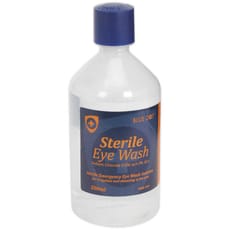
- Eye Wash Station Refills – Sterile saline solution bottles for maintaining eye wash stations
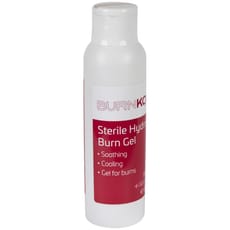
- Burns Dressings – Specialist cooling gel dressings for thermal and chemical burns
- Disposable Gloves – Nitrile or latex gloves for hygienic treatment administration
- Triangular Bandages – Versatile support and sling materials
- Conforming Bandages – Elastic bandages for securing dressings and supporting injuries
- Antiseptic Wipes – Individual sterile wipes for cleaning wounds
- First Aid Record Books – For documenting treatments and maintaining HSE compliance
- Wall-Mounting Brackets – For secure, accessible kit positioning
- First Aid Signs – Clear safety signage indicating kit locations
Safety Information
First aid kits themselves are safe to use, but proper management is essential for effectiveness and compliance. Always designate a responsible person to maintain each kit, checking contents monthly for used items, damaged packaging, or expired supplies. Replace any items immediately after use and conduct quarterly audits against the original contents list.
Store first aid kits in accessible locations known to all employees, away from extreme temperatures and direct sunlight which can degrade contents. Ensure kits are clearly marked with compliant signage featuring the white cross on green background specified in the Health and Safety (Safety Signs and Signals) Regulations.
Remember that first aid kits supplement, but don't replace, proper first aid training. While appointed persons can use kit contents for minor injuries, at least one employee should hold a valid First Aid at Work certificate (renewed every three years) for workplaces identified as higher risk by your assessment. Keep emergency services contact numbers visible near all first aid stations.
Frequently Asked Questions
What first aid provision is legally required for my workplace?
The Health and Safety (First-Aid) Regulations 1981 require employers to provide adequate first aid equipment, facilities, and trained personnel based on workplace risk assessment. Minimum requirements typically include an appropriately stocked first aid kit, an appointed person to take charge of arrangements, and clear information for employees. Higher-risk workplaces need qualified first aiders and more comprehensive provisions.
How often should I check and refill my first aid kit?
Conduct visual checks monthly to identify used or missing items, and perform comprehensive audits quarterly. Replace items immediately after use, and check expiry dates on sterile supplies during each inspection. Most adhesive plasters and dressings have 3-5 year shelf lives, whilst eye wash solutions typically expire after 2-3 years. Maintain a log of checks to demonstrate HSE compliance.
Do I need different first aid kits for vehicles and premises?
Yes, vehicle first aid kits are specifically designed to withstand temperature fluctuations and vibration whilst remaining compact for mobile use. They meet different standards (BS 8599-2) compared to workplace kits (BS 8599-1). If employees regularly travel for work, provide suitable vehicle kits in addition to workplace provisions, particularly for lone workers who cannot rely on nearby assistance.
What's the difference between low, medium, and high-risk workplace kits?
Risk classifications determine kit contents complexity. Low-risk kits for offices contain basic supplies for minor cuts and headaches. Medium-risk kits add burn treatments and more substantial dressings for light industrial settings. High-risk kits include trauma dressings, multiple bandages, and specialist items for construction sites and heavy industrial environments where serious injuries are more likely.
Can I build my own first aid kit instead of buying a complete one?
While possible, purchasing HSE-compliant pre-assembled kits ensures you meet legal requirements with correctly specified contents for your workplace category. Complete kits from brands like Portwest and Scan include detailed contents lists simplifying compliance demonstration during inspections. If supplementing existing kits, reference HSE guidance or BS 8599 standards to ensure appropriate items and quantities.