

First Aid & Medical Kits
Pay in 3 interest-free payments on purchases from £30-2000 with  . Learn more.
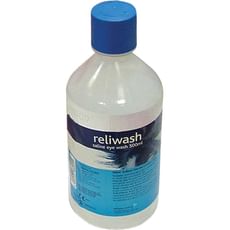
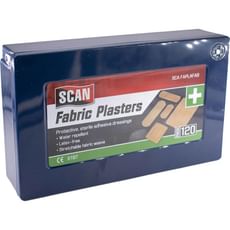
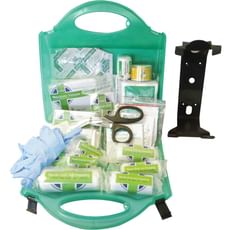
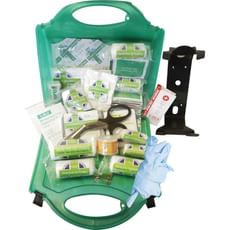
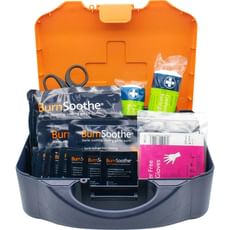
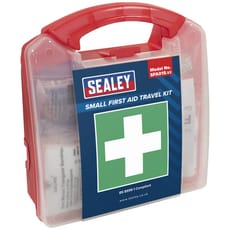
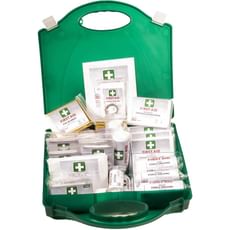
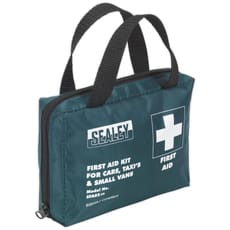
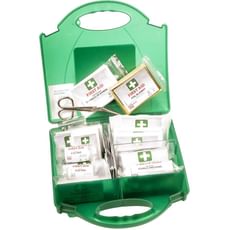
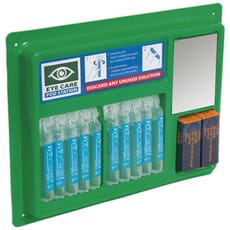
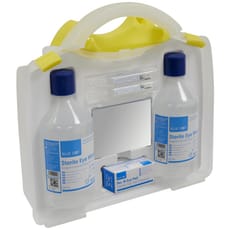

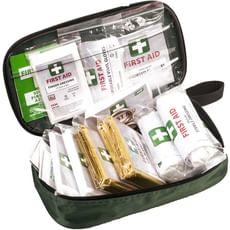
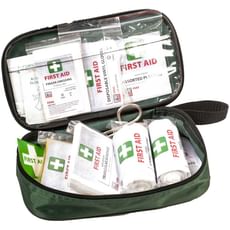
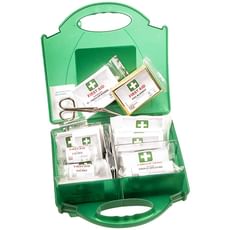
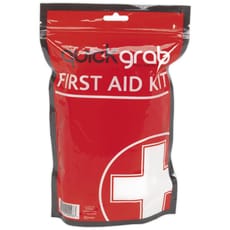
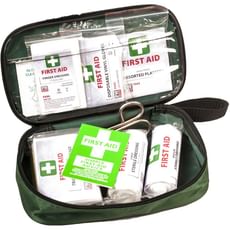
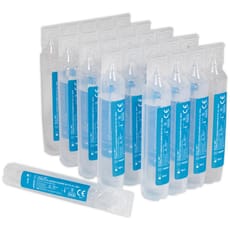
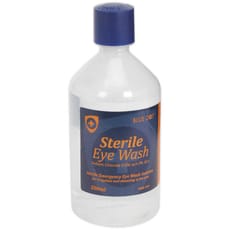
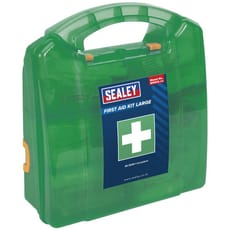
 Loading...
End of content
Error - No more pages to load
About First Aid & Medical Kits
First aid and medical kits are critical safety equipment for any workplace, vehicle, or home environment where accidents or medical emergencies might occur. Whether you're working on a busy construction site, operating machinery in a workshop, or tackling DIY projects at home, having immediate access to properly stocked first aid supplies can make a crucial difference in treating injuries quickly and effectively. A comprehensive first aid kit ensures you can respond to common workplace incidents such as cuts, burns, sprains, and eye injuries before professional medical help arrives. Tooled-Up.com stocks a wide range of compliant kits suitable for diverse working environments and risk levels.
Professional first aid kits are designed to meet specific regulatory requirements and workplace needs, with different configurations suited to various environments. From compact travel kits for mobile tradespeople to comprehensive HSE-compliant workplace kits for larger sites, these medical supplies are carefully assembled to address the most common injuries encountered in trade and industrial settings. Many kits are specifically tailored for particular industries, such as construction, automotive work, or catering, ensuring the right equipment is always on hand when needed.
Modern first aid kits go beyond basic plasters and bandages, incorporating advanced wound care products, eye wash stations, burn treatments, and emergency equipment. Regular checking and restocking of your first aid supplies is essential to ensure items remain sterile, within their use-by dates, and ready for immediate deployment when accidents happen. Compliance with the Health and Safety (First Aid) Regulations 1981 is not just good practice—it's a legal requirement for employers across the UK.
Jargon Buster
- HSE Compliant: Meeting the standards set by the Health and Safety Executive, the UK's regulatory body for workplace health and safety. HSE-compliant first aid kits contain the minimum recommended contents for workplace use and help fulfil your legal obligations.
- BS 8599: The British Standard specification for first aid kits, defining the contents and quality requirements for workplace, vehicle, and travel kits. BS 8599-1 covers workplace kits while BS 8599-2 addresses vehicle kits, ensuring appropriate provision for different environments.
- Appointed Person: Someone designated to take charge when a first aider is absent, with responsibility for first aid equipment and arrangements. They can provide emergency cover but aren't required to hold a first aid qualification, though basic training is recommended.
- Eye Wash Station: A specialised piece of first aid equipment providing sterile saline solution for flushing eyes contaminated by dust, chemicals, or foreign bodies—particularly important in construction, manufacturing, and workshop environments.
- Haemostatic Dressing: Advanced wound dressings designed to promote rapid blood clotting and control severe bleeding, increasingly included in professional and industrial first aid kits for high-risk environments where serious injuries may occur.
- RIDDOR: The Reporting of Injuries, Diseases and Dangerous Occurrences Regulations, which require employers to report serious workplace accidents. Proper first aid provision can help minimise incidents requiring RIDDOR reporting whilst providing immediate care.
Who Uses First Aid & Medical Kits?
First aid and medical kits are essential equipment for a wide range of professionals and workplaces:
- Construction Workers & Site Managers: Required by law to maintain adequate first aid provision on construction sites of all sizes
- Electricians & Plumbers: Mobile tradespeople working across multiple locations need portable first aid kits in their vans
- Joiners & Carpenters: Workshop environments with cutting tools and machinery require comprehensive first aid supplies
- Mechanics & Vehicle Technicians: Automotive workshops need specialised kits for burns, cuts, and eye injuries from metal particles
- Factory & Warehouse Operatives: Manufacturing environments require strategically placed first aid stations throughout facilities
- Landscapers & Groundskeepers: Outdoor workers exposed to power tools, machinery, and environmental hazards
- Maintenance Engineers: Facilities management professionals working across diverse environments and risks
- DIY Enthusiasts: Home workshop users tackling projects with power tools and hand tools
- Small Business Owners: All employers have a legal duty to provide appropriate first aid equipment for their staff
- Fleet Managers: Responsible for ensuring company vehicles carry appropriate first aid kits
How to Choose the Right First Aid & Medical Kits
Assess Your Workplace Risks: Conduct a thorough risk assessment to identify potential hazards in your working environment. High-risk activities involving machinery, chemicals, or height work require more comprehensive first aid provision than low-risk office environments. Consider the types of injuries most likely to occur—construction sites need extensive supplies for cuts and impact injuries, while workshops with grinding equipment require eye wash stations.
Calculate Number of Personnel: HSE guidance recommends first aid kit specifications based on the number of employees. Small workplaces (fewer than 25 employees in low-risk environments) may only need a basic kit, while larger sites or higher-risk operations require multiple, well-stocked kits positioned strategically throughout the premises. Mobile workers should carry individual travel kits in their vehicles.
Consider BS 8599 Standards: Choose kits that meet British Standard BS 8599-1 for workplace kits or BS 8599-2 for vehicle kits. These standards ensure your kit contains the appropriate mix of dressings, bandages, and equipment. Compliance with these standards provides legal protection and ensures you're meeting your duty of care obligations under UK legislation.
Ensure Accessibility and Storage: First aid kits must be easily accessible, clearly marked, and protected from contamination and damage. Wall-mounted cabinets work well for fixed locations, while robust carry cases suit mobile tradespeople. Consider weatherproof containers for outdoor work or vehicle storage. The kit should be located close to high-risk areas but away from potential contamination sources.
Plan for Restocking and Maintenance: Choose kits with clearly labelled contents and expiry dates. Regular checking (at least quarterly) ensures supplies remain sterile and usable. Consider kits with refill packs available to make restocking economical and straightforward. Appoint a responsible person to monitor and maintain your first aid supplies throughout the year.
Match Kit to Environment: Specialised kits exist for specific industries—catering first aid kits include blue detectable plasters, while burns kits suit welding environments. Vehicle kits should meet BS 8599-2 standards and include items for roadside emergencies. Consider adding supplementary items like emergency blankets, eyewash, or specialist burn dressings based on your specific workplace risks.
Popular Accessories
Enhance your first aid provision with these complementary products and consumables available from Tooled-Up:
- Refill Packs: Individual replacement items including bandages, dressings, plasters, and gloves to replenish used supplies
- Eye Wash Stations: Wall-mounted or portable units with sterile saline solution for treating eye contamination
- Burns Kits: Specialised treatments including burns dressings, cooling gels, and sterile covers for thermal injuries
- Accident Report Books: Essential for documenting incidents and maintaining HSE compliance records
- First Aid Signs: Compliant signage to clearly identify first aid kit locations throughout your workplace
- Wall Mounting Brackets: Secure fixings to position first aid cabinets at accessible heights
- Resuscitation Masks: CPR face shields providing protection when administering emergency breathing
- Disposable Gloves: Nitrile or latex gloves for hygienic treatment of injuries
- Instant Cold Packs: Chemical ice packs for treating sprains, strains, and impact injuries
- Emergency Blankets: Foil blankets for treating shock and maintaining body temperature
- Scissors & Tweezers: Essential tools for cutting dressings and removing splinters
- Microporous Tape: Hypoallergenic medical tape for securing dressings
Safety Information
Legal Requirements: Under the Health and Safety (First Aid) Regulations 1981, employers must provide adequate and appropriate first aid equipment, facilities, and personnel. The minimum requirement is an appointed person to take charge of first aid arrangements and a suitably stocked first aid kit. Larger workplaces or higher-risk environments require trained first aiders with current qualifications.
Training and Competence: While anyone can apply basic first aid, employers should ensure at least one person on site holds a valid First Aid at Work (FAW) or Emergency First Aid at Work (EFAW) certificate. These HSE-approved qualifications require renewal every three years. Appointed persons should receive basic training even without full certification to ensure they understand their responsibilities.
Hygiene and Contamination: Always wear disposable gloves when treating injuries involving blood or bodily fluids. Dispose of used dressings and contaminated materials in appropriate clinical waste bags. Single-use items must never be reused, and sterile packaging should remain sealed until required to maintain cleanliness and effectiveness.
Regular Inspection: Designate a responsible person to check first aid kits regularly—monthly for high-use environments, quarterly as a minimum. Check expiry dates on sterile items, replace used supplies immediately, and ensure packaging integrity. Document inspections in your health and safety records to demonstrate compliance during audits.
Know Your Limitations: First aid is intended to preserve life and prevent deterioration until professional medical help arrives. Never attempt procedures beyond your training level, and always call emergency services (999) for serious injuries including severe bleeding, suspected fractures, head injuries, chest pain, or unconsciousness.
Frequently Asked Questions
What should be included in a workplace first aid kit?
A basic HSE-compliant workplace first aid kit should contain: a guidance leaflet, individually wrapped sterile plasters in assorted sizes, sterile eye pads, individually wrapped triangular bandages, safety pins, medium and large sterile unmedicated wound dressings, disposable gloves, and sterile gauze pads. The exact contents depend on your workplace size and risk level, with BS 8599-1 providing detailed specifications for small, medium, and large workplace kits to ensure adequate provision.
How often should first aid kits be checked and restocked?
First aid kits should be checked at least every three months, with high-use kits inspected monthly. Check that sterile items remain within their use-by dates, packaging is intact, and used items are replaced immediately after any incident. Keep a record of inspections and document what was restocked. Many businesses assign this responsibility to a designated appointed person or first aider who conducts regular audits as part of their health and safety procedures.
Do I need a first aid kit in my work van?
While not legally required for all vehicles, it's strongly recommended that tradespeople and mobile workers carry a first aid kit meeting BS 8599-2 standards in their vehicles. If you employ drivers or transport employees in company vehicles, you have a duty of care to provide first aid equipment. Vehicle kits should be robust, weatherproof, and securely stored to prevent contents becoming damaged or contaminated during transit across different job sites.
What's the difference between an appointed person and a first aider?
A first aider holds a valid qualification from an HSE-approved training provider (either First Aid at Work or Emergency First Aid at Work) and can provide emergency treatment for injuries and illnesses. An appointed person doesn't require formal first aid training but takes charge of first aid arrangements, including looking after equipment and calling emergency services. In low-risk workplaces with fewer than 25 employees, an appointed person may be sufficient, but higher-risk environments require qualified first aiders on site during working hours.
Can I include medicines like paracetamol or aspirin in workplace first aid kits?
No, HSE guidance specifically advises against including tablets or medicines in workplace first aid kits. This is because administering medication could cause allergic reactions, interact with existing medications, or mask symptoms of more serious conditions. First aiders and appointed persons should not diagnose conditions or provide medication. Employees requiring medication for existing conditions should keep their own supplies. The only exception is where employees carry prescribed medication (like EpiPens or inhalers) for specific diagnosed conditions under their own management.