

Fitted Hose
Pay in 3 interest-free payments on purchases from £30-2000 with  . Learn more.
 Loading...
End of content
Error - No more pages to load
About Fitted Hose
Fitted hoses are pre-assembled gas delivery systems designed specifically for welding, cutting, brazing, and heating applications. These hoses come with professional-grade connectors already attached at both ends, eliminating the time-consuming task of sourcing compatible fittings and ensuring secure, leak-free connections from the moment they arrive. The range at Tooled-Up.com includes oxygen hoses, acetylene hoses, and propane hoses in various diameters and lengths, all manufactured to comply with British and European safety standards including BS EN 559 and BS ISO specifications for gas handling equipment.
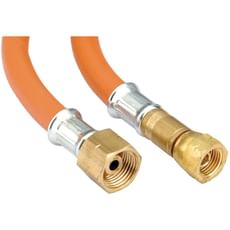
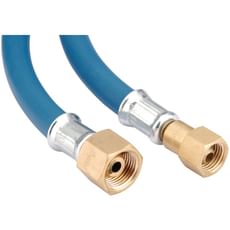
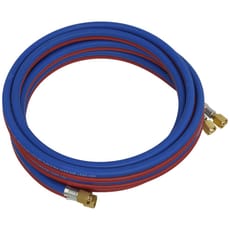
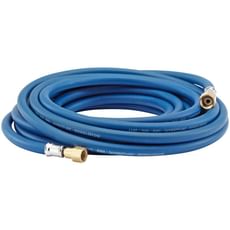
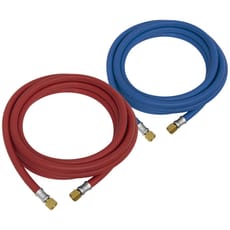
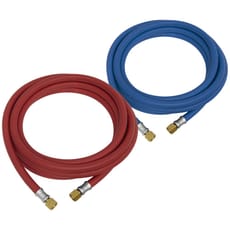
Available from trusted manufacturers like Draper and Sealey, these hoses feature colour-coded construction that enables instant gas identification—blue for oxygen, red for acetylene, and orange for propane. This colour coding isn't merely for convenience; it's a critical safety feature that prevents potentially catastrophic gas mix-ups. The pre-fitted swivel nut connectors are compatible with standard regulators, welding torches, and other gas equipment commonly used throughout UK workshops and construction sites. Twin welding hose sets bond oxygen and fuel gas hoses together, offering a tangle-free solution that's particularly valuable for mobile welding operations.
Quality fitted hoses incorporate reinforced rubber construction designed to withstand the pressures, temperatures, and physical demands of professional metalworking environments. Tooled-Up stocks the most commonly specified sizes used by UK tradespeople, including 6mm and 10mm internal diameters in lengths ranging from 5 to 10 metres. Whether you're replacing worn hoses as part of routine maintenance, setting up a new welding bay, or equipping a mobile fabrication service, selecting hoses manufactured to recognised safety standards is essential for reliable performance and operator protection.
Jargon Buster
- Working Pressure
- The maximum safe pressure (measured in bar or PSI) that a hose can handle during normal operation. Standard welding hoses typically manage up to 10 bar for oxygen and 1.5 bar for acetylene. Exceeding these ratings can cause hose failure and serious safety incidents.
- Swivel Nut Connector
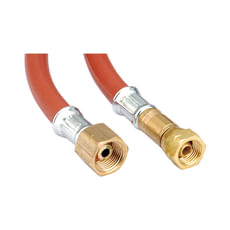
- The threaded metal fitting pre-attached to each end of a fitted hose that screws onto regulators and torch inlets. The swivel design allows the nut to rotate independently of the hose, preventing twisting and making connections easier.
- Twin Hose
- Two individual hoses bonded or clipped together—one for oxygen and one for fuel gas—providing a neat, manageable solution that reduces tangling and simplifies equipment transport around workshops and construction sites.
- BS EN 559
- The British and European standard specification for rubber hoses used in gas welding, cutting, and allied processes. Hoses meeting this standard have been tested for pressure resistance, material compatibility, and safety performance.
- Flash-back Arrestor
- A safety device (sold separately) fitted between hoses and equipment to prevent flame from travelling back through the hose into the gas supply system. Essential protection equipment required by HSE guidance for all gas welding operations.
- Hose Tail
- The barbed metal connector permanently attached to hose ends on fitted hoses. These tails create secure, leak-resistant connections without requiring additional crimping or specialized attachment tools.
Who Uses Fitted Hose?
- Welders and Fabricators: Professional metalworkers in fabrication shops, steel erectors, and construction site welding teams requiring reliable gas connections for joining, cutting, and shaping metal components.
- Plumbers and Heating Engineers: Tradespeople using brazing and welding equipment for copper pipework installation, boiler connections, and commercial heating system installations.
- Motor Vehicle Technicians: Mechanics and body shop specialists carrying out welding repairs, exhaust fabrication, chassis work, and restoration projects on cars, vans, and commercial vehicles.
- Agricultural Engineers: Farm machinery repair specialists and agricultural contractors who depend on gas welding capabilities for equipment maintenance, trailer repairs, and metal fabrication work in rural settings.
- Maintenance Engineers: Industrial and facilities maintenance teams in manufacturing plants, utilities, and commercial buildings who need welding equipment for equipment repairs and modifications.
- Sheet Metal Workers: Roofing contractors, cladding specialists, and ventilation installers using cutting and welding equipment for metalwork fabrication and installation.
- Metalwork Artists and Sculptors: Craftspeople and artists employing gas welding and cutting techniques for artistic metalwork, gates, railings, and sculptural projects.
- DIY Enthusiasts: Home workshop users with gas welding equipment for vehicle restoration, garden projects, repairs, and hobby metalwork.
How to Choose the Right Fitted Hose
Begin by identifying the specific gas type your application requires. Oxygen hoses (typically blue) and fuel gas hoses for acetylene or propane (red or orange) are manufactured using different rubber compounds formulated for their respective gases. These hoses must never be interchanged—using an acetylene hose for oxygen or vice versa will cause material degradation, creating dangerous leak paths and potential failure under pressure.
Hose diameter directly affects gas flow and equipment performance. Common sizes include 6mm and 10mm internal diameters. The 6mm specification suits lighter-duty welding torches and shorter hose runs, whilst 10mm provides superior gas flow for larger torches, higher consumption equipment, or longer distances between cylinders and the workspace. Remember that excessively long hoses reduce pressure at the torch and can compromise welding quality, so select a length appropriate to your working environment—typically 5 metres for fixed workshop installations and up to 10 metres for mobile site work.
Verify that the working pressure rating matches or exceeds your regulator output. Standard specifications handle up to 10 bar for oxygen and 1.5 bar for acetylene, but always confirm compatibility with your specific equipment. Look for hoses manufactured to BS EN 559 or BS ISO standards, ensuring they meet UK and European requirements for construction quality, pressure testing, and material specification. Check that the pre-fitted connectors match your existing equipment—most UK welding gear uses standard swivel nut fittings, but verification prevents compatibility issues.
For mobile applications, construction site work, or limited storage space, twin hose sets offer practical advantages by keeping oxygen and fuel gas hoses together. This configuration reduces tangling, simplifies coiling and transport, and provides a tidier workspace. Single hoses may be preferable when replacing individual worn components in fixed installations or where separate routing provides advantages for your particular setup.
Popular Accessories
- Flash-back Arrestors: Essential safety devices fitted between hoses and regulators or torches to prevent dangerous flame travel back into the gas supply system.
- Gas Regulators: Pressure control devices that reduce high cylinder pressure to safe working levels for welding equipment, available for oxygen, acetylene, and propane applications.
- Welding Torches: Cutting and welding handpieces that connect to hose outlets for actual metalworking operations, available in various sizes for different applications.
- Hose Clips and Jubilee Clips: Metal fasteners for securing hose connections and preventing leaks at fitting points, particularly when replacing worn connectors.
- Hose Protectors: Spring-type guards that prevent damage and kinking at vulnerable connection points where hoses join equipment.
- Gas Cylinder Trolleys: Wheeled carriers for safely transporting cylinders with attached hoses around workshops and construction sites.
- Leak Detection Spray: Testing solution for identifying gas leaks at hose connections, fittings, and regulators before commencing welding operations.
- Welding Goggles and Gloves: Personal protective equipment essential for safe gas welding work, protecting against UV radiation, sparks, and molten metal splash.
- Hose Reels: Wall-mounted or portable storage systems that protect hoses from damage and keep workshop areas tidy when equipment isn't in use.
Safety Information
Gas welding hoses operate under pressure with highly flammable gases, making rigorous safety practices absolutely essential. Before each use, inspect hoses thoroughly for cuts, abrasions, cracks, perishing, or any signs of material degradation. Even minor damage can lead to gas leaks or catastrophic failure during operation. Replace damaged hoses immediately—never attempt temporary repairs using tape, cable ties, or other improvised solutions that compromise safety.
Always ensure hose fittings are properly tightened and compatible with your equipment. Use leak detection spray or soapy water to check all connections before lighting torches. Never use oil, grease, or petroleum-based products on oxygen equipment, as these substances can ignite spontaneously in oxygen-rich environments, causing explosions and severe injuries. Keep oxygen hoses and fittings scrupulously clean and free from contamination.
Store hoses correctly when not in use, away from direct sunlight, extreme temperatures, and sources of oil or chemical contamination. UV light degrades rubber compounds over time, whilst oils and solvents attack hose materials. Coil hoses loosely without tight kinks and hang them in a cool, dry location. Install flash-back arrestors on both oxygen and fuel gas lines as required by HSE guidance—these inexpensive devices provide critical protection by preventing flame from travelling back through the system toward cylinders.
Ensure adequate ventilation when using gas welding equipment, particularly in enclosed spaces or confined areas. Fuel gases displace oxygen and can cause asphyxiation, whilst welding fumes present respiratory hazards. Follow COSHH regulations regarding fume extraction and respiratory protection in workplace environments. Never use acetylene at pressures exceeding 0.62 bar, as it becomes dangerously unstable and can decompose explosively at higher pressures. Propane can be used safely up to 1.5 bar.
Regularly review the condition of all gas handling equipment as part of routine maintenance schedules. Even with careful use, rubber hoses have finite service lives and should be replaced periodically regardless of visible condition. Maintain records of hose purchase dates and implement replacement schedules based on usage intensity and manufacturer recommendations.
Frequently Asked Questions
What's the difference between 6mm and 10mm fitted hoses?
The measurement refers to the internal diameter of the hose bore. A 6mm hose suits lighter-duty welding torches and shorter hose runs up to about 5 metres, whilst 10mm provides better gas flow for larger torches, higher consumption equipment, or longer distances between cylinders and workspace. The 10mm specification is generally preferred for professional applications where consistent gas delivery is critical for welding quality.
Can I repair a damaged welding hose or extend it with connectors?
No. Damaged welding hoses should always be replaced entirely rather than repaired. Using tape, joining two hoses with barbed connectors, or any other makeshift repair creates dangerous leak points and weak spots that can fail catastrophically under pressure. The modest cost of replacement hoses is insignificant compared to the safety risks of improvised repairs. Always replace damaged hoses with new, properly manufactured fitted hoses.
How often should welding hoses be replaced?
This depends on usage frequency and working conditions, but inspect hoses before every use regardless of age. Replace hoses showing any cracking, perishing, softening, cuts, or abrasions immediately. Even without visible damage, hoses exposed to harsh environments, UV light, chemicals, or frequent use should typically be replaced every 2-3 years as a precautionary measure. Hoses used occasionally in protected workshop environments may last longer, but regular inspection remains essential.
Why are oxygen and acetylene hoses different colours?
Colour coding provides instant visual identification to prevent dangerous gas mix-ups. Blue indicates oxygen, red signifies acetylene, and orange denotes propane. Beyond identification, these hoses are manufactured from different rubber compounds specifically formulated for their intended gas. Using an acetylene hose for oxygen (or vice versa) will cause rapid material degradation, leading to leaks and potential failure. Always use correctly specified, colour-coded hoses for their designated gases.
Do I need different hoses for acetylene and propane?
Whilst both are fuel gases, propane and acetylene have different chemical properties and pressure requirements. Propane hoses (orange) are designed for higher working pressures than acetylene hoses (red). However, many modern hoses are suitable for multiple fuel gases—check the manufacturer's specifications on the product. Never use an oxygen hose (blue) for any fuel gas, as the rubber compound isn't compatible with hydrocarbons and will deteriorate rapidly.