

Flap Wheels

Pay in 3 interest-free payments on purchases from £20-£3000 with  . Learn more.
 Loading...
End of content
Error - No more pages to load
About Flap Wheels
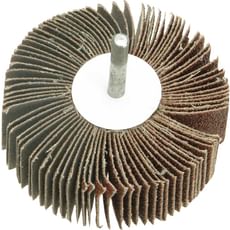
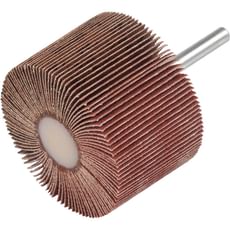
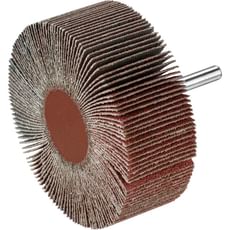
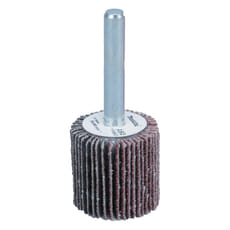
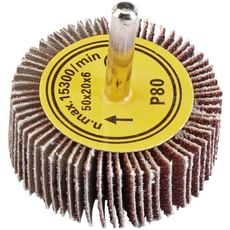
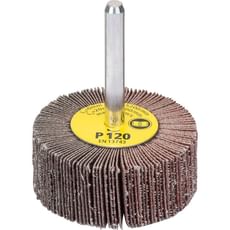
Flap wheels are versatile abrasive accessories designed for use with power drills and rotary tools, consisting of overlapping strips of abrasive material arranged radially around a central spindle or bore. These flexible sanding tools excel at smoothing, finishing, and deburring tasks on both curved and irregular surfaces where conventional sandpaper or rigid abrasives would struggle to conform. The selection at Tooled-Up.com includes trusted brands such as Makita, Bosch Professional, Stanley, Faithfull, Garryson, Draper, and Sealey, catering to both professional tradespeople and DIY enthusiasts.
The primary advantage of flap wheels lies in their self-sharpening design – as the outer layers of abrasive wear away during use, fresh abrasive material is continuously exposed, maintaining consistent cutting performance throughout their lifespan. This makes them considerably more cost-effective and efficient than traditional sanding methods. Available in various diameters (typically ranging from 30mm to 80mm), grit sizes, and abrasive materials including aluminium oxide and zirconium, flap wheels can tackle everything from paint and rust removal to fine finishing work on wood, metal, and composite materials.
Unlike flap discs which are designed for angle grinders and suited to larger surface areas, flap wheels are specifically engineered for drilling machines and excel at detailed work, internal surfaces, contours, and hard-to-reach spaces. Their flexible construction absorbs vibration and reduces operator fatigue compared to rigid abrasives, making them ideal for extended periods of use on site or in the workshop. The cylindrical shank design ensures compatibility with standard three-jaw drill chucks, providing secure mounting during operation.
Jargon Buster
- Grit Size: The number indicating the coarseness of the abrasive particles. Lower numbers (40-80 grit) represent coarse abrasives for heavy material removal, whilst higher numbers (120-320 grit) indicate fine abrasives for finishing and polishing work.
- Aluminium Oxide: A durable, general-purpose abrasive material suitable for both wood and metal applications. It's the most common abrasive type used in flap wheels and offers excellent value for money whilst maintaining consistent performance.
- Spindle Diameter: The size of the central shaft, typically 6mm in the UK, which must match your drill chuck capacity. Some flap wheels feature a threaded bore for mounting on mandrels for enhanced versatility.
- Flap Density: Refers to how tightly packed the abrasive strips are around the centre. Higher density wheels provide more aggressive cutting action and longer lifespan, making them ideal for professional applications.
- Surface Speed (SFM): The maximum safe operating speed, measured in surface feet per minute or RPM (revolutions per minute). Exceeding the manufacturer's recommended speed can cause wheel failure and potential injury.
- Conformability: The ability of the flap wheel to flex and adapt to irregular or curved surfaces, determined by the length and flexibility of the abrasive strips. Higher conformability suits intricate profiles and contoured workpieces.
Who Uses Flap Wheels?
Flap wheels are indispensable tools across numerous trades and industries:
- Metal Fabricators and Welders – for removing weld scale, smoothing seams, and deburring edges on steel and aluminium components
- Automotive Technicians and Body Shop Professionals – preparing surfaces for paint, removing rust, and finishing bodywork repairs to a high standard
- Joiners and Cabinet Makers – smoothing intricate woodwork, profiles, turned items, and edge chamfering on bespoke furniture
- Maintenance Engineers – general cleaning, rust removal, and surface preparation on machinery and equipment across industrial settings
- Plumbers and Pipefitters – deburring and smoothing pipe ends and fittings to ensure proper seals and prevent corrosion
- Restoration Specialists – working on furniture, metalwork, and automotive restoration projects requiring delicate material removal
- DIY Enthusiasts and Hobbyists – home improvement projects, furniture restoration, and craft work in domestic workshops
- Jewellers and Model Makers – fine finishing work on small, intricate components where precision is paramount
How to Choose the Right Flap Wheels
Selecting the appropriate flap wheel depends on several key factors:
Material Being Worked: Aluminium oxide flap wheels suit most wood and metal applications, whilst zirconium or ceramic abrasives are better for stainless steel and harder metals. Consider the base material's hardness and your required finish before making your selection.
Grit Selection: Start with 60-80 grit for heavy stock removal, rust elimination, or paint stripping. Progress to 120-180 grit for general smoothing and finishing, and use 240-320 grit for fine finishing work before painting or coating. Many professionals keep a range of grits to hand for different stages of work.
Wheel Diameter: Choose based on your application – smaller wheels (30-40mm) for detailed work and tight spaces, larger wheels (60-80mm) for broader surfaces and faster material removal. Ensure your drill has adequate power for larger diameters to maintain optimal performance.
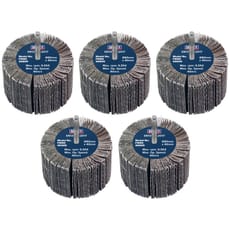
Spindle Size and Mounting: Verify compatibility with your drill chuck or mandrel. Most UK drills accommodate 6mm spindles, but always check before purchasing. Tooled-Up stocks convenient multi-packs from Sealey and Draper offering various sizes for different applications.
Brand Quality: Professional brands like Bosch Professional, Makita, and Garryson typically offer superior abrasive quality, consistent performance, and longer lifespan compared to budget alternatives, making them more economical for regular use despite higher initial cost.
Popular Accessories
- Drill Mandrels and Arbors – for mounting flap wheels with threaded bores and extending versatility
- Corded and Cordless Drills – Makita, DeWalt, and Milwaukee models provide variable speed control for optimal results across different materials
- Flap Discs – larger diameter alternatives for angle grinders and broader surface work on flat panels
- Sanding Drums – cylindrical alternatives for internal curves, holes, and concave surfaces
- Wire Wheels and Brushes – complementary cleaning and preparation accessories for removing loose rust and scale
- Dust Extraction Equipment – for maintaining a cleaner working environment and protecting respiratory health
- Safety Glasses and Face Shields – essential eye protection during sanding operations conforming to BS EN 166
- Respirators and Dust Masks – respiratory protection rated to HSE standards, particularly for wood dust and metal particles
Safety Information
Whilst flap wheels are relatively safe accessories, proper precautions are essential for protecting your health and preventing accidents:
Respiratory Protection: Many materials release harmful dust particles when sanded, including wood dust (classified as a carcinogen by HSE), metal particles, and coating residues. Always wear appropriate respiratory protection conforming to BS EN 149 standards. Be particularly cautious with older painted surfaces which may contain lead-based paint – these should not be sanded without professional guidance and proper COSHH assessment.
Eye Protection: Flying debris and dust particles pose serious eye injury risks. Wear safety glasses or goggles conforming to BS EN 166 at all times during operation. Consider a full face shield for extended work or when working overhead.
Speed Limits: Never exceed the manufacturer's maximum rated RPM. Operating flap wheels above their designed speed can cause catastrophic failure and serious injury. Match your drill speed to the wheel specification and use variable speed controls where available.
Secure Workpieces: Ensure materials are properly clamped or secured before sanding. Never hold small items in your hand whilst using power-driven abrasives, as this significantly increases injury risk.
Ventilation: Work in well-ventilated areas or use appropriate dust extraction equipment, particularly when working indoors or in confined spaces. HSE guidance recommends local exhaust ventilation for prolonged sanding operations.
Frequently Asked Questions
What's the difference between a flap wheel and a flap disc?
Flap wheels are designed for use with drills and feature a central spindle or bore, making them ideal for detailed work and contoured surfaces. Flap discs are larger, flat accessories designed for angle grinders, better suited to broader, flatter surface areas. Both use similar abrasive technology but serve different applications and mounting requirements.
How long do flap wheels last?
Lifespan varies considerably depending on application, material hardness, pressure applied, and abrasive quality. Professional-grade wheels from brands like Bosch Professional or Makita typically outlast budget alternatives. The self-sharpening design means they maintain effectiveness until completely worn down – when the abrasive strips are reduced to stubs, it's time to replace them.
Can I use flap wheels on wood and metal with the same wheel?
Whilst aluminium oxide flap wheels can technically work on both materials, it's best practice to dedicate separate wheels for wood and metal work. Metal particles embedded in the abrasive can scratch or damage wood surfaces, and wood resins can clog abrasives used on metal, reducing effectiveness significantly.
What drill speed should I use with flap wheels?
Most flap wheels perform best at medium speeds between 2,000-3,000 RPM, though you should always consult the manufacturer's specifications. Variable speed drills from Makita, DeWalt, or Milwaukee allow you to optimise speed for your specific application. Start slower and increase gradually to find the sweet spot that balances material removal with control.
Why does my flap wheel wear unevenly?
Uneven wear typically results from inconsistent pressure or holding the drill at an angle rather than perpendicular to the work surface. Apply even, moderate pressure and keep the wheel square to the material for uniform wear and optimal performance. Excessive pressure doesn't speed up material removal and actually reduces wheel life whilst increasing heat buildup.