

Flare Nut Spanners
Pay in 3 interest-free payments on purchases from £30-2000 with  . Learn more.
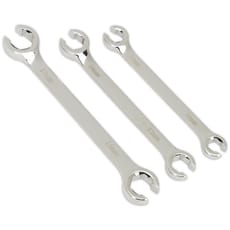
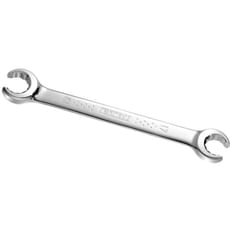
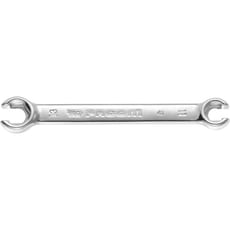
 Loading...
End of content
Error - No more pages to load
About Flare Nut Spanners
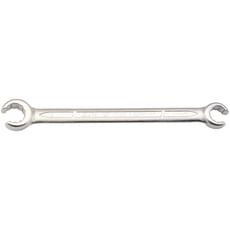
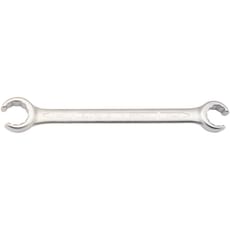
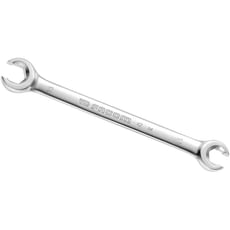
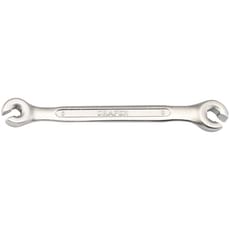
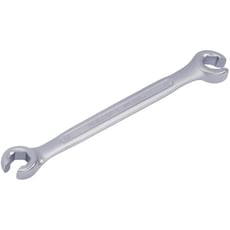
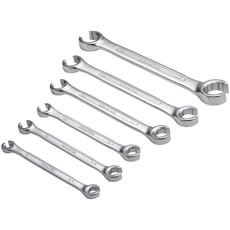
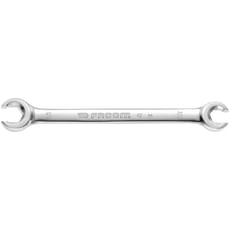
Flare nut spanners, also known as brake pipe spanners or line wrenches, are specialised tools designed specifically for working with hexagonal nuts on brake lines, fuel lines, and other hydraulic fittings. Unlike standard open-ended spanners, flare nut spanners feature a closed ring design with a small slot that allows the tool to slip over tubing or pipes whilst still gripping the nut on five of its six sides. This crucial design prevents the rounding-off of soft metal fittings – a common problem when using conventional spanners on brake and fuel line unions.
Available in both metric and imperial sizes, flare nut spanners are essential for automotive work, plumbing, and hydraulic systems maintenance. Tooled-Up.com stocks a comprehensive range including individual spanners, complete sets, and specialised designs such as flexible head and ratcheting models from trusted brands including Sealey, Draper, Facom, and Elora. Whether you're working on brake systems, air conditioning lines, or hydraulic equipment, these precision-engineered tools provide the grip and leverage needed without damaging delicate fittings.
Professional-grade flare nut spanners are typically manufactured from chrome vanadium steel with a polished chrome or satin finish for corrosion resistance. Many feature offset heads for improved access in confined spaces, whilst flexi-head variants offer additional manoeuvrability when working around obstacles. From compact 3-piece sets to comprehensive 6-piece collections, the selection available from Tooled-Up.com caters to both occasional DIY enthusiasts and professional technicians who demand reliable tools for daily workshop use.
Jargon Buster
- Flare Nut Design
- A ring spanner with a small slot cut into one side, allowing it to slip over brake lines and pipes whilst maintaining contact with five of the six sides of a hexagonal nut. This design provides superior grip compared to standard open-ended spanners and significantly reduces the risk of rounding off soft metal fittings.
- Flexi-Head/Flexible Head
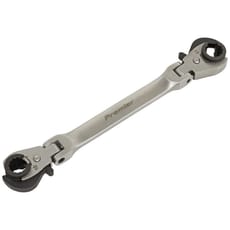
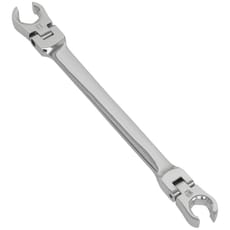
- A spanner with a pivoting head that can angle up to 180 degrees, providing improved access in tight spaces and around obstructions. Particularly useful when working on brake systems where access is restricted by suspension components or bodywork.
- Ratcheting Flare Nut Spanner
- An advanced design incorporating a ratchet mechanism within the spanner head, allowing continuous rotation without removing the tool from the nut. This speeds up work considerably when dealing with long-threaded connections or multiple fittings.
- Metric vs Imperial
- Refers to the measurement system used for the spanner sizes. Metric spanners (measured in millimetres) are standard on most modern European and Asian vehicles, whilst imperial sizes (measured in inches or AF – 'Across Flats') are found on older British vehicles and some American equipment.
- Chrome Vanadium (Cr-V)
- A steel alloy combining chromium and vanadium that offers exceptional strength, durability, and resistance to wear. This is the professional standard material for quality spanners, providing the toughness needed for regular workshop use without the brittleness of cheaper materials.
- Offset Design
- Spanners with heads angled at 15 to 45 degrees from the handle, allowing clearance for knuckles and improved access to recessed fittings. Essential when working on brake unions close to vehicle bodywork or chassis components.
Who Uses Flare Nut Spanners?
- Motor Vehicle Technicians: Essential daily tools for brake system repairs, hydraulic line maintenance, and fuel system work on cars, vans, and commercial vehicles
- MOT Testers: Required for brake pipe inspection and replacement work during annual testing procedures
- HGV and Plant Mechanics: Vital for maintaining hydraulic systems on lorries, buses, agricultural machinery, and construction equipment
- Mobile Mechanics: Compact sets fit easily in mobile toolkits for on-site brake and hydraulic repairs
- Motorcycle Technicians: Smaller metric sizes ideal for working on motorbike brake lines in confined spaces
- Heating Engineers and Plumbers: Useful for working on compression fittings and hydraulic connections in heating systems
- Air Conditioning Engineers: Essential for refrigerant line connections without damaging soft copper and aluminium fittings
- DIY Enthusiasts: Home mechanics performing brake maintenance, restoration work, or general vehicle repairs
- Agricultural Engineers: Maintaining hydraulic systems on tractors and farm equipment
How to Choose the Right Flare Nut Spanners
Metric or Imperial: First determine which measurement system you require. Modern European and Japanese vehicles use metric sizes (typically 8mm to 22mm), whilst older British vehicles and some American equipment require imperial sizes (3/16" to 3/4" AF). If you work on a variety of vehicles, consider investing in both metric and imperial sets.
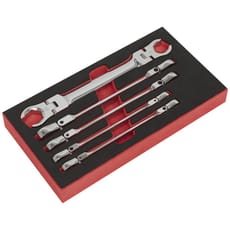
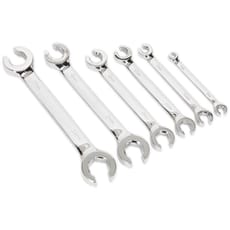
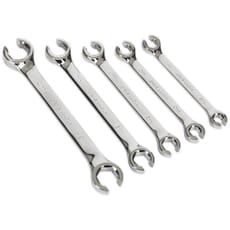
Individual Tools or Sets: For occasional use or specific applications, individual spanners offer economy. However, professional technicians and regular DIY users benefit from complete sets, which provide better value and ensure you have the right size for any job. Popular configurations at Tooled-Up include 3-piece, 5-piece, and 6-piece sets covering the most commonly encountered sizes.
Standard vs Flexible Head: Standard fixed-head spanners are perfectly adequate for most applications and offer the greatest strength. However, flexible head models provide significantly improved access in confined engine bays and around suspension components. For professional automotive work, a flexi-head set is an excellent investment that can save considerable time and frustration.
Ratcheting Mechanisms: Ratcheting flare nut spanners command a premium price but dramatically speed up work on long-threaded connections. The ability to work without removing the spanner from the nut is particularly valuable when access is restricted. Consider these for professional workshop use where time efficiency directly impacts profitability.
Build Quality and Brand: Professional-grade spanners from established brands like Facom, Sealey, Draper, and Elora offer superior durability, accurate sizing, and comfortable handling. Chrome vanadium construction with polished or satin chrome finish ensures longevity and corrosion resistance. Cheaper options may initially seem attractive but often suffer from poor fit tolerances that can round off nuts.
Handle Length and Offset: Consider the typical applications. Longer handles provide greater leverage for seized fittings but may prove awkward in tight spaces. Offset designs (typically 15 or 45 degrees) improve knuckle clearance and access to recessed fittings – particularly important for brake work on modern vehicles where unions are often positioned close to bodywork or chassis components.
Popular Accessories
- Brake Pipe Flaring Tools: Essential companion tools for creating professional flares when fabricating replacement brake lines
- Penetrating Fluid: Products like WD-40 or Plus Gas help free seized brake and fuel line unions before attempting removal
- Copper Grease: Anti-seize compound for protecting threads during reassembly and preventing future corrosion on brake fittings
- Brake Bleeding Kits: Required after any brake line work to remove air from the hydraulic system
- Tube Cutters: Clean cutting tools for copper and steel brake and fuel lines
- Inspection Mirror and Torch: Aids visibility when working on brake unions in difficult-to-see locations
- Tool Storage Solutions: Spanner rolls, foam drawer organisers, or tool cabinets to keep your flare nut spanners organised and protected
- Wire Brush: For cleaning threads and fittings before reassembly
- Protective Gloves: Essential PPE when working with brake fluid and other automotive chemicals
Safety Information
Brake Fluid Handling: Always wear protective gloves and eye protection when working with brake systems. Brake fluid is corrosive and can cause skin irritation and serious eye damage. It also attacks paintwork – immediately wash off any spills with water. Refer to COSHH guidelines for proper handling and disposal.
Correct Tool Selection: Always use the correctly sized flare nut spanner for the job. An ill-fitting tool can round off nut corners, creating a dangerous situation if the fitting cannot be properly tightened. This is particularly critical on brake systems where leaks can result in complete brake failure.
System Pressure: Never attempt to loosen hydraulic fittings whilst systems are under pressure. On air conditioning systems in particular, refrigerant must be safely recovered by a qualified technician before disturbing connections. Fuel systems should be depressurised before working on fuel lines.
Vehicle Support: When working underneath vehicles, always use appropriate axle stands – never rely solely on jacks. Ensure the vehicle is on level ground and properly supported before working on brake or fuel lines. Follow HSE guidelines for safe working practices.
Tool Condition: Regularly inspect spanners for wear, cracks, or damage. Worn or damaged tools are more likely to slip, potentially causing injury or damaging fittings. Replace any tools showing signs of deterioration.
Frequently Asked Questions
What's the difference between a flare nut spanner and a standard open-ended spanner?
A flare nut spanner has a ring design with a small slot, allowing it to grip five of the six sides of a nut whilst accommodating the brake or fuel line passing through. Standard open-ended spanners only contact two sides, making them far more likely to round off the soft metal nuts commonly used on hydraulic fittings. Flare nut spanners are specifically engineered to prevent damage to these delicate components.
Can I use flare nut spanners on regular nuts and bolts?
Whilst flare nut spanners can technically be used on standard nuts and bolts, they're not ideal for this purpose. The slot in the ring weakens the tool slightly compared to a fully closed ring spanner, and they may slip off under heavy torque. For maximum efficiency and tool longevity, use flare nut spanners for their intended purpose on brake lines, fuel lines, and similar fittings, and use ring spanners or sockets for general fastening work.
Do I need both metric and imperial flare nut spanners?
This depends entirely on the vehicles and equipment you work with. Modern European and Japanese vehicles exclusively use metric fittings, so a metric set will suffice. However, if you maintain classic British cars, American vehicles, or older equipment, you'll encounter imperial sizes. Professional workshops typically stock both to handle any situation, whilst home mechanics can often manage with just metric unless they specifically own older vehicles requiring imperial sizes.
Are flexible head flare nut spanners worth the extra cost?
For professional technicians and serious DIY enthusiasts, flexible head spanners offer excellent value despite their higher initial cost. The ability to angle the head significantly improves access in tight engine bays and around suspension components, often making the difference between completing a job easily or struggling for hours. They're particularly worthwhile if you regularly work on brake systems where access to unions can be severely restricted by surrounding components.
How do I prevent rounding off brake pipe nuts?
Always use a properly fitting flare nut spanner rather than an adjustable wrench or standard open-ended spanner. Ensure the tool is fully seated on the nut before applying force. For seized fittings, apply penetrating fluid and allow time to work before attempting removal. Use steady, controlled force rather than sudden jerks. If a nut is severely corroded or already partially rounded, consider using a six-point socket as a last resort, or carefully applying heat (being mindful of brake fluid flammability). Prevention through regular maintenance and use of copper grease on threads during assembly is always preferable to dealing with rounded fittings.