

Flash Back Arresters
Pay in 3 interest-free payments on purchases from £30-2000 with  . Learn more.
 Loading...
End of content
Error - No more pages to load
About Flash Back Arresters
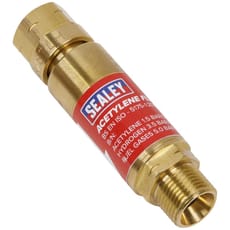
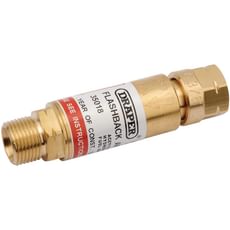
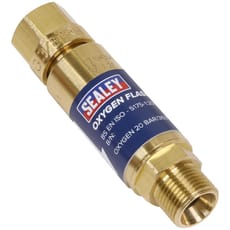
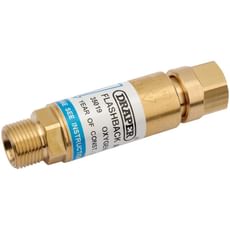
Flash back arresters are essential safety devices designed to protect welding and cutting equipment from dangerous reverse gas flow and flame propagation. When fitted between gas cylinders and torch equipment, these critical components prevent flames from travelling back through hoses towards the gas supply - a potentially catastrophic scenario that could result in cylinder explosions or serious injuries. During a flashback event, the arrestor's internal mechanism immediately shuts off gas flow and extinguishes the flame, providing vital protection for both equipment and operator.
The flash back arresters available from Tooled-Up.com feature robust brass construction with sintered flame arrestor elements and non-return valves that work in tandem to prevent dangerous reverse flow. These devices are specifically engineered for different gas types - oxygen arrestors for oxygen lines, and fuel gas arrestors for acetylene, propane, and LPG applications. With standard 3/8" BSP connectors, they integrate seamlessly into existing oxy-fuel welding and cutting setups, maintaining uninterrupted gas flow during normal operation whilst standing ready to activate instantly if flashback occurs.
For professional welders, fabricators, and metalworkers throughout the UK, installing appropriate flash back arresters isn't merely recommended practice - it's an essential safety requirement mandated by HSE guidelines and typically required by workshop insurance policies. Brands like Draper and Sealey manufacture their arrestors to comply with BS EN ISO 5175 standards, ensuring reliable protection that meets British and European safety requirements. Whether you're operating a busy fabrication workshop or tackling occasional metalwork projects, proper flashback protection on both oxygen and fuel gas lines provides indispensable peace of mind.
Jargon Buster
- Flashback
- A dangerous condition where flames travel backwards through the torch, hoses, or regulator towards the gas cylinder. Flashbacks can be triggered by incorrect gas pressures, overheating, blocked nozzles, or improper torch operation, and without arrestors can lead to cylinder explosions.
- Sintered Element
- A porous metal filter created by compressing and heating metal particles until they bond together. This flame barrier allows gas to pass through during normal operation but immediately stops flame propagation during a flashback event - the key protective component within the arrestor.
- Non-Return Valve
- A one-way valve mechanism that prevents reverse gas flow, stopping oxygen from entering fuel gas lines or vice versa. This prevents explosive gas mixtures from forming inside hoses, regulators, or cylinders - a critical secondary protection feature.
- BS EN ISO 5175
- The British and European safety standard specifying requirements and testing procedures for flash back arrestors used with oxy-fuel gas welding and cutting equipment. Compliance with this standard ensures devices meet stringent safety and performance criteria.
- 3/8" BSP Connectors
- British Standard Pipe thread fittings (3/8 inch diameter) that provide the standard connection interface between gas regulators, hoses, and arrestors on UK welding equipment. BSP threads ensure secure, gas-tight connections when properly assembled.
Who Uses Flash Back Arresters?
- Welders and Fabricators: Professional welders working with oxy-acetylene equipment in workshops, factories, and construction sites across the UK
- Metal Workers and Blacksmiths: Tradespeople using gas torches for heating, forming, and joining metal components in traditional and modern metalworking applications
- Plumbers and Heating Engineers: Professionals employing oxy-fuel equipment for pipe cutting, brazing, and soldering in domestic and commercial installations
- Agricultural and Plant Engineers: Maintenance engineers on farms and industrial sites who rely on gas cutting and welding equipment for machinery repairs
- Vehicle Restoration Specialists: Classic car restorers and body shop professionals using gas welding and cutting equipment for automotive fabrication
- Automotive Workshops: Mechanics and fabricators working on exhaust systems, chassis repairs, and custom modifications requiring oxy-fuel tools
- Sculptors and Metal Artists: Creative professionals using oxy-fuel equipment for artistic metalwork and sculpture fabrication
- Demolition and Salvage Contractors: Professionals employing cutting torches for dismantling metal structures, plant equipment, and salvage operations
- Maintenance Departments: In-house maintenance teams in manufacturing, utilities, and facilities management responsible for welding equipment safety
How to Choose the Right Flash Back Arresters
Gas Type Compatibility
The most critical consideration is selecting arrestors specifically designed for your gas type. Oxygen flash back arrestors must only be used on oxygen lines, whilst fuel gas arrestors are specifically engineered for acetylene, propane, or LPG. These are not interchangeable - each type has different specifications, materials, and pressure ratings suited to its particular gas. For complete protection, you'll need dedicated arrestors for both your oxygen and fuel gas lines.
Standards Compliance
Only purchase flash back arrestors that comply with BS EN ISO 5175 standards. This certification ensures the device has undergone rigorous testing and meets UK safety requirements. Reputable manufacturers like Draper and Sealey design their arrestors to meet these stringent standards, providing confidence in their protective capabilities and ensuring compliance with HSE guidelines and insurance requirements.
Connection Specifications
Verify that thread sizes and connection types match your existing equipment. Most UK welding equipment uses 3/8" BSP connectors, which is the standard fitting on quality flash back arresters. Check both the regulator outlet and hose connections to ensure compatibility. Clean threads and proper assembly using appropriate spanners are essential for gas-tight connections - never force components or overtighten as this can damage sealing faces.
Build Quality and Indicators
Look for robust brass construction with large sintered elements that can withstand extreme flashback conditions. Quality arrestors should feature clear visual indicators - typically a red flag or button that pops up when activated - alerting you that a flashback has occurred and the device requires attention. Consider whether the manufacturer provides serviceable models with replaceable components or sealed units requiring replacement after activation.
Installation Location
Flash back arresters can be fitted at the regulator outlet (immediately after the cylinder regulator) or inline within the hose system. Many professionals install arrestors at both locations for maximum protection - regulator-mounted units protect the cylinder and regulator assembly, whilst inline arrestors provide additional protection closer to the torch. This dual-location approach offers the highest level of safety for professional or high-use environments.
Popular Accessories
- Welding and Cutting Hoses: High-quality twin hoses specifically designed for oxy-fuel applications, available in various lengths with proper pressure ratings
- Gas Regulators: Oxygen and acetylene regulators with accurate pressure gauges for precise gas control and flow management
- Torch Sets: Complete welding and cutting torch assemblies with interchangeable nozzles for different material thicknesses and applications
- Hose Clips and Protectors: Securing devices and protective sleeves to prevent hose damage and ensure safe, leak-free connections
- Cutting and Welding Nozzles: Replacement tips in various sizes for different material thicknesses, cutting speeds, and welding techniques
- Striker Lighters: Flint-based spark generators designed specifically for safely igniting gas torches without matches or conventional lighters
- Cylinder Trolleys: Mobile storage and transport solutions for gas cylinders used on site or in workshops, ensuring safe handling
- Welding Goggles and Face Shields: Essential PPE with appropriate shade ratings for oxy-fuel work, protecting against intense light and sparks
- Heat-Resistant Gloves: Protective welding gauntlets for handling hot materials, torches, and workpieces during and after welding operations
- Leak Detection Fluid: Specialist solutions for checking gas connections and identifying potential leaks during equipment setup and maintenance
Safety Information
Flash back arresters are mandatory safety equipment when using oxy-fuel gas welding and cutting equipment, and their installation is strongly recommended by the Health and Safety Executive. Under the Pressure Systems Safety Regulations and general workplace safety duties, employers must ensure gas equipment is properly protected against flashback hazards. Even for DIY users, installing flash back arresters is essential - gas cylinder suppliers and insurance companies may refuse coverage if equipment isn't adequately protected.
Installation Requirements: Always install flash back arresters on both oxygen and fuel gas lines according to manufacturer's instructions. Ensure threads are clean and connections are gas-tight using appropriate spanners - never overtighten as this damages sealing faces. After installation, conduct a thorough leak test using approved leak detection fluid, never soapy water which can freeze or cause corrosion. Check that arrestors are oriented correctly with flow direction arrows aligned properly.
Regular Inspection and Maintenance: Inspect flash back arresters before each use for signs of damage, corrosion, or previous activation indicated by a popped-up red flag or button. If an arrestor has been activated during a flashback event, it must be inspected, serviced, or replaced according to manufacturer's guidance - never simply reset and continue using without proper checks. Keep arrestors clean and free from oil, grease, and contamination which can compromise their operation.
Understanding Limitations: Whilst flash back arresters provide crucial protection, they form one component of a comprehensive safety system. Always maintain correct working pressures, use properly maintained equipment, ensure adequate ventilation, keep torches and nozzles clean, and follow proper lighting and shutdown procedures. Regular training in oxy-fuel equipment use and flashback prevention is essential for all operators, whether professional tradespeople or experienced DIY enthusiasts.
Emergency Procedures: If a flashback occurs, immediately close the torch valves (fuel gas first, then oxygen), then close the cylinder valves. Allow the equipment to cool completely before inspection. Check that flash back arresters have operated correctly and investigate the cause of the flashback before resuming work. Common causes include blocked nozzles, incorrect pressures, overheating from prolonged use, or improper gas ratios. Document any flashback incidents and review procedures to prevent recurrence.
Frequently Asked Questions
Do I really need flash back arresters on both gas lines?
Yes, absolutely. Both oxygen and fuel gas lines require their own specific flash back arresters. A flashback can occur on either line, and each gas type requires an arrestor designed for its particular properties, pressures, and safety characteristics. Installing arrestors on both lines provides comprehensive protection for your equipment and, more importantly, for you. This dual protection is considered best practice by the HSE and is required by most workplace safety policies and insurance providers throughout the UK.
How do I know if a flash back arrestor has been activated?
Most modern flash back arresters feature a visual indicator - typically a red flag or button that pops up when the device has been triggered by a flashback event. You may also notice that gas flow has stopped or is significantly restricted. If your arrestor has been activated, you must not simply reset it and carry on working. The device should be inspected according to the manufacturer's instructions, and you should investigate what caused the flashback before resuming work. Tooled-Up stocks arrestors from Draper and Sealey that feature clear visual indicators for easy status monitoring.
Can flash back arresters be serviced or do they need replacing after activation?
This depends on the specific model and manufacturer. Some flash back arresters are designed to be serviceable with replaceable sintered filter elements and seals, whilst others are sealed units requiring complete replacement after activation. Quality brands provide clear guidance in their documentation about serviceability. Even serviceable models should be professionally inspected after a flashback event to ensure all components - including the sintered element, non-return valve, and sealing components - remain in safe working condition before being returned to service.
Where should flash back arresters be installed - at the regulator or torch end?
For optimal protection, many professionals install flash back arresters at both locations. Regulator-mounted arrestors (fitted immediately after the cylinder regulator) protect the cylinder and regulator assembly from flashback damage, whilst inline arrestors provide additional protection closer to the point of use. At minimum, arrestors should be fitted at the regulator end, but the dual-location approach offers the highest level of safety, particularly in professional workshops or high-use environments where equipment operates for extended periods.
What's the difference between oxygen and fuel gas arrestors?
Oxygen and fuel gas flash back arresters are engineered differently for their specific applications. Oxygen arrestors use materials and specifications suited to high-pressure oxygen environments and are designed to prevent oxygen-fed fires. Fuel gas arrestors for acetylene, propane, or LPG have different internal components, pressure ratings, and sintered element specifications appropriate to those gases and their combustion characteristics. Never use an oxygen arrestor on a fuel line or vice versa - they are not interchangeable, and using the wrong type compromises your safety and invalidates the device's BS EN ISO 5175 certification.