

Flashband

Pay in 3 interest-free payments on purchases from £20-£3000 with  . Learn more.
 Loading...
End of content
Error - No more pages to load
About Flashband
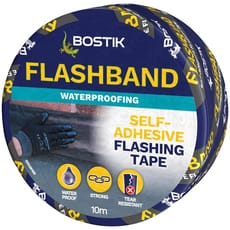
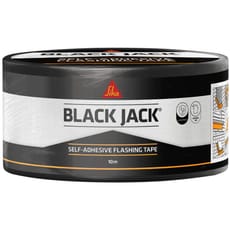
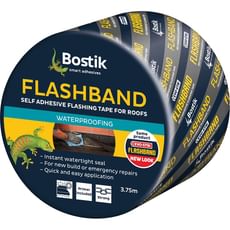
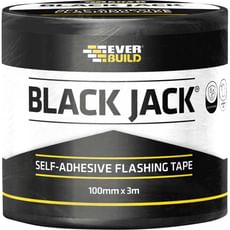
Flashband is a self-adhesive flashing tape that provides instant weatherproof sealing for roofing repairs, vulnerable joints, and areas prone to water ingress. This versatile building material consists of a modified bitumen compound with a durable aluminium or polyester surface layer, offering excellent protection against British weather conditions. Unlike traditional lead flashing that demands specialist tools and skills, flashband can be applied quickly by pressing it firmly onto clean, prepared surfaces, creating an effective waterproof barrier in minutes rather than hours.
The product range at Tooled-Up.com includes trusted manufacturers such as Everbuild, Evo-stik, and Denso, each offering high-performance flashing tapes suited to different applications. Whether sealing around chimneys, repairing cracked guttering, waterproofing conservatory roofs, or creating weatherproof joints between dissimilar building materials, flashband delivers reliable protection for both professional tradespeople and DIY enthusiasts. Available in various widths from 75mm to 300mm and in different lengths, these products can be cut to size and moulded around awkward shapes and contours.
The self-adhesive backing eliminates the need for heat guns or torches in most applications, though using a primer on porous surfaces significantly improves adhesion and longevity. Many flashband products come with extended guarantees when correctly applied, making them a cost-effective alternative to traditional flashing methods. The aluminium-faced variants offer superior UV resistance and can be painted to match surrounding materials once fully cured, whilst maintaining excellent flexibility across wide temperature ranges.
Jargon Buster
- Flashing: Weatherproofing material installed at roof junctions, chimneys, and wall abutments to prevent water penetration at vulnerable points where different building elements meet.
- Self-Adhesive Backing: A pressure-sensitive adhesive layer protected by release paper that allows the flashband to bond firmly to clean, dry surfaces without requiring heat application or additional adhesives.
- Bitumen Base: The primary waterproofing component consisting of modified bitumen that remains flexible in varying temperatures whilst providing excellent water resistance and durability.
- Primer: A preparatory coating applied to porous or dusty surfaces before flashband installation to seal the substrate, improve adhesion, and ensure a lasting bond between tape and surface.
- Aluminium Facing: The protective metal surface layer on premium flashband products that reflects UV rays, resists tearing and puncturing, and can be painted to match surrounding building materials.
- Cold Application: Installation method where flashband is applied at ambient temperature without torches or heat guns, making it safer and more accessible than traditional hot-applied roofing materials.
Who Uses Flashband?
Flashband is an essential product for numerous construction and maintenance professionals, including:
- Roofers and roofing contractors performing repairs, installations, and maintenance work on domestic and commercial properties
- General builders requiring quick weatherproofing solutions during construction, renovation, and restoration projects
- Property maintenance professionals and facilities managers responsible for ongoing building upkeep and emergency repairs
- Plumbers sealing around soil pipes, vent stacks, boiler flues, and other roof penetrations
- Carpenters and joiners weatherproofing joints between timber and masonry or creating watertight seals around external woodwork
- Window and conservatory fitters creating reliable weather seals around installations and glazing units
- Local authority maintenance teams carrying out repairs on council properties and social housing
- DIY enthusiasts and homeowners tackling roofing repairs and home improvement projects
- Groundworkers waterproofing below-ground structures, foundations, and basement installations
- Shop fitters and commercial contractors requiring quick weatherproofing on tight project schedules
How to Choose the Right Flashband
Surface Type: Identify the material you'll be adhering to. Smooth, non-porous surfaces like metal, glass, and PVC generally don't require primer, whilst porous materials such as brick, concrete, timber, roofing felt, and render benefit significantly from primer application to ensure proper adhesion and longevity.
Width and Coverage: Flashband typically comes in widths ranging from 75mm to 300mm or wider. Measure the area requiring coverage and select a width that provides adequate overlap on both sides of joints or cracks. For larger areas, wider rolls reduce installation time and minimise the number of seams that could potentially fail.
Application Temperature: Check manufacturer specifications for minimum application temperatures. Most flashband products require temperatures above 5°C for proper adhesion, though some specialist formulations work in colder conditions. Always avoid applying in wet conditions or when rain is forecast within 24 hours of installation.
Colour and Finish: Products are commonly available in grey, black, or aluminium finishes. Consider visual appearance if the flashing will be visible from ground level, though most flashband can be overpainted once fully cured to match surrounding materials and improve aesthetics.
Expected Lifespan: Premium products with reinforced backing materials and superior bitumen compounds offer longer guarantees and better UV resistance. For critical applications or difficult-to-access areas, investing in higher-quality flashband from brands like Denso or Everbuild reduces the likelihood of premature failure and costly callbacks.
Primer Requirements: Some flashband products include primer in the package, whilst others require separate purchase. Tooled-Up stocks compatible primers that ensure optimal performance, particularly essential when working with porous surfaces where primer application directly affects product lifespan.
Popular Accessories
- Flashband Primer: Essential for porous surfaces including brick, concrete, timber, and roofing felt to ensure proper adhesion and maximise product lifespan
- Utility Knives and Trimmers: Sharp cutting tools for accurately sizing flashband to requirements and achieving clean, professional edges
- Seam Rollers: Hand rollers that ensure firm contact, eliminate air bubbles, and improve adhesion during application
- Wire Brushes: For cleaning and preparing surfaces, removing loose material and debris before flashband installation
- Paint Brushes: For applying primer evenly to porous substrates and ensuring comprehensive coverage
- Roofing Sealants: Complementary sealants for joints, fixing points, and areas requiring additional weatherproofing
- Lead Flashing: Traditional alternative for heritage projects, conservation work, or situations requiring shaped flashing profiles
- Roofing Felt: Often used in conjunction with flashband for comprehensive weatherproofing systems
- Safety Harnesses and Equipment: Essential PPE when working at height during roof repairs and installations
- Scaffold Towers and Ladders: Safe access equipment for reaching roof areas and working comfortably at height
Safety Information
When working with flashband, always observe proper health and safety practices, particularly as application frequently involves working at height on roofs or ladders. Ensure full compliance with HSE guidance on working at height, using appropriate access equipment, edge protection, and fall arrest systems where necessary. Never work on roofs in wet, icy, or windy conditions that could compromise safety.
Flashband contains bitumen-based materials that can cause skin irritation in some individuals. Wear appropriate protective gloves during application and handling. Ensure adequate ventilation when working in confined spaces, as bitumen products can release vapours, particularly in warm conditions. If using primers or solvents, always check COSHH data sheets and follow manufacturer safety recommendations regarding ventilation, protective equipment, and fire precautions.
Dispose of release paper backing and waste materials responsibly according to local authority guidelines. Keep flashband and associated primers away from naked flames and sources of ignition during storage and use. Store products in a cool, dry place away from direct sunlight to maintain quality and prevent premature ageing of the adhesive layer. Observe proper manual handling techniques when moving larger rolls to avoid strain injuries.
Frequently Asked Questions
Can flashband be applied in cold weather?
Most flashband products require a minimum application temperature of 5°C to 10°C for proper adhesion, though some specialist cold-weather formulations work at lower temperatures. The surface must be completely dry and free from frost or ice. For best results, store flashband in a warm location before use during colder months, as this makes it more pliable and easier to apply. Avoid application when temperatures are forecast to drop below freezing within 24 hours of installation, as this can affect the curing process and long-term adhesion.
Do I need to use primer with flashband?
Primer is essential when applying flashband to porous surfaces such as brick, concrete, timber, roofing felt, and other absorbent materials. The primer seals the surface, prevents substrate moisture affecting adhesion, and significantly improves bond strength and longevity. Non-porous surfaces like metal, glass, PVC, and glazed tiles generally don't require primer, though all surfaces must be clean, dry, and free from grease, dust, or contaminants for successful application.
How long does flashband last once installed?
When properly applied to correctly prepared surfaces, quality flashband products typically last 10-15 years or longer, with some premium products offering guarantees of up to 20 years. Lifespan depends on factors including surface preparation quality, correct primer use, exposure to UV light, temperature extremes, and mechanical stress. Regular inspection and prompt repair of any damage will maximise the effective life of flashband installations and prevent minor issues developing into major leaks.
Can flashband be painted over?
Yes, most flashband products can be painted once they've fully cured, typically after 24-48 hours depending on temperature and humidity. This allows you to match the flashband to surrounding materials for improved aesthetics on visible applications. Use paint suitable for exterior use on bitumen-based surfaces, such as solar-reflective roof coatings or exterior masonry paints. Painting can also provide additional UV protection and extend the lifespan of the installation.
What's the difference between aluminium-faced and polyester-faced flashband?
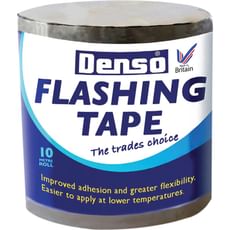
Aluminium-faced flashband, such as the Denso Flashing Tape, offers superior puncture resistance, tensile strength, and UV protection. The metal facing reflects sunlight, reducing heat absorption and extending product life. It's ideal for exposed locations and professional installations. Polyester-faced variants are typically more economical, still offering good weather protection but with slightly reduced durability in harsh conditions. For critical applications or difficult-to-access areas, aluminium-faced products represent better long-term value despite higher initial cost.