

Flawfinders & Spatter Release Products
Pay in 3 interest-free payments on purchases from £30-2000 with  . Learn more.
 Loading...
End of content
Error - No more pages to load
About Flawfinders & Spatter Release Products
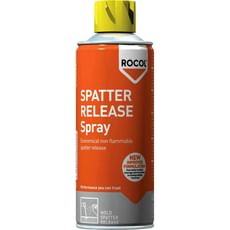
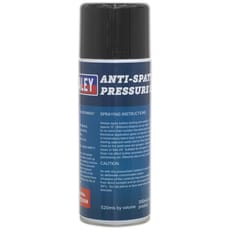
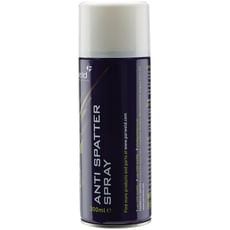
Flawfinders and spatter release products are essential welding consumables that protect equipment and workpieces during MIG, TIG, and arc welding operations. Anti-spatter sprays create a protective barrier preventing molten metal droplets from adhering to welding nozzles, contact tips, workbenches, and surrounding surfaces. This protective coating dramatically reduces post-weld cleaning time whilst extending the lifespan of expensive welding equipment by preventing the build-up of hardened spatter that can compromise performance and precision.
These specialist aerosols and pressure sprays feature silicone-free formulations that won't contaminate the weld zone or interfere with subsequent paint finishes and surface treatments—critical considerations for professional fabricators and automotive repair specialists. The range at Tooled-Up includes water-based, non-toxic options from trusted brands including Draper, Rocol, and Sealey, each developed through extensive workshop testing to deliver consistent protection across all common welding processes.
Regular application of anti-spatter spray significantly reduces downtime spent scraping and chipping away solidified metal debris, improving productivity and maintaining weld quality. For professional welders working on high-volume production runs or intricate fabrication projects, these products represent a cost-effective investment that pays dividends through reduced consumable costs, extended equipment life, and improved workflow efficiency.
Jargon Buster
- Anti-Spatter Spray: A protective coating applied to welding equipment and surrounding surfaces to prevent molten metal droplets from adhering during the welding process. Creates a heat-resistant barrier that allows spatter to be easily brushed away rather than chipped or filed.
- Spatter: Small droplets of molten metal expelled during welding that can stick to the workpiece, welding torch, and nearby surfaces. Excessive spatter indicates poor welding technique or incorrect parameter settings and increases consumable costs.
- Silicone-Free Formula: Anti-spatter products formulated without silicone compounds, ensuring they won't contaminate welds or interfere with subsequent painting, powder coating, or other surface finishing processes—essential for automotive and architectural metalwork.
- Contact Tip: The copper component at the end of a MIG welding torch that transfers electrical current to the welding wire. Particularly vulnerable to spatter build-up, which causes wire feeding problems and poor arc stability.
- Water-Based Formula: Environmentally preferable anti-spatter products using water as the carrier medium rather than petroleum-based solvents, reducing harmful emissions and workplace exposure risks. Typically non-flammable and non-toxic.
- Pressure Spray Bottle: Manually-pumped spray containers offering controlled application and better economy for high-volume workshop use compared to aerosol cans, whilst reducing environmental impact from propellants.
Who Uses Flawfinders & Spatter Release Products?
- Fabricators and Structural Steelworkers: Professional welders in manufacturing and construction who perform high-volume welding operations and need to maintain equipment efficiency and minimise downtime.
- Agricultural Engineers: Tradespeople repairing farm machinery and equipment who require reliable spatter protection when working on heavy-duty repairs in workshop environments and field conditions.
- Automotive Repair Technicians: Panel beaters and vehicle restoration specialists who need clean welds and protected surfaces during bodywork repairs, particularly when components require subsequent painting.
- Maintenance Engineers: Site maintenance teams in factories, plants, and industrial facilities who carry out repair welding as part of routine maintenance programmes and emergency breakdown repairs.
- General Engineers: Workshop-based engineers undertaking custom fabrication projects, machinery repairs, prototype development work, and jobbing fabrication for diverse clients.
- Mobile Welders: Self-employed welders working on customer sites who need portable, convenient spatter protection for gate repairs, railings, and structural steelwork.
- DIY Enthusiasts: Home welders working on garden projects, vehicle restoration, or general metalworking who want to achieve professional results and protect their equipment investment.
- Educational Institutions: Colleges and training centres teaching welding skills who need to maintain student equipment and demonstrate proper workshop practices to apprentices.
How to Choose the Right Flawfinders & Spatter Release Products
Application Format: Consider whether an aerosol spray or pressure spray bottle best suits your working environment. Aerosols offer convenience and quick application for mobile work and site-based welding, whilst larger pressure spray bottles available from Tooled-Up.com provide better value for high-volume workshop use and allow for more controlled, economical application.
Silicone Content: Always select silicone-free formulations when welding components that will subsequently undergo painting, powder coating, or any surface treatment. Silicone contamination causes serious adhesion problems and surface defects that are difficult and expensive to rectify, particularly problematic in automotive and architectural applications.
Work Volume: Match the product size to your typical usage patterns. For occasional DIY welding, a standard 300ml aerosol can will suffice, but professional fabricators undertaking daily welding work benefit from larger capacity pressure spray bottles that offer better economy and reduce packaging waste.
Formulation Type: Water-based formulations offer environmental advantages and improved workplace safety compared to solvent-based products. Non-toxic and non-flammable options are particularly suitable for confined spaces and environments where ventilation may be limited, though adequate extraction remains essential for welding fumes.
Welding Process Compatibility: Whilst most anti-spatter products work effectively across MIG, TIG, and arc welding processes, verify compatibility with your specific welding method. MIG welding typically generates more spatter and may require more frequent application, particularly at higher current settings.
Brand Reputation: Trusted brands like Draper, Rocol, and Sealey have developed their formulations based on extensive workshop testing and professional feedback. These established manufacturers ensure consistent performance and reliable protection backed by technical support.
HSE and COSHH Compliance: Check that products comply with UK workplace safety regulations, particularly regarding volatile organic compound (VOC) content and proper ventilation requirements during application and welding. Consult COSHH data sheets before first use in commercial workshops.
Popular Accessories
- MIG Welding Consumables: Contact tips, shrouds, and nozzles that benefit from regular anti-spatter spray application to extend service life and maintain consistent arc performance
- Welding Nozzle Cleaners: Specialist pliers and reamers for removing accumulated spatter from torch components and maintaining optimal gas flow
- Wire Brushes: Stainless steel and brass brushes for cleaning welded surfaces and removing loose spatter before painting or further fabrication
- Chipping Hammers: Essential tools for removing slag and hardened spatter from completed welds, particularly in arc welding applications
- Welding Blankets and Mats: Heat-resistant fabrics that protect work surfaces and benefit from anti-spatter spray treatment to prevent damage and simplify cleaning
- Welding Magnets: Positioning aids and fabrication clamps that can be protected from spatter build-up with regular spray application
- PPE and Workwear: Welding gloves, aprons, and protective clothing from brands like Portwest and Scruffs to protect against spatter burns and heat exposure
- Workshop Cleaners and Degreasers: Complementary products for maintaining a clean welding environment and preparing surfaces for fabrication
Safety Information
Anti-spatter sprays are pressurised aerosol products requiring careful handling and storage. Always apply in well-ventilated areas and avoid inhalation of spray mist. Store away from heat sources, naked flames, and welding equipment when not in use, as products may be flammable until the carrier evaporates—though water-based formulations offer improved safety characteristics.
Consult the product's COSHH data sheet before first use and ensure all operators understand proper application techniques and HSE requirements. Never spray directly onto hot surfaces or operating welding equipment. Allow the product to dry completely before commencing welding to prevent combustion or excessive fumes, typically requiring 2-3 minutes drying time.
Wear appropriate eye protection during application to prevent spray contact with eyes. Disposable gloves are recommended when handling these products regularly to avoid skin irritation. Always ensure adequate workshop ventilation meets HSE guidelines for welding fume extraction and general air quality—anti-spatter spray does not replace the need for proper extraction equipment.
Keep aerosol cans away from direct sunlight and do not expose to temperatures exceeding 50°C. Do not pierce or burn empty containers, even after use. Dispose of empty containers in accordance with local authority guidelines for pressurised aerosol waste and follow workplace waste segregation procedures.
Frequently Asked Questions
How often should I apply anti-spatter spray during welding?
Application frequency depends on your welding intensity and duration. For continuous MIG welding, reapply every 15-20 minutes or when you notice spatter beginning to stick to the nozzle. For lighter intermittent work, a single application may last an entire session. Always reapply after cleaning your torch nozzle with specialist cleaning pliers, as this removes the protective coating along with accumulated spatter.
Will anti-spatter spray affect my weld quality or strength?
No, when properly applied to external surfaces only, anti-spatter spray does not contaminate the weld pool or affect joint strength or penetration. Ensure spray is kept away from the actual welding area and contact tip opening. Allow the product to dry completely before striking the arc to achieve optimal results and prevent any interaction with the welding process.
Can I use anti-spatter spray on stainless steel workpieces?
Yes, silicone-free anti-spatter sprays are safe for use on stainless steel and won't cause contamination issues that could compromise corrosion resistance. However, apply sparingly and only to areas where spatter protection is needed, not directly onto the intended weld zone. Clean any overspray from the weld preparation area before welding begins to maintain joint quality.
What's the difference between aerosol and pressure spray bottles?
Aerosol cans use propellant gas for convenient one-handed operation and fine mist application, ideal for mobile work and reaching awkward areas around complex fabrications. Pressure spray bottles require manual pumping but offer better economy for workshop use, more controlled application, and reduced environmental impact from propellants—a 1-litre pressure spray typically outlasts several aerosol cans.
Do I still need to clean my welding torch if I use anti-spatter spray?
Yes, anti-spatter spray significantly reduces adhesion but doesn't eliminate all spatter accumulation. Regular torch maintenance remains essential for optimal welding performance and consistent arc characteristics. However, cleaning becomes much quicker and easier, with spatter typically brushing away rather than requiring scraping, filing, or aggressive reaming that can damage copper contact tips.