

Flicker Machines
Pay in 3 interest-free payments on purchases from £30-2000 with  . Learn more.


 Loading...
End of content
Error - No more pages to load
About Flicker Machines
Flicker machines, also known as Tyrolean flicker machines or roughcast applicators, are specialised rendering tools designed to apply textured coatings to exterior and interior walls. These machines create the distinctive spattered or rough-cast finish that's popular for both decorative purposes and weather protection on building facades. By propelling coating material through a rotating roller mechanism, flicker machines deliver a consistent, professional finish that would be time-consuming and difficult to achieve by hand. The technique originated in the Tyrol region of Austria and has become a staple method for creating durable, textured wall surfaces throughout the UK.
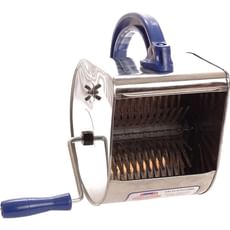
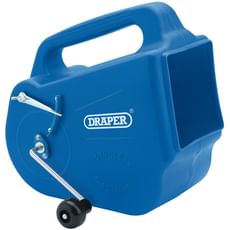
Tooled-Up.com stocks a comprehensive range of flicker machines including both manual hand-operated models and motorised versions from trusted brands like Draper and Faithfull. These tools are essential for applying Tyrolean render, masonry paint, and various textured coatings to achieve that characteristic pebble-dash or stippled effect. Whether you're working on restoration projects, new builds, or simply adding decorative texture to walls, flicker machines offer a faster, more uniform application method compared to traditional rendering techniques. Manual models like the Faithfull hand wall coating sprayer feature heavy-duty stainless steel construction with adjustable ratchet pressure bars, whilst motorised Draper machines significantly increase productivity on larger-scale projects.
Essential spare parts including replacement rollers for popular Draper models are available at Tooled-Up, ensuring your equipment maintains peak performance throughout demanding projects. These machines are built to withstand the abrasive nature of sand-cement renders and masonry coatings, with corrosion-resistant components designed for prolonged exposure to moisture-laden materials. The rotating roller or comb mechanism picks up coating material from the hopper and flicks it onto the wall surface, creating textures ranging from fine stippling to heavy roughcast effects depending on roller design and application technique.
Jargon Buster
- Tyrolean Finish – A textured wall coating technique originating from the Tyrol region of Austria, creating a distinctive spattered or stippled appearance on rendered surfaces. The finish provides both decorative appeal and weather resistance, making it popular for UK building facades.
- Roughcast – A traditional exterior wall coating method where small stones or aggregate are embedded in the render to create a rough, textured surface. Flicker machines can replicate this effect efficiently compared to manual application methods.
- Flicker Roller – The rotating component of the machine that picks up coating material and propels it onto the wall surface. Different roller designs create varying texture patterns and coverage rates. Replacement rollers are available for specific machine models as wear items.
- Hopper Capacity – The volume of coating material the machine's container can hold, typically measured in litres. Larger capacities reduce the frequency of refilling during application, improving productivity on extensive wall areas.
- Masonry Coating – Specialist paints and renders formulated for application to brick, stone, concrete, and rendered surfaces. These products often contain aggregate for texture and enhanced durability against weathering.
- Application Rate – The speed at which coating material can be applied to a given wall area, typically measured in square metres per hour. This varies based on coating thickness, material consistency, and whether using manual or motorised machines.
Who Uses Flicker Machines?
Flicker machines are essential tools for various construction and maintenance professionals:
- Plasterers and Renderers – applying textured finishes to new builds and renovation projects across residential and commercial properties
- Exterior Decorators – creating decorative rough-cast and stippled effects on building facades for aesthetic enhancement
- Building Contractors – completing weather-resistant exterior coatings on construction projects requiring durable wall protection
- Property Maintenance Teams – refurbishing and recoating aged rendered surfaces on housing estates and commercial buildings
- Restoration Specialists – matching traditional Tyrolean finishes on period properties and conservation projects
- DIY Enthusiasts – tackling exterior home improvement projects requiring textured wall finishes for enhanced kerb appeal
- Concrete Repair Specialists – applying protective coatings to concrete structures requiring weatherproofing and decorative finish
How to Choose the Right Flicker Machines
Selecting the appropriate flicker machine depends on several practical considerations:
Manual vs. Motorised: Hand-operated flicker machines like the Faithfull models offer excellent control for smaller projects and areas where mains power isn't readily available. These manual applicators are lightweight, portable, and ideal for touch-up work or occasional use. Motorised versions, such as Draper's Tyrolean machines, significantly speed up application on larger wall areas, though they require access to 240v power supplies and are better suited to professional contractors working on extensive facades.
Project Scale: For small-scale DIY work or touching up existing finishes, a hand-operated model provides adequate performance without the expense of motorised equipment. Professional contractors working on multiple properties or extensive commercial facades will benefit from the increased productivity of motorised machines, which can achieve coverage rates of 20-40 square metres per hour compared to slower manual application.
Coating Type: Ensure your chosen machine is compatible with your intended coating material. Most flicker machines handle standard masonry paints and thin renders effectively, but heavier aggregate mixes may require more robust motorised models with appropriate roller designs. Check the manufacturer's specifications for maximum aggregate size and coating viscosity recommendations.
Hopper Capacity: Larger hoppers reduce refilling frequency, which is particularly valuable on sizeable projects where constant interruptions affect productivity. However, consider the additional weight when filled with render material and whether this affects manoeuvrability for overhead or awkward areas. Typical capacities range from 4 to 10 litres.
Spare Parts Availability: Rollers and combs wear over time, especially with abrasive coating materials containing sand and aggregate. Brands like Draper offer readily available spare rollers for specific machine models, ensuring your investment remains productive long-term. Always check that replacement parts are stocked before purchasing to avoid future availability issues.
Build Quality: Look for corrosion-resistant construction, particularly stainless steel or powder-coated components, as these machines regularly contact moisture-laden render materials that can cause rust and degradation. Heavy-duty construction ensures longevity when used with abrasive sand-cement renders on demanding site work.
Popular Accessories
- Replacement Rollers – essential wear items available for specific Draper machine models, maintaining consistent texture application
- Mixing Paddles – for preparing coating materials to the correct consistency for optimal flicking performance
- Mixing Buckets – large-capacity containers for batching render and coatings in suitable quantities
- Masking Film and Tape – protecting windows, doors, and adjacent surfaces from overspray during application
- Drop Cloths and Sheeting – covering ground areas, paving, and landscaping during exterior rendering work
- Extension Leads – providing 240v power access for motorised machines on larger sites and scaffolding platforms
- Cleaning Brushes – maintaining equipment between uses and preventing material build-up in hopper and roller mechanisms
- Safety Goggles and Face Masks – personal protective equipment for safe operation when working with airborne particles
- Work Gloves – protecting hands from abrasive coating materials and alkaline render mixes
- Protective Coveralls – keeping clothing clean from inevitable splatter during flicker machine operation
Safety Information
Using flicker machines safely requires attention to several important considerations:
Personal Protective Equipment: Always wear appropriate eye protection, as the flicking action creates airborne droplets and particles that can cause eye irritation or injury. A dust mask or respirator is essential when working with materials containing fine aggregates, cement, or additives. Waterproof gloves protect skin from prolonged contact with alkaline render materials, which can cause dermatitis and chemical burns. Protective coveralls prevent coating splatter from contaminating clothing and skin.
Electrical Safety: When using motorised machines, ensure all electrical connections comply with UK standards. Use 240v equipment via RCD-protected supplies, particularly on construction sites where moisture and weather exposure increase electrical risks. Never operate electrical equipment in wet conditions or with damp hands. Regularly inspect power cables for damage before use and ensure extension leads are appropriately rated for the machine's power consumption.
Working at Height: Flicker machines are often used from scaffolding, ladders, or mobile elevated work platforms. Follow HSE guidelines for working at height, ensuring stable footing and proper access equipment. Never overreach, which can cause loss of balance when handling loaded machines. Secure the machine when working from ladders to prevent dropping onto people or property below.
Material Handling: Masonry coatings and renders can be heavy when mixed, with filled hoppers weighing several kilograms. Follow COSHH guidelines for handling construction materials, and be aware of material safety data sheets for specific products being applied. Cement-based renders are alkaline and require appropriate skin protection. Lift filled machines using proper manual handling techniques to avoid back strain.
Overspray Control: Adequately mask and protect surrounding areas, vehicles, windows, and landscaping. The flicking action creates significant overspray that can travel several metres in windy conditions. Work on calm days where possible, and always warn neighbours before commencing work on party walls or adjacent properties. Clean any overspray from vehicles, glass, and sensitive surfaces immediately before it dries.
Frequently Asked Questions
What thickness of coating can flicker machines apply?
Most flicker machines apply coatings between 3-6mm thick per pass. The exact thickness depends on the material consistency, roller speed, and distance from the wall during application. Multiple passes can build up thicker finishes if required, though excessively thick applications may sag or crack during curing. For best results, follow the coating manufacturer's recommendations for application thickness.
Can I use a flicker machine for interior walls?
Yes, flicker machines work well for interior feature walls and creating textured finishes in hallways, living rooms, or commercial spaces. However, the overspray requires extensive masking of floors, ceilings, and adjacent surfaces with protective sheeting. Ensure adequate ventilation when working indoors with solvent-based coatings, and consider the cleanup implications before starting interior work.
How do I clean a flicker machine after use?
Clean immediately after use before materials dry and harden. Dismantle the hopper and roller assembly according to the manufacturer's instructions, then wash thoroughly with water for water-based coatings or appropriate solvent for solvent-based products. Pay particular attention to the roller mechanism where material can accumulate and harden, affecting future performance. Dry all components before reassembly to prevent corrosion.
What's the coverage rate I can expect?
Coverage varies significantly based on coating thickness, application technique, and machine type. Experienced users typically achieve 20-40 square metres per hour with motorised machines on straightforward wall surfaces. Hand-operated models are slower but still considerably faster than brush or trowel application. Factors affecting coverage include wall preparation quality, coating consistency, and operator experience.
Do different rollers create different textures?
Yes, roller design significantly affects the final texture. Coarser rollers with larger openings create heavier stippling and more pronounced roughcast effects, whilst finer rollers produce more delicate, subtle textures. Adjusting the material consistency, application distance from the wall, and flicking speed also influences the final appearance. Replacement rollers for different effects are available for many machine models, allowing texture customisation for specific projects.