

Floats
Pay in 3 interest-free payments on purchases from £30-2000 with  . Learn more.
 Loading...
End of content
Error - No more pages to load
About Floats
Plastering floats are fundamental hand tools for applying, spreading, and smoothing plaster, render, concrete, and grout across walls, floors, and ceilings. These versatile implements come in various materials and designs, each engineered for specific applications in the construction and renovation sectors. From traditional wooden floats that impart texture to modern plaster finishes, to lightweight magnesium alternatives for large-scale projects, the selection at Tooled-Up.com caters to both professional tradespeople and DIY enthusiasts seeking quality finishing tools.
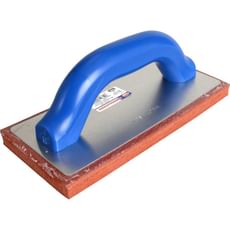
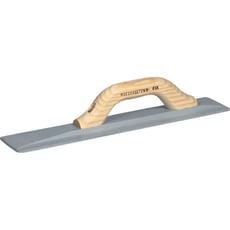
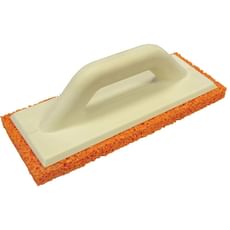
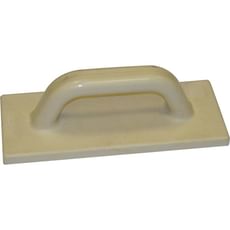
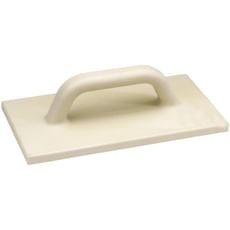
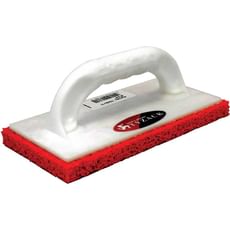
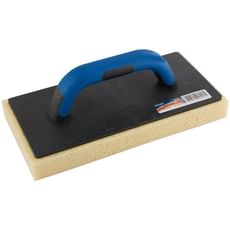
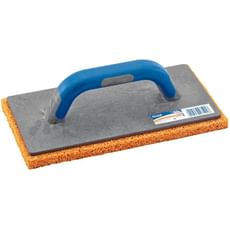
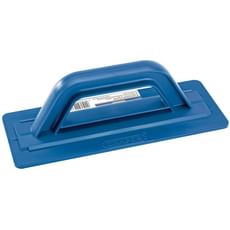
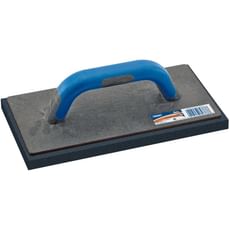
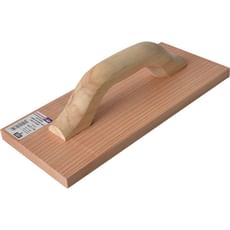
The material composition of a float directly influences its performance characteristics and suitability for particular tasks. Sponge floats excel at grouting tiles and cleaning tile surfaces, whilst rubber-faced floats are specifically designed for achieving textured render finishes on external walls. Polyurethane and polystyrene floats offer excellent durability for general plastering applications, combining lightweight construction with resistance to wear. Wooden floats remain the preferred choice for tradespeople seeking traditional surface textures on lime plaster and concrete work. Magnesium floats have gained popularity amongst professional plasterers for their exceptional strength-to-weight ratio, significantly reducing arm fatigue during extended working sessions on commercial projects.
Tooled-Up stocks quality floats from established manufacturers including Marshalltown, Draper, Faithfull, and Tyzack—brands recognised throughout the UK construction industry for producing reliable tools that withstand demanding site conditions. Whether skimming plaster on residential walls, applying external render, grouting bathroom tiles, or finishing concrete floors and paths, selecting the appropriate float ensures efficient material application and professional-quality results that meet exacting trade standards.
Jargon Buster
- Float: A flat-surfaced hand tool designed for spreading and smoothing wet materials such as plaster, render, concrete, or grout. The face material determines its specific application and the finish quality it produces.
- Skimming: The technique of applying a thin final coat of plaster to create a smooth, level surface ready for decoration. Requires a plastering float with a smooth face to achieve professional results without trowel marks.
- Rendering: The process of applying a protective and decorative cement-based mortar coating to external walls. Render floats often feature textured or rubber faces to achieve specific surface patterns and weatherproof finishes.
- Grout Float: A specialised float with a rubber or sponge face specifically designed for pushing grout firmly into joints between tiles and removing excess material from tile surfaces without scratching.
- Magnesium Float: A lightweight yet robust float manufactured from magnesium alloy, offering superior strength-to-weight ratio compared to traditional wooden floats, thereby reducing user fatigue during prolonged plastering work.
- Straight Grain: Refers to wooden floats with parallel wood grain running lengthways, providing optimal structural strength and consistent surface texture when floating plaster or finishing concrete surfaces.
Who Uses Floats?
Plastering floats are essential tools for a diverse range of construction professionals and DIY enthusiasts across the UK:
- Plasterers and Renderers: Professional tradespeople who depend on various float types daily for applying and finishing plaster and render to interior and exterior surfaces
- Tilers: Specialists who use grout floats and sponge floats extensively for grouting between tiles and achieving clean, professional bathroom and kitchen installations
- Bricklayers: Employ floats for finishing concrete and mortar work, particularly on blockwork and brickwork projects requiring smooth surfaces
- General Builders: Require versatile floats for various finishing tasks throughout construction projects, from new builds to renovation work
- Maintenance Workers: Use floats for repair work, patching damaged plaster, and restoration projects in commercial and residential properties
- DIY Enthusiasts: Homeowners undertaking bathroom tiling, wall replastering, or repair projects who need appropriate floats for achieving professional-looking finishes
- Concrete Finishers: Specialists who depend on floats for levelling and finishing concrete floors, paths, driveways, and screeds to exact specifications
How to Choose the Right Floats
Material Application: Different materials demand specific float types for optimal results. Sponge floats are indispensable for grouting and cleaning tiles, rubber floats excel at textured render finishes, polyurethane and polystyrene floats suit general plastering applications, whilst wooden floats remain traditional choices for achieving specific plaster textures and concrete finishing where texture is desirable.
Surface Area and Project Scale: For large-scale commercial plastering projects, lightweight magnesium floats significantly reduce arm fatigue during extended working sessions. Smaller renovation projects or detailed repair work may benefit from more compact floats offering greater manoeuvrability. Consider the float size relative to the typical surfaces you'll be working on—larger floats cover more area efficiently, whilst smaller ones provide better control in restricted spaces.
Handle Design and Comfort: Ergonomic handle design dramatically impacts user comfort during prolonged use on site. Look for floats with comfortable grips suited to your hand size and working style. Some floats feature open handles allowing your hand to sit flat, whilst others have closed grips—personal preference and specific tasks should guide your selection. Professional-grade handles are securely fastened to withstand the rigours of daily site work.
Build Quality and Durability: Professional-grade floats from brands like Marshalltown, Draper, and Faithfull available at Tooled-Up.com offer superior longevity and consistent performance across demanding applications. Check that handles are securely riveted or bolted, and that float faces are properly bonded to backing boards to withstand regular cleaning and the physical demands of site work.
Specialist Requirements: Consider whether you need specialist floats for specific tasks such as deep sponge floats for extensive grout cleaning on large tiling projects, rigid plastic floats for durability on rough blockwork surfaces, or particularly lightweight options for overhead ceiling work where weight becomes critical to preventing fatigue and maintaining control.
Popular Accessories
To maximise efficiency and achieve professional results when using floats, consider these complementary products:
- Hawk Boards: Essential for holding plaster or render whilst working, allowing efficient material transfer to the float without constant trips to the mixing station
- Mixing Paddles: Power tool attachments for preparing consistent batches of plaster, render, or grout with uniform texture
- Plastering Trowels: Used alongside floats for applying and finishing plaster, particularly for edge work, corners, and achieving polished finishes
- Sponges and Cleaning Cloths: For wiping down sponge floats between applications and cleaning tile surfaces after grouting
- Buckets and Mixing Containers: For preparing materials to correct consistency and cleaning tools between applications
- Knee Pads and Protective Gloves: Essential PPE for floor work when using floats on horizontal surfaces and protecting hands from cement-based materials
- Spirit Levels: Ensuring surfaces are level and true when floating plaster or concrete to professional standards
- Dust Sheets and Site Protection: Protecting surrounding areas, furniture, and flooring during plastering and rendering work
Safety Information
Hand and Wrist Health: Repetitive floating motions can strain muscles, tendons, and joints. Take regular breaks during extended plastering sessions, vary your working position, and ensure your float handle provides adequate grip comfort. Properly warming up before starting work and maintaining correct technique helps prevent repetitive strain injuries common amongst plasterers. If experiencing persistent discomfort, consult occupational health guidance.
Material Hazards: Many plastering and rendering materials contain substances that can irritate skin or cause dermatitis with prolonged exposure. Always wear appropriate protective gloves when working with cement-based products, and wash hands thoroughly after use. Consult COSHH data sheets for specific materials you're working with, ensure adequate ventilation when working indoors, and wear appropriate respiratory protection when mixing dry materials that generate dust.
Tool Maintenance: Keep floats clean and in good working condition. Dried plaster or render on float surfaces can scratch fresh work, reduce effectiveness, and compromise finish quality. Clean floats immediately after use before materials cure, and check regularly that handles remain securely attached to prevent accidents during use. Store floats flat in dry conditions to prevent warping, particularly wooden floats which are susceptible to moisture damage.
Frequently Asked Questions
What's the difference between a plastering float and a trowel?
A float has a larger, flatter surface area and is used primarily for spreading and levelling material across broad surfaces, whilst a trowel has a smaller blade and is used for applying material and achieving very smooth, polished finishes. Floats are typically used before trowels in the plastering process—the float levels and smooths the bulk material, then the trowel provides the final burnished finish. They serve complementary but distinct functions in achieving professional plasterwork.
Can I use the same float for plaster and grout?
It's not recommended. Plaster and render floats typically have polyurethane, wooden, or metal faces designed for spreading and smoothing, whilst grout floats have rubber or sponge faces specifically engineered for pushing grout into tile joints without scratching tile surfaces. Using the wrong type can damage both the float and your work surface, producing poor results. Maintain separate floats for different applications to ensure optimal performance and longevity.
How do I clean and maintain my plastering float?
Clean floats immediately after use before materials dry and cure. For plaster and render, scrape off excess material with a trowel then wash thoroughly with clean water. Sponge floats should be rinsed thoroughly and wrung out to remove all material traces. Wooden floats benefit from occasional light sanding to maintain their working texture. Store floats flat in a dry location to prevent warping, and regularly check that handles remain securely attached to backing plates.
Why would I choose a magnesium float over a traditional wooden float?
Magnesium floats offer significant weight savings compared to wooden floats whilst maintaining excellent strength and rigidity. This reduced weight helps prevent arm fatigue during extended plastering sessions, making them particularly popular for large commercial projects and ceiling work. They also resist warping in damp conditions and provide consistent performance regardless of weather. However, some plasterers still prefer wooden floats for the specific texture they impart to traditional lime plaster finishes and for certain concrete finishing techniques.
What size float should I buy for general plastering work?
For general plastering applications, a float measuring approximately 350-400mm in length provides an excellent balance between coverage area and manoeuvrability. This size suits most residential wall and ceiling applications whilst remaining manageable for detailed work around windows, doorways, and corners. However, your choice should also consider the typical scale of your projects—larger commercial work may benefit from bigger floats for efficiency and speed, whilst renovation and repair work might require more compact sizes for accessing restricted areas and achieving better control.