

Floor Anchors
Pay in 3 interest-free payments on purchases from £30-2000 with  . Learn more.
 Loading...
End of content
Error - No more pages to load
About Floor Anchors
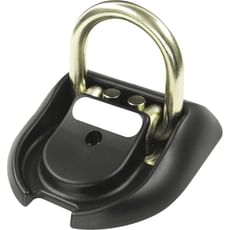
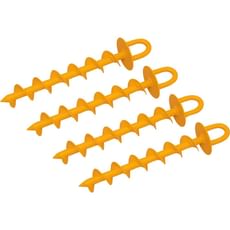
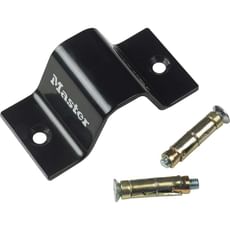
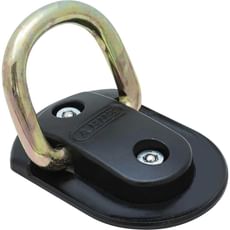
Floor anchors are robust security devices engineered to provide permanent, tamper-resistant fixing points for securing high-value equipment, motorcycles, bicycles, tools, and other valuable assets to solid floors or walls. Constructed from hardened steel and designed to withstand significant force, these security anchors create an immovable anchor point that acts as a powerful deterrent against theft in both domestic and commercial settings. The floor anchor selection at Tooled-Up.com features heavy-duty models from trusted security specialists including ABUS, Sealey, Masterlock, and Roughneck, each designed to resist cutting, drilling, leverage attacks, and other common theft methods.
Modern floor anchors incorporate sophisticated security features including hardened steel construction, concealed or one-way fixings, rotation-resistant designs, and reinforced attachment eyes. Many professional-grade anchors carry Sold Secure ratings—the UK's leading police and insurance-backed certification scheme—providing independently tested security benchmarks that satisfy insurance requirements. Whether securing a premium motorcycle in a residential garage, protecting expensive power tools in a workshop, or safeguarding plant equipment on construction sites, floor anchors form an essential component of comprehensive security strategies that can reduce insurance premiums whilst delivering genuine protection.
Installation involves drilling into solid concrete or dense masonry and fixing the anchor with high-tensile security bolts, typically covered with protective caps or shear-head fixings to prevent unauthorised removal. When used alongside quality security chains, padlocks, and D-locks, floor anchors create layered security solutions that significantly increase the time and effort required for theft attempts, deterring both opportunistic and determined criminals. Available in various designs including low-profile motorcycle anchors, wall-mounted alternatives, and multi-directional eye configurations, these security devices adapt to different applications and installation environments.
Jargon Buster
- Sold Secure Rating: An independent testing and certification scheme backed by the Master Locksmiths Association and recognised throughout the UK by police forces and insurance providers. Ratings include Bronze, Silver, Gold, and Diamond, with each level indicating progressively higher resistance to attack methods and longer attack times required for compromise.
- Hardened Steel: Steel that has undergone heat treatment processes to significantly increase its hardness, wear resistance, and ability to withstand cutting, drilling, and grinding attacks. Essential for security anchors as it resists common tools and methods used during theft attempts.
- Security Fixings: Specialised bolts, screws, and fastening systems designed to prevent removal once installed. Common types include one-way screws that tighten but cannot be reversed, shear nuts that break away once torqued, and concealed fixings requiring specialist tools for removal.
- Rotation Prevention: Design features and engineering elements that prevent the anchor from spinning or rotating when force is applied, eliminating leverage attacks that could weaken the installation, damage the substrate, or compromise the securing chain or lock attached to the anchor.
- Ground Anchor Eye: The reinforced loop, ring, or attachment point on the anchor through which security chains, cables, or lock shackles are threaded. Quality anchors feature smooth, rounded eyes that prevent chain damage through friction whilst maintaining maximum breaking strength.
- Substrate: The material into which the floor anchor is installed, typically solid concrete (minimum 100mm thick), reinforced concrete, or dense masonry. The substrate must be structurally sound and of adequate thickness for the anchor to achieve its rated security performance and pull-out resistance.
Who Uses Floor Anchors?
- Motorcycle Owners: Securing bikes in garages, sheds, driveways, or parking areas to prevent theft and satisfy insurance security requirements whilst reducing premiums
- Cyclists: Protecting high-value road bikes, mountain bikes, and e-bikes at home, in communal storage areas, or residential bike sheds
- Tradespeople: Securing expensive power tools, equipment, and machinery in workshops, vans, lock-ups, and on construction sites where theft risk is elevated
- Plant Hire Companies: Protecting valuable equipment, generators, compressors, and specialist machinery when stored at depots or deployed on customer sites
- Warehouse and Logistics Managers: Creating secure anchor points for protecting high-value inventory, establishing secure zones, or restraining loads
- Caravan and Boat Owners: Preventing theft of leisure vehicles when stored at home, on driveways, or in storage facilities during off-season periods
- Retail and Commercial Property Managers: Securing valuable displays, equipment, stock, or creating designated secure areas within premises
- Landlords and Property Managers: Installing security measures in rental properties, particularly for garage spaces, shed areas, and communal storage facilities
- Garden Machinery Owners: Protecting ride-on mowers, pressure washers, generators, and other expensive outdoor equipment stored in sheds or outbuildings
- Construction Site Managers: Securing tools, equipment, and materials overnight on active construction sites to prevent costly theft and project delays
How to Choose the Right Floor Anchors
Selecting appropriate floor anchors begins with determining the required security rating for your application. Contact your insurance provider to establish whether they mandate specific Sold Secure ratings for particular items or values—many insurers require minimum Silver ratings for motorcycles above certain values, with Gold or Diamond specifications for premium bikes and high-value equipment. Higher security ratings generally command better insurance premiums but involve greater initial investment and more substantial installation requirements.
Substrate type critically influences anchor selection. Most floor anchors require solid concrete at least 100mm thick for proper installation and optimal security performance. If working with thinner concrete, reinforced concrete, or masonry substrates, verify the anchor's suitability and adjust installation depth accordingly. Some locations with unsuitable floors may require wall-mounted alternatives installed into solid brick or blockwork. Always assess substrate condition before purchasing—crumbling, weak, or deteriorated materials compromise security regardless of anchor quality.
Anchor design varies depending on what you're securing. Motorcycle ground anchors typically feature low-profile designs that minimise trip hazards and allow bikes to be positioned close to walls, maximising garage space. Multi-directional eyes accommodate security chains from various angles, whilst closed-loop designs prevent chains from being lifted off during attack attempts. Consider whether you need single or multiple anchor points for larger items or securing several pieces of equipment simultaneously. The ABUS range at Tooled-Up features various eye configurations and height profiles suited to different applications.
Quality of supplied fixings significantly impacts security effectiveness. Professional-grade anchors include hardened, chemically-treated bolts with integrated security features such as shear heads, one-way threads, or concealed caps that prevent removal once installed. Avoid anchors supplied with standard bolts that can be easily reversed with common tools. Brand reputation matters—established security specialists like ABUS, Masterlock, and Sealey invest heavily in research, design, and independent testing to ensure their products resist modern attack methods including angle grinding, drilling, and leverage techniques.
Installation requirements deserve careful consideration. Most anchors require heavy-duty rotary hammer drills (typically SDS-plus specification), appropriate masonry drill bits, and competent DIY skills for proper fitting. Some premium anchors include comprehensive installation kits with fixings and detailed instructions, whilst others require separately purchased chemical resin anchors or expansion bolts. If you're uncomfortable with installation or your insurance requires professional certification, consider hiring qualified locksmiths or security installers—improper installation can void both product warranties and insurance coverage.
Popular Accessories
- Security Chains: Hardened steel chains in various lengths (typically 1-3 metres) and link thicknesses (10-19mm), ideally carrying Sold Secure ratings matching or exceeding your anchor specification
- High-Security Padlocks: Closed-shackle padlocks from brands like ABUS and Masterlock with pick-resistant mechanisms, hardened shackles, and weather-resistant bodies
- D-Locks and Disc Locks: Supplementary locking devices for motorcycles and bicycles creating layered security approaches that increase attack time
- Lock Covers and Protectors: Weather-resistant covers protecting padlocks from moisture, dirt, and freezing conditions whilst extending operational life
- Security Cables: Flexible armoured cables for securing helmets, accessories, or creating extended-reach security points for multiple items
- Chemical Resin Anchors: High-strength fixing systems from brands like Fischer and Rawlplug for challenging substrates or applications requiring maximum pull-out resistance
- Rotary Hammer Drill Bits: Heavy-duty SDS-plus masonry bits in appropriate diameters (typically 12-16mm) and lengths for drilling anchor installation holes through concrete
- Ground Anchor Covers: Protective caps for unused anchors preventing trip hazards, weather damage, and debris accumulation in anchor eyes
- Security Alarm Devices: Motion-activated alarms and disc locks with integrated alarm functions providing audible deterrence alongside physical security
- Motorcycle Tie-Down Systems: Complementary wheel chocks and securing systems like those from Sealey for comprehensive motorcycle security and storage solutions
Safety Information
When installing floor anchors, always wear appropriate personal protective equipment including safety glasses or goggles to protect against concrete dust and flying debris, hearing protection when operating power tools (rotary hammer drills typically produce 90-100dB), and sturdy work gloves. Ensure adequate ventilation if working in enclosed spaces such as garages or sheds, as concrete drilling generates significant quantities of fine dust—consider using extraction equipment or disposable dust masks rated FFP2 or FFP3 for fine particulate matter protection in accordance with HSE guidance.
Before drilling, always check for hidden services including electrical cables, water pipes, central heating pipework, and gas lines using a reliable cable and pipe detector appropriate for the substrate type. When using rotary hammer drills, maintain a firm two-handed grip and stable stance, as these powerful tools can kick back unexpectedly when bits bind or encounter reinforcement bars. Follow manufacturer guidance on drill speeds, hammer action settings, and applied pressure to prevent bit breakage or premature anchor damage.
Chemical resin anchors require careful handling—always read safety data sheets and follow COSHH regulations for handling chemical products. Many resins contain irritant compounds requiring skin and eye protection during mixing and application. Ensure proper curing time before loading anchors (typically 24-48 hours depending on temperature), as premature use can result in anchor failure under load. Never exceed manufacturer-stated load ratings, and inspect installed anchors periodically for signs of substrate cracking, corrosion, loosening, or other deterioration that could compromise security or create hazards. If anchor movement or substrate damage is detected, cease use immediately and consult a security professional.
Frequently Asked Questions
Can I install a floor anchor on any surface?
Floor anchors require solid substrates for effective installation—typically solid concrete at least 100mm thick or dense masonry constructed from engineering bricks or concrete blocks. They're unsuitable for hollow floors, wooden floors, thin concrete screed (less than 50mm), composite floors, or crumbling masonry. If your floor isn't suitable, consider wall-mounted alternatives installed on solid brick or blockwork walls. Always verify substrate thickness and structural condition before purchasing, as improper installation in unsuitable materials compromises security effectiveness and may void insurance coverage.
What Sold Secure rating do I need for insurance purposes?
Required security ratings depend on your insurance policy terms and the value of items being secured. Contact your insurer for specific mandates before purchasing—many require minimum Silver ratings for motorcycles valued over £3,000, with Gold or Diamond specifications for premium bikes exceeding £10,000. As general guidance, Bronze suits basic security for lower-value items and secondary protection layers, Silver for mid-range motorcycles and equipment, Gold for high-value motorcycles and professional tool collections, and Diamond for premium motorcycles and exceptional security requirements. Always obtain written confirmation from insurers regarding their security requirements.
How difficult is floor anchor installation?
Installation requires competent DIY skills and proper equipment. You'll need a heavy-duty rotary hammer drill (typically 24V+ cordless models or 240v mains-powered SDS-plus drills), appropriate masonry drill bits matching anchor specifications, spirit level, tape measure, and basic hand tools. The process involves accurately marking positions (considering chain reach and equipment placement), drilling to specified depths (typically 100-150mm), thoroughly cleaning holes with wire brushes or vacuum extraction, and securing with supplied fixings torqued to correct specifications. If you're uncomfortable with this work or your insurance requires professional installation certification, consider hiring qualified locksmiths or security installers who can provide installation certificates for insurance purposes.
Can floor anchors be removed and relocated?
Most quality floor anchors are designed as permanent installations with security fixings specifically engineered to resist removal. Whilst technically possible to remove them using specialist tools, angle grinders, or destructive methods, this typically damages both the anchor (rendering it unusable) and the substrate (leaving unsightly holes requiring repair). Relocation is therefore impractical and not recommended. If you anticipate needing portable security or regularly change locations, consider heavy-duty portable security posts or anchors designed for temporary installation, though these generally offer lower security ratings than permanent fixtures due to their removable nature.
Will installing a floor anchor reduce my insurance premium?
Many UK insurance providers offer premium reductions for approved security measures, particularly for motorcycles, high-value bicycles, and expensive equipment. However, discounts vary significantly between insurers and policy types—reductions typically range from 5-20% depending on security rating and overall risk assessment. Contact your insurance provider before purchasing to confirm their requirements and potential savings. They may specify particular Sold Secure ratings, approved brands, professional installation requirements, or additional security measures alongside anchors. Retain all receipts, Sold Secure certification documents, installation photographs, and professional fitting certificates as evidence for insurance discount claims and future policy renewals.