

Floor Chisels
Pay in 3 interest-free payments on purchases from £30-2000 with  . Learn more.
 Loading...
End of content
Error - No more pages to load
About Floor Chisels
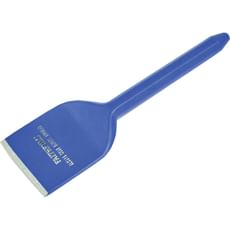
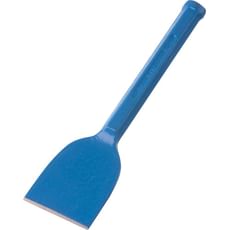
Floor chisels are heavy-duty hand tools specifically engineered for lifting, removing, and stripping flooring materials including floorboards, skirting boards, architrave, and other fixed timber components. Featuring a wide, flat blade and extended handle typically measuring between 300-450mm in length, these robust chisels allow tradespeople to work efficiently when renovating, repairing, or replacing floor surfaces. The extended length provides excellent leverage for prying up stubborn boards, whilst the wide blade distributes force evenly to prevent damage to surrounding materials and reduce the risk of splitting valuable timber.
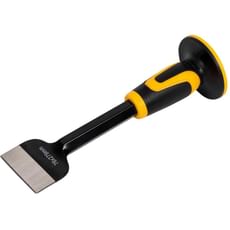
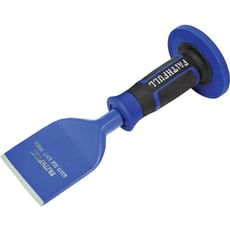
Available in various configurations, floor chisels typically feature either a standard bolster-style design or incorporate an integrated hand guard and grip for enhanced safety and comfort during prolonged use. Professional-grade models available at Tooled-Up.com from trusted brands like Faithfull, Footprint, and Roughneck are forged from hardened carbon steel to withstand repeated striking with a club hammer or mallet. The blade width usually ranges from 32mm to 75mm, making them suitable for everything from precision work around door frames to lifting entire floorboards in one pass. Some specialist models are designed specifically for cutting the tongue in laid tongued and grooved floorboarding, allowing individual boards to be removed without disturbing adjacent sections.
Whether you're an electrician chasing cables beneath floors, a carpenter renovating period properties, or a DIY enthusiast tackling home improvements, a quality flooring chisel is an essential addition to your tool kit. These versatile tools also prove invaluable for removing old adhesive, lifting vinyl tiles, stripping damaged laminate, and general demolition work where controlled leverage is required. The combination of a hardened cutting edge and robust construction ensures these tools can handle the demanding nature of site work whilst maintaining their effectiveness over years of professional use.
Jargon Buster
- Bolster Blade
- The wide, flat chisel blade that provides the necessary surface area for lifting floorboards and distributing striking force across a broader area, reducing the risk of material damage and splitting.
- Hand Guard/Guard Grip
- A protective barrier positioned above the blade on certain models that shields your hand from impact if the hammer strike misses the chisel head, significantly improving safety during repetitive use on site.
- Drop Forged
- A manufacturing process where heated steel is shaped under extreme pressure, creating a denser, stronger tool head with improved grain structure and resistance to deformation under heavy striking forces.
- Striking Cap
- The reinforced head of the chisel designed to absorb repeated hammer blows without mushrooming or splitting, typically featuring a slightly domed profile for accurate striking.
- Tongue Cutting
- The specific technique of cutting through the tongue joint in tongued and grooved floorboarding to allow individual board removal without damaging adjacent boards, essential for accessing underfloor services.
- Bevel Edge
- The angled cutting edge ground onto the blade, which should be maintained sharp for clean cuts and effective material penetration when lifting floorboards or stripping fixtures.
Who Uses Floor Chisels?
- Electricians and Sparkies – lifting floorboards to run cabling and install sockets throughout domestic and commercial properties
- Carpenters and Joiners – removing damaged timber flooring, architrave, and skirting boards during renovation projects
- Plumbers – accessing underfloor pipework and installing central heating systems beneath suspended timber floors
- Flooring Specialists – stripping old flooring materials before installing new laminate, engineered wood, or solid timber floors
- General Builders – demolition work, property refurbishment, and preparing surfaces during renovation projects
- Property Maintenance Teams – repairing and maintaining flooring in rental properties, social housing, and commercial buildings
- DIY Enthusiasts – home improvement projects including kitchen and bathroom renovations, loft conversions, and period property restoration
- Heritage Restoration Specialists – carefully removing original floorboards in listed buildings without causing unnecessary damage to historic materials
How to Choose the Right Floor Chisels
Blade Width: Consider the typical applications you'll be tackling. Wider blades (65-75mm) work best for lifting full-width floorboards quickly, whilst narrower profiles (32-50mm) offer greater precision when working around doorframes, in tight corners, or removing individual boards without disturbing adjacent timber.
Handle Design: Standard flooring chisels feature a traditional wooden handle, but models with integrated hand guards provide essential protection for professional tradespeople undertaking repetitive striking work. The guard prevents hand injuries if your hammer strike misses the chisel head – a worthwhile safety feature on busy sites where concentration can be interrupted.
Material Quality: Professional-grade floor chisels should be manufactured from drop-forged carbon steel for maximum durability and impact resistance. Check that the striking cap is properly hardened and tempered to prevent mushrooming, which can occur with inferior tools after extended use. The cutting edge should also be hardened and tempered to maintain sharpness through demanding applications.
Overall Length: Longer chisels (typically 300-450mm) provide superior leverage when lifting stubborn floorboards, reducing the physical effort required and improving efficiency on larger projects. Shorter models offer better control in confined spaces such as cupboards or beneath staircases where manoeuvrability is restricted.
Brand Reputation: The selection at Tooled-Up includes established manufacturers like Faithfull, Footprint, and Roughneck, all with proven track records for producing reliable flooring chisels that withstand professional site conditions. Investing in quality tools from recognised brands typically proves more economical than repeatedly replacing budget alternatives that bend, chip, or develop mushroomed heads.
Intended Use: Electricians often prefer chisels with hand guards for daily floorboard lifting, whilst carpenters might opt for traditional designs when precision work around period features is paramount. Consider your specific trade requirements and how frequently you'll use the tool when making your selection.
Popular Accessories
- Club Hammers and Mallets – essential striking tools weighing between 1-2kg for driving floor chisels through tough materials without damaging the handle
- Wrecking Bars and Pry Bars – complementary leverage tools for lifting particularly stubborn floorboards once initial access has been created with the chisel
- Sharpening Stones and Files – maintaining a sharp bevel edge ensures clean cuts and reduces the effort required when working with hardwood flooring
- Safety Goggles and Glasses – essential PPE to protect against flying debris, splinters, and dust when striking chisels
- Work Gloves – heavy-duty protective gloves from brands like Scruffs or Portwest reduce hand fatigue and protect against blisters during extended use
- Knee Pads – vital comfort accessory when spending extended periods working at floor level on renovation sites
- Tool Rolls and Storage – organised storage solutions from Stanley FatMax or DeWalt to protect your chisels during transport and prevent damage to cutting edges
- Bolster Chisels – smaller bolster chisels for detail work and accessing tight spaces around floor perimeters and beneath radiators
- Cable and Pipe Detectors – essential safety equipment for detecting hidden services before lifting floorboards
Safety Information
Always wear appropriate personal protective equipment when using floor chisels, including safety goggles to protect against flying splinters and debris, and heavy-duty work gloves to prevent blisters and hand injuries. When striking the chisel, maintain a firm grip and ensure your free hand is always positioned behind the blade, never in front of the cutting edge where it could be struck by the hammer or injured by sudden tool movement.
Inspect your floor chisel before each use, checking for mushroomed striking caps, damaged handles, cracked hand guards, or loose components. A mushroomed cap should be ground down to prevent metal fragments breaking off during use, which can cause serious eye injuries even when wearing safety glasses. Always strike the chisel squarely on the striking cap – glancing blows can cause the hammer to deflect towards your hand or damage the tool.
When lifting floorboards, be aware of hidden services including electrical cables, gas pipes, and water supply lines that may be present beneath the floor surface. Use a cable and pipe detector before beginning work, and exercise extreme caution when making initial penetrations. Work in well-ventilated areas, particularly when disturbing old flooring materials that may contain hazardous substances. Follow HSE guidelines for working with older properties where asbestos-containing materials might be present in underfloor insulation or backing boards.
Maintain a stable working position with good balance, and avoid over-reaching which can lead to loss of control and potential injury. When working on site, ensure your work area is clear of trip hazards and that other tradespeople are aware you're undertaking striking work to prevent accidents. Take regular breaks during extended chisel work to prevent repetitive strain injuries and maintain concentration levels.
Frequently Asked Questions
What's the difference between a floor chisel and a bolster chisel?
Floor chisels feature a much longer handle (typically 300-450mm) compared to standard bolster chisels, providing superior leverage specifically for lifting floorboards and prising up fixed timber components. Whilst bolster chisels are designed primarily for cutting bricks and masonry work, floor chisels have wider blades optimised for working with timber flooring materials without causing unnecessary damage to adjacent boards. The extended handle on floor chisels reduces the physical effort required when lifting stubborn boards.
Do I need a floor chisel with a hand guard?
Hand guards are highly recommended for professional tradespeople who regularly lift floorboards, particularly electricians and plumbers who may be striking the chisel hundreds of times per day. The guard protects your hand if the hammer strike misses the chisel head, preventing potentially serious injuries that could result in time off work. For occasional DIY use, a standard floor chisel may suffice, though the additional safety feature provides peace of mind and is always beneficial, especially for inexperienced users.
Can I use a floor chisel for removing skirting boards?
Yes, floor chisels are excellent for removing skirting boards, architrave, and other fixed timber components. The wide blade allows you to work along the entire length of the skirting, whilst the leverage from the extended handle helps separate the board from the wall without excessive force that might cause cracking, splitting, or damage to the plaster. Position the blade behind the skirting and tap gently to create a gap before applying increased leverage.
How do I maintain my floor chisel?
Keep the blade sharp using a bench grinder or sharpening stone, maintaining the original bevel angle (typically around 25-30 degrees) for optimal performance. After use, clean off any debris, adhesive residue, and dust, then apply a light coating of oil to prevent rust formation. Check the handle regularly for cracks or looseness, and inspect the striking cap for mushrooming which should be ground flat if it occurs. Store your chisel in a dry location, ideally in a tool roll or dedicated storage system to protect the cutting edge.
What hammer should I use with a floor chisel?
A club hammer weighing between 1-2kg (2-4lb) is ideal for most floor chisel work, providing sufficient striking force without being excessively heavy or causing rapid fatigue. Some tradespeople prefer rubber or wooden mallets when working with delicate period flooring or in properties where minimising vibration is important. Always strike the hardened cap squarely rather than at an angle to prevent tool damage, maintain control, and ensure maximum force transfer into the cutting action.