

Floor Cleaners & Polishers
Pay in 3 interest-free payments on purchases from £30-2000 with  . Learn more.
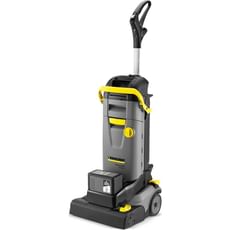
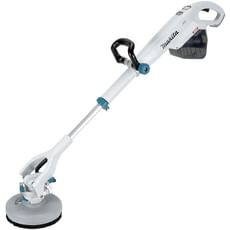
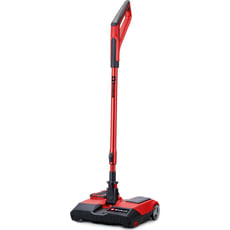
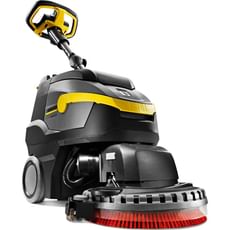
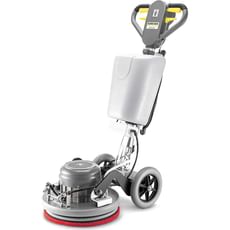
Karcher BR 30/4 C BP Professional 36v Cordless Small Area Floor Cleaner and Scrubber Drier
in stock
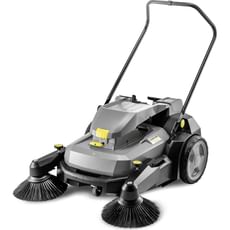
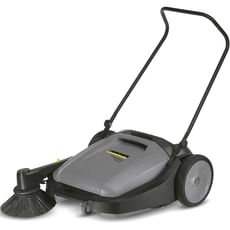
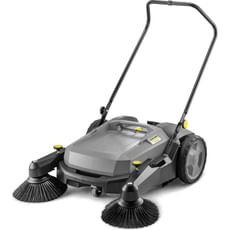
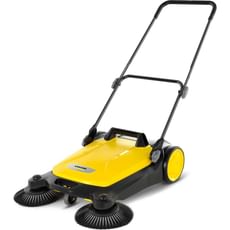
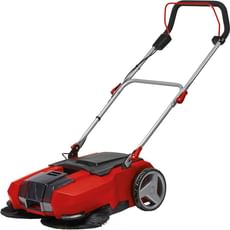
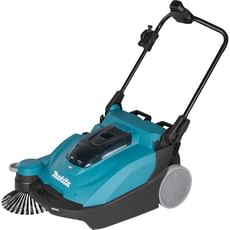
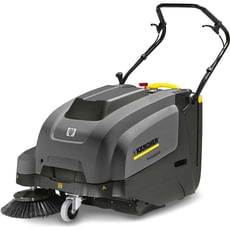
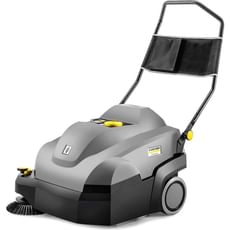
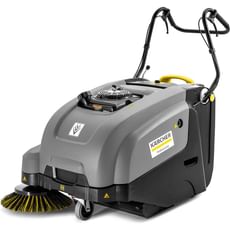
Karcher KM 70/30 C BP 2SB Professional 36v Cordless Push Floor Sweeper
in stock
 Loading...
End of content
Error - No more pages to load
About Floor Cleaners & Polishers
Maintaining clean, professional-looking floors is essential across countless commercial, industrial and domestic settings. The comprehensive range at Tooled-Up.com encompasses everything from compact manual sweepers to heavy-duty industrial scrubber-driers, designed to tackle flooring of all types including concrete, vinyl, laminate, tile, and polished wood. Whether you're managing a warehouse, maintaining a showroom, or keeping site offices presentable, the right floor cleaning equipment can dramatically reduce labour time whilst delivering superior results compared to traditional mopping and manual methods.
Professional floor cleaning equipment has evolved significantly in recent years, with modern machines offering enhanced battery technology, improved manoeuvrability, and sophisticated scrubbing systems that can handle everything from light dust and debris to ingrained dirt and stubborn stains. Electric and battery-powered models from leading manufacturers like Kärcher and Nilfisk combine powerful motors with efficient water recovery systems, ensuring floors dry quickly to minimise disruption and reduce slip hazards in busy work environments. Both 240v mains-powered and cordless battery options are available, providing flexibility for different workplace requirements.
From simple floor squeegees for quick water removal to advanced rotary floor polishers that restore shine to tired surfaces, this category represents a complete solution for floor maintenance across trade and industrial applications. Investing in dedicated floor cleaning equipment not only improves hygiene and appearance but also extends the lifespan of expensive flooring materials by removing abrasive particles and preventing the build-up of contaminants that can cause long-term damage.
Jargon Buster
- Scrubber-Drier: A machine that simultaneously scrubs floors with rotating brushes or pads whilst vacuuming up dirty water, leaving surfaces clean and nearly dry. Walk-behind and ride-on variants are available for different-sized areas.
- Rotary Floor Polisher: A machine featuring a circular rotating head that buffs and polishes floor surfaces using pads of varying abrasiveness. Also known as a buffing machine or floor buffer, these restore shine to hard floors.
- Tank Capacity: The volume of clean water (solution tank) and recovered dirty water (recovery tank) a machine can hold, typically measured in litres. Larger capacities allow longer operating periods between refills.
- Working Width: The effective cleaning path width of the machine, measured in millimetres or centimetres. Wider working widths increase productivity on large open areas, whilst narrower machines suit congested spaces.
- Runtime: For battery-powered models, the continuous operating time available on a single charge, influenced by battery capacity (measured in Ah - amp hours) and the intensity of use.
- Pad Driver: The disc attachment that holds cleaning or polishing pads on rotary machines. Compatible with various pad types for different applications, from aggressive scrubbing to high-speed burnishing.
Who Uses Floor Cleaners & Polishers?
Floor cleaning and polishing equipment serves a diverse range of professionals and organisations:
- Cleaning Contractors - Professional cleaning companies maintaining commercial premises, offices, and retail spaces
- Facilities Managers - Those responsible for building maintenance in schools, hospitals, leisure centres, and corporate environments
- Warehouse Operatives - Managing cleanliness in distribution centres, storage facilities, and industrial units
- Retail Managers - Maintaining shop floors, supermarkets, and shopping centres to ensure presentable customer-facing areas
- Construction Site Managers - Post-build cleaning and ongoing maintenance of site offices and welfare facilities
- Caretakers and Janitors - Day-to-day floor maintenance in educational establishments, public buildings, and communal areas
- Hospitality Professionals - Hotel housekeeping, restaurant managers, and pub landlords maintaining high hygiene standards
- Vehicle Workshop Owners - Keeping garage and workshop floors clean from oil, grease, and automotive debris
- Property Maintenance Teams - Managing multiple residential or commercial properties requiring regular cleaning services
How to Choose the Right Floor Cleaners & Polishers
Floor Type and Surface Area: Consider the flooring material you'll be cleaning most frequently. Hard surfaces like concrete, vinyl, and tile are suited to scrubber-driers and rotary polishers, whilst delicate surfaces require gentler equipment. Measure the total area requiring regular cleaning—compact push sweepers work well for areas under 500 square metres, whilst larger warehouses and retail spaces benefit from ride-on or wide-path machines that dramatically reduce cleaning time.
Power Source: Mains-powered 240v machines offer unlimited runtime for extensive cleaning sessions but require access to power points and careful cable management. Battery-powered cordless models provide excellent manoeuvrability and eliminate trip hazards, making them ideal for busy environments, though you'll need to consider charging infrastructure and having spare batteries for extended use.
Tank Capacity and Runtime: Match the machine's solution and recovery tank capacity to the size of area being cleaned. Frequent stops to empty and refill tanks reduce productivity, so larger capacities suit extensive floor areas. Battery runtime should similarly align with your cleaning schedule—most commercial-grade machines offer 45-90 minutes of continuous operation.
Manoeuvrability and Storage: Assess doorway widths, aisle dimensions, and congested areas within your premises. Compact, highly manoeuvrable machines navigate tight spaces more effectively, whilst their smaller footprint simplifies storage. Consider whether you have dedicated equipment storage or need machines that disassemble or stack efficiently.
Cleaning Intensity Required: Light daily maintenance requires less aggressive equipment than deep cleaning or restoration work. Adjustable brush pressure, variable speed settings, and interchangeable pad systems provide versatility. For heavily soiled industrial environments, prioritise robust construction and powerful motors capable of sustained intensive use.
Maintenance and Running Costs: Factor in the ongoing costs of replacement brushes, pads, squeegee blades, and cleaning solutions. Machines with easily accessible serviceable parts and clear maintenance schedules reduce downtime. Consider equipment from established brands with good parts availability and UK-based service networks.
Popular Accessories
- Cleaning Pads and Brushes: Various grades from aggressive scrubbing pads for deep cleaning to soft buffing pads for polishing, colour-coded for different applications
- Floor Cleaning Solutions: Specialist detergents formulated for different floor types and soiling levels, including degreasing, sanitising, and neutral pH options
- Replacement Squeegee Blades: Wear items requiring periodic replacement to maintain effective water recovery and prevent streaking
- Spare Batteries and Chargers: Additional battery packs enable continuous operation whilst one charges, essential for large-scale cleaning operations
- Dust Control Mops and Sweepers: Manual equipment for quick interim cleaning between machine operations
- Extension Wands and Attachments: Reaching under furniture and into corners where larger machines cannot access
- Wet Floor Signs: Essential safety equipment to warn of freshly cleaned surfaces and reduce slip hazards
- Storage Caddies and Organisers: Keeping cleaning solutions, pads, and accessories organised and readily accessible
Safety Information
Operating floor cleaning equipment requires adherence to proper safety protocols to protect operators and building occupants. Always ensure machines are suitable for the electrical environment, particularly in wet conditions—look for appropriate IP ratings and RCD protection on 240v mains-powered units. Battery-powered equipment should be charged in well-ventilated areas away from flammable materials, using only the manufacturer's specified chargers.
When using floor cleaning chemicals, consult COSHH data sheets and follow dilution instructions precisely. Wear appropriate PPE including gloves and eye protection when handling concentrated cleaning solutions. Ensure adequate ventilation when working with chemical cleaners, particularly in enclosed spaces.
Wet floors present significant slip hazards. Always deploy appropriate warning signage before, during, and after cleaning operations until surfaces are completely dry. The HSE identifies slips and trips as one of the most common causes of workplace injuries, making proper floor maintenance protocols essential. Ensure operators receive adequate training in machine operation, including safe starting procedures, emergency stops, and proper lifting techniques when manoeuvring equipment or emptying recovery tanks.
Regularly inspect equipment for damaged cables, worn squeegees, and loose components before each use. Follow manufacturer maintenance schedules and never operate damaged equipment. When cleaning stairs or sloped surfaces, exercise particular caution and consider whether manual methods may be safer for steep gradients.
Frequently Asked Questions
What's the difference between a floor scrubber and a floor polisher?
A floor scrubber (or scrubber-drier) is designed to clean floors by applying water and detergent whilst mechanically scrubbing with brushes or pads, then recovering the dirty water, leaving surfaces clean and nearly dry. A floor polisher (or buffer) is used primarily on already-clean floors to restore shine and lustre through high-speed buffing action with polishing pads. Many commercial environments use scrubbers for regular cleaning and polishers periodically for floor restoration.
Can I use the same machine on different floor types?
Most quality floor cleaning machines available from Tooled-Up are versatile and can handle multiple floor types by changing brushes, pads, and cleaning solutions. However, you should always verify compatibility—for example, very abrasive pads suitable for concrete may damage softer vinyl or wood floors. Adjustable brush pressure settings on premium machines allow fine-tuning for different surfaces. Always test on an inconspicuous area first when cleaning a new floor type.
How often should I clean my machine?
Empty and rinse recovery tanks after every use to prevent bacteria growth and unpleasant odours. Clean or replace squeegee blades weekly or when you notice reduced water pickup performance. Inspect and clean brushes or pads after each use, replacing them when worn. Check filters regularly and clean according to the manufacturer's schedule. Perform a thorough deep clean of the entire machine monthly, including checking all moving parts, connections, and hoses.
Are battery-powered floor cleaners as powerful as mains machines?
Modern lithium-ion battery technology has significantly closed the performance gap. Professional battery-powered floor cleaners now deliver comparable cleaning performance to 240v corded equivalents whilst offering superior manoeuvrability and eliminating cable trip hazards. The main consideration is runtime—ensure battery capacity matches your cleaning requirements, and consider investing in spare batteries for larger areas. For very large industrial spaces or continuous all-day operation, mains-powered machines may still offer advantages.
What size machine do I need for my premises?
As a general guide, compact machines with 300-400mm cleaning width suit areas up to 500 square metres and navigate tight spaces well. Mid-size machines (450-550mm width) efficiently clean 500-2000 square metres and offer a good balance of manoeuvrability and productivity. For areas exceeding 2000 square metres, consider wide-path machines (600mm+) or ride-on scrubbers that dramatically reduce cleaning time. Always measure doorways, aisles, and storage areas to ensure your chosen machine will physically fit your environment.