

Floor Cleaners
Pay in 3 interest-free payments on purchases from £30-2000 with  . Learn more.
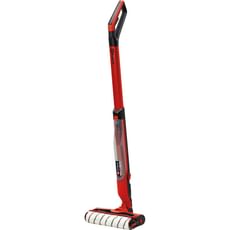
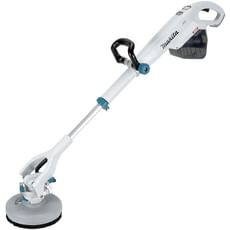
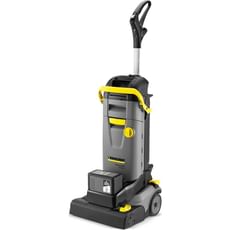
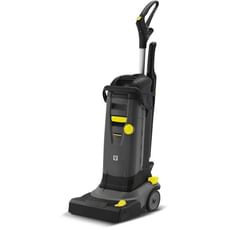
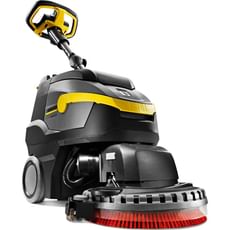
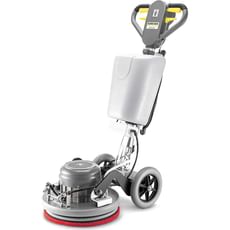
Karcher BR 30/4 C BP Professional 36v Cordless Small Area Floor Cleaner and Scrubber Drier
available
 Loading...
End of content
Error - No more pages to load
About Floor Cleaners
Professional floor cleaners have transformed the way tradespeople and facility managers maintain commercial and industrial spaces, offering powerful alternatives to traditional mopping methods. Modern floor cleaning machines range from compact cordless scrubber dryers ideal for small retail units to heavy-duty single disc cleaners capable of deep cleaning and polishing expansive warehouse floors. These machines dramatically reduce cleaning time whilst delivering consistently superior results across various hard floor surfaces including vinyl, ceramic tiles, sealed concrete, terrazzo, and commercial rubber flooring.
Tooled-Up.com stocks an extensive range of professional floor cleaning equipment from industry-leading manufacturers including Kärcher Professional, Makita, and Einhell. The selection features both corded and battery-powered models to suit different operational requirements. Cordless options like the Makita PS001G 40v Max XGT scrubber polisher and Kärcher BR 30/4 C BP 36v floor cleaner eliminate trailing cables, reducing trip hazards on busy sites whilst providing exceptional flexibility across multiple locations. For those requiring continuous operation on larger facilities, corded machines such as the Kärcher BR 30/4 C deliver uninterrupted cleaning performance without battery runtime limitations.
Whether you're maintaining a hospital ward, shopping centre, warehouse floor, or office building, professional floor cleaning equipment significantly improves productivity and cleaning standards. Scrubber dryers combine washing, scrubbing, and water extraction in one efficient pass, leaving floors virtually dry and safe to walk on within minutes. Single disc machines offer versatility for specialist tasks including deep scrubbing, buffing, polishing, and floor restoration work. With adjustable brush pressure, variable speed controls, and interchangeable pad systems, these machines can be configured for light daily maintenance through to intensive deep cleaning operations.
Jargon Buster
- Scrubber Dryer
- A floor cleaning machine that simultaneously scrubs the floor using rotating brushes or pads with a cleaning solution, then extracts the dirty water using an integrated vacuum system. This leaves the floor clean and nearly dry in a single pass, making it immediately safe for foot traffic and ideal for high-traffic commercial environments.
- Single Disc Machine
- A versatile floor cleaner featuring one rotating disc that accommodates different brushes or pads for various applications including scrubbing, buffing, polishing, crystallisation, and floor restoration. Also known as rotary floor machines, these units excel at specialist floor care tasks requiring focused mechanical action.
- Orbital Action
- A cleaning mechanism where the pad or brush moves in small circular motions at high speed rather than simple rotation. This provides excellent cleaning results whilst being considerably gentler on sensitive floor surfaces, reducing the risk of damage to polished or delicate flooring materials.
- Solution Tank Capacity
- The volume of clean water and detergent mixture the machine can hold, measured in litres. Larger capacities allow extended cleaning sessions without refilling, crucial for maintaining productivity on expansive sites. Professional models typically range from 4 litres for compact units to 15+ litres for larger industrial machines.
- Recovery Tank
- The separate tank that collects dirty water extracted from the floor during cleaning operations. Should always be slightly larger in capacity than the solution tank to accommodate foam expansion and prevent overflow. Regular emptying is essential to maintain optimal suction performance.
- Working Width
- The effective cleaning path width of the machine, typically measured in centimetres. Wider working widths (40-50cm+) increase productivity on large open areas such as warehouse floors, whilst narrower machines (30-35cm) offer superior manoeuvrability in confined spaces, corridors, and around obstacles.
Who Uses Floor Cleaners?
Professional floor cleaning equipment is essential across numerous trades and industries:
- Contract Cleaning Companies – Commercial cleaning firms maintaining offices, retail premises, and public buildings requiring daily floor care
- Facilities Management Teams – In-house maintenance staff in hospitals, schools, universities, and council buildings
- Retail Managers – Supermarkets, shopping centres, and high-street stores needing regular floor maintenance throughout trading hours
- Warehouse Supervisors – Industrial and distribution facilities with large concrete floor areas requiring periodic deep cleaning
- Hotel and Hospitality Staff – Maintaining lobbies, function rooms, restaurants, corridors, and service areas to high presentation standards
- Factory Maintenance Teams – Manufacturing facilities requiring regular cleaning for health and safety compliance and operational efficiency
- Leisure Centre Operators – Gyms, sports halls, swimming pool surrounds, and changing facilities needing specialist floor care
- Property Maintenance Contractors – Managing diverse cleaning requirements across multiple sites and building types
- Caretakers and Janitors – Schools, colleges, community centres, and places of worship
- Healthcare Facility Managers – Care homes, GP surgeries, dental practices, and veterinary clinics requiring hygienic floor maintenance
How to Choose the Right Floor Cleaners
Floor Area and Layout: For spaces under 150 square metres, compact scrubber dryers like the Kärcher BR 30/1 C BP offer excellent manoeuvrability in confined areas. Larger facilities benefit from wider working widths and increased tank capacities to minimise refilling interruptions. Consider your site layout – open-plan warehouses suit wider machines for maximum productivity, whilst buildings with narrow corridors and tight corners require more compact, agile units.
Floor Surface Type: Hard tiles, sealed concrete, and commercial vinyl can withstand more aggressive brush types and higher pressure settings. Delicate surfaces such as polished wooden floors, linoleum, or natural stone require softer brushes and gentler orbital cleaning action. The Kärcher BDS 43 Orbital models available at Tooled-Up provide exactly this gentler approach for sensitive flooring. Always verify that your chosen machine is suitable for your specific floor type to avoid costly damage.
Power Source: Cordless battery-powered models provide exceptional flexibility, particularly important in environments where trailing cables create trip hazards or where cleaning must occur during business hours. Modern lithium-ion systems from Makita (40v XGT) and Einhell (18v Power X-Change) offer sufficient runtime for most commercial applications, typically 30-60 minutes depending on battery capacity and cleaning intensity. Corded 240v machines suit larger facilities with dedicated cleaning periods and readily available power access.
Wet or Dry Operation: Scrubber dryers that extract water whilst cleaning are essential for high-traffic areas where wet floors pose significant safety risks. These machines leave floors virtually dry within 2-3 minutes, allowing normal foot traffic to resume quickly. Single disc machines without extraction capabilities are better suited to deep cleaning, restoration work, or buffing and polishing applications where floors can remain temporarily wet in controlled circumstances.
Tank Capacity: Match solution and recovery tank sizes to your typical cleaning session duration. Frequent refilling significantly reduces productivity and increases labour costs. For extensive sites, machines with 10+ litre capacities minimise interruptions. Smaller 4-6 litre tanks suffice for quick daily maintenance of compact areas or multiple small rooms where frequent emptying of dirty water is less disruptive.
Brush or Pad System: Disc machines accept various brushes (soft nylon for general cleaning, stiff bristles for ingrained dirt, abrasive brushes for deep scrubbing) and pads (ranging from aggressive stripping pads to fine polishing pads). This versatility allows one machine to handle multiple floor care tasks. Consider whether you need this flexibility or whether a dedicated scrubber dryer would better suit your routine maintenance requirements.
Noise Levels: Critical for daytime cleaning in occupied buildings such as healthcare facilities, offices, retail environments, and schools. Excessive noise disrupts occupants and may breach workplace noise regulations. Check decibel ratings and consider machines specifically designed for quiet operation if you must clean during working hours.
Popular Accessories
Maximise the performance and longevity of your floor cleaning equipment with these essential accessories:
- Replacement Brushes – Different stiffness grades and bristle materials for various floor types and cleaning intensities
- Polishing and Scrubbing Pads – Various grades from aggressive black stripping pads to fine white polishing pads
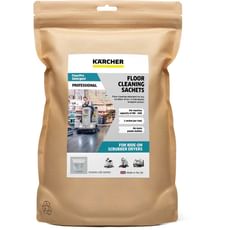
- Floor Cleaning Sachets and Detergents – Specialist low-foam cleaning solutions formulated specifically for machine use, including Kärcher cleaning sachets
- Spare Battery Packs – Extended runtime for cordless models, allowing continuous operation whilst primary batteries recharge
- Squeegee Blades – Regular replacement ensures optimal water pickup efficiency and streak-free drying results
- Extraction Filters – Protect vacuum motors from debris and maintain consistent suction performance
- Dust Bags and Filters – For machines with dry vacuuming capabilities alongside wet cleaning functions
- Handle Extensions – Reduce operator fatigue on larger cleaning jobs by improving ergonomics
- Brush Storage Holders – Keep accessories organised, protected, and extend their working life
- Wet Floor Warning Signs – Essential safety equipment when operating machines without water extraction
Safety Information
Electrical Safety: Always inspect power cables for cuts, abrasions, or damage before use. Ensure machines are suitable for UK 240v supply and fitted with proper 13A plugs conforming to BS 1363 standards. Never operate electrical floor cleaners with wet hands or in standing water unless specifically rated for such environments. Battery-operated models must use manufacturer-approved chargers only to prevent fire risks and battery damage.
Chemical Handling: Follow COSHH (Control of Substances Hazardous to Health) regulations when using floor cleaning detergents. Use only manufacturer-recommended cleaning solutions to prevent damage to machine components, floor surfaces, and to avoid excessive foaming that can damage vacuum motors. Ensure adequate ventilation when working with chemical cleaners, and wear appropriate PPE including chemical-resistant gloves. Store cleaning chemicals securely and maintain proper labelling.
Slip Hazards: Clearly mark wet floor areas with warning signs conforming to HSE guidance. Scrubber dryers that extract water significantly reduce drying time and associated slip risks compared to traditional mopping. Ensure recovery tanks are emptied regularly to prevent overflow creating additional hazards. Never leave cleaning equipment unattended in walkways or doorways where it may cause trips and falls.
Manual Handling: Use proper lifting techniques when moving equipment, filling solution tanks, or emptying recovery tanks. Many professional machines incorporate wheels and ergonomic handles to reduce physical strain, but care is still required. Follow HSE guidance on manual handling to prevent workplace injuries, particularly when emptying heavy recovery tanks full of dirty water. Consider using trolleys or carts for transporting equipment between floors or buildings.
Noise Protection: Whilst modern floor cleaners operate relatively quietly compared to industrial equipment, prolonged exposure may still require hearing protection in enclosed spaces. Check manufacturer specifications for decibel ratings and conduct noise assessments where appropriate, particularly for operators working extended shifts.
Machine Maintenance: Regular maintenance prevents breakdowns and safety hazards. Empty and rinse recovery tanks daily to prevent bacterial growth and unpleasant odours. Check squeegee blades, brushes, and electrical connections regularly. Never operate damaged equipment – repair or replace faulty components immediately.
Frequently Asked Questions
What's the difference between a scrubber dryer and a single disc floor cleaner?
A scrubber dryer washes the floor and immediately extracts the dirty water using an integrated vacuum system, leaving the surface nearly dry and safe to walk on within minutes. Single disc cleaners scrub or polish but don't extract water, making them ideal for deep cleaning, restoration work, or buffing applications where immediate drying isn't required. Scrubber dryers are more productive for routine maintenance in occupied buildings, whilst single disc machines offer greater versatility for specialist floor care tasks such as crystallisation, heavy scrubbing, and high-speed burnishing.
How long do cordless floor cleaner batteries typically last?
Runtime varies considerably based on battery capacity, floor surface abrasiveness, and cleaning intensity. Professional-grade 18v systems like the Einhell CLEANEXXO typically provide 20-35 minutes of continuous operation, whilst more powerful platforms such as the Makita 40v Max XGT can achieve 45-60 minutes or more with high-capacity batteries. The Kärcher BR 30/4 C BP with its 36v system offers excellent runtime for medium-sized commercial applications. For extended cleaning sessions across large facilities, invest in spare battery packs to maintain productivity whilst primary batteries recharge.
Can I use any floor cleaning detergent in my machine?
No – always use manufacturer-recommended cleaning solutions formulated specifically for machine use. Standard mop detergents often produce excessive foam that can damage vacuum motors, overflow recovery tanks, and significantly reduce cleaning performance. Professional floor cleaning sachets and concentrates are correctly dosed, low-foaming, and pH-balanced to protect your equipment whilst delivering superior cleaning results. Using inappropriate detergents may also void manufacturer warranties.
What floor surfaces can professional floor cleaners be used on?
Most professional floor cleaners work excellently on sealed hard surfaces including vinyl composition tile, linoleum, ceramic and porcelain tiles, sealed concrete, terrazzo, epoxy resin floors, and commercial rubber flooring. Many can also safely clean sealed wooden floors and laminate when fitted with appropriate soft brushes and using lower pressure settings. The Einhell CLEANEXXO specifically mentions suitability for parquet, laminate, PVC, cork, and stone floors. Always avoid using on unsealed wood, waxed floors, or delicate natural stone without manufacturer approval for your specific floor type. When in doubt, test on an inconspicuous area first.
How often should I replace brushes and squeegee blades?
Brushes typically require replacement after 3-6 months of daily commercial use, though this varies considerably with floor surface abrasiveness, cleaning frequency, and brush quality. Monitor brush length regularly – when bristles become too short (usually less than half original length), cleaning effectiveness decreases significantly. Squeegee blades should be inspected weekly and replaced when torn, warped, curved, or no longer providing streak-free water pickup, usually every 2-3 months in high-use environments. Maintaining sharp, effective squeegee edges is crucial for optimal drying performance and preventing water being left behind on floors.